Snow feature · 11 min read
Where should you base a week of deep snow in Myoko?
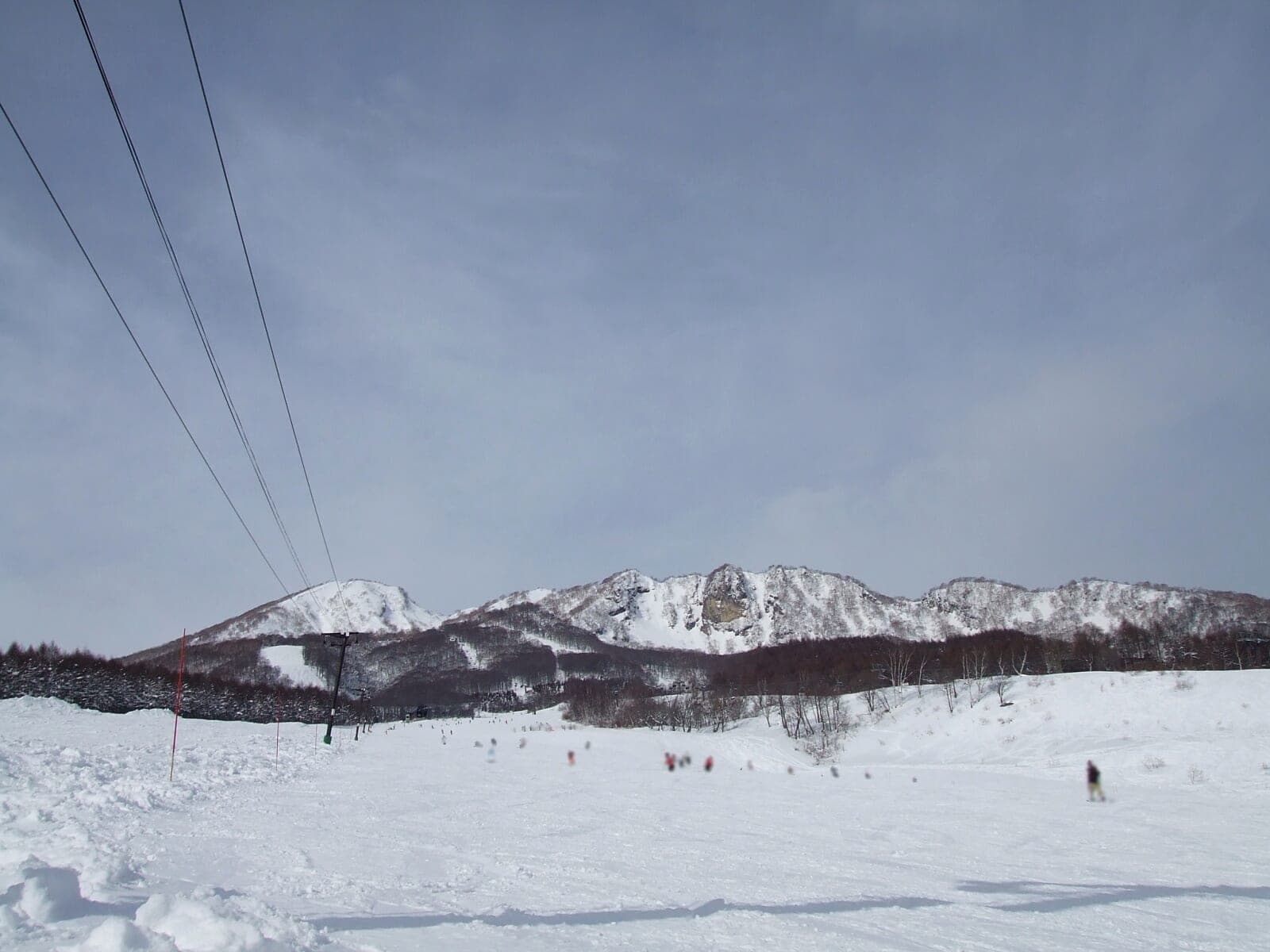
Akakura Onsen makes the best base for most riders, with two ski areas above its main street and the Mt. MYOKO shuttle to Ikenotaira and Suginohara. Save Seki Onsen for the morning after a storm and Arai for a day of lift-served freeride.
By Adam BognarPublished
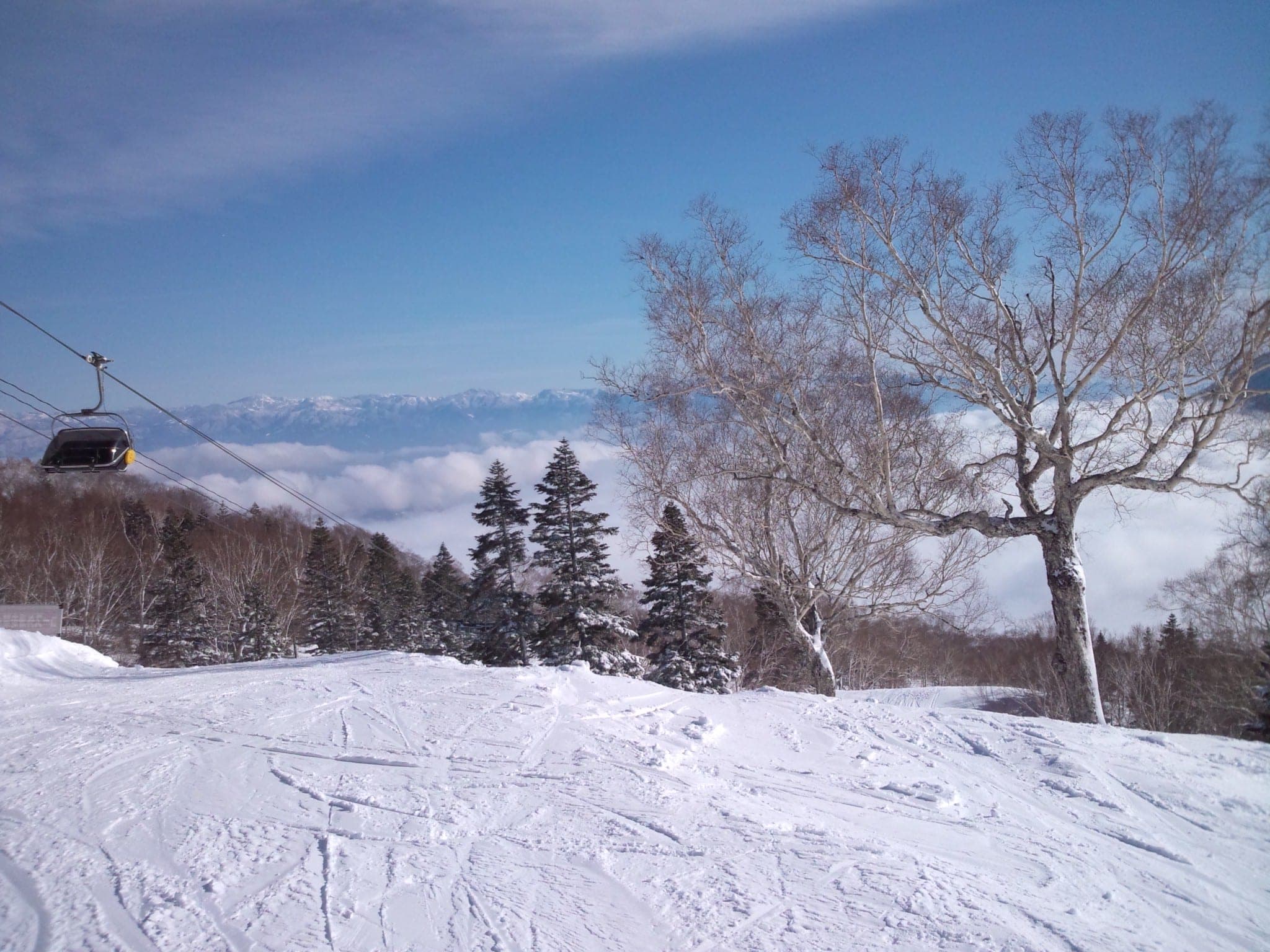
Book Akakura Onsen for a week in Myoko. Two ski areas climb straight off its main street, and the Mt. MYOKO shuttle runs on to Ikenotaira and Suginohara whenever you want a different hill. Keep Seki Onsen for the morning after a storm and Arai for a day of lift-served freeride, since the shuttle reaches neither. Myoko's valley gauge also beats Hakuba's for snow: JMA's 1991–2020 normals give its Sekiyama station 1,085 cm of new snow from November to April by our sum, against 651 cm at Hakuba, though Sekiyama sits 353 m lower.
We compared the six ski areas from our resort, town and onsen pages, which draw on each operator's 2026/27 notices and on Myoko Tourism, all checked on 11 October 2026. Where an operator hadn't posted 2026/27 prices, we give last season's with the year. Nobody publishes lift-queue counts for Myoko or for Hakuba, so this piece judges crowding by what each lift map and timetable shows.
How do Myoko's six ski areas compare?
| Top and vertical | Lifts and runs | Adult day | Night riding | Pass | Main drawback | |
|---|---|---|---|---|---|---|
| Akakura Kanko | 1,500 m top, 760 m | 6 lifts with a gondola, 10 runs | ¥7,000 to 22 March, ¥4,000 from 23 March (2026/27, published) | None | Mt. MYOKO season pass | A short list of runs |
| Akakura Onsen | 1,200 m top, 550 m | 14 chairs, 17 runs | ¥7,000 (2026/27, as Mt. MYOKO lists it) | 17:00–21:00, to 22:00 on Fridays and Saturdays (2025/26) | Mt. MYOKO season pass | The lowest top of the four pass resorts |
| Ikenotaira Onsen | Not published | 5 chairs, 16 courses | ¥7,400 plus a ¥500 card deposit you get back (2026/27, published) | None | Mt. MYOKO season pass | Four of the five chairs are slow pairs |
| Myoko Suginohara | 1,855 m top, 1,124 m | 5 lifts with a gondola, 16 runs | Not yet published; ¥8,000 in 2025/26 | None open to the public | Ikon Pass and Mt. MYOKO season pass | Prince plans to close on 28 March 2027 |
| Seki Onsen | 1,210 m top, 310 m | 2 chairs, 4 courses | Not yet published; ¥4,500 in 2025/26 | None | None | Tracked out after two dry days |
| Arai Mountain Resort | 1,280 m top, 951 m | 5 lifts with a gondola, 14 courses | Not yet published; ¥7,500 for an adult aged 19 to 49 in the 2025/26 high season | 16:30–20:00 (2025/26) | Ikon Pass | No village outside the hotel |
Akakura Kanko's ¥7,000 buys the regular day to 22 March 2027. A joint day ticket for both Akakura areas costs ¥10,000 in 2026/27, and no single day ticket covers all of Myoko. The Mt. MYOKO Super Season Pass covers the four resorts on the shuttle for ¥130,000 at the regular price, or ¥110,000 bought early by 30 November 2026. Seki Onsen sits outside it.
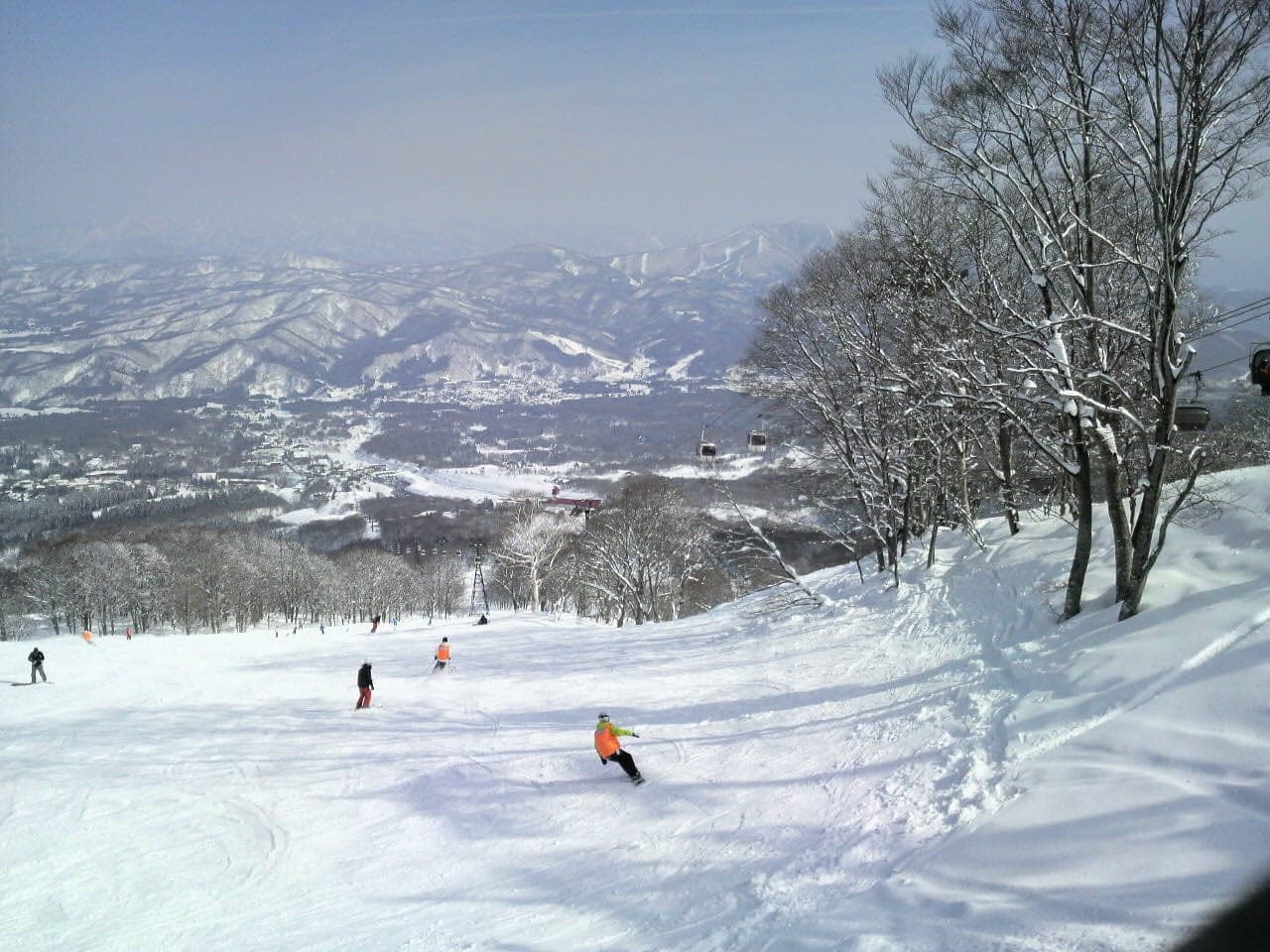
How much snow does Myoko get?
More than Hakuba's valley floor, measured the same way. JMA's Sekiyama station stands at 350 m in Myoko city, below every ski area, and its normals add up to 1,085 cm of new snow from November to April by our sum. January alone brings 385 cm, and the snow on the ground peaks at a normal 192 cm in February. JMA's Hakuba station at 703 m adds up to 651 cm over the same six months, with 216 cm in January.
Both figures are JMA's valley normals, so the comparison holds on method. The gauges stand in the valleys below the lifts, and none of the Myoko resorts publishes a snowfall figure of its own. Sekiyama's January air stays mild for so much snow, with highs of 3.3 °C and lows of −2.7 °C, and JMA's station notes say the resorts above it run colder.
Why does Akakura Onsen make the best base?
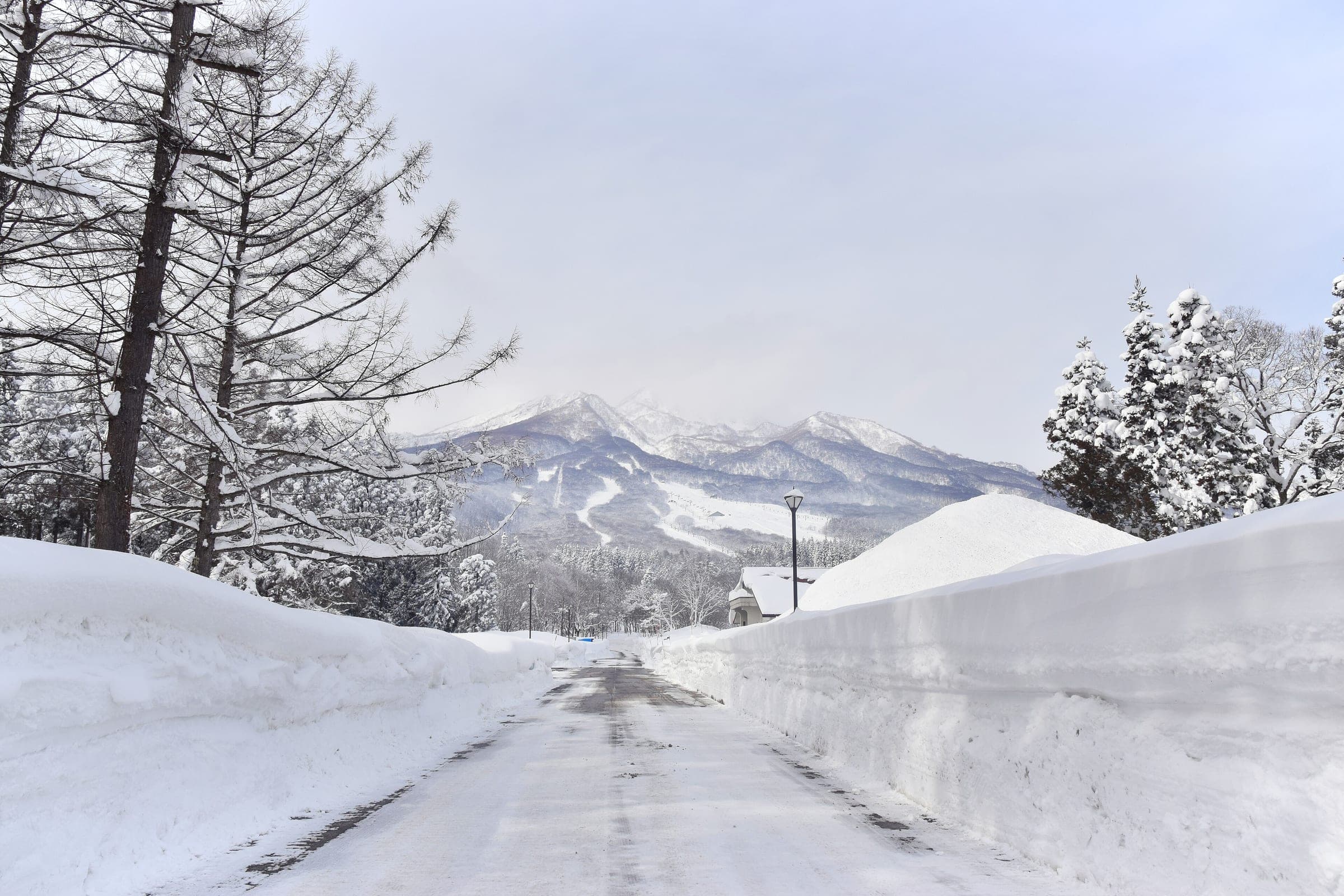
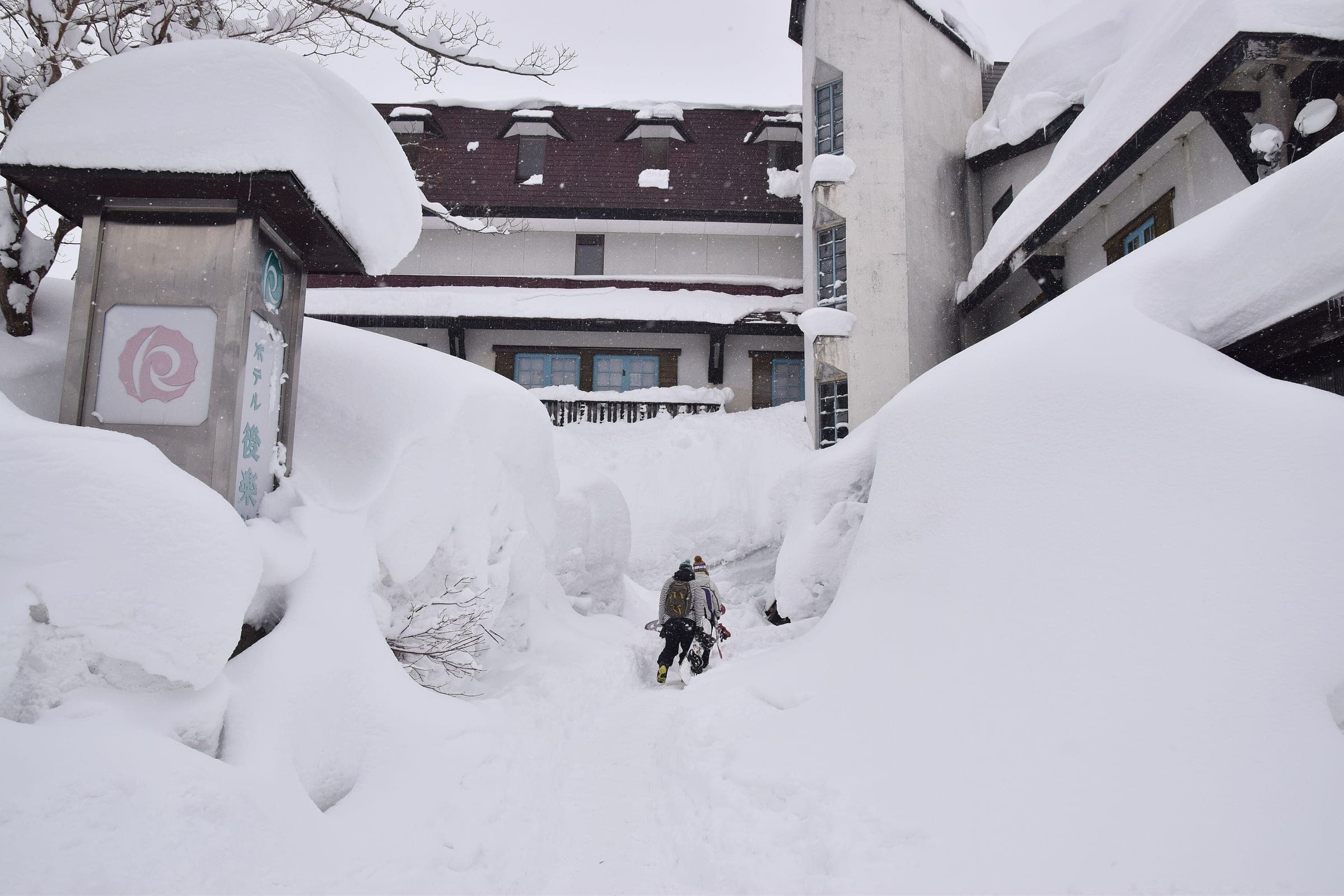
It puts the most riding and the most dinner tables inside walking distance. Lodges on the main street put the lifts four or five minutes away on foot, and the village has sat at about 800 m on Mt. Myoko's eastern slope since its spring opened in 1816. The water comes down a pipeline from Kita-Jigokudani high on the volcano, and Myoko Tourism puts the flow at about 3,000 litres a minute and calls it the largest in Niigata.
Akakura Onsen ski area rises off the top of the street with 14 chairs, and its night area sits at Kumado on the far end. Myoko Tourism lists it as the only resort in Myoko Kogen with night riding every day. In 2025/26 the lights stayed on until 21:00, or 22:00 on Fridays and Saturdays, for a ¥3,500 night ticket. Its top at about 1,200 m is the lowest of the four shuttle resorts.
Akakura Kanko next door opened in 1937, and its hotel still stands halfway up the slope. The Myokokogen Skycable climbs from the base car park, and the steepest skiing waits on the Champion side, where Champion A stays ungroomed beside the sanctioned race course on Champion B. After snowfall the crews often leave the top of Joshi Kokutai alone, so powder survives there. A free AKAKAN shuttle loops from the village to the Skycable base from 08:00 to 16:40, and it plans to run from 19 December 2026 to 22 March 2027. From 23 March the day ticket drops to ¥4,000, and the season runs to 5 May 2027.
The main street is where Myoko eats after dark. Shibata has served big Japanese dinners with an English menu for decades. Down in Shin-Akakura the izakaya Pontaro pours Niigata jizake below the lifts, and Hunter at the main junction runs from morning coffee to a late drink. Tour buses and queues fill that street on powder weekends, so book a peak Saturday dinner or take your inn's dinner plan.
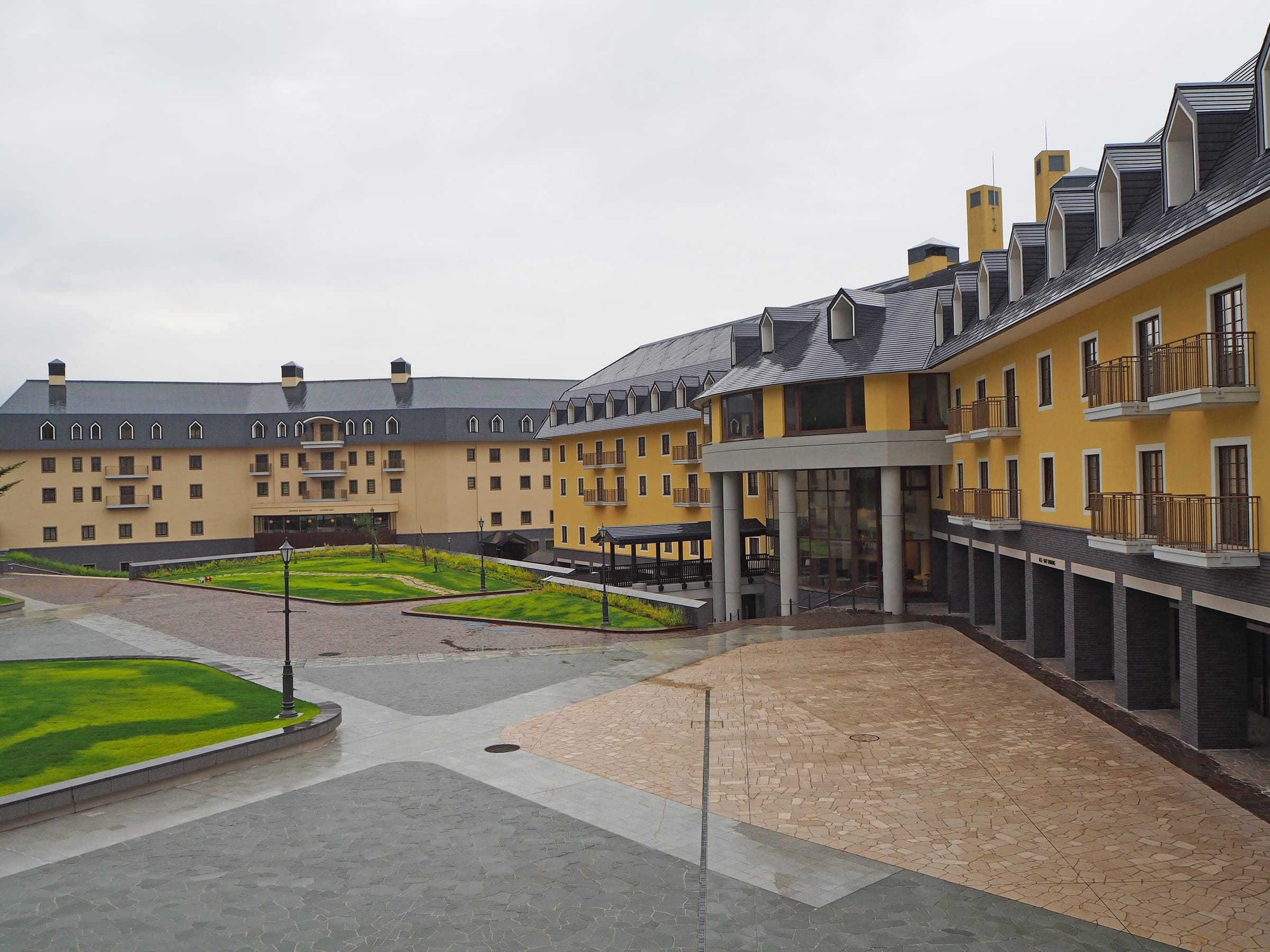
For a room, Akakura Kanko Hotel is the one place in town you can ski to the door. Its own booking page priced dinner and breakfast from ¥38,500 a person for two sharing in October 2026. Akakura Hotel in the middle of the village runs every bath on free-flowing Akakura water and takes day bathers for ¥1,000. The public outdoor bath at Taki no Yu closes from early November to late April, so winter bathing in Akakura means hotel baths at ¥600 to ¥1,200 on Myoko Tourism's April 2026 list.
When should you ride Ikenotaira and Suginohara?
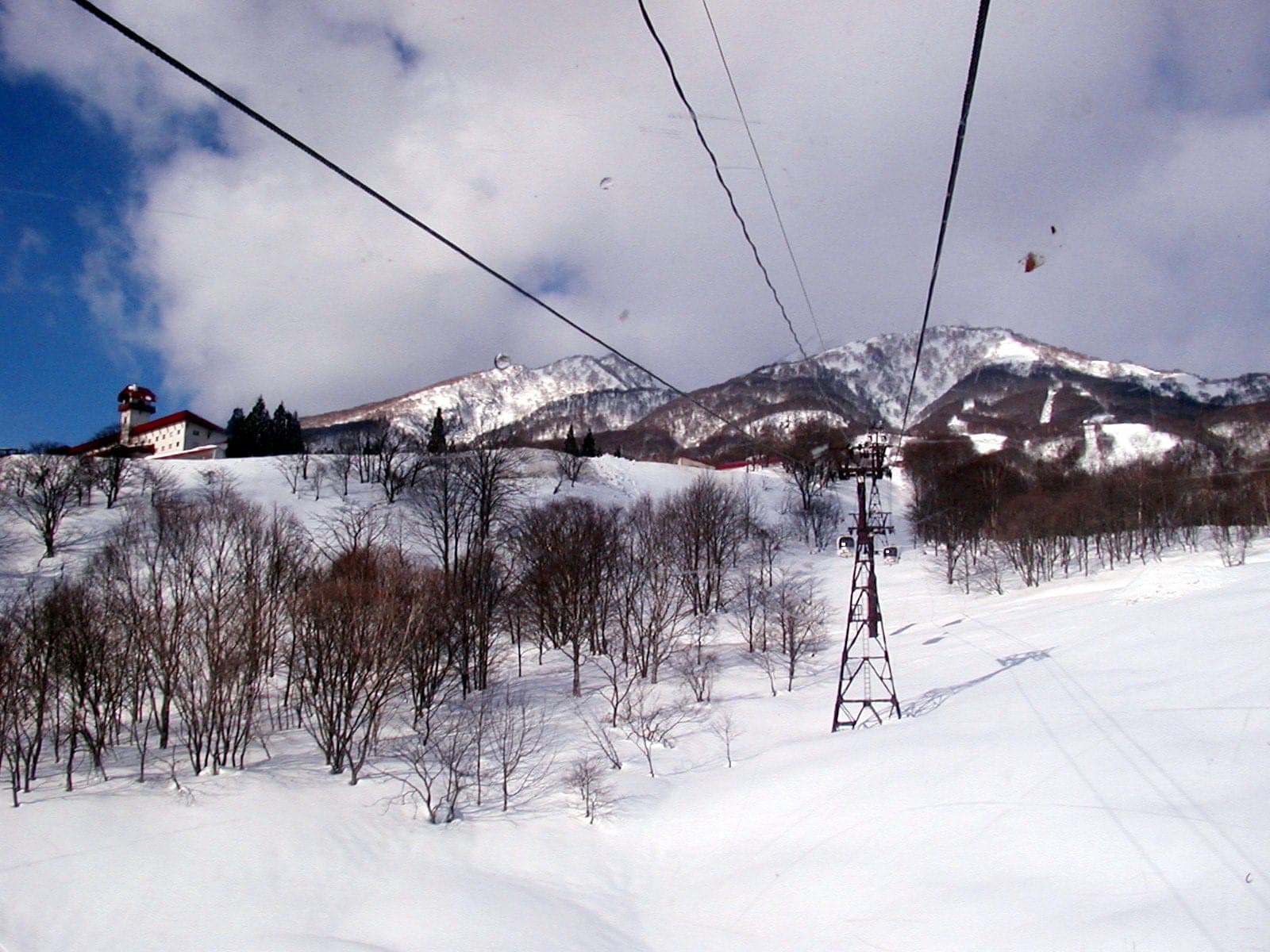
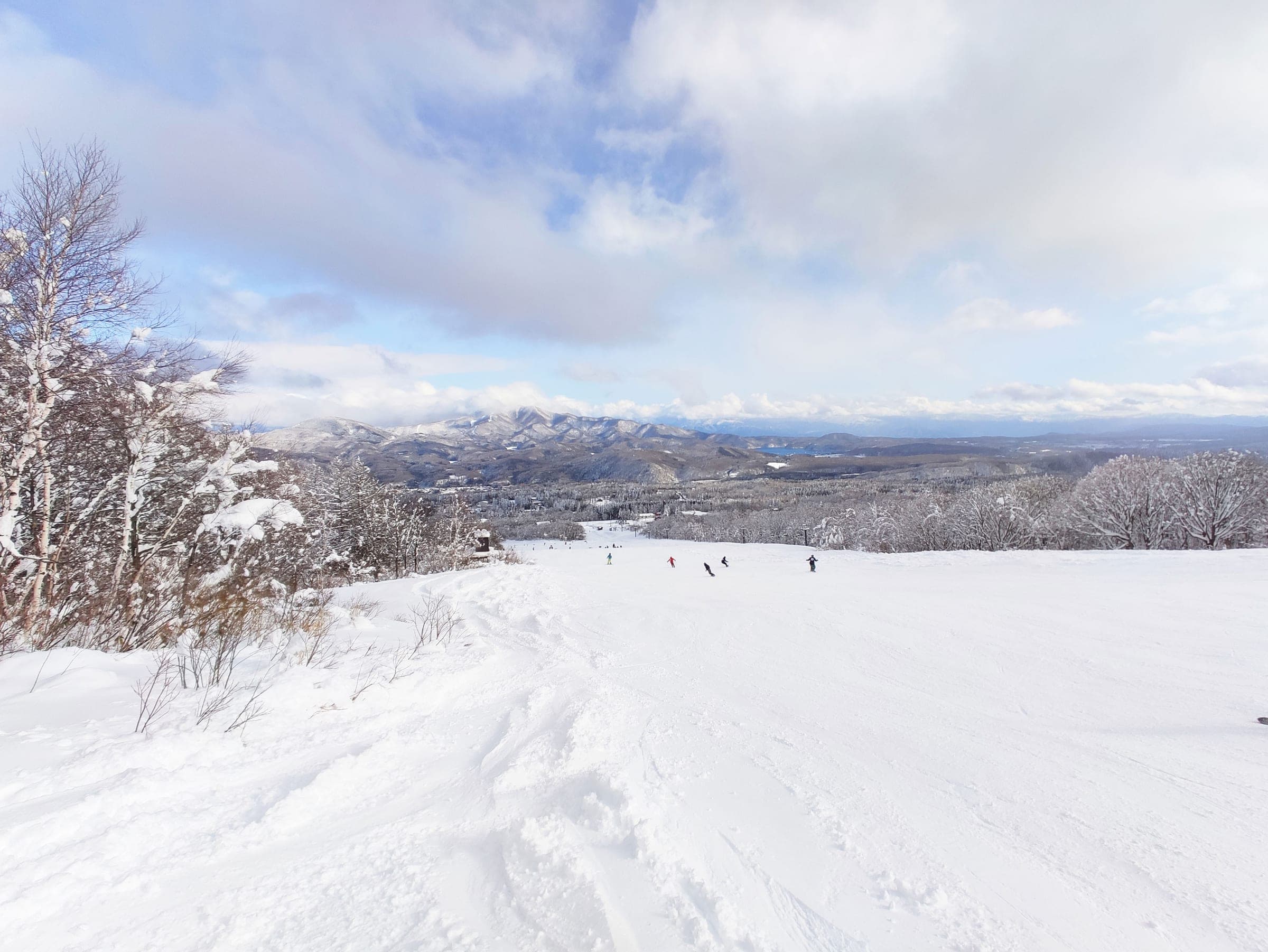
Ride Suginohara on a clear day and Ikenotaira when you want room to spread out. Myoko Suginohara climbs highest of them all. The gondola and two Mitahara quads reach 1,855 m for 1,124 m of vertical by Prince's figures, and the longest run winds about 8.5 km back down. Most of the mountain is wide and gentle, with the steep ground at the very top on Super Giant and Super Mogul.
Prince runs Suginohara differently in 2026/27. It has stopped selling its own season passes and early-bird tickets, and the car park has shrunk and now charges every day. The planned closing date of 28 March 2027 falls five weeks before Akakura Kanko's. Children up to elementary-school age still ride free, and Ikon Pass holders scan straight in at the gates. The farming village of Suginosawa below has almost nowhere to eat at night, so book a dinner plan. Drifter Myoko runs a first-lift shuttle at 08:00, and the village bath Naena no Yu costs ¥500 and closes on Tuesdays and Wednesdays.
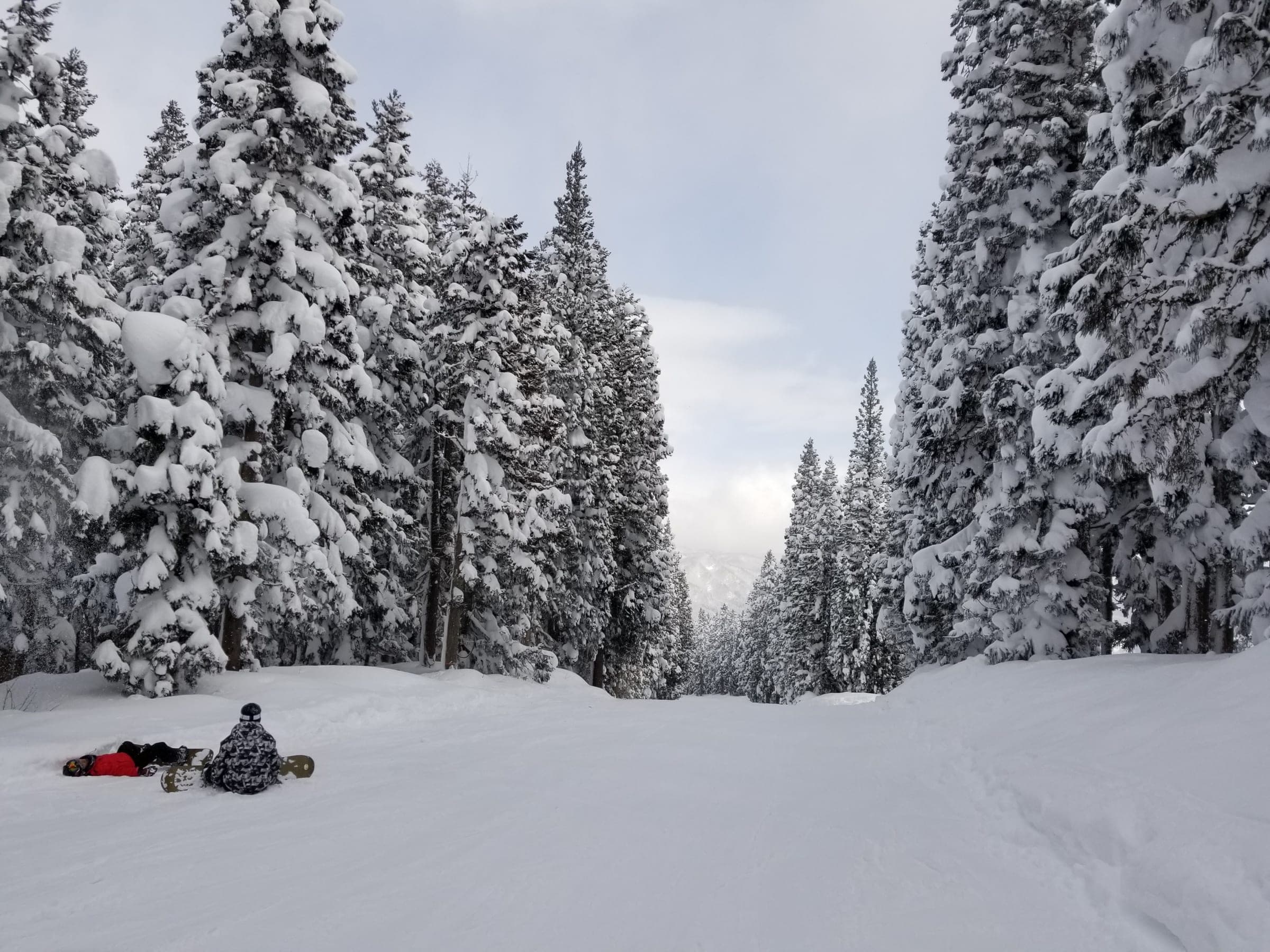
Ikenotaira Onsen spreads over the broad lower skirt of Mt. Myoko, and its operator calls the slopes among the widest in Japan. Five chairs serve 16 courses for ¥7,400 a day in 2026/27. Head for the Alpen Blick side after a snowfall, where Myoko Tourism points to more ungroomed snow and openings into the trees. The village onsen runs black with volcanic mud from Minami-Jigokudani, and Alpen Blick Spa charges ¥800 from 07:00 to 22:30 in the snow season. LIME RESORT MYOKO has the shuttle stop at its door.
The Mt. MYOKO Shuttle ties these two to Akakura with no reservation. It cost ¥1,000 one way in 2025/26 and plans to run from 19 December 2026 to 22 March 2027. Plan your moves between villages for the last weeks of the season, after the shuttle stops.
The map
The map marks every place this piece visits.
Contours come from Copernicus DEM, and the coast and water from OpenStreetMap.
Is Seki Onsen worth the trip?
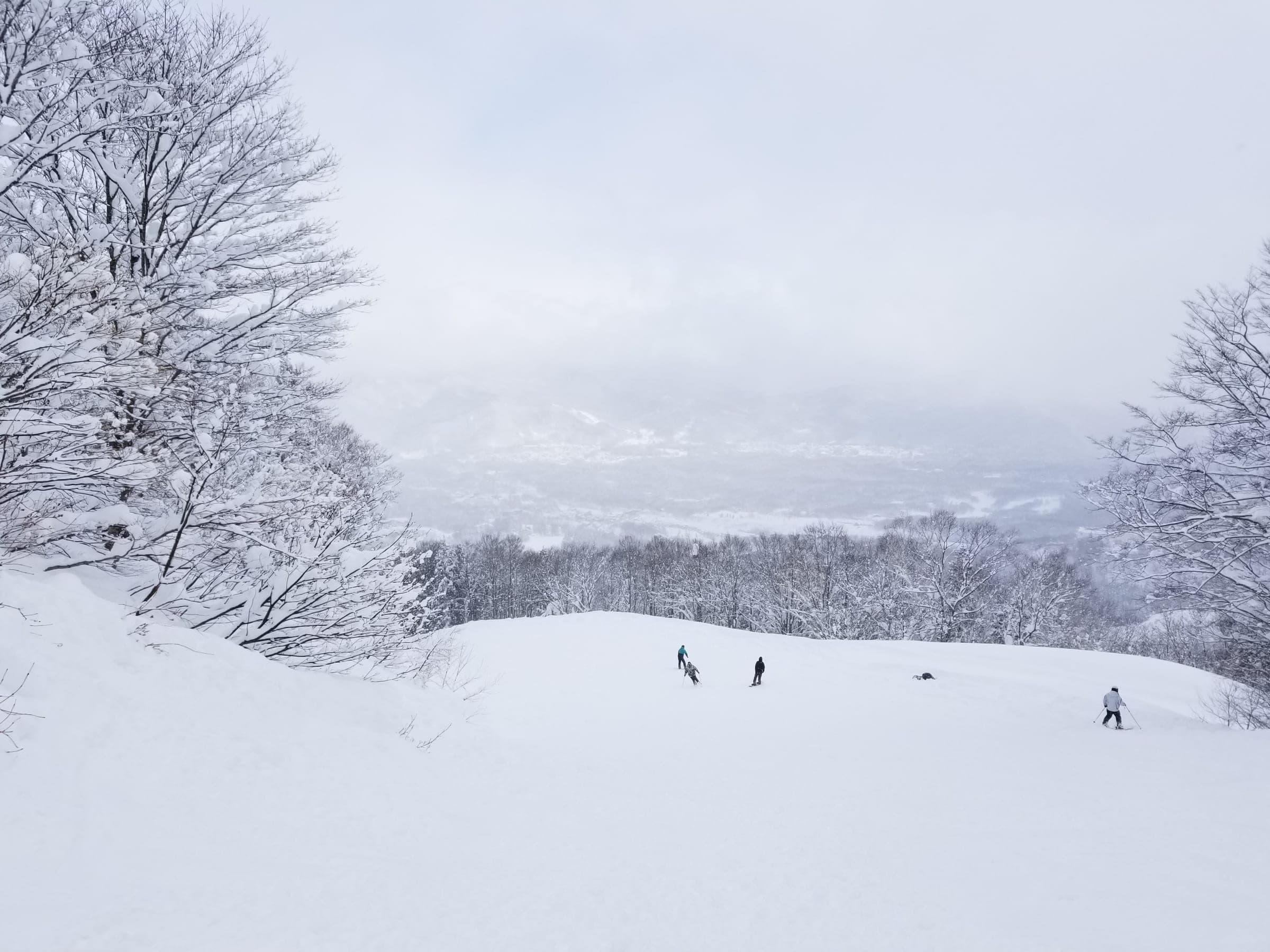
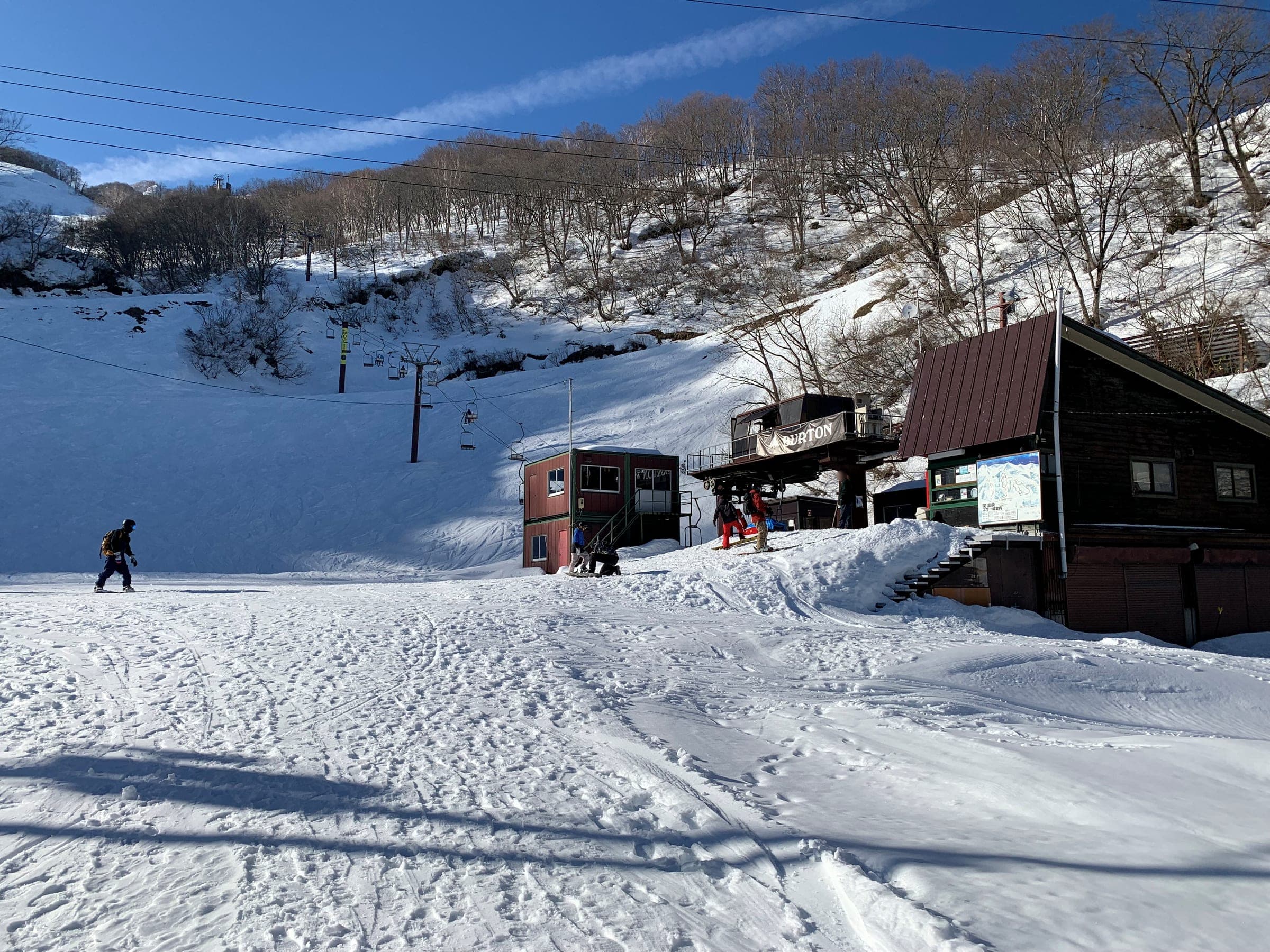
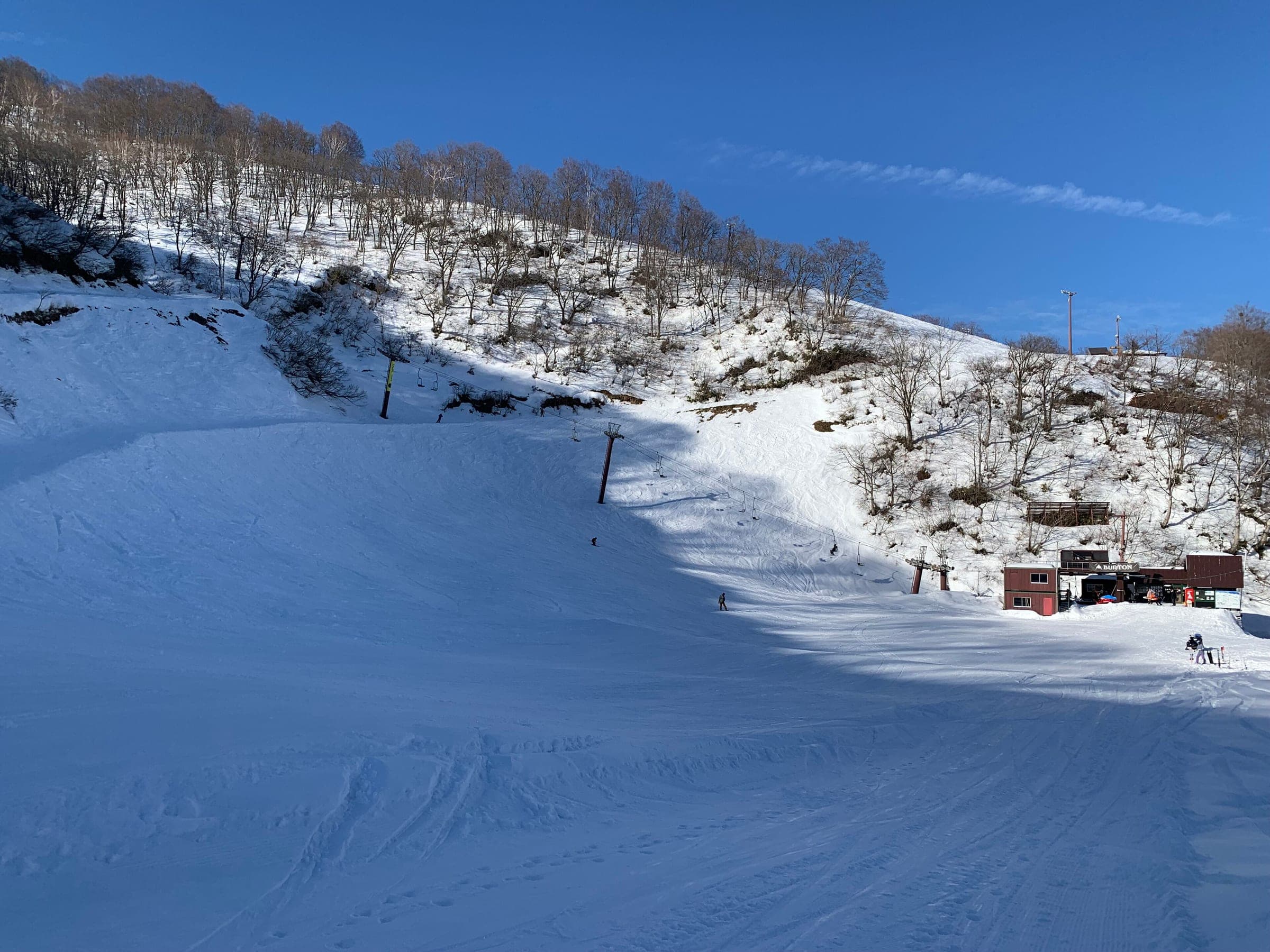
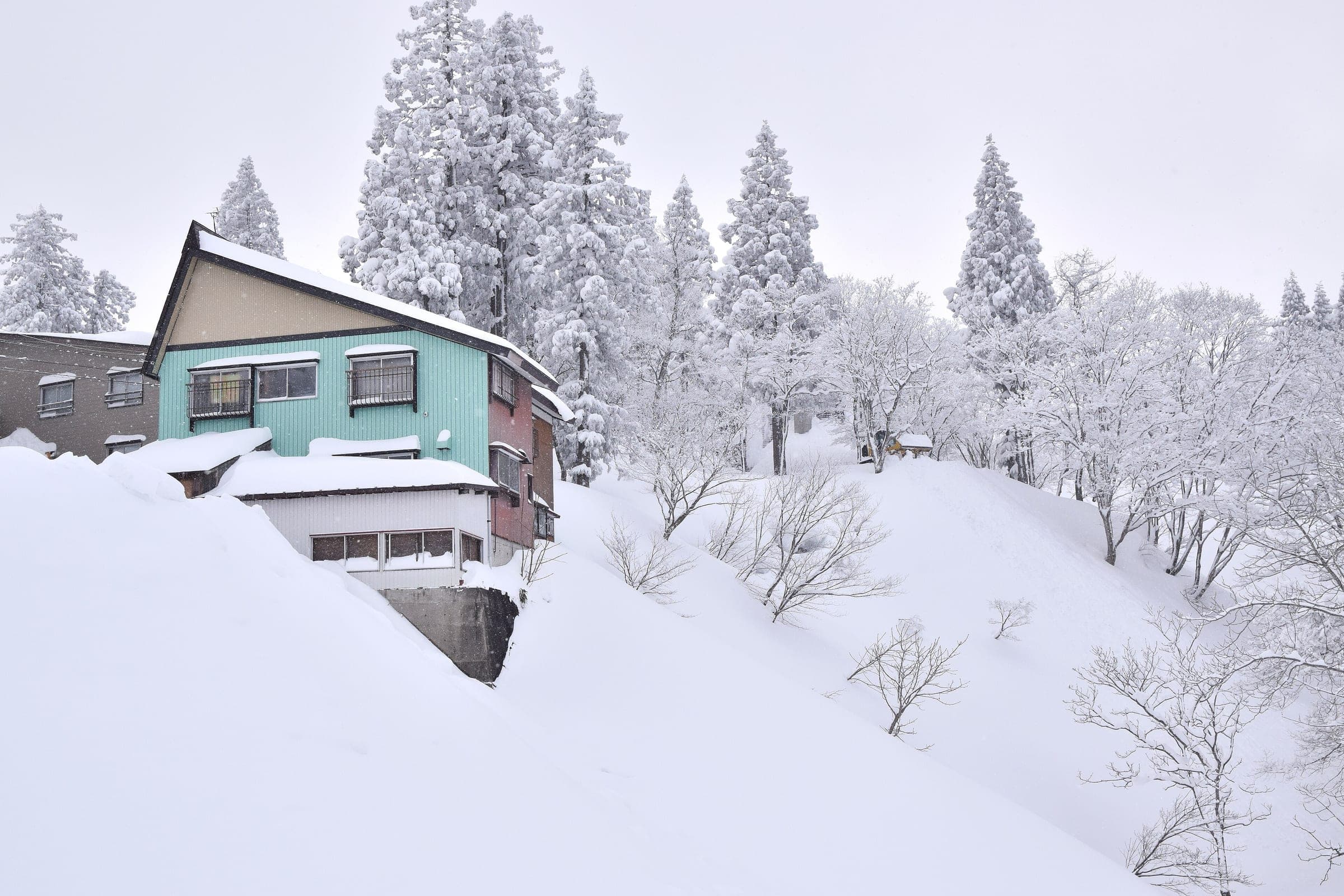
Yes, the morning after a storm, if you ride ungroomed snow well. Seki Onsen is a handful of inns on the road above Akakura, where two chairs climb to a top at 1,210 m. The crews groom very little. A local guide site notes that the upper single chair often stays shut on quiet days, and after a day or two without snow the whole hill can be tracked by mid-morning.
It runs cheap and late. The 2025/26 day ticket cost ¥4,500 and the afternoon ticket ¥3,500, and the season closed on 12 April 2026. Myoko Tourism says it often keeps going into early May. The Keinan bus climbs from Sekiyama station, and you can park free at P2 every day. Afterwards, the inns sell baths in Seki's iron-rich water, which turns red-brown as it sits, for ¥500 to ¥800 on Myoko Tourism's April 2026 list. Nakamuraya and Asahiya shut their outdoor baths in winter.
Seki publishes no gate system of its own. Guide outfits such as ITADAKI TOURS and SARC work from here, and the resort lists them under backcountry on its website, so book one before you ride beyond the area.
What does Arai add to a Myoko week?
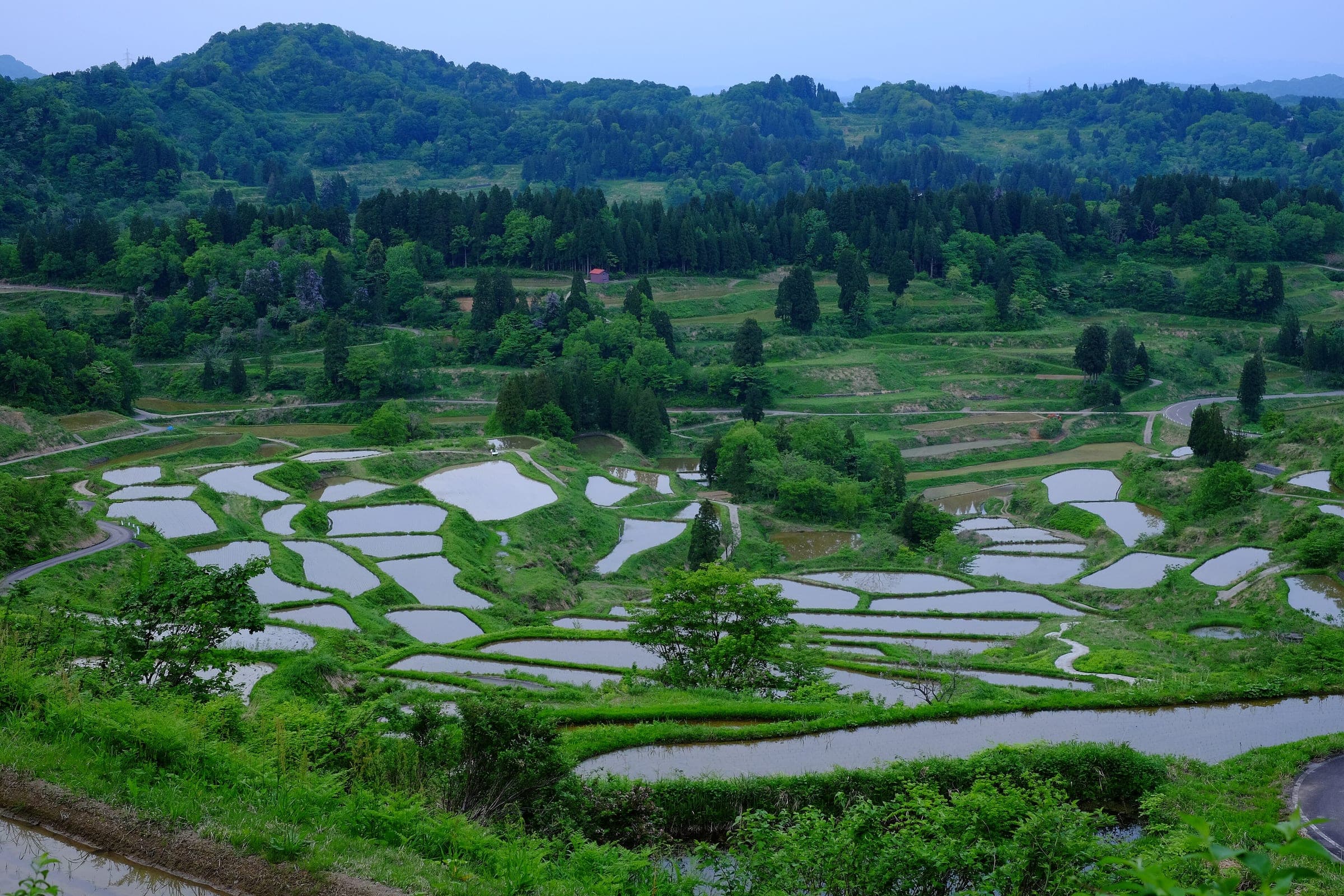
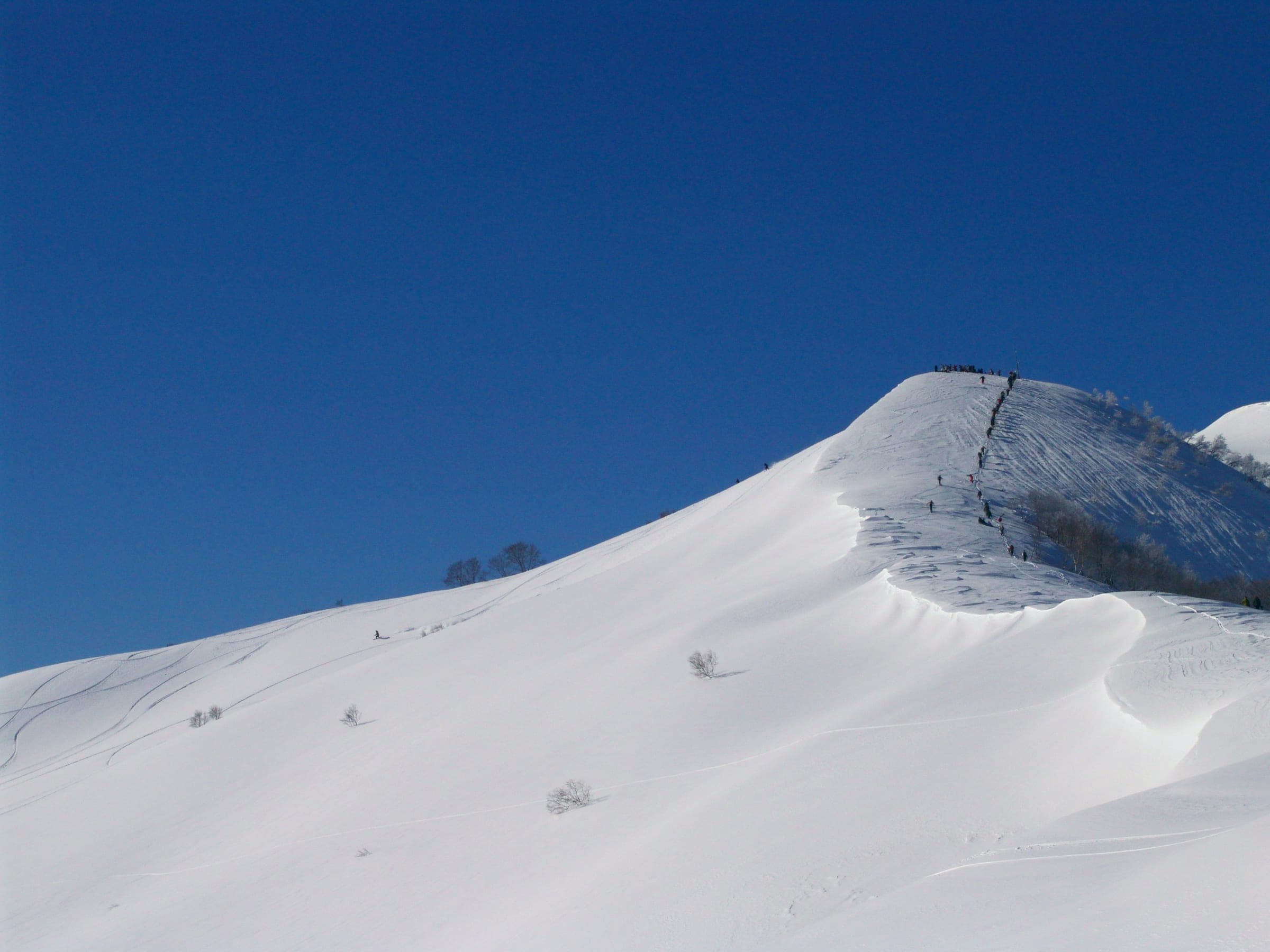
Arai adds big lift-served freeride on its own mountain north of the Myoko Kogen villages. Arai Mountain Resort drops 951 m from the top of Mt. Okenashi on a gondola and four chairs, and Myoko Tourism counts eight free-ride zones beside the official courses. Ikon describes most of the terrain as ungroomed and says Arai gets one of the heaviest snowfalls in Japan, though the resort publishes no snowfall figure we could check. Ikon Pass holders ride on their pass.
The resort had not posted its 2026/27 window prices on any page we could read by 11 October 2026. Early-bird Economy day passes sell through WAmazing until 30 November 2026 for use between 19 December 2026 and 9 May 2027. Children aged six and under ride free. Night riding came back in 2025/26 after three seasons off. Arai also hadn't posted 2026/27 boundary rules, so ask patrol before you ride the free-ride zones.
The 257-room Lotte Arai Resort stands at the base, and there is nothing to walk to beyond it. Down in Arai town, Kiminoi has brewed sake since the 1830s. Stop at Michi-no-Eki Arai on Route 18 on the drive in, where a fish market sits beside the farm stand and the ramen counters.
How do you get to Myoko from Tokyo?
The fastest morning Hakutaka reaches Joetsu-Myoko in 111 minutes on the Hokuriku Shinkansen, for ¥9,660 with a regular-season reserved seat in 2026. From there the Myoko Haneuma Line climbs to Myoko-Kogen station in about 35 minutes, and a local bus or a taxi covers the last stretch to each village. The other way in runs through Nagano on the Kagayaki and then the Shinano Railway Kita-Shinano Line to Myoko-Kogen.
Akakura Kanko Hotel's own shuttle takes about ten minutes from Myoko-Kogen station. The direct bus Nagaden ran from Nagano Station to Akakura in summer 2026 took about 80 minutes for ¥2,500, and the company had planned a winter service. For Seki Onsen get off at Sekiyama, and for Arai stay on the Shinkansen to Joetsu-Myoko and check the resort's winter shuttle.
What about riding beyond the boundary?
Leave only through a gate with a plan filed, or with a guide. Suginohara lets riders out only through its gates after they file a climbing plan with the patrol office, and anyone rescued off the courses pays the full cost of the search. The Japan Avalanche Network publishes a daily English bulletin for its Myoko area at data.nadare.jp, so read it before you leave the lifts.
Myoko Guiding Co. in Akakura charges ¥141,000 for a private day for up to four in 2026/27 and rents the avalanche gear every guest must carry. Our gates and rescue guide sets out each resort's rules.
Which Myoko base suits you?
Stay in Akakura Onsen if you want night riding after a dinner you walked to, with the shuttle on hand for other hills. Its drawback shows on powder weekends, when the main street fills. Families who want quiet nights and wide slopes do well in Ikenotaira, though every evening comes down to the inn dinner or the brewery buffet at Tatra-kan.
Suginosawa puts Ikon Pass holders and long-run cruisers at the foot of the 8.5 km run, though its season ends in late March. Strong riders with a guide booked get the most from a night at Seki Onsen. A family that wants one big hotel at the lifts can settle at Arai and give up village life for the week.
Quick answers
How much is a day ticket in Myoko for 2026/27?
Myoko day tickets run from ¥7,000 at the two Akakura areas to ¥7,400 at Ikenotaira for an adult in 2026/27. The other ski areas had not published 2026/27 day prices by 11 October 2026, and Suginohara charged ¥8,000 in 2025/26.
Does Myoko get more snow than Hakuba?
Myoko's valley gets more by JMA's normals. The Sekiyama station at 350 m adds up to 1,085 cm of new snow from November to April by our sum, against 651 cm at Hakuba's station at 703 m.
Which Myoko resorts take the Ikon Pass?
Myoko Suginohara and Arai Mountain Resort take the Ikon Pass in 2026/27. The Akakura areas and Ikenotaira sit on the Mt. MYOKO season pass instead.
Is there night skiing in Myoko?
Akakura Onsen ran night riding every evening in 2025/26, from 17:00 to 21:00 and until 22:00 on Fridays and Saturdays. Arai Mountain Resort ran night riding from 16:30 to 20:00 the same season.
How long does it take to get from Tokyo to Myoko?
Tokyo to Myoko-Kogen takes about two and a half hours at best: 111 minutes on the Hakutaka to Joetsu-Myoko, then about 35 minutes on the Myoko Haneuma Line. The Shinkansen fare was ¥9,660 with a reserved seat in 2026.
Does one ticket cover every Myoko resort?
No single day ticket covers Myoko. Akakura Kanko and Akakura Onsen share a ¥10,000 joint day ticket for 2026/27, and the Mt. MYOKO season pass covers four resorts from ¥110,000.
We write from operators’ and agencies’ own pages, open map data and published research, and we date every fact we check. How we research.
Sources (22)
- https://myokotourism.com/ski-resorts/
- https://myokotourism.com/season-passes/
- https://myokotourism.com/winter-bus-service/
- https://akr-ski.com/slope
- https://akr-ski.com/access
- https://akakura-ski.com/
- https://alpenblick-resort.com/ski
- https://www.princehotels.co.jp/ski/myoko/winter/
- https://www.princehotels.co.jp/ski/myoko/winter/lift/
- https://www.princehotels.co.jp/ski/myoko/winter/coursemap/safety.html
- https://www.princehotels.co.jp/ski/myoko/informations/seasonpass_earlybirdticket
- http://sekionsen.jp/price.html
- http://sekionsen.jp/bc.html
- https://www.lottehotel.com/arai-resort/en/ski-webzine.html
- https://www.ikonpass.com/en/destinations/arai-mountain-resort
- https://www.wamazing.com/snow/items/15362
- https://myokotourism.jp/stay
- https://www.akr-hotel.com/
- https://www.data.jma.go.jp/stats/etrn/view/nml_amd_ym.php?prec_no=54&block_no=0998&year=&month=&day=&view=
- https://www.data.jma.go.jp/stats/etrn/view/nml_amd_ym.php?prec_no=48&block_no=0396&year=&month=&day=&view=
- https://timetables.jreast.co.jp/en/timetable/list1732.html
- https://data.nadare.jp/?locale=en
Places in this piece関連
Read next読む
Practical guide · 8 min read
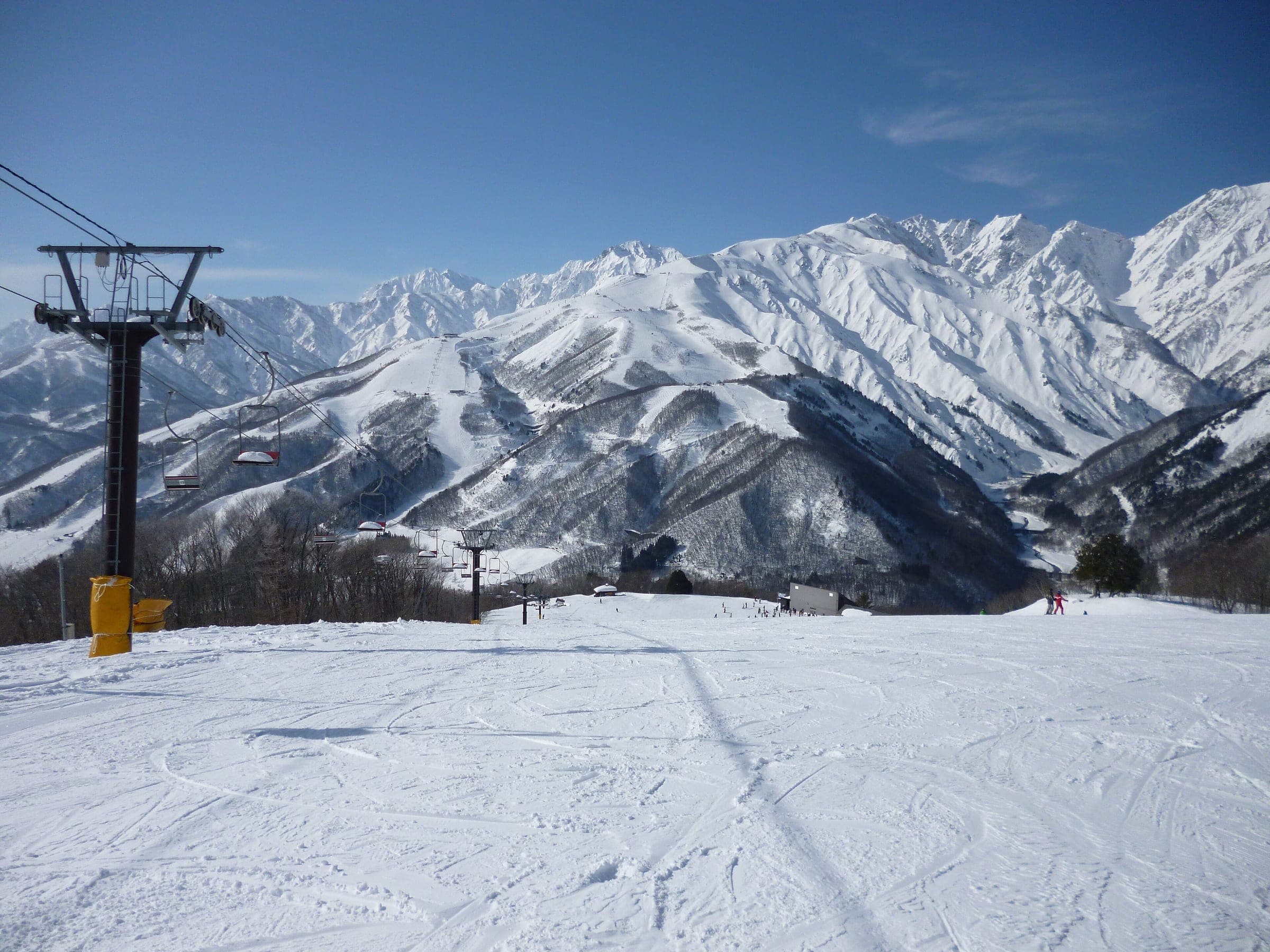
Should you ski Hakuba or Niseko?
Hakuba suits riders who want big alpine vertical and ten resorts on one ticket, a train ride from Tokyo. Niseko suits riders who want four linked resorts, lift-served gates under one set of rules and lights on every evening.
Practical guide · 10 min read
How do backcountry gates and rescue costs work at Japan's ski resorts?
Japanese resorts let riders out only through designated gates once a climbing plan is filed, and every resort here that publishes a rescue rule bills the rider. Zao bans riding off its courses altogether.
Practical guide · 7 min read
Is the Ikon Pass or the Epic Pass better for skiing in Japan?
Ikon gives seven days at each of ten Japanese mountains for 2026/27, eight of them on Honshu. Epic gives five back-to-back days across Hakuba's ten resorts, plus Rusutsu in Hokkaido.