Practical guide · 8 min read
Should you ski Hakuba or Niseko?
Hakuba suits riders who want big alpine vertical and ten resorts on one ticket, a train ride from Tokyo. Niseko suits riders who want four linked resorts, lift-served gates under one set of rules and lights on every evening.
By Adam BognarPublished
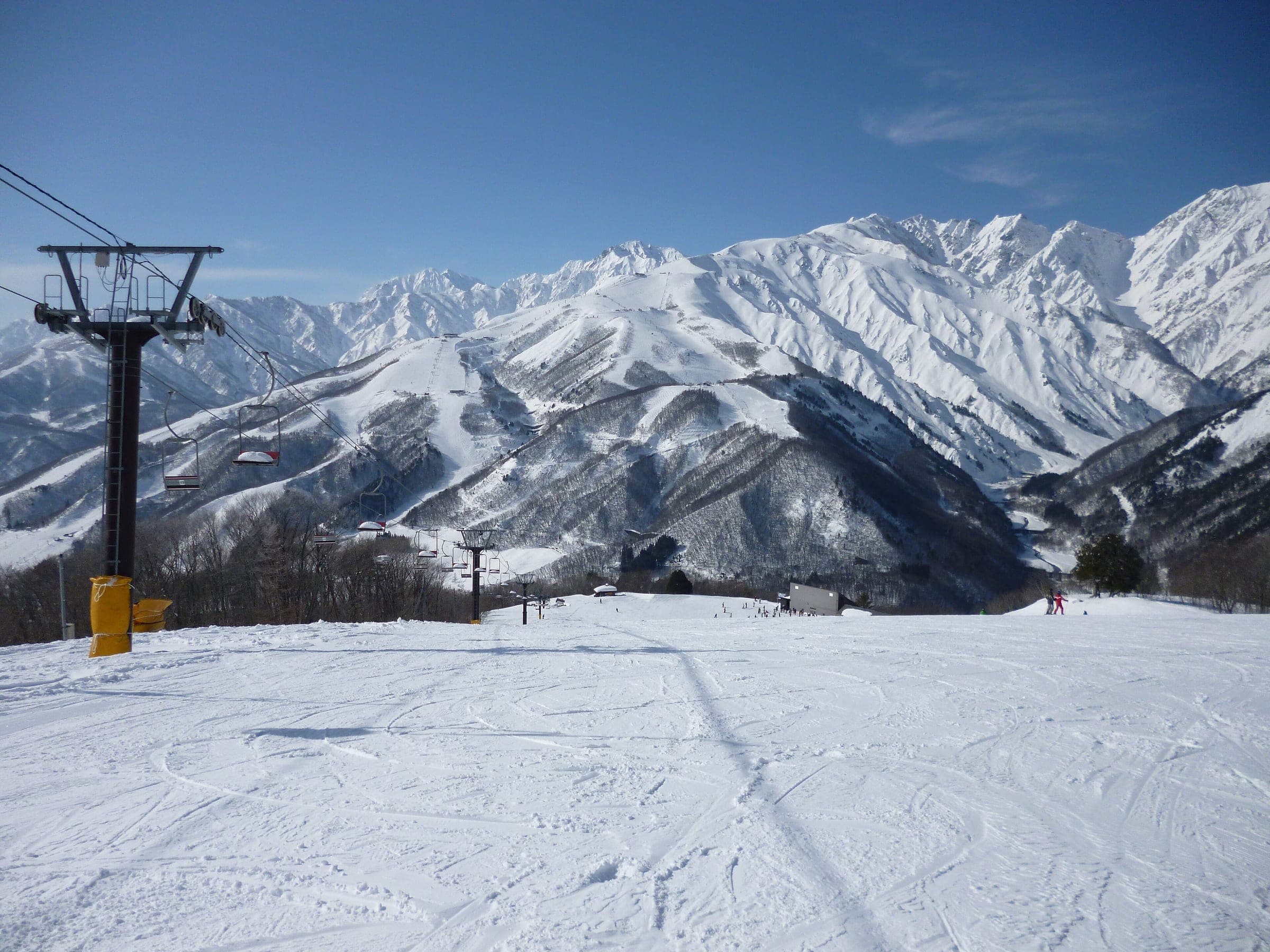
Hakuba wins on mountain size and on access from Tokyo, which is about 2 hours 50 minutes away by Shinkansen and bus. Happo-one alone drops 1,071 m, and one valley ticket covers ten resorts. Niseko's four resorts join across one summit with gates straight off the lifts and night riding at every base, and Niseko gets more snow by the figures each side publishes. Its peak-season ticket costs ¥2,400 a day more than Hakuba's valley ticket in 2026/27.
The Hakuba half of this comparison comes from our own resort and transport pages. Hokkaido belongs to our sister site Ride Hokkaido, so every Niseko figure below comes from its pages and links back to them. We checked both in October 2026, and where a resort hasn't posted 2026/27 numbers we give last season's with the year.
How do Hakuba and Niseko compare?
| Hakuba Valley | Niseko United | |
|---|---|---|
| Getting there | From Tokyo: Kagayaki to Nagano in 77 min (¥8,450), then Alpico's bus to Happo in 70 min (¥2,900) | From New Chitose Airport: about 2 hr by car, or about 3.5 hr on the Hokkaido Resort Liner bus at ¥6,000 (2025/26), per Ride Hokkaido |
| Resorts on the shared ticket | Ten, spread along the valley and joined by shuttle bus | Four, linked across the top of the mountain, per Ride Hokkaido |
| Lifts and runs | 91 lifts and 121 runs across the ten (our sum of each resort's published counts) | 28 lifts and 76 runs across the four (our sum of Ride Hokkaido's figures) |
| Biggest vertical | 1,071 m at Happo-one, from a 1,831 m top | 940 m at Grand Hirafu, from a 1,200 m top, per Ride Hokkaido |
| Adult day on the shared ticket | ¥11,100 (2026/27, published) | ¥13,500 in peak season, 24 Dec–28 Feb (2026/27), per Ride Hokkaido |
| Five days | ¥53,400 (2026/27) | ¥58,000 (2025/26), per Ride Hokkaido |
| Global pass | Epic: five consecutive days | Ikon: seven days; Mountain Collective also works, per Ride Hokkaido |
| Snow on the valley floor | 651 cm a season at JMA's Hakuba station (our sum of JMA's 1991–2020 monthly normals) | 12.6 m a season in Kutchan by the town's own records, per Ride Hokkaido |
| Off-piste | Gates at five of the ten resorts, each with its own rules | Numbered gates under the Niseko Rules, helmet and transceiver required, per Ride Hokkaido |
| Night riding | Goryu ran 18:00–21:30 in 2025/26, on a separate ticket | All four resorts; Hirafu ran 16:00–19:00 nightly in 2025/26, per Ride Hokkaido |
| Season | 21 Nov 2026 at Goryu's Toomi slope to about 6 May 2027 | Late November (4 Dec in 2025) to 6 May 2026 at Hirafu, per Ride Hokkaido |
| Main drawback | Storms can shut Happo-one's upper ridge, and full shuttle buses don't stop | Peak-week queues and dinner tables that book out, per Ride Hokkaido |
The two snow figures are measured differently. JMA's normals come from a station at 703 m on Hakuba's valley floor, and Kutchan's 12.6 m comes from the town's own records below the Niseko lifts, so treat the gap between them as rough.
Which is easier to reach?
Hakuba, for anyone starting in Tokyo. The Kagayaki reaches Nagano in 77 minutes on the fastest morning train, at ¥8,450 for a regular-season reserved seat in 2026, and Alpico's express bus runs on to Hakuba Happo Bus Terminal in 70 minutes for ¥2,900. That's 147 minutes of riding before you count the change at Nagano, and the Hakuba Valley tourism board puts the whole trip at about 2 hours 50 minutes at best. Alpico hadn't posted its winter timetable from December 2026 on 11 October, so check the bus before you book a train.
Niseko starts with a flight to New Chitose Airport. From there Ride Hokkaido puts Grand Hirafu about two hours away by car, or about three and a half hours on the Hokkaido Resort Liner bus at ¥6,000 one way in 2025/26. JR trains run through Sapporo and Otaru to Kutchan in three to three and a half hours for ¥2,880, with a 15-minute taxi or a 20-minute bus to finish.
Which has the better terrain?
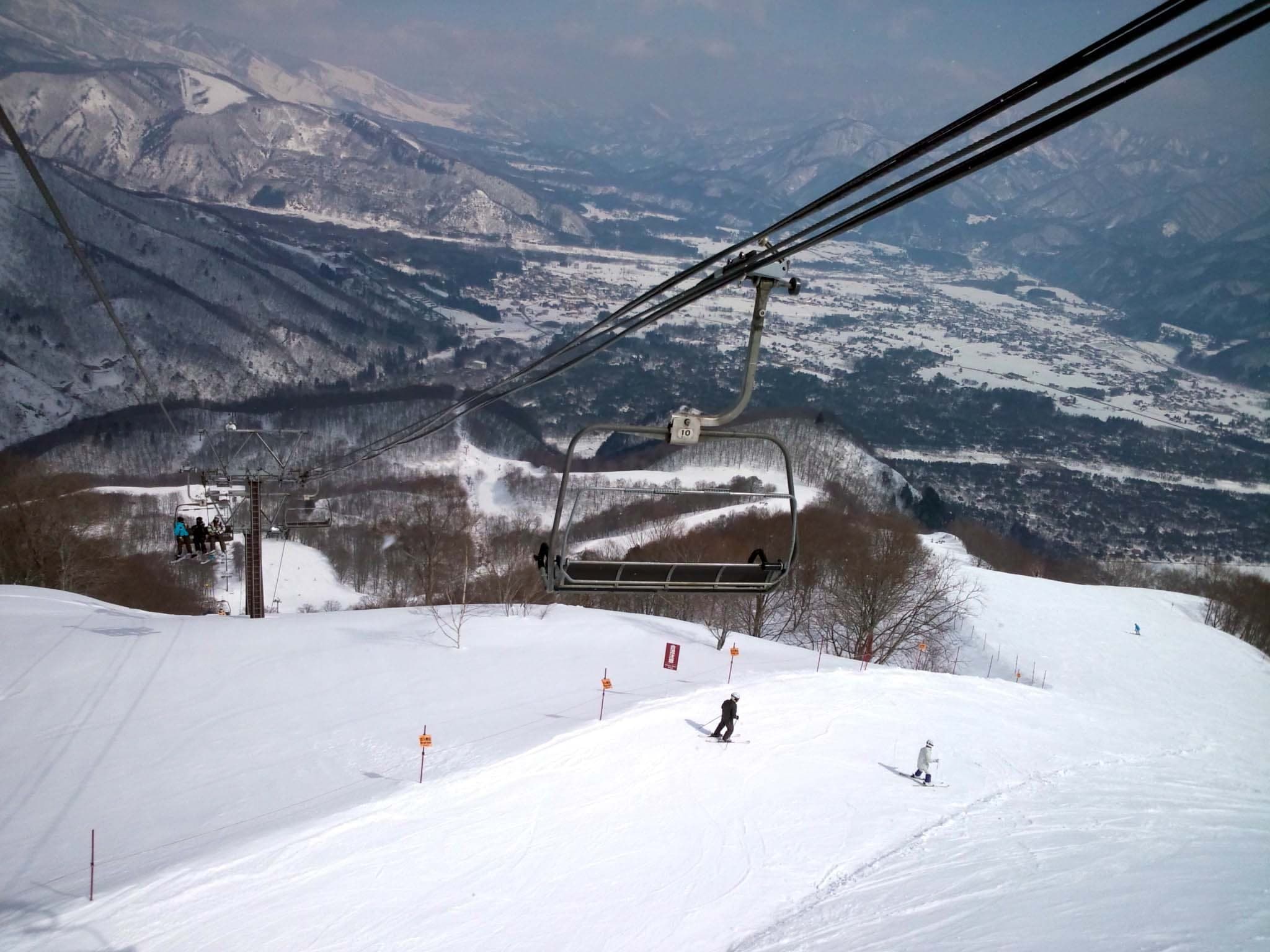
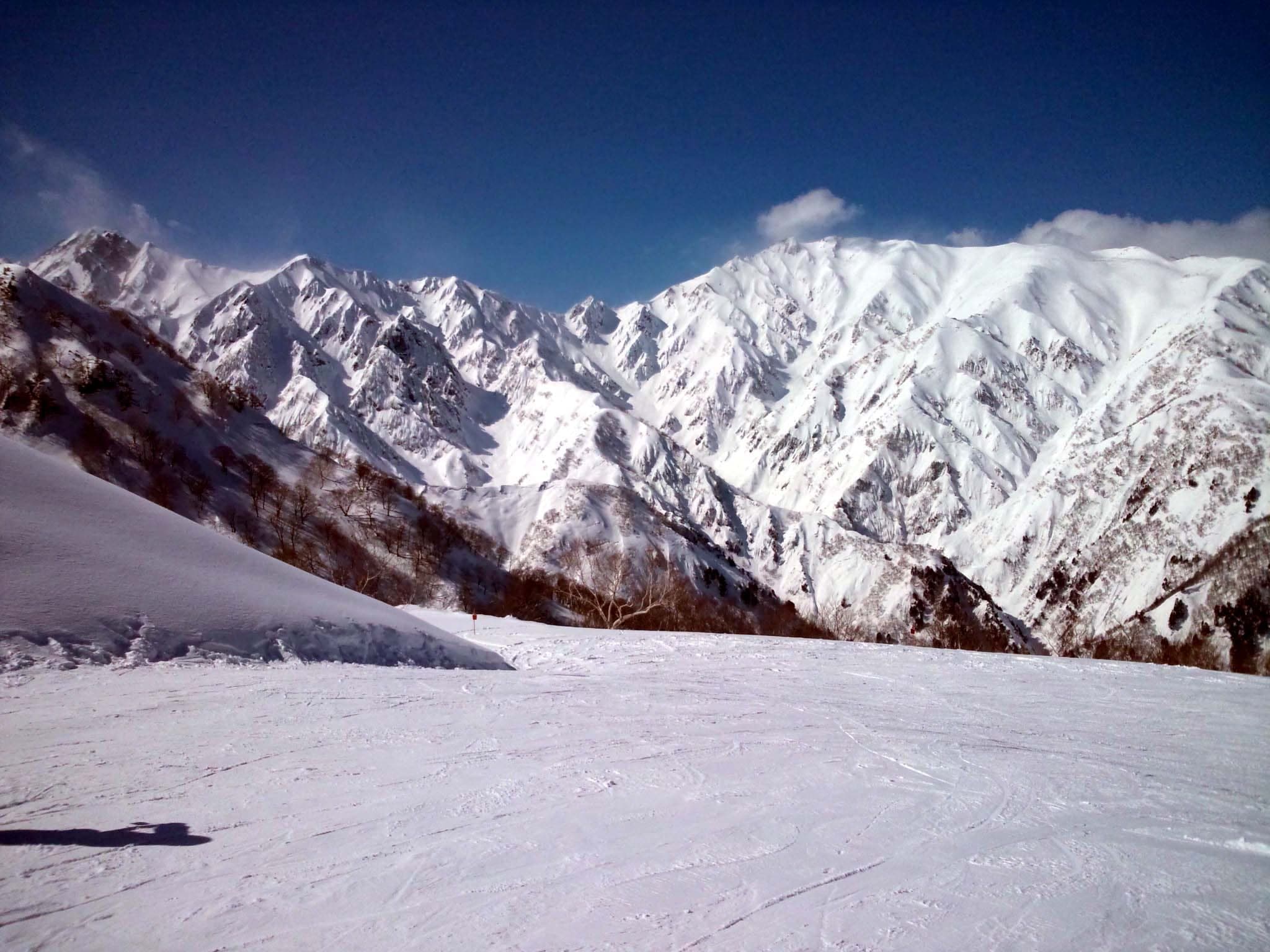
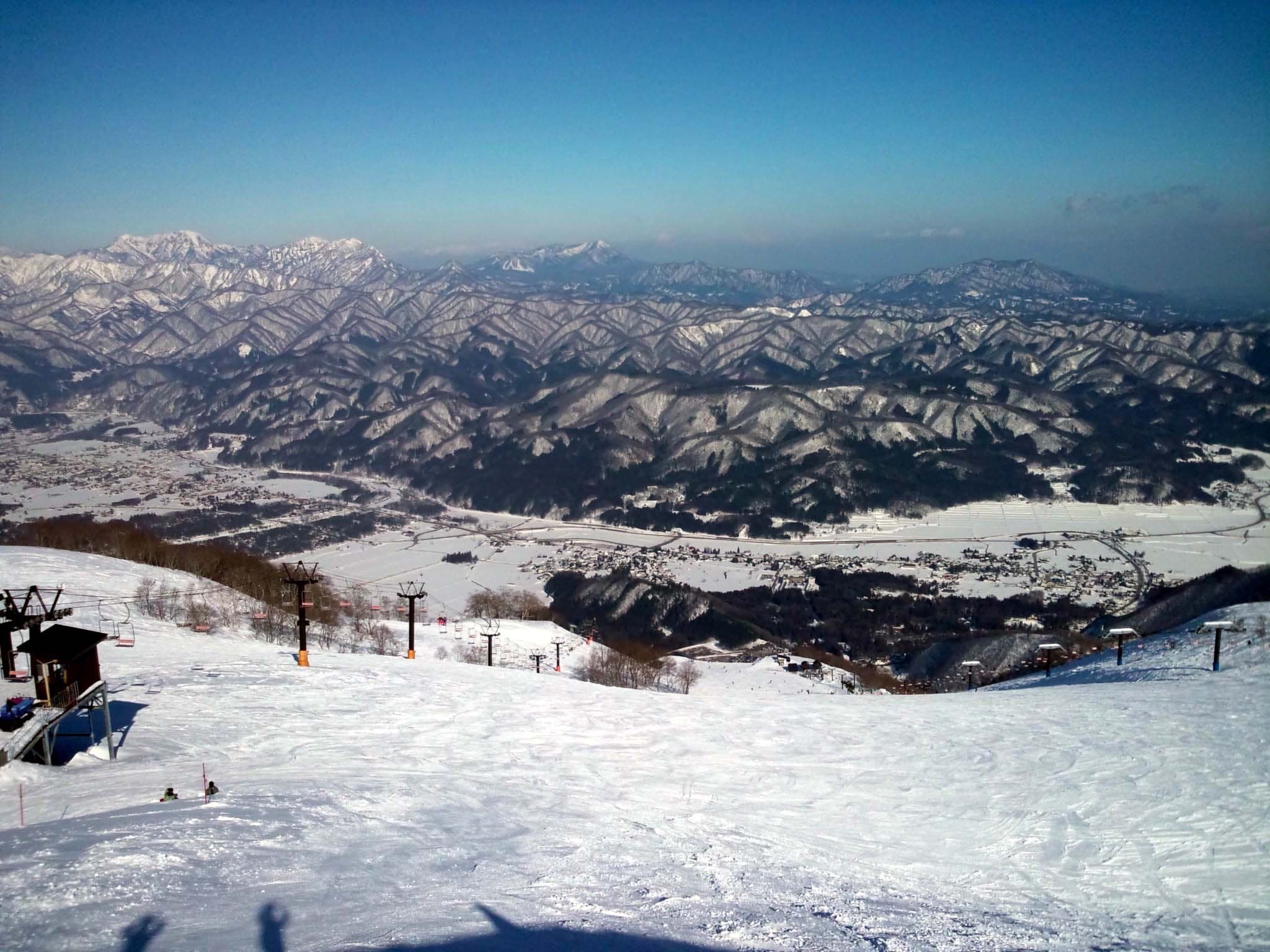
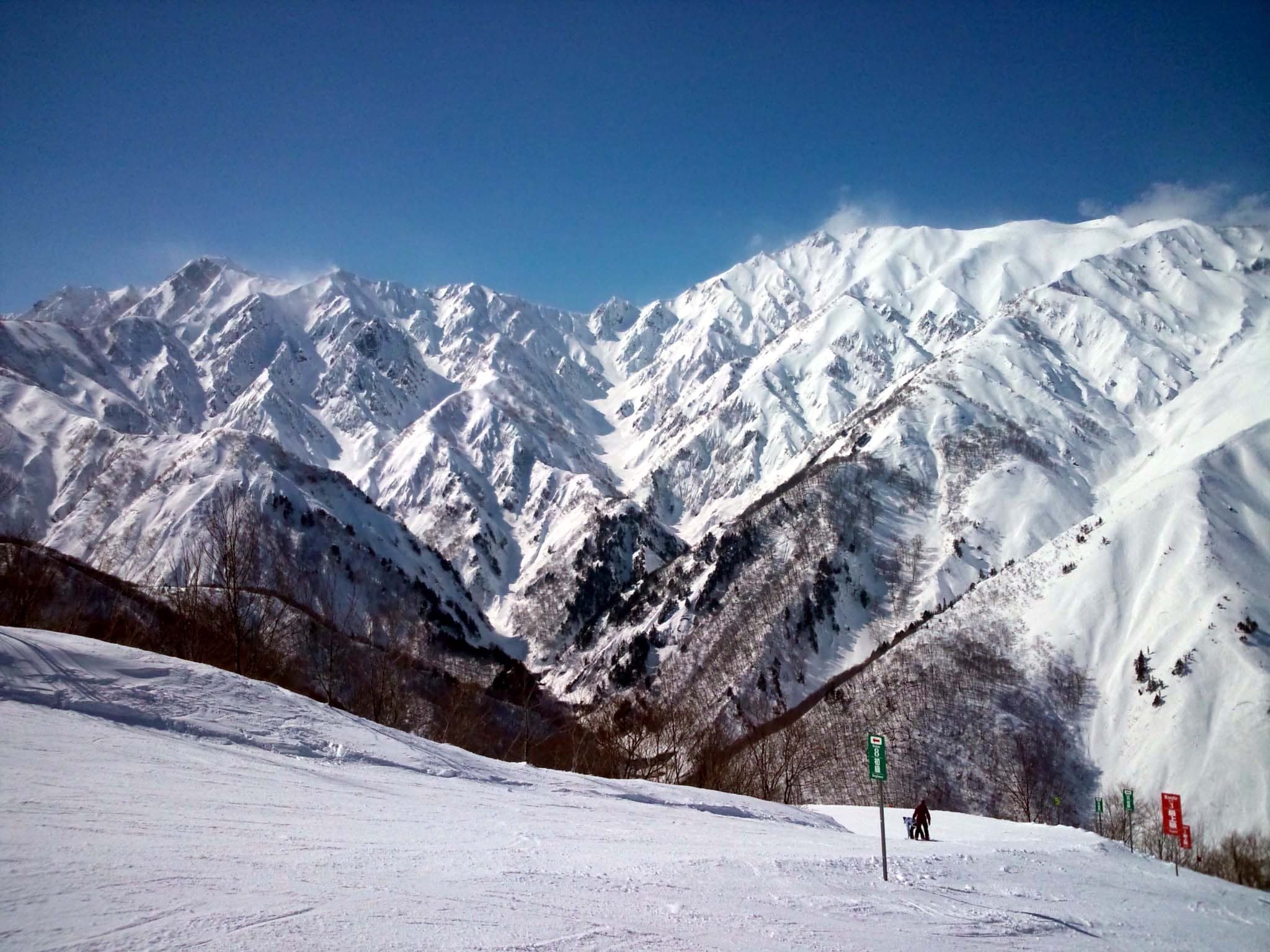
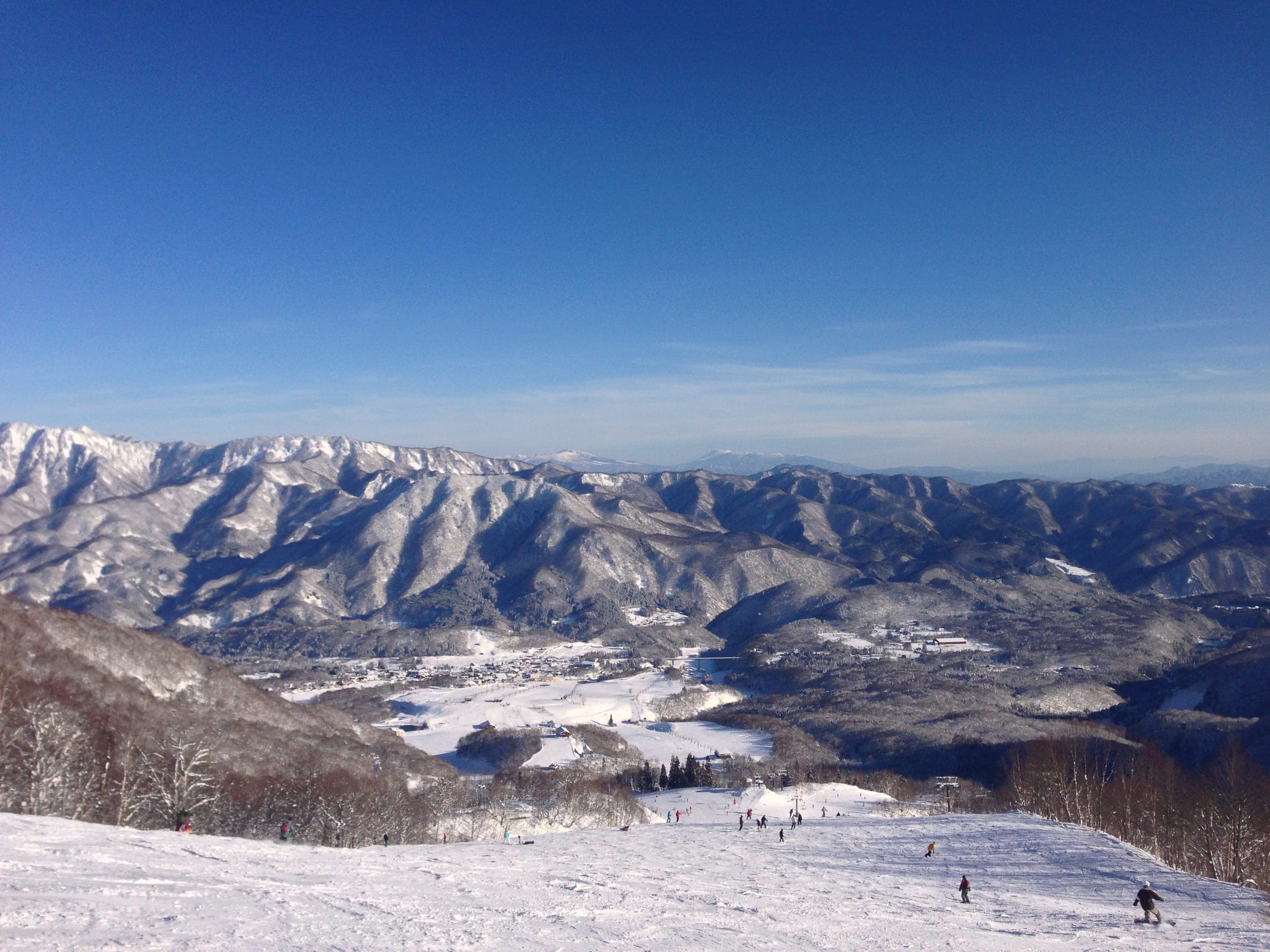
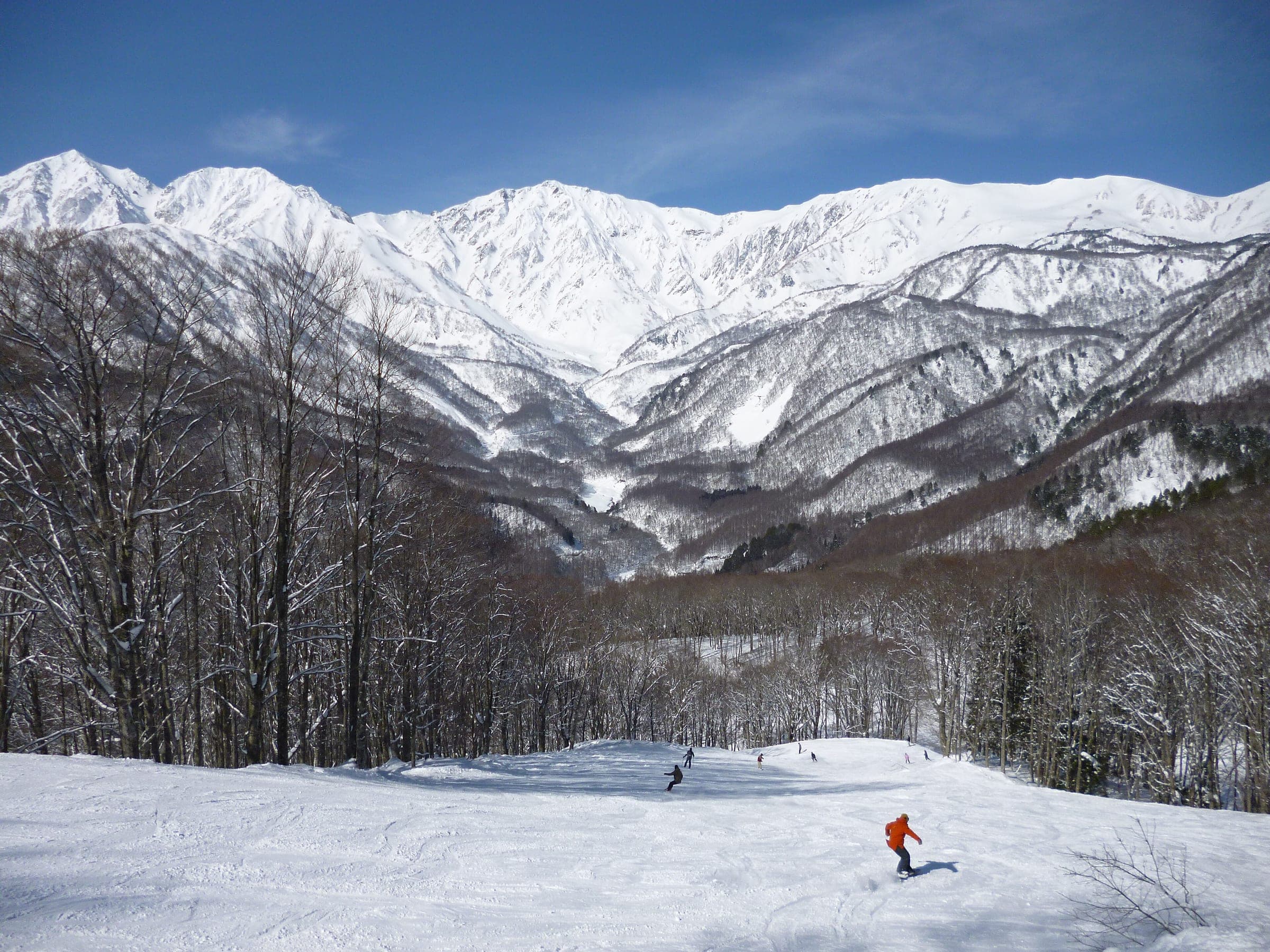
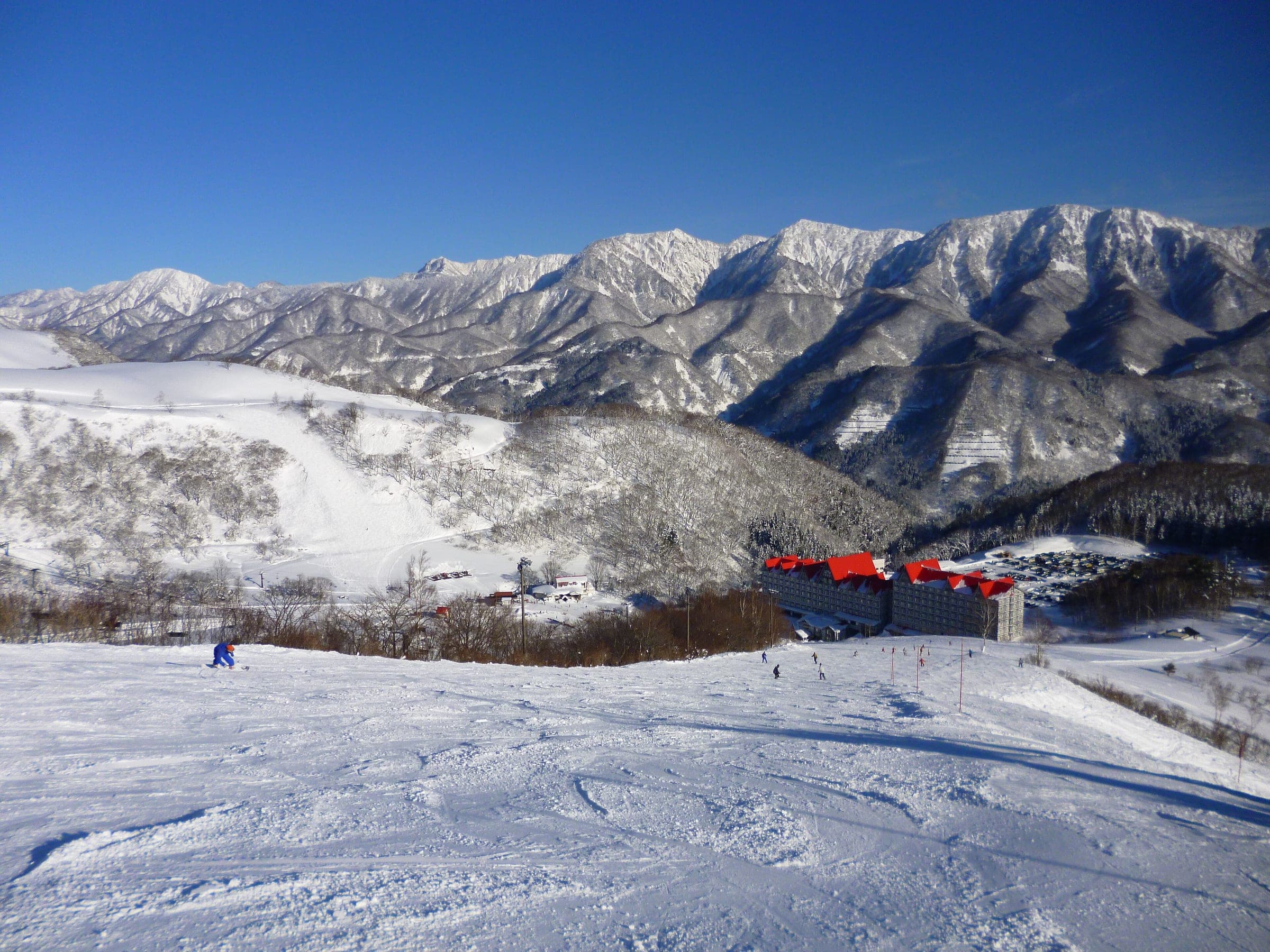
Hakuba has more of it and more height. Its ten resorts carry 91 lifts and 121 runs by their own counts, and Happo-one alone drops 1,071 m from a 1,831 m top on 21 lifts. Goryu and Hakuba47 share one mountain with 926 m of vertical at Goryu, and Tsugaike opens its TSUGA POW area of ungroomed powder inside the boundary to riders who watch its lecture and wear the armband. The resorts sit kilometres apart along the valley, so a day across two of them depends on the shuttle.
Niseko's four resorts connect across the top of one mountain. Ride Hokkaido gives Grand Hirafu 940 m of vertical from a 1,200 m top, with 22 runs on 9 lifts. Niseko Village adds 890 m and 29 runs, Annupuri 756 m and 13 runs, and Hanazono 724 m and 12 runs, by Ride Hokkaido's figures on its Village, Annupuri and Hanazono pages. Niseko's top lift station sits more than 600 m below Happo-one's.
How do the lift tickets and passes compare?
Hakuba costs less a day on its shared ticket. The Hakuba Valley All-Mountain Day Pass costs ¥11,100 for an adult in 2026/27 and opens all ten resorts plus the shuttle on the days you use it. Five days cost ¥53,400 within a 10-day window. Night riding needs a separate ticket at whichever resort runs lights that evening.
Niseko United's All Mountain ticket rises to ¥13,500 a day from 24 December 2026 to 28 February 2027 under a new peak tier, according to Ride Hokkaido. In 2025/26 the regular day cost ¥12,000 at the counter or ¥11,400 online, and five days cost ¥58,000. Day tickets at Hirafu stay valid into the night session.
Global passes split the two cleanly. The Epic Pass gives five consecutive days at all ten Hakuba resorts, with no blackout dates in 2026/27. The Ikon Pass gives seven days at Niseko United, and Mountain Collective also works there, per Ride Hokkaido's lift pass guide. Our Ikon and Epic guide covers the rest of each pass in Japan.
Which gets more snow?
Niseko, by the figures each side publishes, and the two are measured differently. Kutchan, the town below the Niseko lifts, averages 12.6 m of snow a season by its own records, which Ride Hokkaido puts at about two and a half times Sapporo's total. JMA's Hakuba station sits at 703 m on the valley floor, and its 1991–2020 normals add up to 651 cm of new snow from November to April by our sum, with 216 cm in January alone. The lifts in both places climb well above the measuring points.
Both valleys get their winter snow from the cold northwesterly flow that JMA describes crossing the Sea of Japan. At Hakuba's station January's mean daily low is −7.2 °C, and the normal snow depth on the valley floor peaks at 97 cm in February.
How do the off-piste rules compare?
Each of Hakuba's five gated resorts sets its own rules, while Niseko's four share the Niseko Rules. In Niseko, patrol decides each morning which numbered gates open. You need a helmet and an avalanche transceiver to go through, and search and rescue is billed from ¥100,000, according to Ride Hokkaido's gates guide.
In Hakuba the designated gates sit at Goryu, Happo-one, Tsugaike, Norikura and Cortina, and leaving the ski area anywhere else is prohibited. Each resort asks for a climbing plan and a beacon, probe and shovel. Goryu publishes hourly rescue rates of ¥20,000 per patroller, ¥10,000 per assistant, ¥50,000 per grooming machine and ¥10,000 per snowmobile, and the others bill the person rescued. Read the Japan Avalanche Network's Hakuba bulletin each morning. Our gates and rescue guide sets out every resort's rules.
Which is more crowded?
Both get crowded in midwinter. Ride Hokkaido's snow season guide cites Niseko Village putting its gondola queue at about 20 minutes between Christmas and late January and again around Lunar New Year, which falls on 6 February 2027, and its Hirafu page warns that the good dinner tables go weeks ahead in peak weeks.
Hakuba's busy months are January and February, and the queues bunch at Happo-one's gondola on powder mornings, and Goryu gets busy too. The valley ticket and the shuttle make it easy to spread out. Hakuba Norikura and Cortina in Otari share their own cheaper ticket and hold deep snow on a storm day. Iwatake sits in the village with a short gondola ride to its top, and Sanosaka runs quiet slopes above Lake Aoki to the south. Shuttle buses fill after snowfall and on the last runs of the afternoon, and a full bus doesn't stop.
Who should choose which?
Choose Hakuba if you're coming from Tokyo without a flight and like the idea of a different resort each day on one ticket. Epic Pass holders get their five days here. Its drawback is wind on the high ridge, which can shut Happo-one's upper lifts and push the day down the valley.
Niseko suits riders who want to cross four resorts without boarding a bus and finish under lights most evenings, and Ikon Pass holders get seven days there. Expect to pay more for the peak-season ticket and to book dinner before you land. Ride Hokkaido's Niseko United page and our Hokkaido overview are the places to start.
Quick answers
Is Hakuba or Niseko cheaper for lift tickets?
Hakuba is cheaper. The Hakuba Valley adult day costs ¥11,100 for 2026/27 across ten resorts, and Niseko United's All Mountain day costs ¥13,500 in its peak season from 24 December 2026 to 28 February 2027, according to Ride Hokkaido.
Does Niseko get more snow than Hakuba?
Niseko gets more by the published figures. Kutchan below Niseko averages 12.6 m a season by the town's records, and JMA's normals at Hakuba's valley station add up to 651 cm, measured differently.
How long does it take to get from Tokyo to Hakuba?
Tokyo to Hakuba takes about 2 hours 50 minutes at best, by the Hokuriku Shinkansen to Nagano in 77 minutes and Alpico's express bus to Happo in 70 minutes. The two fares came to ¥11,350 one way at October 2026 prices.
Which pass works at Hakuba and which at Niseko?
The Epic Pass works at Hakuba, with five consecutive days at all ten resorts for 2026/27. The Ikon Pass works at Niseko United with seven days, and Mountain Collective also covers Niseko.
Is there night skiing in Hakuba and Niseko?
Yes. All four Niseko United resorts run night riding, with Hirafu open 16:00–19:00 nightly in 2025/26. In Hakuba, Goryu ran night riding from 18:00 to 21:30 in 2025/26 on a separate ticket.
We write from operators’ and agencies’ own pages, open map data and published research, and we date every fact we check. How we research.
Sources (19)
- https://www.hakubavalley.com/en/
- https://www.hakubavalley.com/en/ticket_en/
- https://www.hakubavalley.com/en/access_en/shuttlebus_en/
- https://www.hakubavalley.com/en/about_hakubavalley_en/epicpass_en/
- https://www.happo-one.jp/en/gelande/
- https://www.hakubaescal.com/winter-en/gelande/patrol/
- https://www.hakubaescal.com/winter-en/gelande/nighter/
- https://www.alpico.co.jp/traffic/express/nagano_hakuba/
- https://www.data.jma.go.jp/stats/etrn/view/nml_amd_ym.php?prec_no=48&block_no=0396&year=&month=&day=&view=
- https://ridehokkaido.com/resort-groups/niseko-united
- https://ridehokkaido.com/resorts/niseko-grand-hirafu
- https://ridehokkaido.com/resorts/niseko-village
- https://ridehokkaido.com/resorts/niseko-annupuri
- https://ridehokkaido.com/resorts/niseko-hanazono
- https://ridehokkaido.com/towns/kutchan
- https://ridehokkaido.com/towns/hirafu
- https://ridehokkaido.com/guides/snow-season
- https://ridehokkaido.com/guides/gates-and-rules
- https://ridehokkaido.com/guides/lift-passes
Places in this piece関連
Read next案内
Practical guide · 7 min read
Is the Ikon Pass or the Epic Pass better for skiing in Japan?
Ikon gives seven days at each of ten Japanese mountains for 2026/27, eight of them on Honshu. Epic gives five back-to-back days across Hakuba's ten resorts, plus Rusutsu in Hokkaido.
Practical guide · 10 min read
How do backcountry gates and rescue costs work at Japan's ski resorts?
Japanese resorts let riders out only through designated gates once a climbing plan is filed, and every resort here that publishes a rescue rule bills the rider. Zao bans riding off its courses altogether.
Practical guide · 8 min read
How much does a ski trip to Japan cost?
One adult sharing a room spends about ¥90,000 on a budget week in Yuzawa and from about ¥178,000 for a mid-range week in Hakuba, before flights and rental. A ryokan-hotel week in Myoko runs to about ¥286,000.