Snow feature · 9 min read
Should you stay in Nozawa Onsen instead of Hakuba?
Nozawa suits riders who want to walk from the inn to the lifts in the morning and to a free village bath at night, on one big mountain at ¥7,800 a day. Hakuba suits anyone who wants ten resorts on one ticket and Epic Pass days.
By Adam BognarPublished
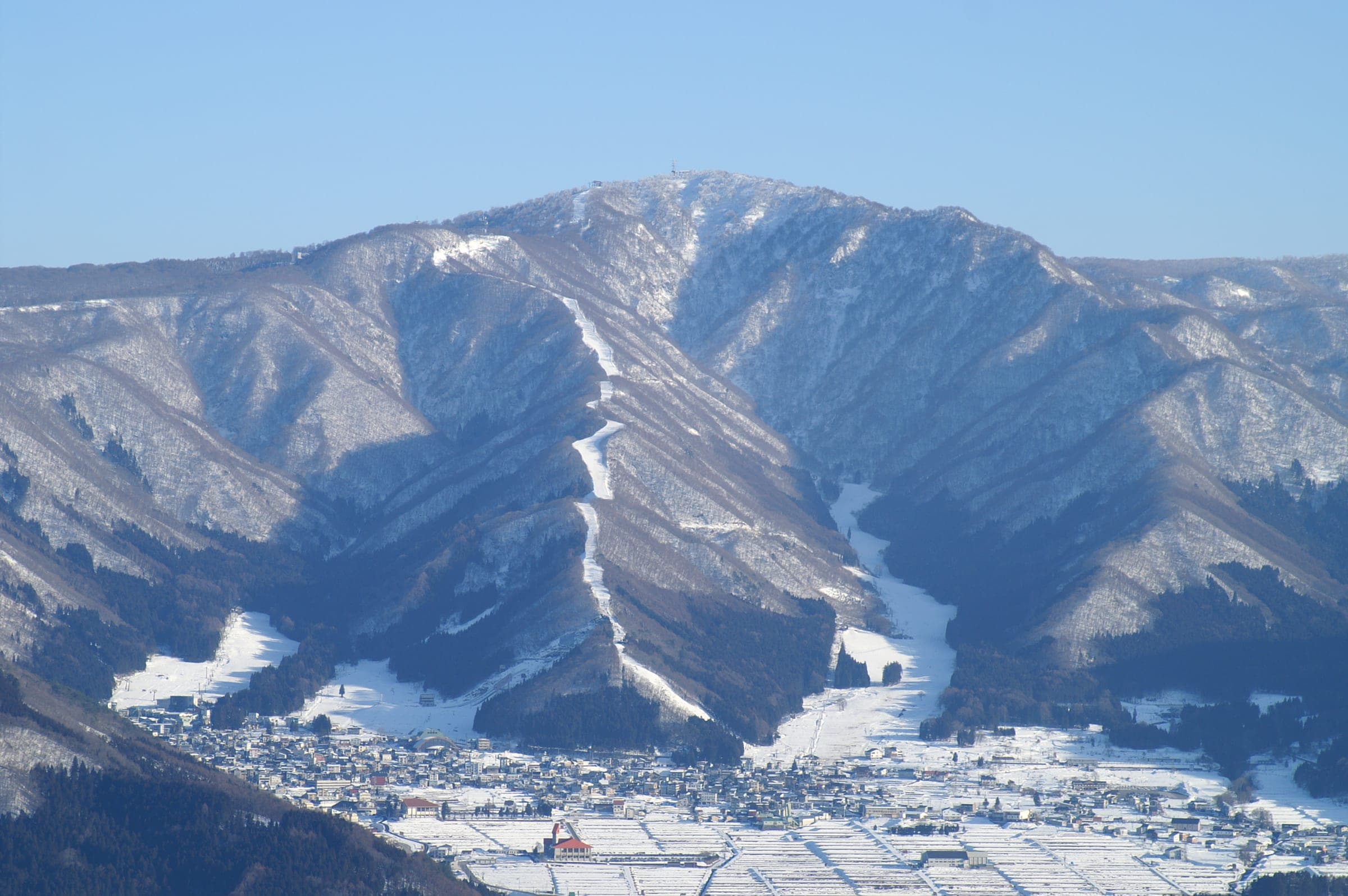
Stay in Nozawa Onsen if you want to walk from your inn to the lifts in the morning and to a free public bath at night. The ski area starts at the top of the village street, and a day ticket costs ¥7,800 for 2026/27. JMA's gauge beside the village also records far more snow than Hakuba's. Hakuba makes more sense for riders who want ten resorts on one ticket or five Epic Pass days, and for anyone who would trade the walkable village for a bigger après scene.
We set Nozawa's village, mountain and festival pages against our Hakuba pages, all checked on 11 October 2026. The snow figures are our sums of JMA's 1991–2020 monthly normals at each valley station, and Nozawa's vertical is our subtraction of the resort's base height from its summit, since the resort publishes no vertical figure.
How do Nozawa Onsen and Hakuba compare?
| Nozawa Onsen | Hakuba | |
|---|---|---|
| From Tokyo | Hakutaka to Iiyama in 98 min (¥8,890, 2026), then the Nozawa Onsen Liner in about 25 min (¥600, 2026) | Kagayaki to Nagano in 77 min (¥8,450, 2026), then Alpico's bus to Happo in 70 min (¥2,900) |
| Lifts on one ticket | 16, with two gondolas, over 297 ha | 91 across ten resorts on the valley ticket (our sum of each resort's counts) |
| Biggest vertical | 1,087 m by our subtraction, from Mt. Kenashi's 1,650 m to the Karasawa base at 563 m | 1,071 m at Happo-one, from a 1,831 m top |
| Adult day, 2026/27 | ¥7,800 (published) | ¥11,100 on the valley ticket (published) |
| Global pass | Neither Ikon nor Epic | Epic: five consecutive days |
| New snow, November to April | 1,092 cm at JMA's station at 576 m | 651 cm at JMA's station at 703 m |
| Night riding | Nagasaka quad, 17:00–20:00 on set dates, ¥2,850 | Goryu ran 18:00–21:30 in 2025/26 on a separate ticket |
| Getting around | On foot, with a free village shuttle to the lift bases | Free valley shuttles between lodges and resorts kilometres apart |
| Main drawback | Steep, icy lanes and a full village from late December to mid-February | You live by the shuttle timetable |
Both snow figures come from JMA's valley stations measured the same way, and the lifts in both places climb well above them. Nozawa's station sits 127 m lower than Hakuba's and still records 366 cm of new snow in a normal January, against 216 cm at Hakuba.

How do Nozawa's soto-yu work?
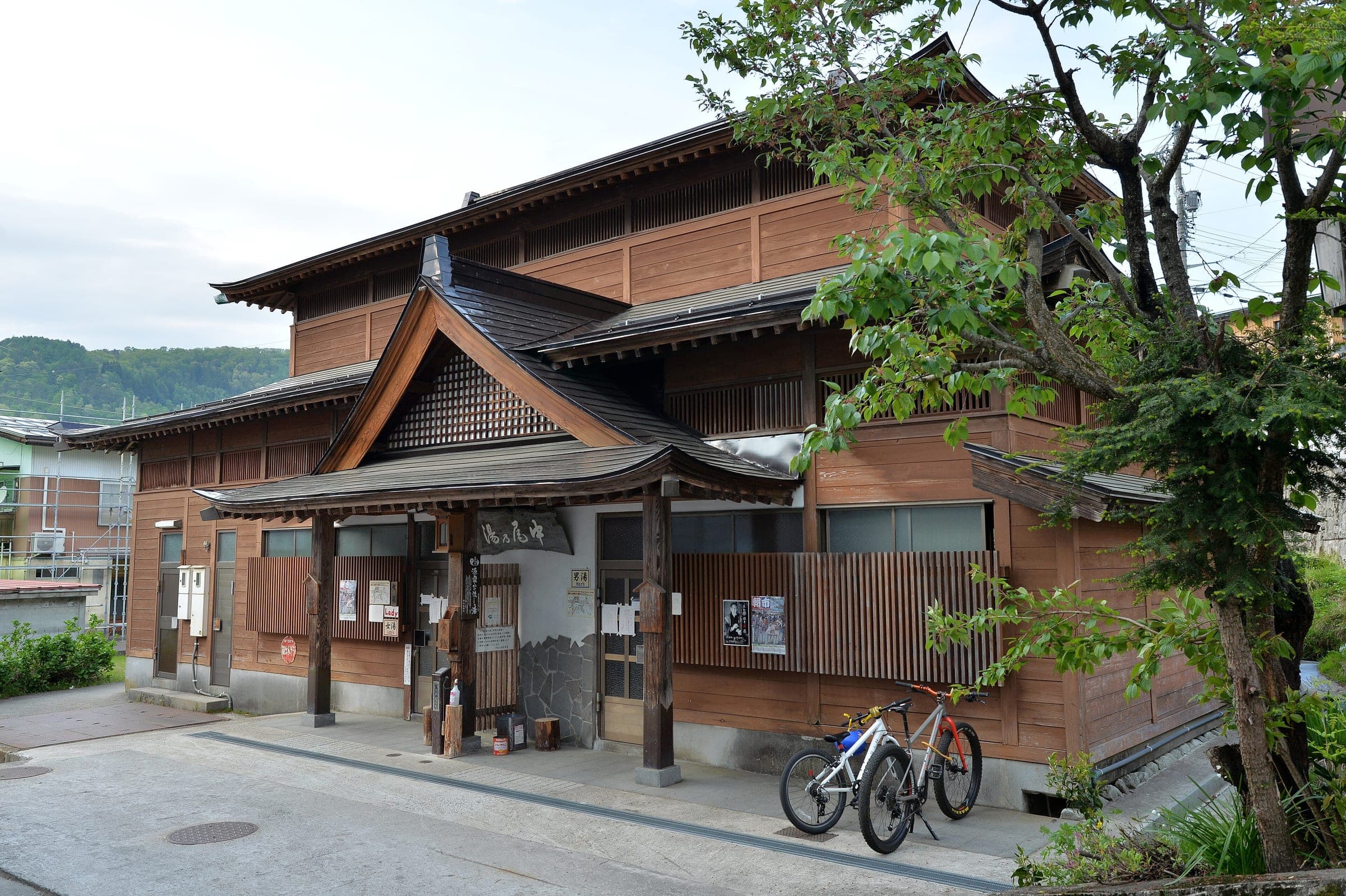
Walk in and wash, then soak for nothing. Residents look after Nozawa's 13 soto-yu and bathe in them every day. Each bathhouse belongs to its yunakama, which is the group of neighbours who clean it and keep it running under a system that dates from the Edo period. Nobody takes money at the door, though every bath has a donation box, and the tourism bureau asks visitors for a few coins toward upkeep.
The water comes straight from the springs and overflows all day, so the tubs run between 45 and 49 °C by the resort's English guide. Pour water over yourself for a minute before you step in. If a tub is too hot, ask the people already in it before you run the cold tap, and turn it off once the water is bearable. Bring your own towel and soap, since the baths supply neither. Most of them open from 6:00 to 23:00 between December and March.
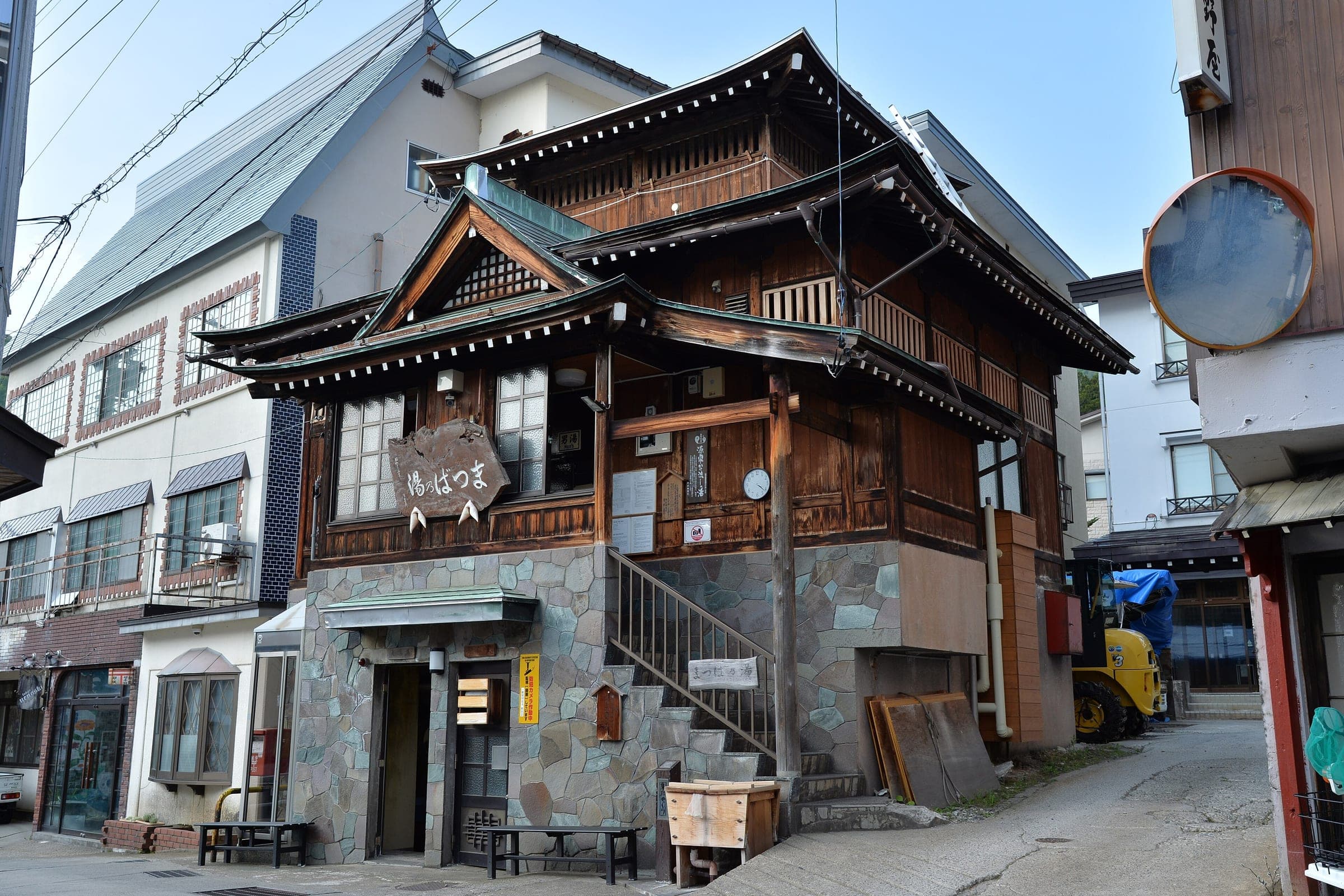
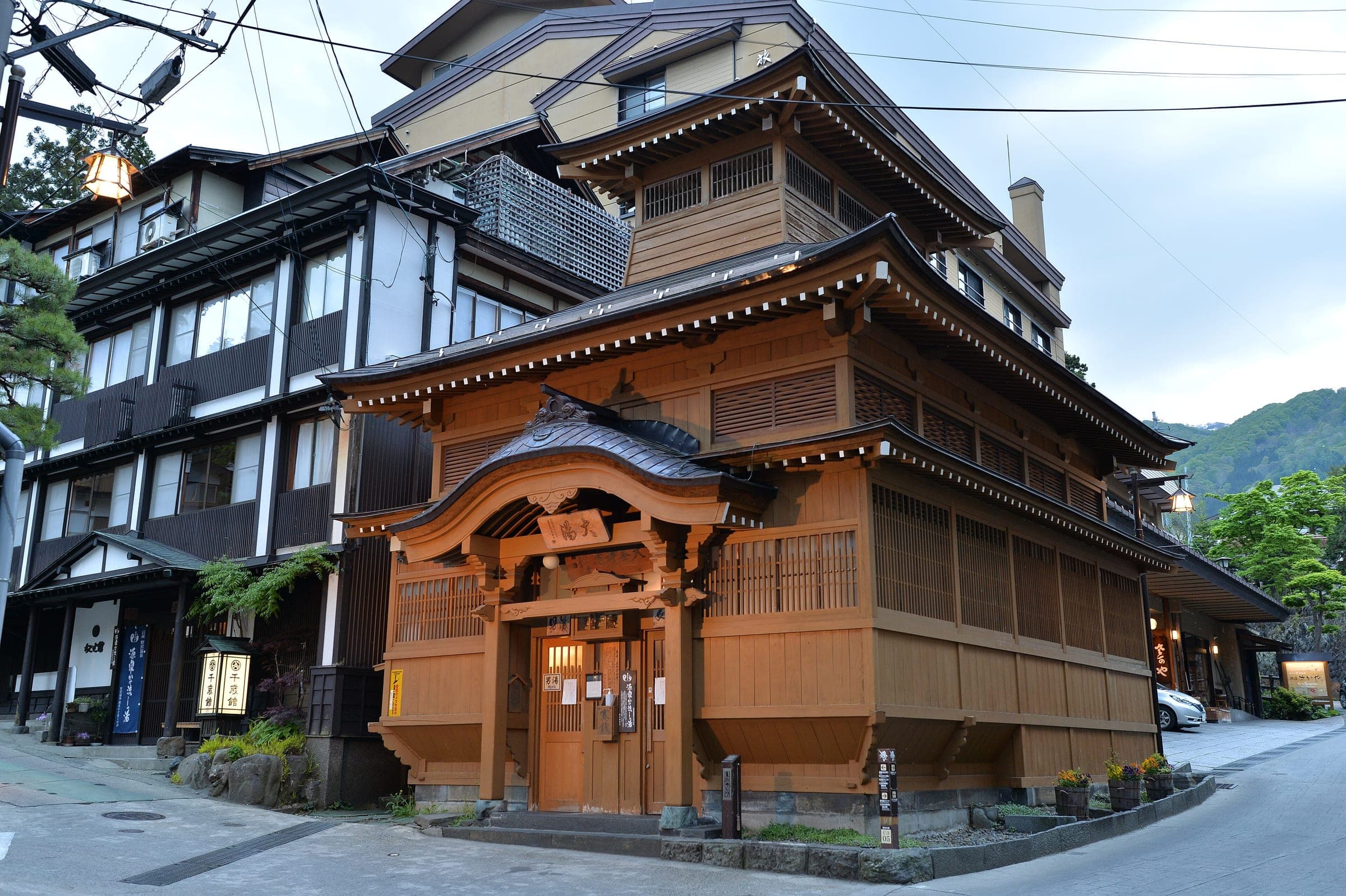
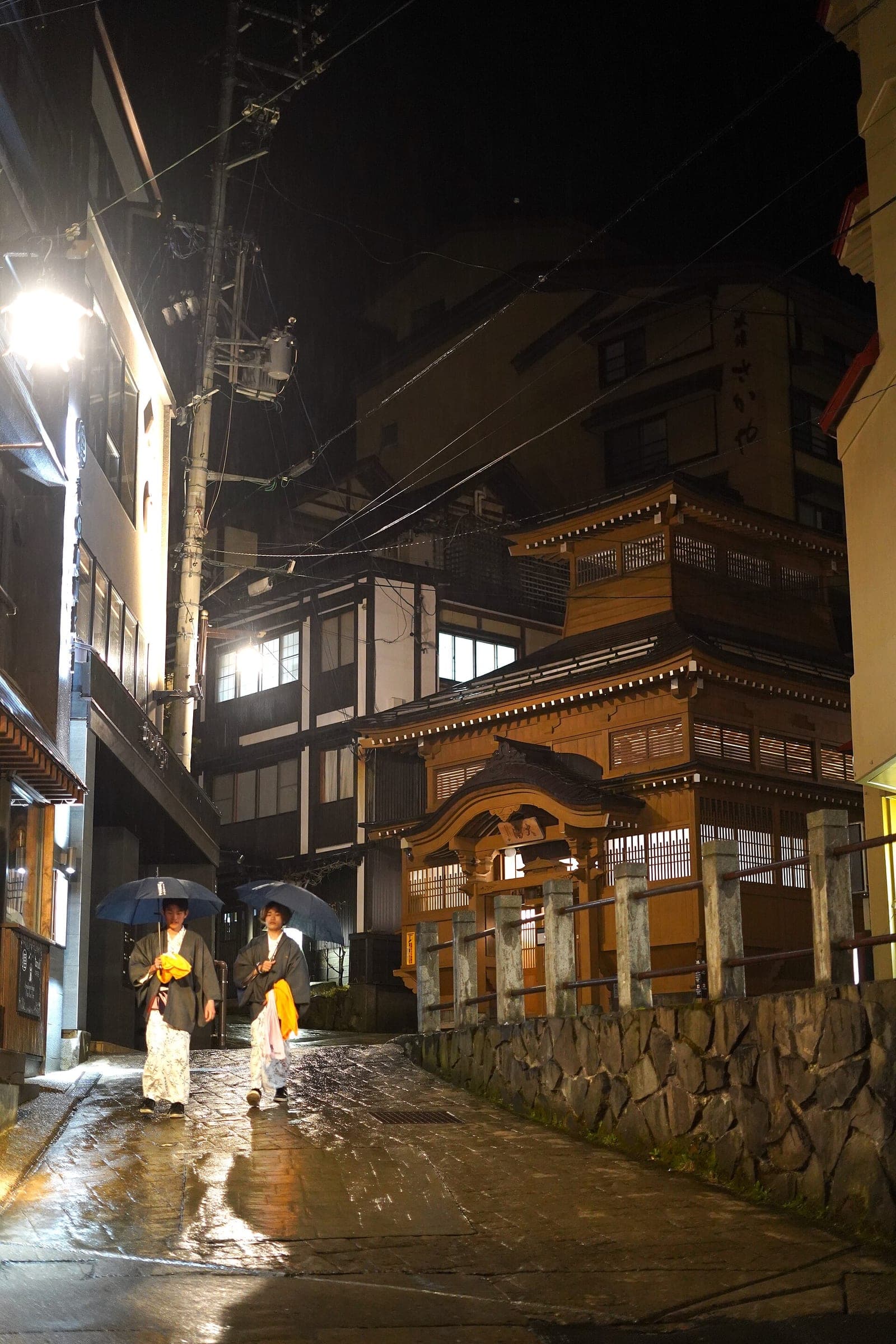
Start at Oyu in the middle of the village. Its wooden bathhouse keeps an Edo-period form, and its own source leaves the ground at 66 °C into a hot tub and a cooler one. Kumanotearayu has the gentlest water in the village, and four of the baths keep a pot of spring water by the door where an onsen egg cooks in about 20 minutes. The 90 °C source called Ogama belongs to the villagers, so look from the edge and stay out. Neither the tourism bureau nor the resort publishes a tattoo rule for the soto-yu, and our onsen etiquette guide covers what to do.
What happens at the Fire Festival on 15 January?
The village holds the Dosojin Fire Festival on 15 January every year, so the 2027 festival falls on a Friday. Japan lists it as a national Important Intangible Folk Cultural Property, and its organisers at the neighbourhood association Nozawa-gumi describe it as a religious festival for the village. It belongs to the village men in their yakudoshi, or unlucky years.
The work starts the autumn before, when the men of 25 and 42 cut a beech of about 20 metres in mid-October. On 13 January the trunks come down through the hot-spring streets as houses along the way offer sake, and the men build a wooden shrine by hand without nails or wire from the morning of the 14th until noon on the 15th. That night the 42-year-olds sit on top of it and the 25-year-olds guard its base with pine branches while the rest of the village rushes it with torches. In 2026 the first lighting came at about 20:30 and the attack ran from 20:50 until about 22:00. The shrine burns through the night with the lanterns families raise for a first-born son.
Visitors watch, and only villagers light the fire. In 2026 entry tickets went only to residents and to guests staying in Nozawa Onsen through their lodging, so book a room in the village and ask for a ticket when you do. Drinks stay outside the ground, alcohol included, and flying a drone near the site breaks Japanese law. Every road in the village is a no-parking zone that night. On the morning of the 16th, people grill mochi in the embers, which the village says keeps colds away for the year.

What are the runs from the village like?
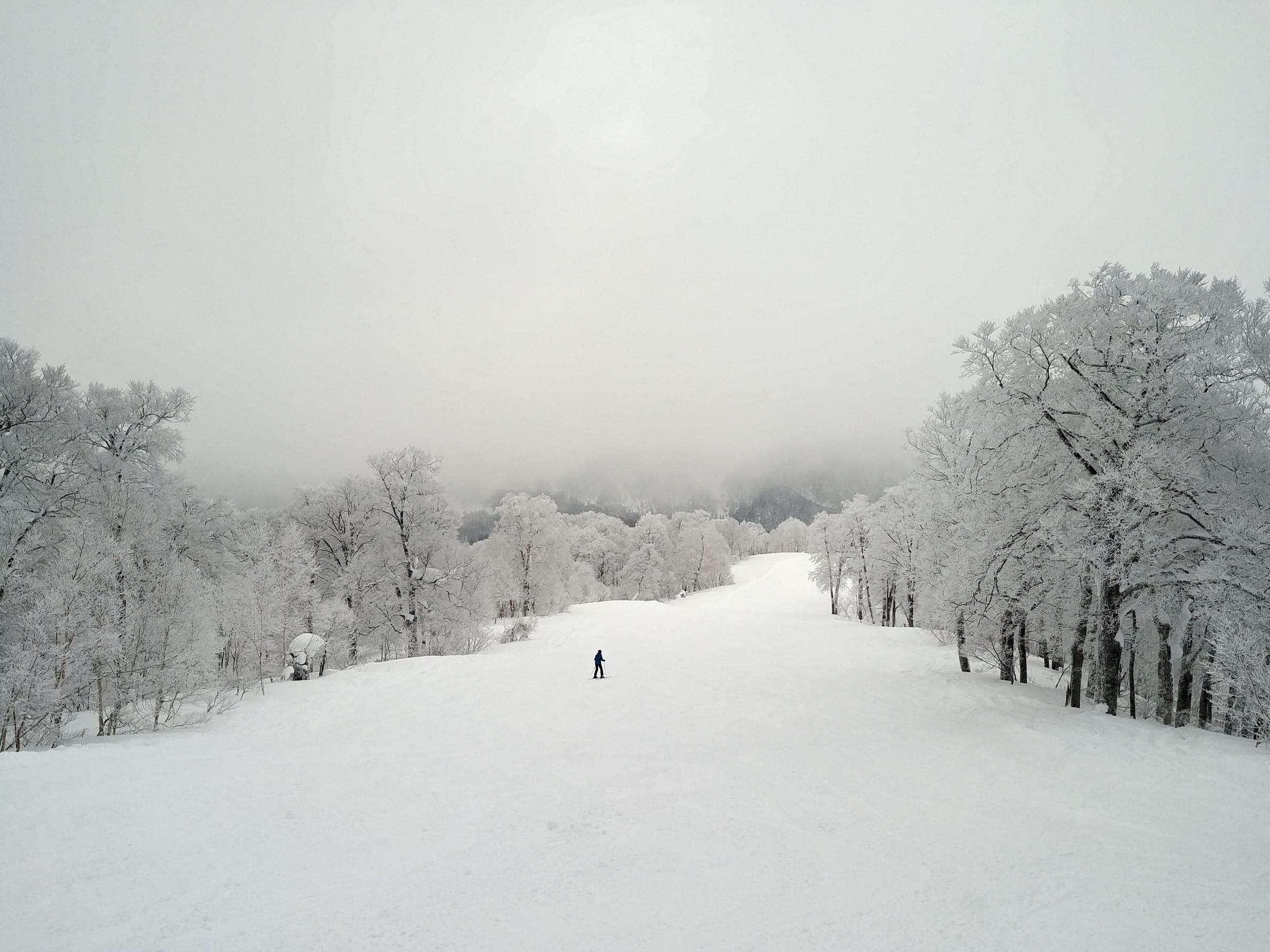
The mountain is big and varied, and the best snow sits at the top. The Yu Road moving walkway carries you from the top of the village to the Hikage base, and the Nozawa Onsen lifts climb from there and from the Nagasaka gondola base toward Mt. Kenashi. The Uenotaira plateau in the middle holds the snow park and the halfpipe. Up in Yamabiko, the A to E courses mix groomers with ungroomed sections and open trees between them, and all of them funnel back to the same lift.
Lower down, Schneider gives one of the fastest ways off the mountain and turns steep and ungroomed halfway. Challenge 39 drops off the top of Schneider as the steepest run in Nozawa. It is short, and it stays sheltered from sun and wind. Ride Schneider and Utopia A early, because the afternoon sun softens and chops them. The south-facing Hachiman and Mukobayashi runs at the bottom of Skyline want a morning visit too.
Tickets run from ¥7,800 for a day to ¥21,200 for three consecutive days in 2026/27, and the downhill gondola ride is free. The season runs from 28 November 2026 to 5 May 2027, snow permitting. Night riding needs its own ¥2,850 ticket and runs only on set dates. For a whole winter in northern Nagano, the NAGANO7 Powder Dream Pass covers Nozawa with six other resorts from ¥140,000 bought online in October 2026.
The map
The map marks every place this piece visits.
Contours come from Copernicus DEM, and the coast and water from OpenStreetMap.
What do the backcountry gates ask?
Nozawa opens the backcountry through two gates at the top of Yamabiko, beside the Yamabiko No. 4 lift's summit station, and nowhere else. Close the gate behind you, and never duck the ropes. Patrol doesn't rescue beyond the gates, and the ski area rules make anyone rescued from outside pay the cost. You may not come back into the ski area after operating hours either. Three riders died in the backcountry here in 2023.
Drop a mountain entry report at a patrol station or the Nagasaka information centre, and read the Japan Avalanche Network's bulletin at data.nadare.jp before you go out. The Nozawa Onsen Ski School guides private groups beyond the gates from 15 January to 15 March, at ¥120,000 for a seven-hour day for four with the beacon pack included and the lift ticket on top.

Where do you eat and sleep?
Book everything early for January and February, when the village fills. Sobadokoro Daimon makes its soba with Nozawa's spring water in a 20-seat room that takes no bookings, open 11:30 to 15:00 and 17:30 to 21:00. Izakaya Tsukushinbo sits in the basement of the Tokiwaya ryokan next to Oyu and serves salt-grilled iwana trout and Sea of Japan sashimi for ¥2,000 to ¥3,000 a head by the Nozawa ski site's undated listing. Hamacho takes sushi bookings only. Vegetarians eat well at the sake-led Aokiya, which Nozawa Hospitality marks as vegetarian-friendly. Order a side of nozawana somewhere along the way. The agriculture ministry traces the pickled turnip green to seed a village priest brought from Kyoto in 1756.
For a room, the same family has run Kiriya Ryokan for five generations. It sits three minutes' walk from the Yu Road and runs its baths on its own untreated spring. Ryokan Sakaya on the main onsen street has passed through 18 generations, and its winter stays need three nights or more, paid in full online. Nozawa Grand Hotel at the top of the village listed dinner-and-breakfast stays from ¥12,000 an adult in 2025, and eight of its rooms have their own open-air bath. Haus St. Anton fits its rooms with reclaimed timber and sits six minutes on foot from the Yu Road.
How do you get to Nozawa from Tokyo?
The fastest Hakutaka in our sample reaches Iiyama in 98 minutes on the Hokuriku Shinkansen, for ¥8,890 with a regular-season reserved seat in 2026. The Kagayaki doesn't stop there. The Nozawa Onsen Liner leaves stop 4 on the Senkakugawa side of Iiyama Station for the 25-minute run to the village, and adults paid ¥600 in 2026. The operator states plainly that the bus doesn't wait for late trains, so match your Shinkansen to a Liner departure before you book.
Nothing public runs from the JR Iiyama Line stations at Kamisakai or Togari-Nozawaonsen, so come through Iiyama. Alpico and Nagaden run an express bus from Nagano Station in about 1 hour 20 minutes. For winter 2026/27 the village lists a ride-share service from 11 December 2026 to 25 March 2027, running 8:00 to 22:00 around Nozawa and Iiyama Station.
Who should pick Nozawa over Hakuba?
Couples and families on a slow ski week get the most from Nozawa, along with anyone who wants the festival on 15 January. The village is small enough to walk end to end, and a different bath waits each evening. Pack boots or slip-on cleats with real grip, because the lanes are steep and freeze hard at night.
Pick Hakuba when you want a different resort most days on the valley ticket, or when your Epic Pass carries the lift days. Its 91 lifts and Happo-one's 1,071 m make it the bigger ski destination, and the valley has a big English-speaking après scene. Plan around the shuttles, since lodges and lifts sit kilometres apart. Our Hakuba and Niseko guide covers the valley in full.
Quick answers
Are the public baths in Nozawa Onsen free?
Yes. All 13 soto-yu in Nozawa Onsen charge no entry fee, and a donation box at each door collects coins for the residents who keep them. Most open from 6:00 to 23:00 between December and March.
When is the Nozawa Onsen Fire Festival in 2027?
The Nozawa Onsen Dosojin Fire Festival falls on Friday 15 January 2027, by the village's rule that it is held on 15 January every year. The village had not posted its 2027 notice by 11 October 2026.
Can visitors watch the Nozawa fire festival?
Visitors can watch the Nozawa fire festival, and only villagers light the fire. In 2026 entry tickets went only to residents and to guests staying in Nozawa Onsen, through their lodging.
How much is a Nozawa Onsen lift ticket for 2026/27?
A Nozawa Onsen adult day ticket costs ¥7,800 for 2026/27, two days cost ¥14,500 and three days ¥21,200. Nozawa sits on neither the Ikon nor the Epic pass.
Does Nozawa Onsen get more snow than Hakuba?
Nozawa's valley gets more by JMA's normals. Its station at 576 m adds up to 1,092 cm of new snow from November to April by our sum, against 651 cm at Hakuba's station at 703 m.
How do you get from Tokyo to Nozawa Onsen?
The Hakutaka reaches Iiyama in 98 minutes for ¥8,890 in 2026, and the Nozawa Onsen Liner bus takes about 25 minutes from there at ¥600. The bus doesn't wait for late trains.
We write from operators’ and agencies’ own pages, open map data and published research, and we date every fact we check. How we research.
Sources (17)
- https://nozawakanko.jp/hotspring/
- https://nozawakanko.jp/access/
- https://nozawakanko.jp/about/
- https://nozawakanko.jp/event/the-nozawa-onsen-dosojin-festival/
- https://en.nozawaski.com/the-village/onsen/onsen-trail/
- https://en.nozawaski.com/the-mountain/lift-ticket/ticket-prices/
- https://en.nozawaski.com/the-mountain/moutain-info/slopes-lifts/
- https://en.nozawaski.com/the-mountain/moutain-info/to-all-back-country-skiers-and-snowborders/
- https://nozawaonsen.info/nozawa-onsen-liner/
- https://powderdreampass.com/en/
- https://www.mlit.go.jp/tagengo-db/H30-00630.html
- https://www.data.jma.go.jp/stats/etrn/view/nml_amd_ym.php?prec_no=48&block_no=0393&year=&month=&day=&view=
- https://www.data.jma.go.jp/stats/etrn/view/nml_amd_ym.php?prec_no=48&block_no=0396&year=&month=&day=&view=
- https://www.hakubavalley.com/en/ticket_en/
- https://www.alpico.co.jp/traffic/express/nagano_hakuba/
- https://timetables.jreast.co.jp/en/timetable/list0102.html
- https://data.nadare.jp/?locale=en
Places in this piece関連

Read next読む
Practical guide · 8 min read
Should you ski Hakuba or Niseko?
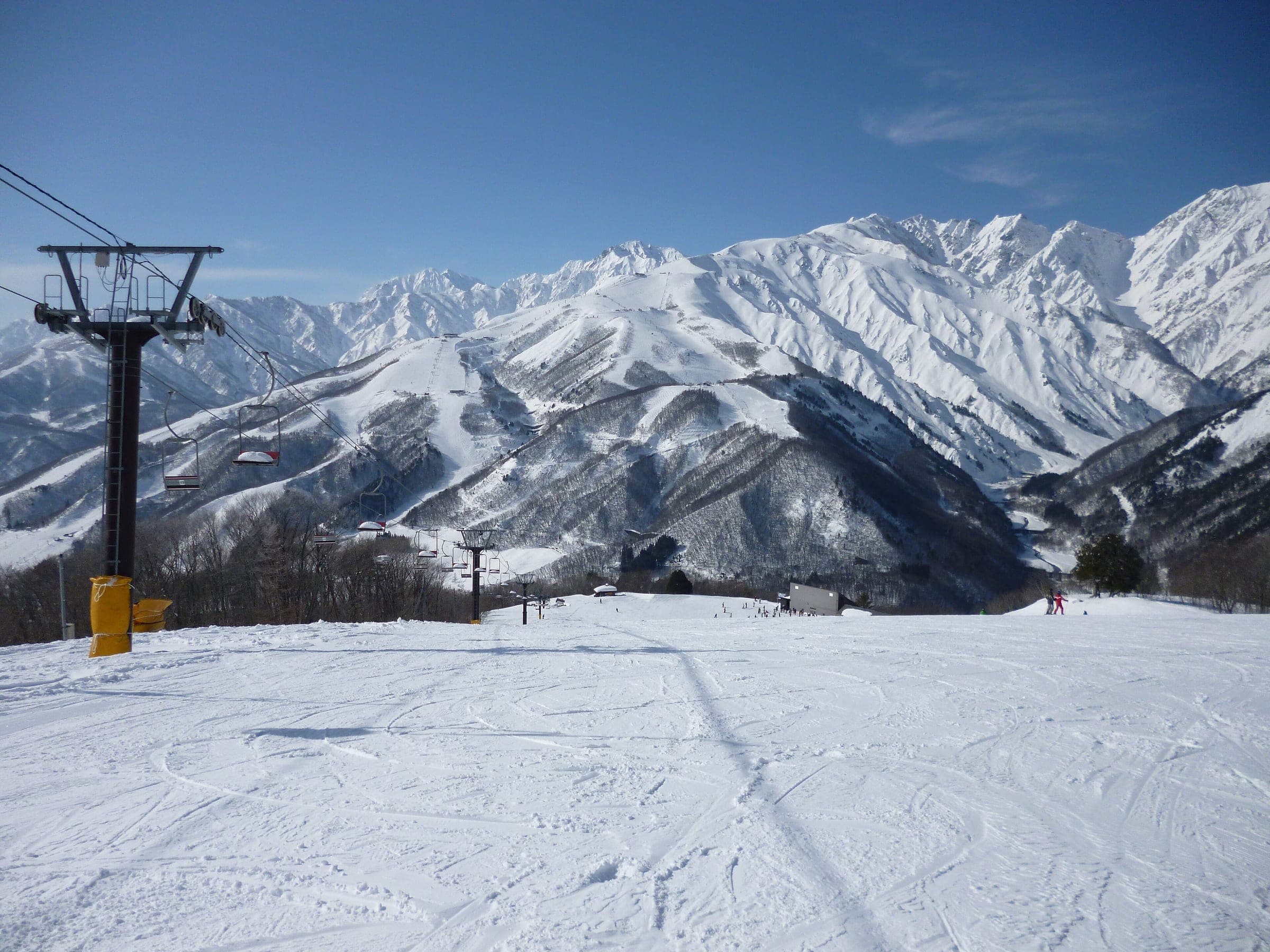
Hakuba suits riders who want big alpine vertical and ten resorts on one ticket, a train ride from Tokyo. Niseko suits riders who want four linked resorts, lift-served gates under one set of rules and lights on every evening.
guide · 10 min read
Can you go in an onsen in Japan with a tattoo?
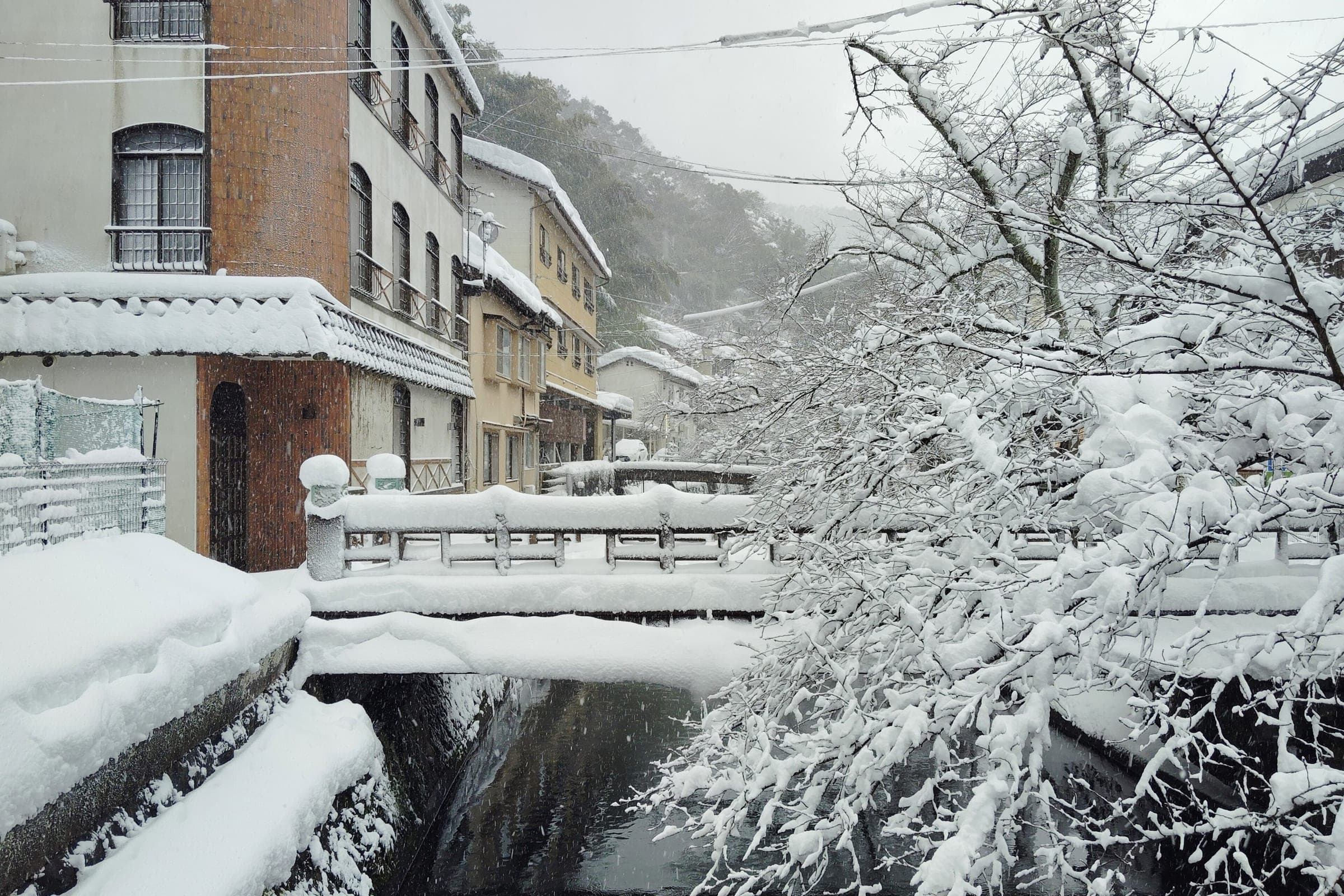
Some of Japan's baths take tattoos, some want them under a cover sticker, and most publish no rule at all. Here is the routine at the taps and in the tub, the baths that say yes, and the ones that say no.
Practical guide · 10 min read
How do backcountry gates and rescue costs work at Japan's ski resorts?
Japanese resorts let riders out only through designated gates once a climbing plan is filed, and every resort here that publishes a rescue rule bills the rider. Zao bans riding off its courses altogether.