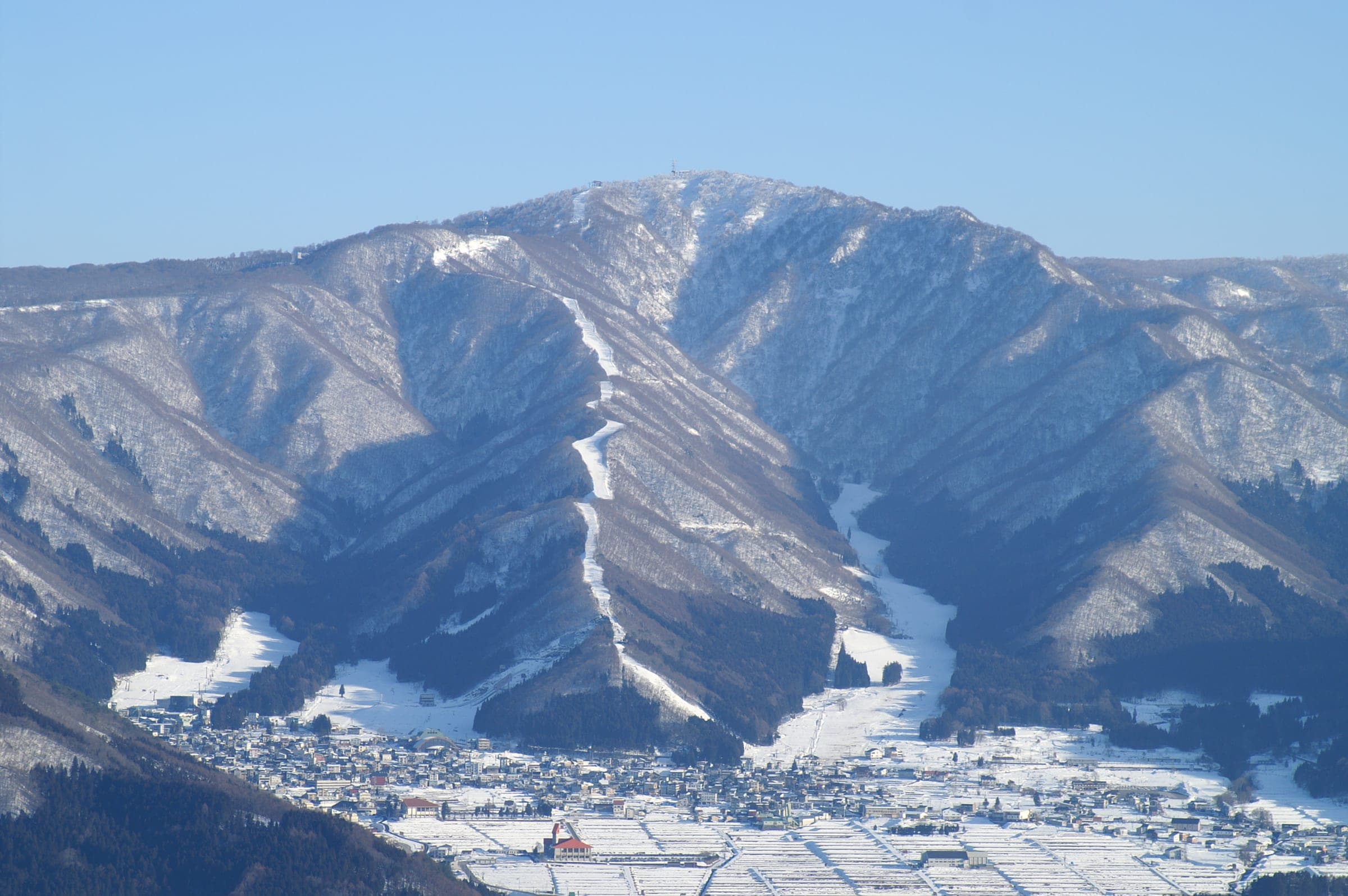
Nozawana
野沢菜IngredientNov to Jan
Nozawana is the leafy turnip green behind Nagano's favourite pickle, and the pickle is at its best around New Year after a month of fermenting.
The name
Nozawana
野沢菜The greens of Nozawa, named for Nozawa Onsen village, where the plant first grew from Kyoto turnip seed.
japanese
The agriculture ministry states the naming as fact and dates the seed's arrival to 1756. It does not name the priest or his temple.
Where to eat Nozawana · 2 places
The agriculture ministry's regional food page traces nozawana to 1756, when a priest from Nozawa Onsen brought Tennoji turnip seed back from Kyoto. In the village's cold air at about 600 metres the turnip never formed a proper root and grew large leaves and stems instead. The new plant spread under the village's name. Farmers sow it in September and it can reach about a metre.
Harvest waits until after the November frosts, which make the leaves sweeter and softer. Families in northern Shinshu then hold o-na-arai, washing each leaf by hand, and the ministry's recipe starts the barrel on or after 23 November. The pickle is ready in two or three weeks and turns a tortoiseshell colour by New Year as lactic fermentation takes hold. Left until spring it goes yellow and sour, and cooks fry the old pickle in oil.
Shops and supermarkets sell nozawana-zuke all year, and the ministry lists it as a filling for onigiri and oyaki. Monogusa in Matsumoto serves it as a small plate with sake, and Ogawa no Sho near Zenko-ji puts it inside oyaki.
Quick answers about Nozawanaよくある質問
Where does nozawana come from?
Nozawana comes from Nozawa Onsen village in northern Nagano. The agriculture ministry says a village priest brought Tennoji turnip seed from Kyoto in 1756, and in the cold climate it grew into a leafy green named after the village.
When is nozawana pickle at its best?
Nozawana pickle is at its best around New Year. Pickling starts in late November after the frosts, and about a month of lactic fermentation turns the greens a tortoiseshell colour.
How do you order Nozawana?
Ask for nozawana-zuke (野沢菜漬) as a side or with sake. Asa-zuke is the mild, fresh pickle of early winter, and furu-zuke is the sour, aged pickle of spring that is often stir-fried.
When is Nozawana in season?
Nozawana: Harvested in November after the frosts. Fresh pickles come from December and peak around New Year; aged pickles turn sour by spring. Sold all year.
Where can you eat Nozawana in Japan?
Places we list for Nozawana include Monogusa, Ogawa no Sho Daimon.
In the journal