Nozawa Onsen Soto-yu
野沢温泉 外湯36°55′ N 138°27′ EPublic bathFree
Nozawa Onsen's thirteen soto-yu are free bathhouses that village families have kept since the Edo period, and they suit anyone who can take very hot water with nothing more than a tub and a tap. Bring your own towel and soap.
Photo 小石川人晃 · Wikimedia Commons · CC BY-SA 4.0 and others, credited in the gallery
Know before you bathe
Wash sitting down before you get in and keep your towel out of the water. If a tub is too hot, ask the people already in it before adding cold water, and turn the tap off once it is bearable. The yunakama groups clean and run each bath, so leave it as tidy as you found it.
Getting there
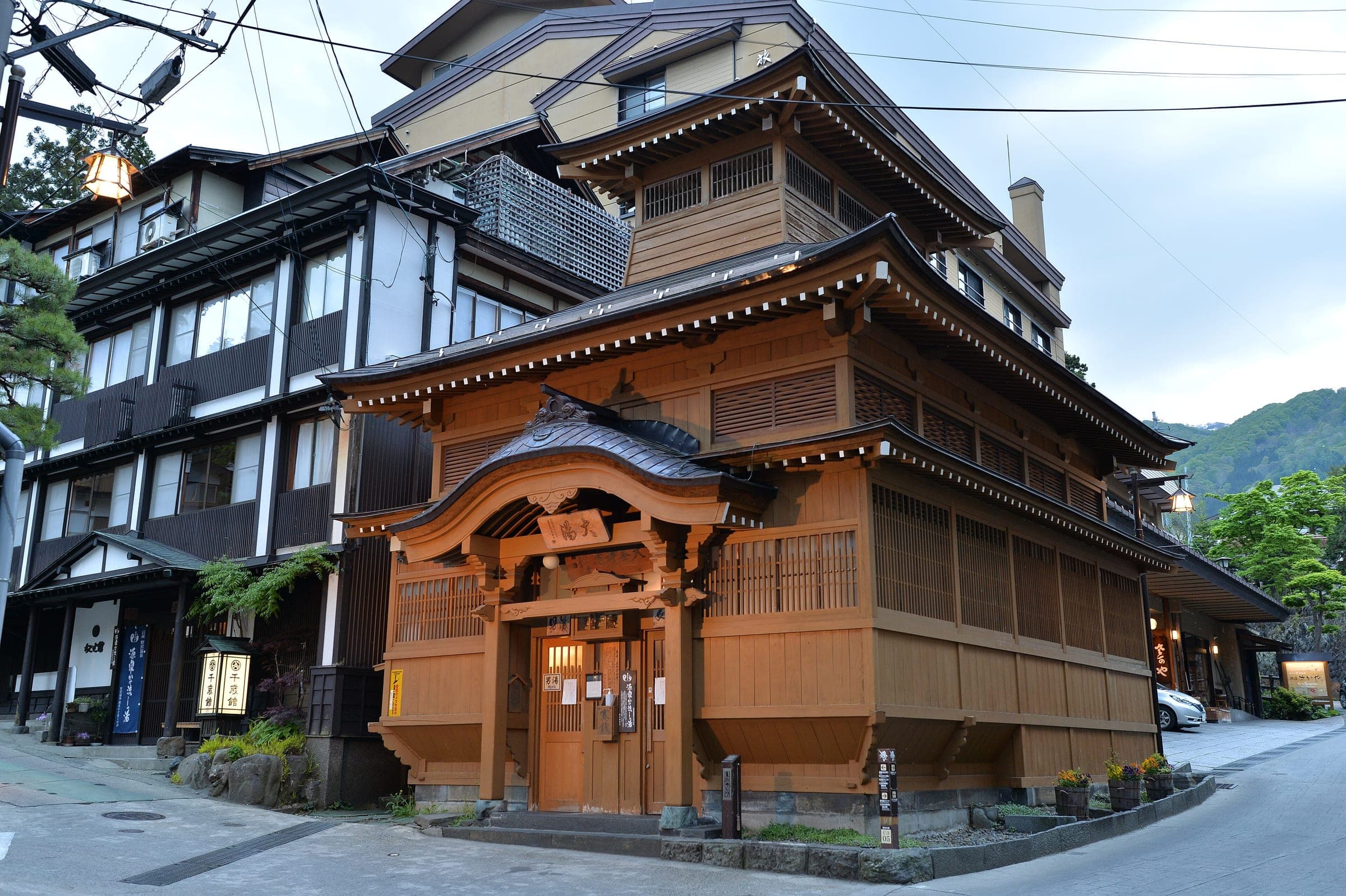
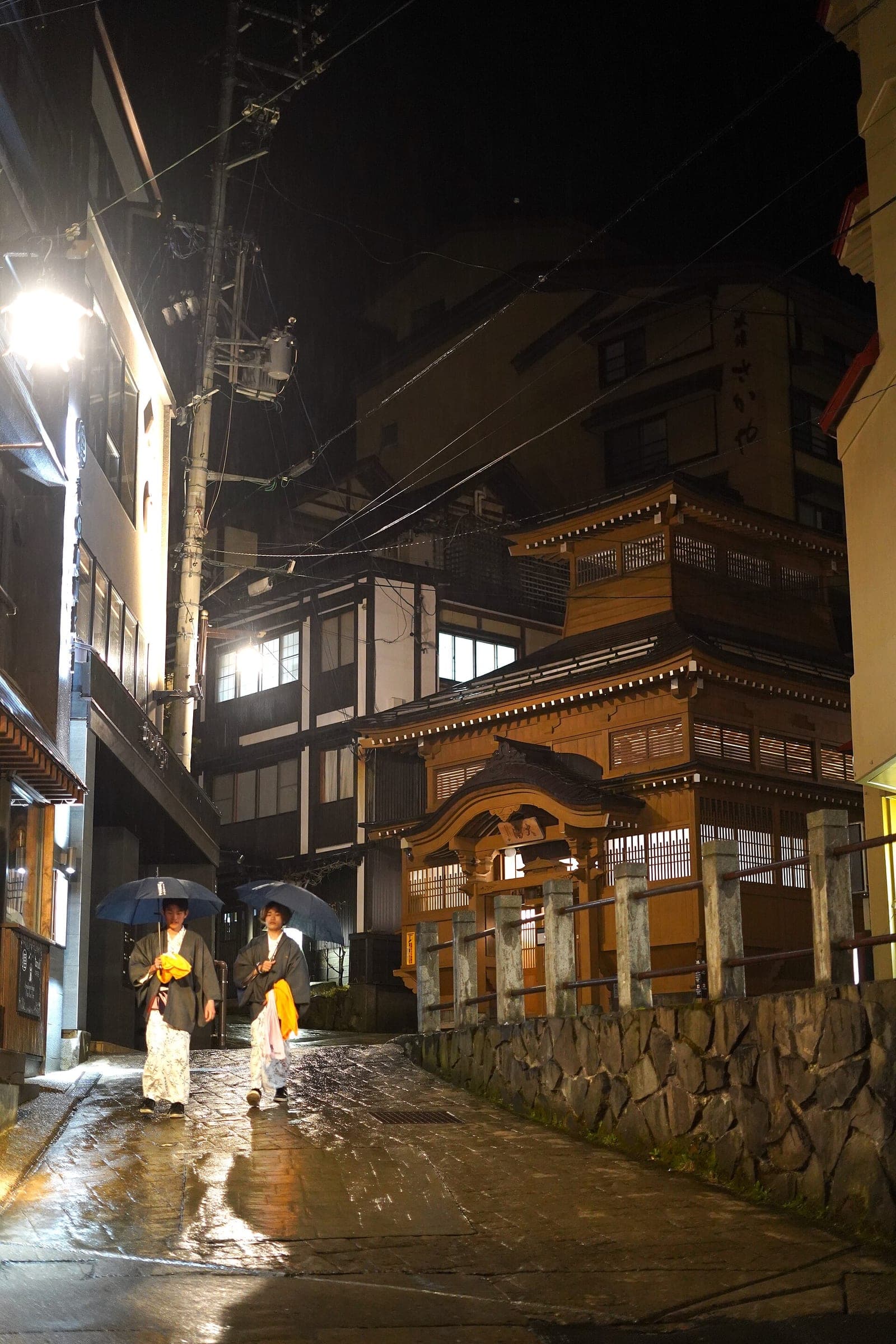
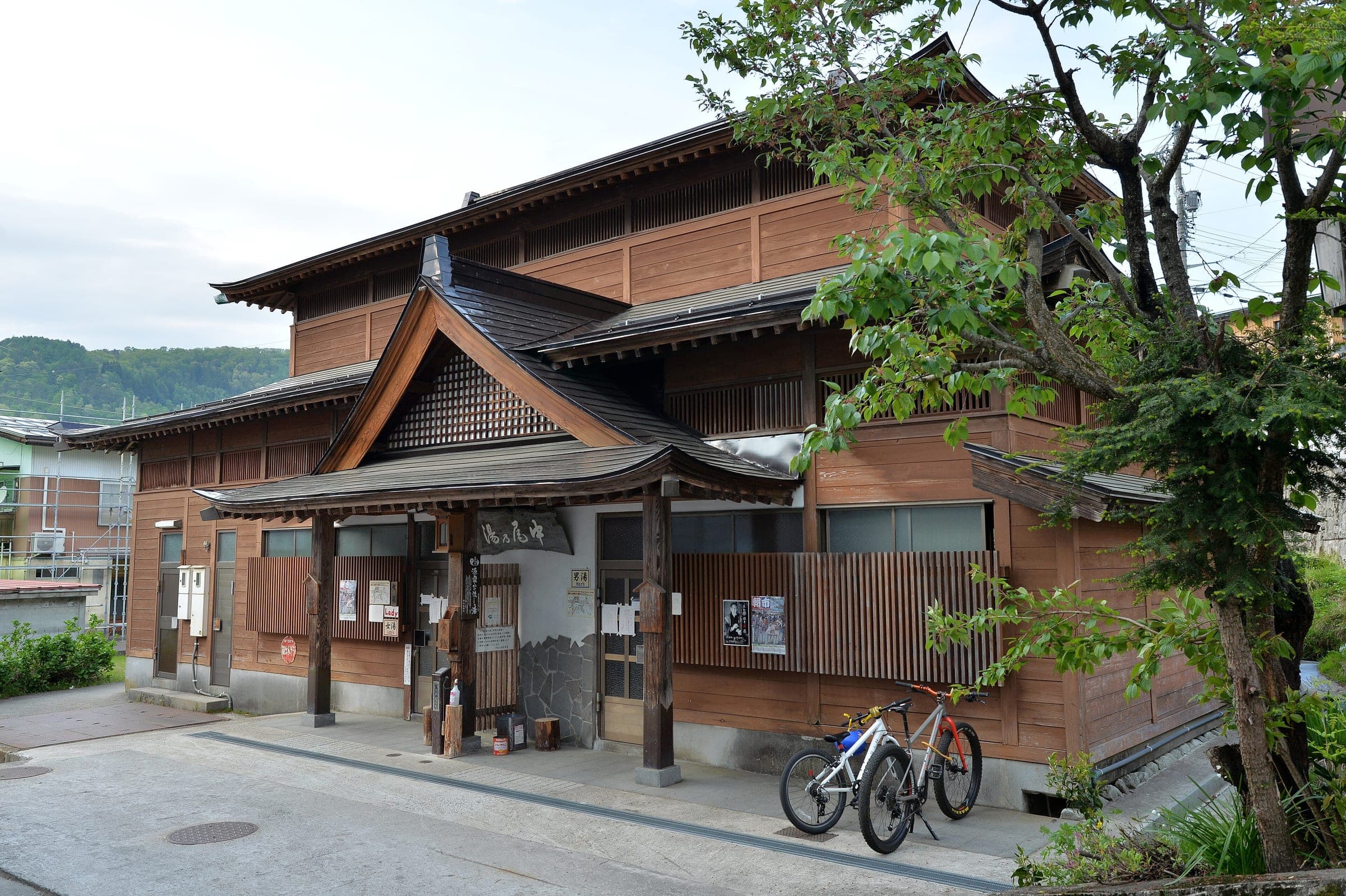
The thirteen baths sit along the lanes of Nozawa Onsen village within walking distance of each other. Oyu stands in the centre, and Nakao-no-yu marks the south entrance to the village.
Each soto-yu belongs to a yunakama, a group of neighbours who clean it and keep it running under a system that dates from the Edo period. Anyone staying in or passing through the village can use them. You pay nothing at the door, though every bath has a donation box and the tourism bureau asks for a few coins toward upkeep. Oyu is the landmark in the middle of town, and the other twelve houses sit in the lanes around it.
The water comes straight from the spring and overflows all day, so the tubs run between 45 and 49°C. Pour water over yourself for a minute before stepping in. Several baths split into an atsuyu (hot tub) and a nuruyu (cooler tub), and Kumanotearayu has the gentlest water in the village. Kawahara-yu runs hot enough that the bureau suggests it as a morning bath.
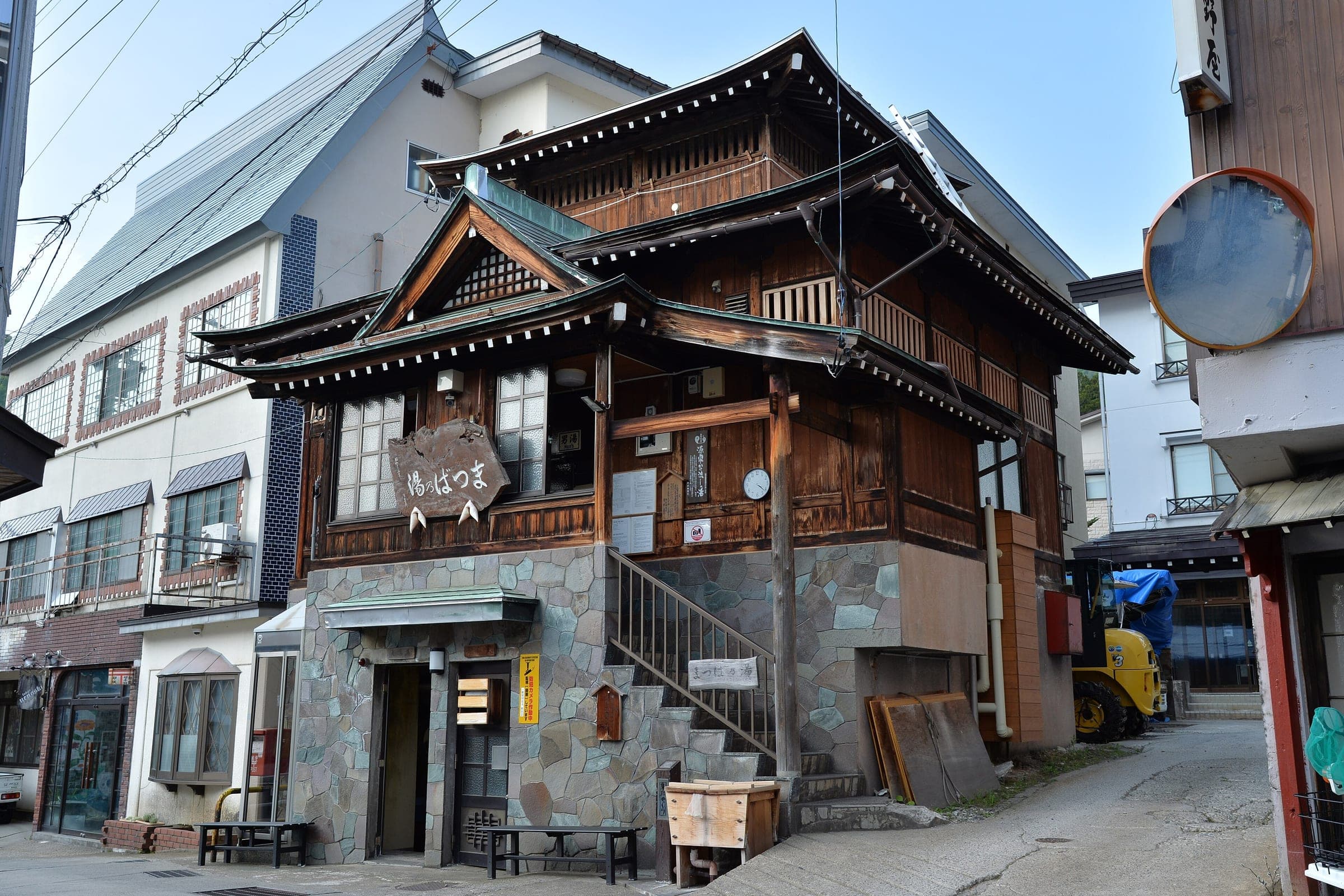
Outside each bath stands a stamp stand, part of a village trail of 27 stamps. Ten stamps earn a towel at the end, and with twenty you can choose a towel or a tenugui. Kamitera-yu, Kumanotearayu, Matsuba-no-yu and Juodo-no-yu keep a pot of spring water by the door where you can cook onsen tamago in about 20 minutes.
Worth knowing
- Carry small coins for the donation boxes.
- Ogama, the boiling source in the middle of the village, is for villagers only. Look from the edge and stay out.
- The Yurari foot bath next to Ogama is free from 6:00 to 21:00 in the warm months and closes under winter snow.
- Furusato no Yu, the village's paid day bath, sells towels if you forget yours.
Quick answers about Nozawa Onsen Soto-yuよくある質問
Are the Nozawa Onsen soto-yu free?
Yes. All thirteen soto-yu in Nozawa Onsen charge no entry fee, and a donation box at each door collects coins for their upkeep.
What time do the Nozawa Onsen soto-yu open in winter?
From December to March most Nozawa Onsen soto-yu open from 6:00 to 23:00. Shinyu, Juodo-no-yu and Taki-no-yu close at 22:00 in winter.
Can people with tattoos use the Nozawa Onsen soto-yu?
The village publishes no tattoo rule for the Nozawa Onsen soto-yu. Cover a small tattoo where you can and follow any notice posted at the bathhouse door.
Do I need to bring a towel to the Nozawa soto-yu?
Yes. The Nozawa Onsen soto-yu supply no towels or soap, so bring both.
How much does Nozawa Onsen Soto-yu cost?
Nozawa Onsen Soto-yu is free to visit.
Within 12 km
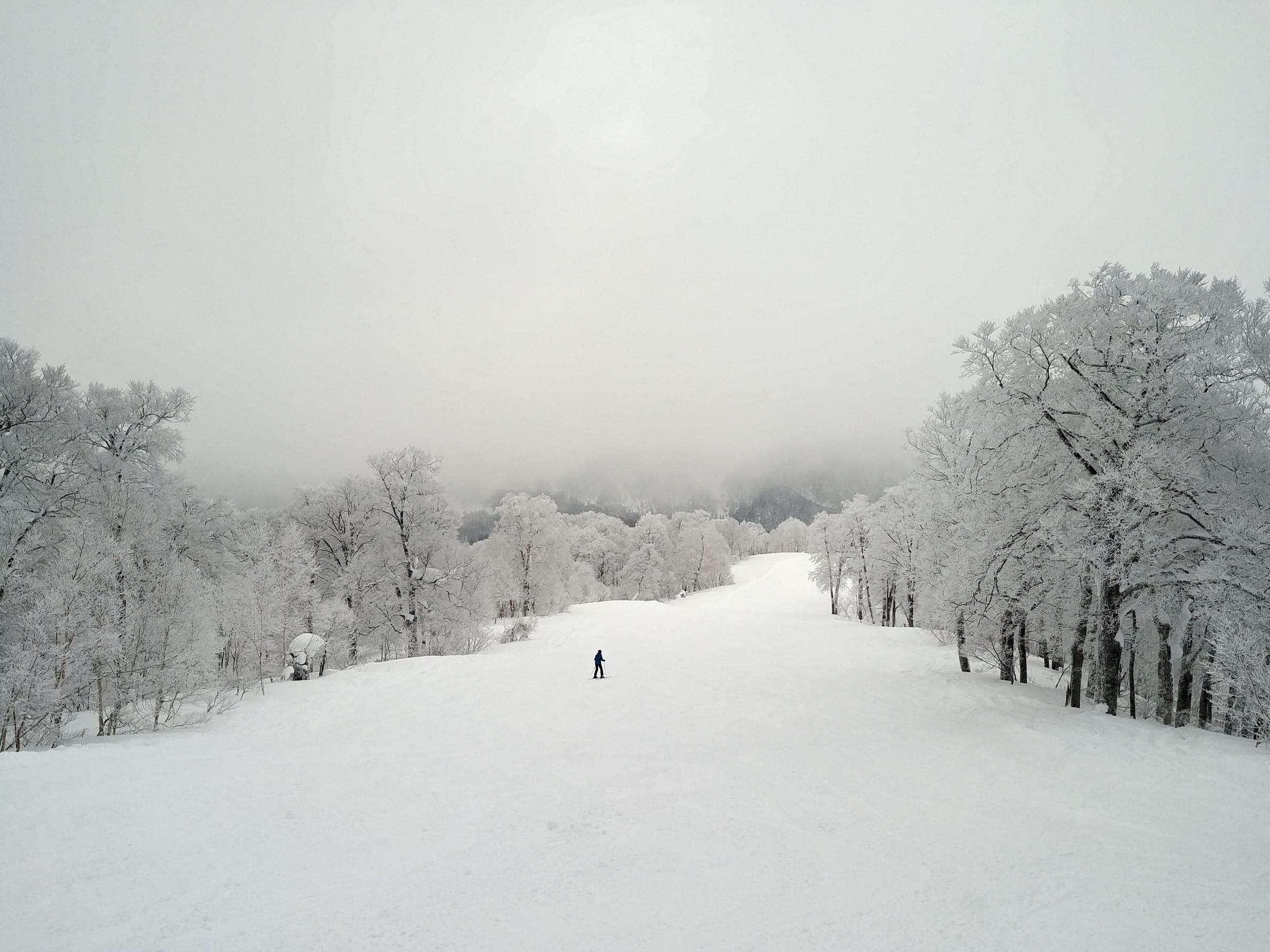
Ski resorts nearby山

Within 12 km
Hot springs nearby温泉
Within 12 km
Places to stay nearby宿

Within 12 km
Places to eat and drink nearby食
In the journal and guides
Read more about Nozawa Onsen Soto-yu特集
Snow feature · 9 min read
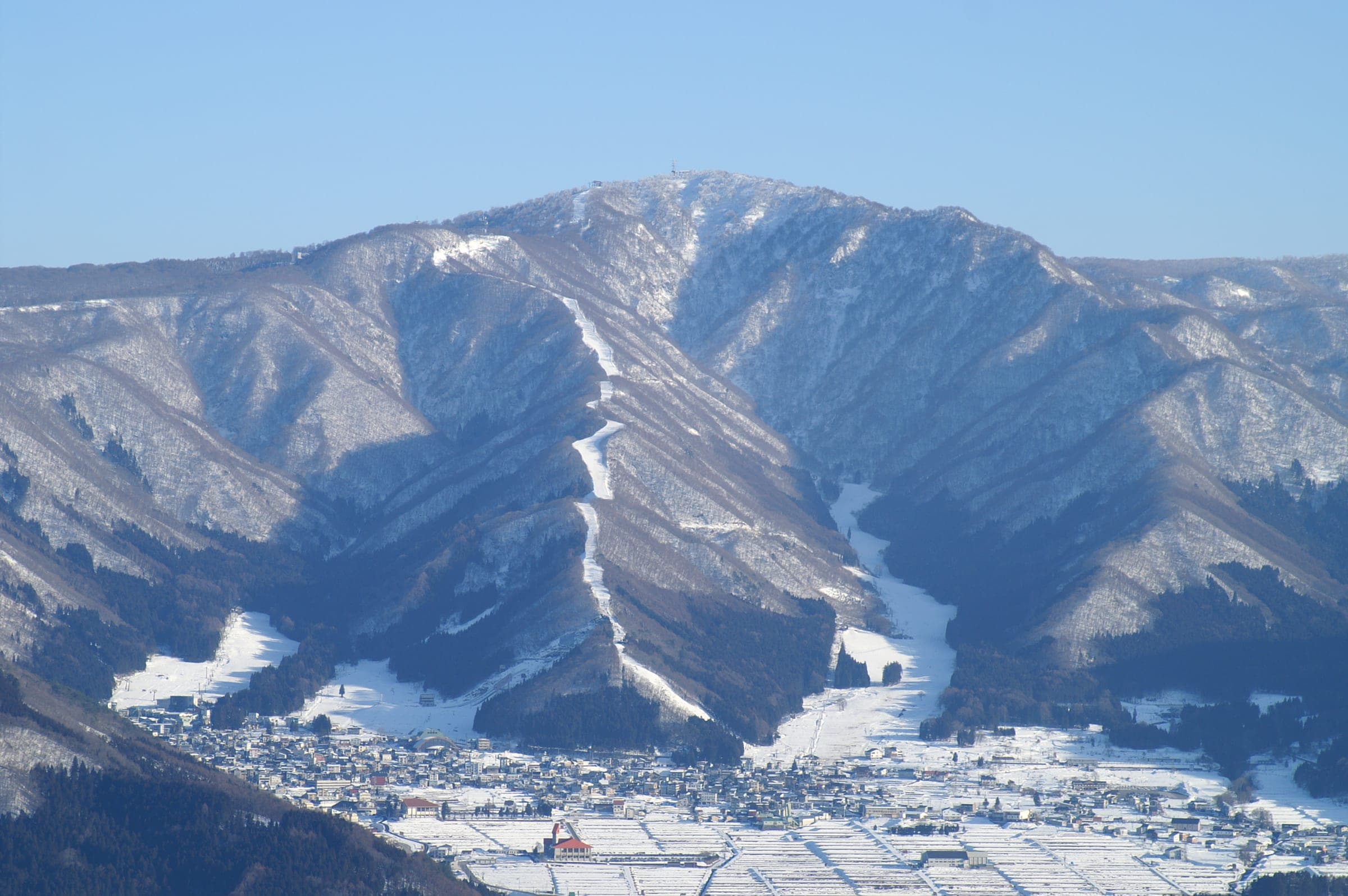
Should you stay in Nozawa Onsen instead of Hakuba?
Nozawa suits riders who want to walk from the inn to the lifts in the morning and to a free village bath at night, on one big mountain at ¥7,800 a day. Hakuba suits anyone who wants ten resorts on one ticket and Epic Pass days.
Comparison · 10 min read
Which ski-hill onsen towns are best for a soak after the last lift?
Nozawa puts thirteen free public baths a short walk from the lifts. Kusatsu is the clearest answer for tattooed riders, and Shibu and Ginzan give their best baths to the people who stay the night.
Guide · 10 min read
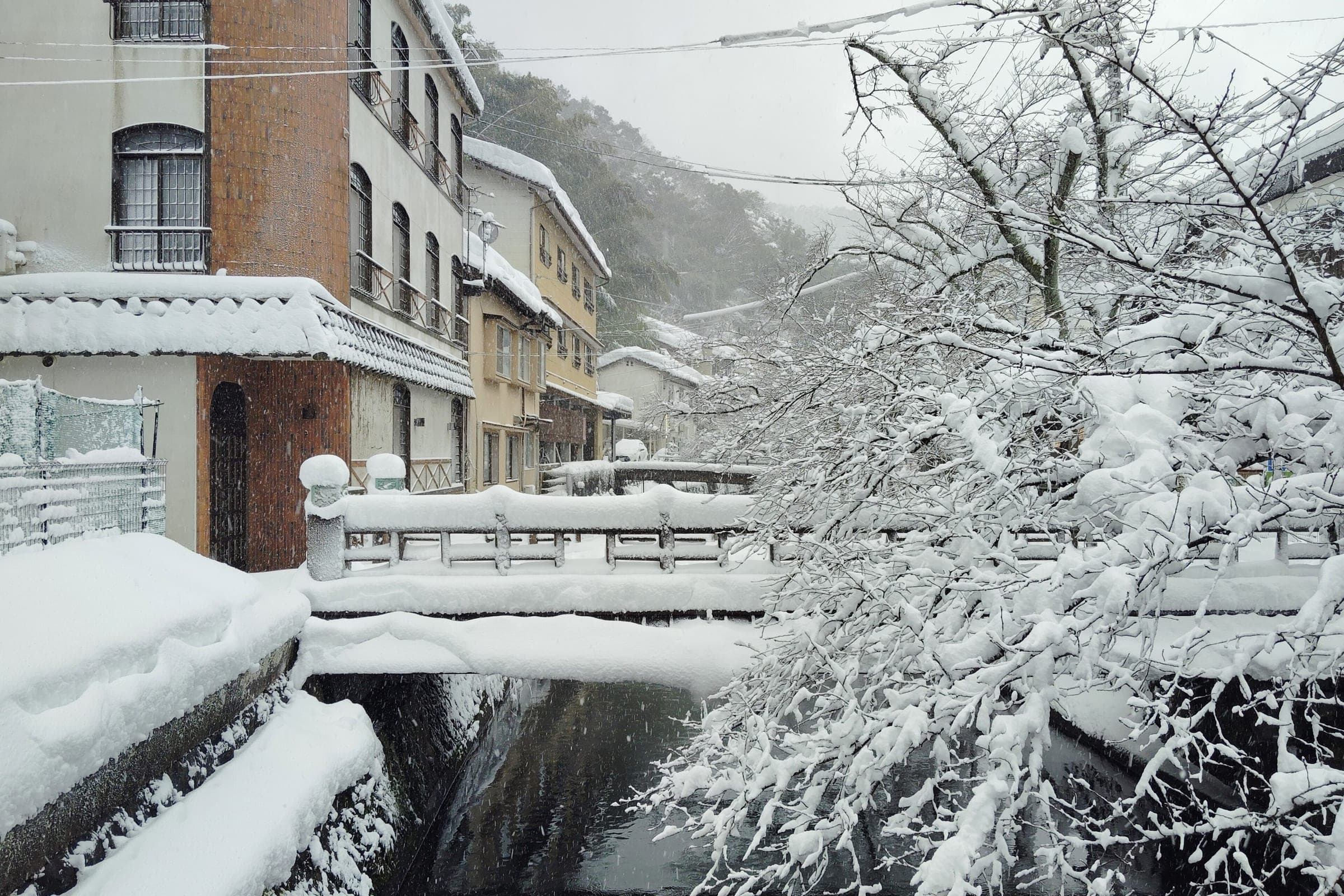
Can you go in an onsen in Japan with a tattoo?
Some of Japan's baths take tattoos, some want them under a cover sticker, and most publish no rule at all. Here is the routine at the taps and in the tub, the baths that say yes, and the ones that say no.
Guide · 8 min read
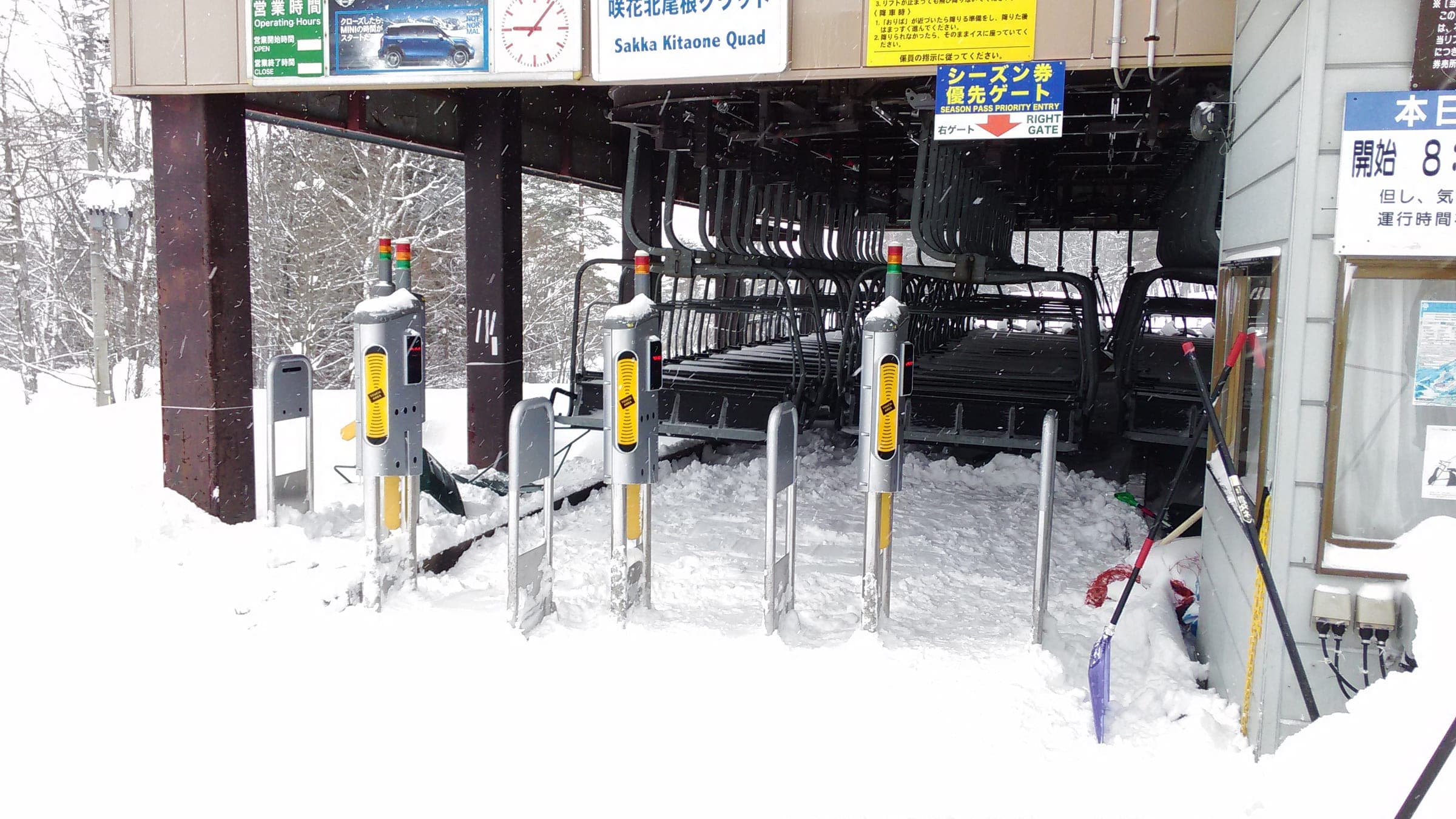
Which Japanese phrases help on a ski or cycling trip in Japan?
Two words carry most of a trip, and about forty more get you a lift pass, a new inner tube, a seat for a bagged bike and help when something goes wrong. Each line comes with its kana and a romaji reading you can say out loud.