Hakuba Happo-one
白馬八方尾根スキー場36°42′ N 137°50′ E1,071 m vertical16 runs32.5 kmSeasonal
Happo-one suits strong riders who want the biggest vertical in Hakuba, and a storm can shut the upper ridge for the day.
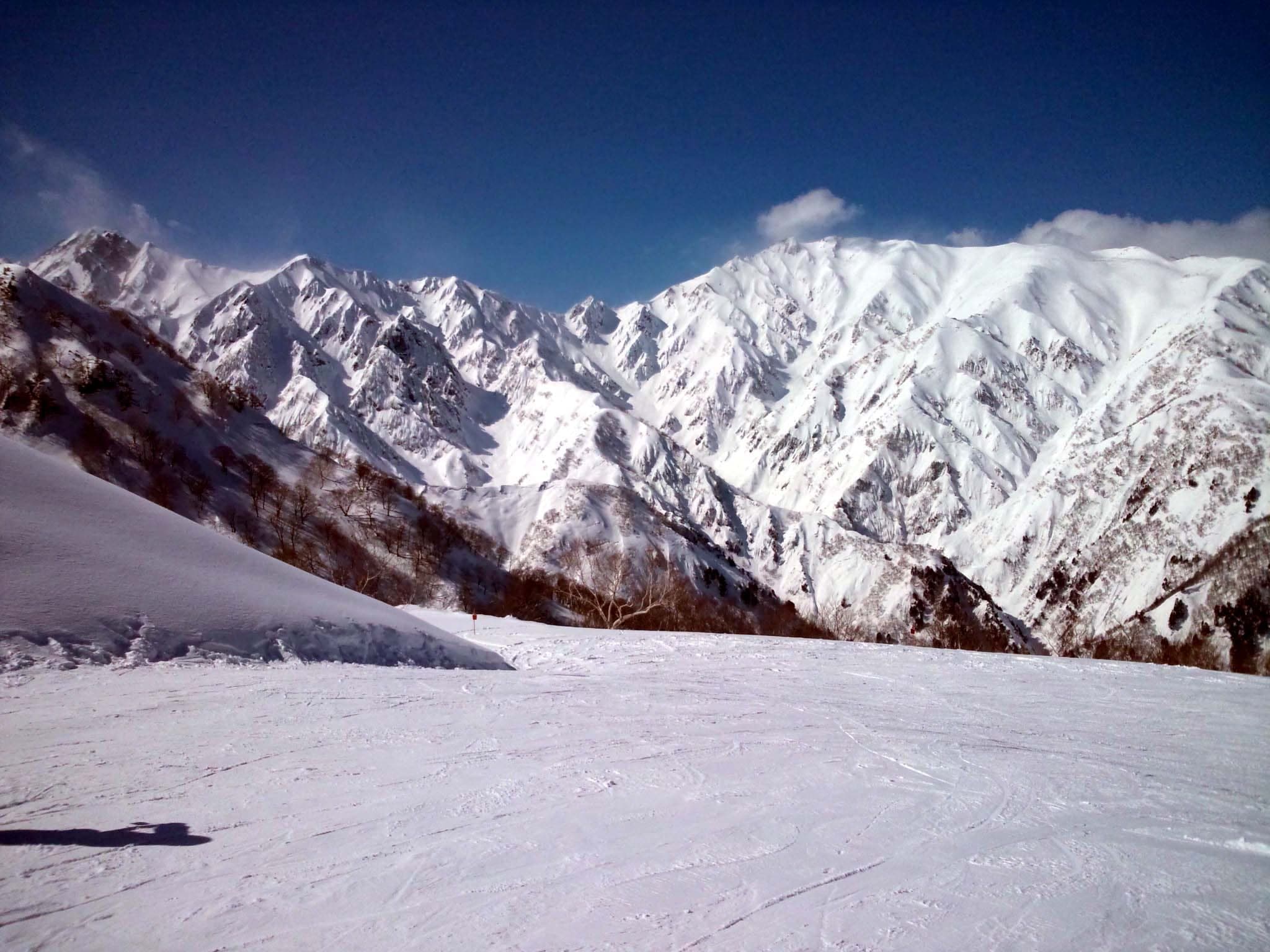
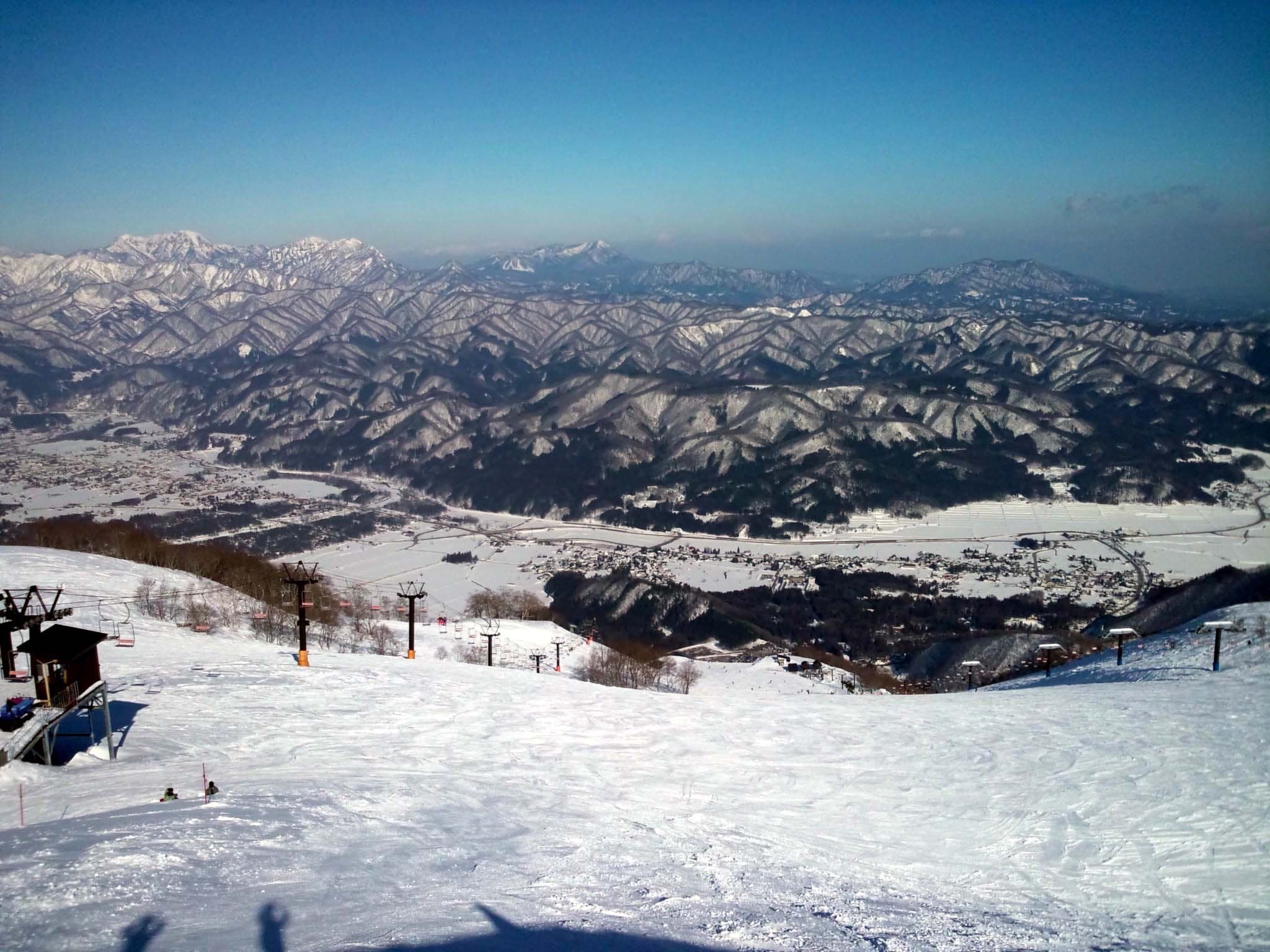
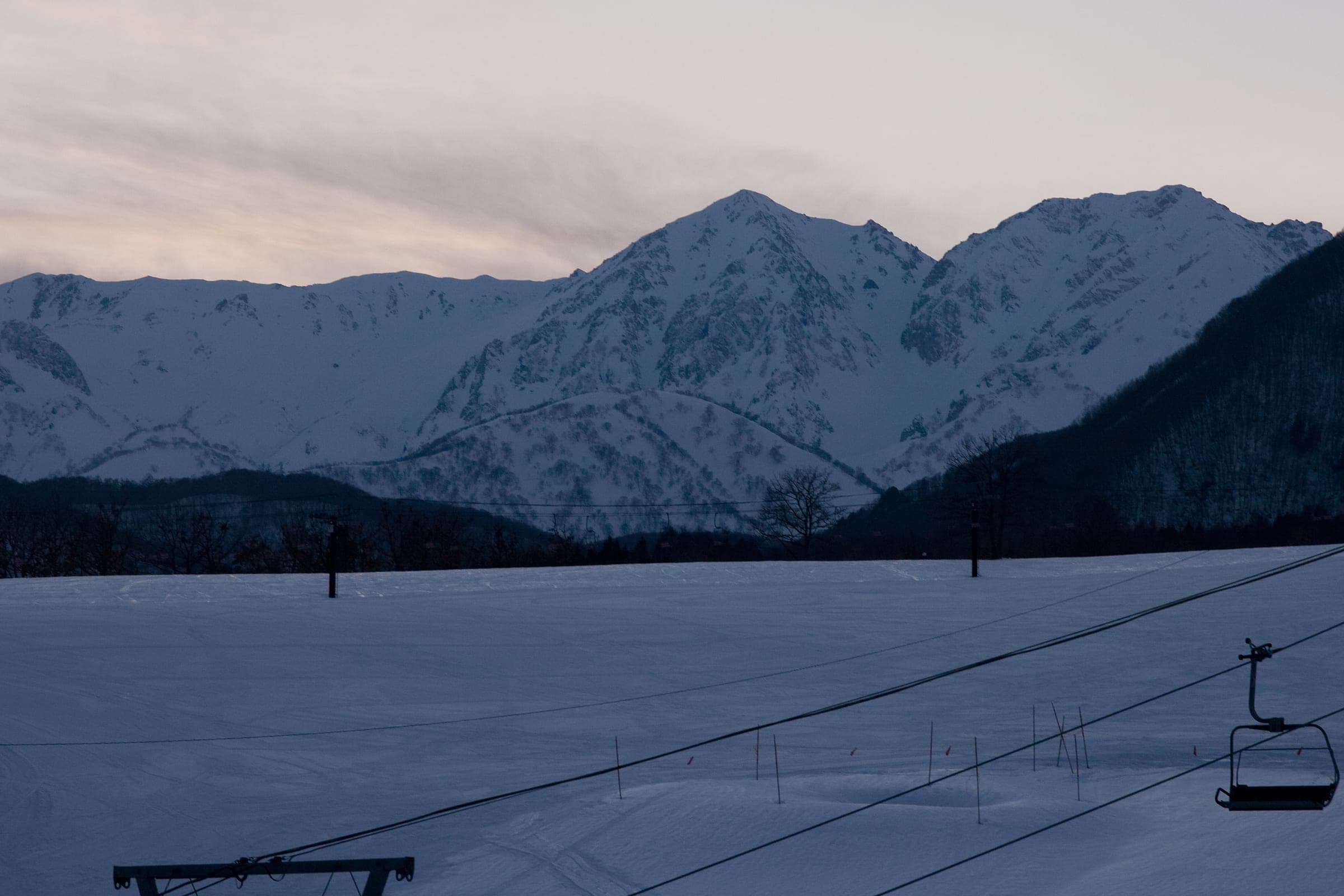
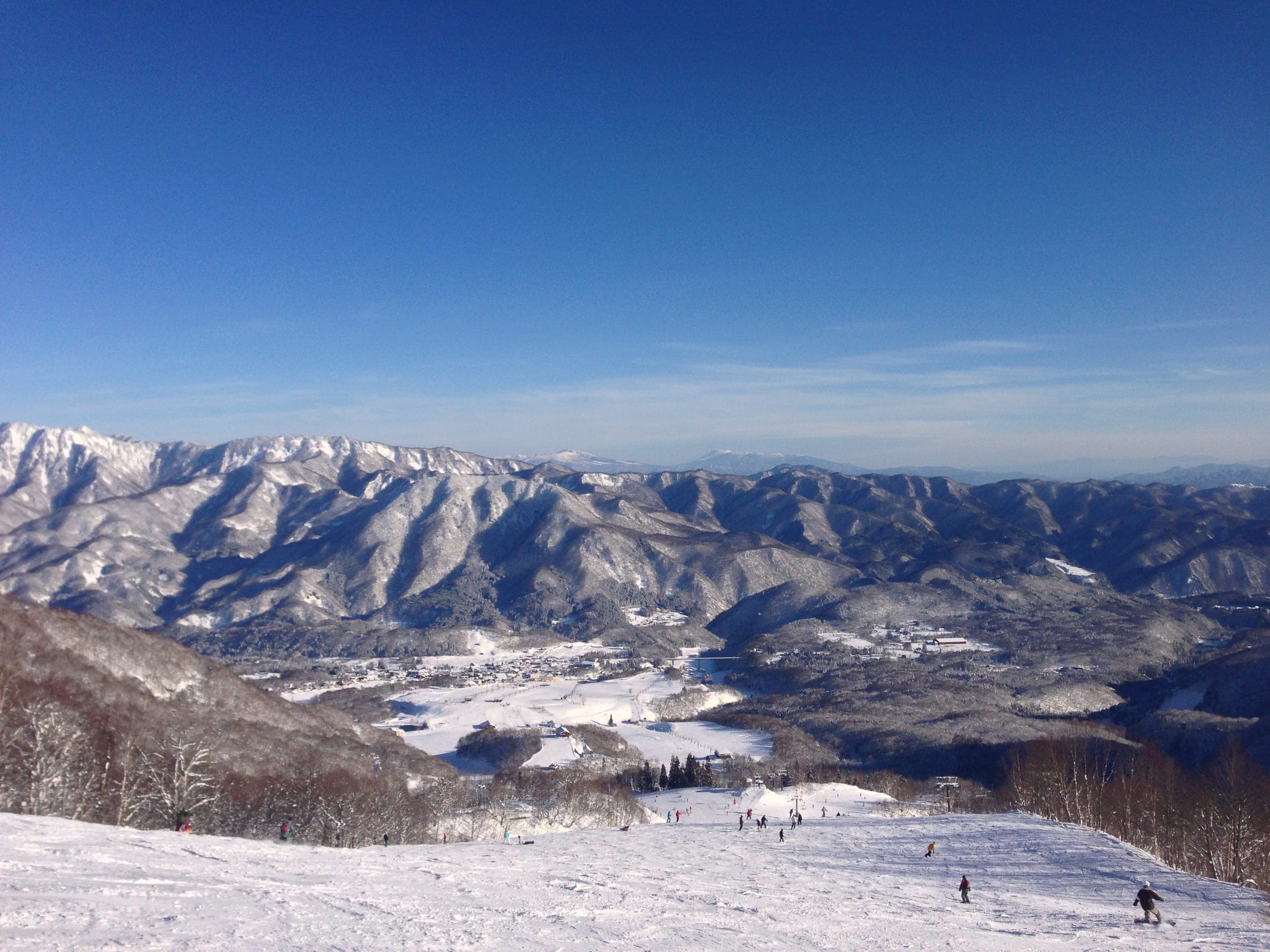
Photo Raita Futo from Tokyo, Japan · Wikimedia Commons · CC BY 2.0 and others, credited in the gallery
- Beginner14.5 km
- Intermediate9.8 km
- Advanced5.6 km
- Expert2.1 km
OpenStreetMap maps 31 named runs and 22 lifts at Hakuba Happo-one, and the guide measures each one against the elevation model.
Open the 3D map ↓Fly the mountain in 3D立体地図
Ride every run at Hakuba Happo-oneコース
| Avg | Faces | Map | |||||
|---|---|---|---|---|---|---|---|
| パノラマ林道 | 2,822 m | 384 m | 20.1° | 7.7° | N | ||
| Kurobishi Rindō黒菱林道 | 2,542 m | 232 m | 13.6° | 5.2° | NE | ||
| ウスバ迂回路 | 1,204 m | 202 m | 16° | 9.5° | E | ||
| 黒菱林道 | 1,809 m | 166 m | 15.6° | 5.3° | SE | ||
| 咲花ウェーブ | 516 m | 116 m | 17.5° | 12.6° | E | ||
| 咲花ゲレンデ南 | 577 m | 108 m | 13.2° | 10.6° | E | ||
| 白樺ゲレンデ北 | 390 m | 97 m | 17.9° | 14° | E | ||
| 咲花ゲレンデ北 | 579 m | 96 m | 13.7° | 9.9° | E | ||
| 国際下部 | 305 m | 50 m | 11.5° | 9.3° | E | ||
| リーゼンスラロームコースリーゼンスラロームNotes | 2,293 m | 720 m | 25.3° | 17.4° | E | ||
| スカイラインコーススカイラインNotes | 1,294 m | 401 m | 26.6° | 17.2° | N | ||
| セントラルコースセントラルNotes | 1,235 m | 259 m | 27.9° | 16.8° | NE | ||
| パノラマコースパノラマNotes | 1,485 m | 242 m | 27.2° | 16.3° | NE | ||
| パブリックコース | 790 m | 200 m | 21.7° | 14.2° | E | ||
| 白樺ゲレンデ南 | 446 m | 119 m | 21.5° | 14.8° | E | ||
| HAPPO PARKS | 487 m | 116 m | 23° | 13.4° | NE | ||
| 白樺ゲレンデ北 | 339 m | 96 m | 22.1° | 15.8° | NE | ||
| 名木山ゲレンデ | 290 m | 73 m | 17.6° | 14.1° | E | ||
| ウスバ下部 | 177 m | 56 m | 18.6° | 17.5° | NE | ||
| Olympic DH women | 188 m | 16 m | 8.6° | 4.4° | E | ||
| 北尾根コース | 768 m | 305 m | 27.6° | 21.5° | E | ||
| オリンピックコースINotes | 947 m | 300 m | 28.5° | 17.6° | E | ||
| 兎平ゲレンデ兎平Notes | 743 m | 253 m | 27.3° | 18.8° | E | ||
| オリンピックコースIINotes | 500 m | 207 m | 26.7° | 22.4° | NE | ||
| リーゼングラートコースリーゼングラートNotes | 745 m | 183 m | 26° | 13.8° | E | ||
| セントラルコースセントラルNotes | 225 m | 92 m | 28.4° | 22.2° | NE | ||
| 名木山ゲレンデ | 283 m | 76 m | 23° | 15.1° | NE | ||
| Urakuro裏黒Trees | 798 m | 260 m | 28.9° | 18° | E | ||
| うさぎ新コース | 504 m | 199 m | 28.4° | 21.5° | E | ||
| Kurobishi黒菱ゲレンデNotes | 402 m | 173 m | 30.1° | 23.3° | NE | ||
| Omusubiおむすび | 352 m | 162 m | 37.4° | 23.2° | E |
Lengths, vertical, pitch and aspect are measured from OpenStreetMap run lines and the elevation model. Steepest is the hardest 60 m pitch. Read them as a guide and follow the signs on the hill.
More named runs from the trail map
Tenbo展望
Tenbo drops off below the old men's super-G start house on a south-facing pitch, with an awkward rejoin onto the Riesen Slalom at the bottom.
Good for short steep pitch, views south
Shirakaba白樺
Three gentle stacked slopes sit right beside the gondola station, so a mixed group can ride the same hill.
Good for first turns, gondola laps
Out of five
How it rides
- Powder
- 4 out of 5
- Trees
- 2 out of 5
- Steeps
- 5 out of 5
- Park
- 1 out of 5
- Beginners
- 3 out of 5
- Quiet
- 1 out of 5
- Value
- 3 out of 5
- Après
- 5 out of 5
- Family
- 3 out of 5
- Sidecountry
- 5 out of 5
Know the zones before you goエリア
Nakiyama名木山
zoneIntermediate
Nakiyama is the southern base, with the ski school check-in, Nakiyama Snowland for small children and free parking nearby. The short steep wall above it is where Japanese instructors sit their technical exams.
Good for lessons, kids' snow play
Sakka咲花
zoneBeginner
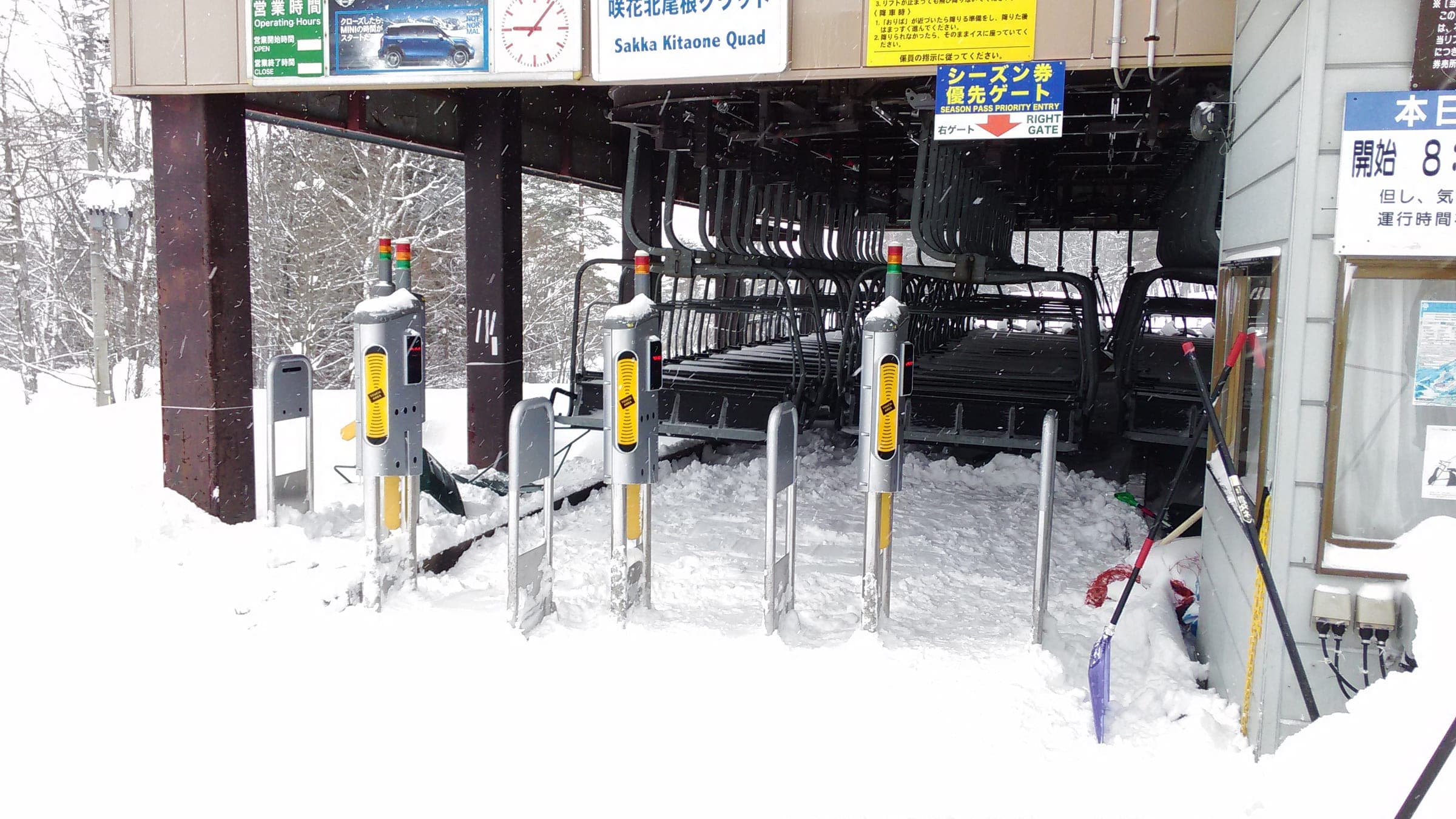
Sakka is the northern base. Snow Plaza Sakka beside it holds a big indoor canteen with lockers and a kids' rest room. The Skyline and Olympic II runs finish here.
Good for families, end of the day
Kurobishi and Usagidaira黒菱・兎平
zoneAdvanced
The two classic upper faces sit side by side under the Kurobishi and Usagidaira lifts. Kurobishi faces north and holds its snow.
Good for moguls, storm-day powder
Gratグラート
zoneAdvanced
The Alpen and Grat quads climb the open ridge above the trees to 1,831 m. Wind closes them more often than any other lifts on the mountain.
Good for views, top of the mountain
Omusubiおむすび
zoneExpert
Omusubi is an ungroomed freeride area inside the resort, opened in 2018/19. You enter it from the traverse between Skyline and Panorama, and it is open only when patrol opens its gate.
Good for ungroomed freeride, trees at the bottom
Urakuro裏黒
zoneExpert
Urakuro is the designated off-piste area on the north side of the Kurobishi No. 3 pair lift, around 1,600 m.
Good for steep off-piste
Beyond the ropes · Through gates
Happo is one of the five Hakuba Valley resorts with designated backcountry gates, marked G on the trail map. Inside the boundary, patrol opens the Omusubi freeride area through its own gate for advanced and expert riders.
- Leave the ski area only through a designated gate; yellow-and-black poles mark the boundary everywhere else
- Submit a mountain-climbing registration to the Nagano police before you head out
- Carry an avalanche transceiver, a probe and a shovel and know how to use them
- Ride Omusubi only while its gate stands open
- Patrol bills the cost of any search and rescue outside the resort or in closed terrain inside it
- Read the Japan Avalanche Network bulletin for Hakuba before leaving the lifts
22 lifts on the map
Know the liftsリフト
Season 2026/27
Buy the right ticket
- Adult day
- ¥9,800, about CAD 88 or USD 62 (October 2026 rates)
- Early and late season
- ¥6,400, about CAD 58 or USD 40 (October 2026 rates)
- Bought online
- ¥9,500, about CAD 85 or USD 60 (October 2026 rates)
- 2 days
- ¥19,600, about CAD 176 or USD 124 (October 2026 rates)
- 3 days
- ¥28,200, about CAD 254 or USD 178 (October 2026 rates)
Adults are 18 to 64 and children 6 to 17 (¥4,900 a day in peak season); preschoolers ride free. Seniors pay ¥9,500 at the window. The half-day ticket costs ¥8,100 and the Happo Debut ticket for the lower lifts costs ¥4,900. The Hakuba Valley All-Mountain pass covers Happo with the other nine resorts and the valley shuttle.
These passes cover days here
- Epic PassHakuba Valley: 5 consecutive days on one free all-mountain ticket covering all ten resorts, no blackouts. Rusutsu: 5 consecutive days.
- Hakuba Valley All-Mountain Day PassEvery day on the ticket opens all ten Hakuba Valley resorts. Multi-day tickets run inside a window from first use: 2 days within 4, 5 within 10, 10 within 16.
Get thereアクセス
From Tokyo Station
- Drive
- About 3 hr from Nerima IC to Nagano IC on the Kan-etsu and Joshin-etsu expressways, then about 1 hr on Route 18 and the Olympic Road
- Bus
- Alpico's Nagano–Hakuba express takes from 70 minutes to just over two hours depending on the stop. Direct buses from Shinjuku reach Hakuba in about five hours.
- Train
- Hokuriku Shinkansen from Tokyo to Nagano, then the Alpico express bus to the Hakuba Happo bus terminal at the foot of the slopes. Hakuba Valley puts the whole trip at 2 hr 50 min at best.
The nearest station is Hakuba. JR Oito Line. The Happo bus terminal is closer to the lifts than the station.
The Hakuba Valley shuttle stops at Happo on Lines V, H and E and is free with a Hakuba Valley pass; without one it cost ¥800 an adult in 2025/26.
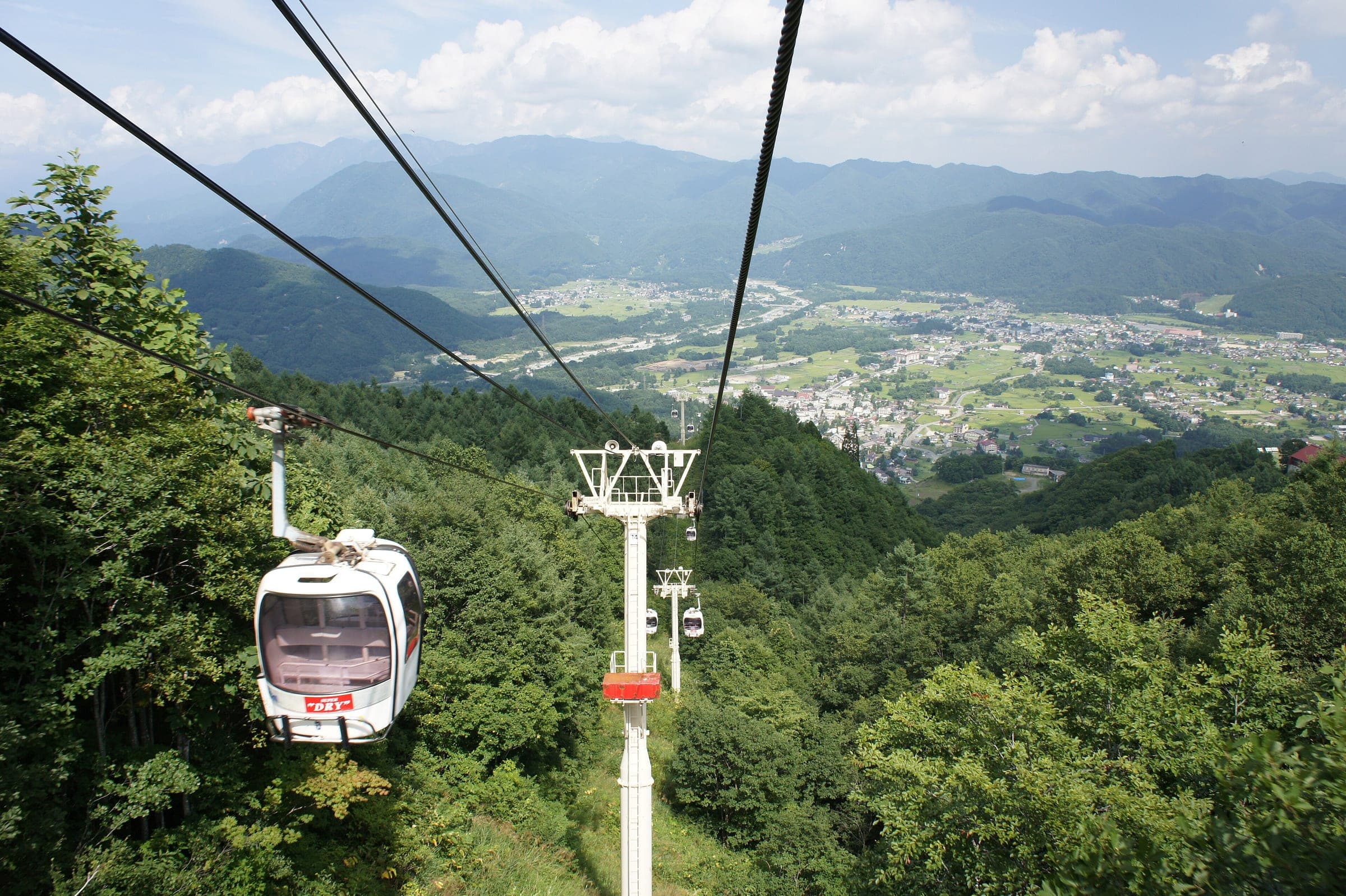
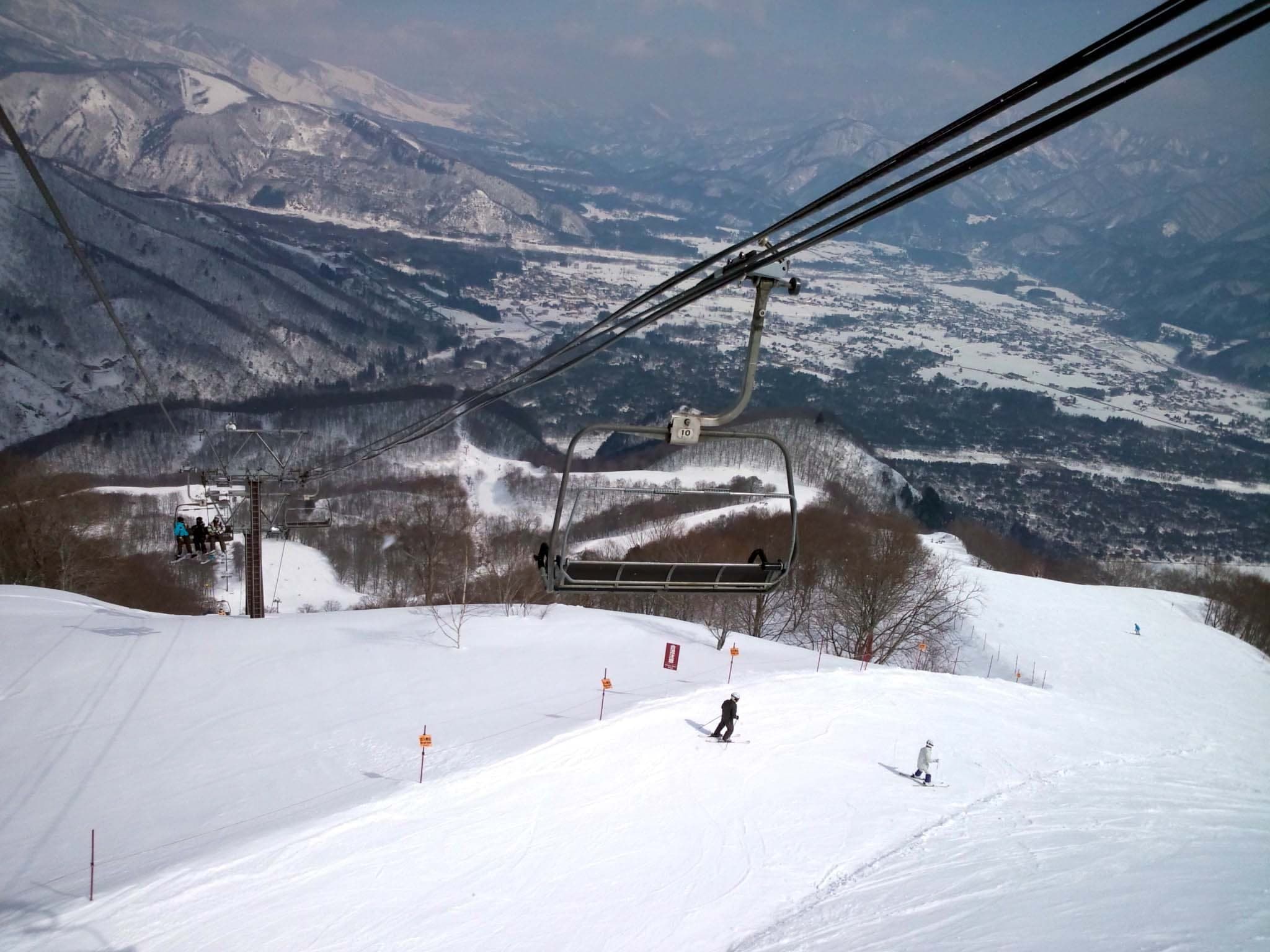
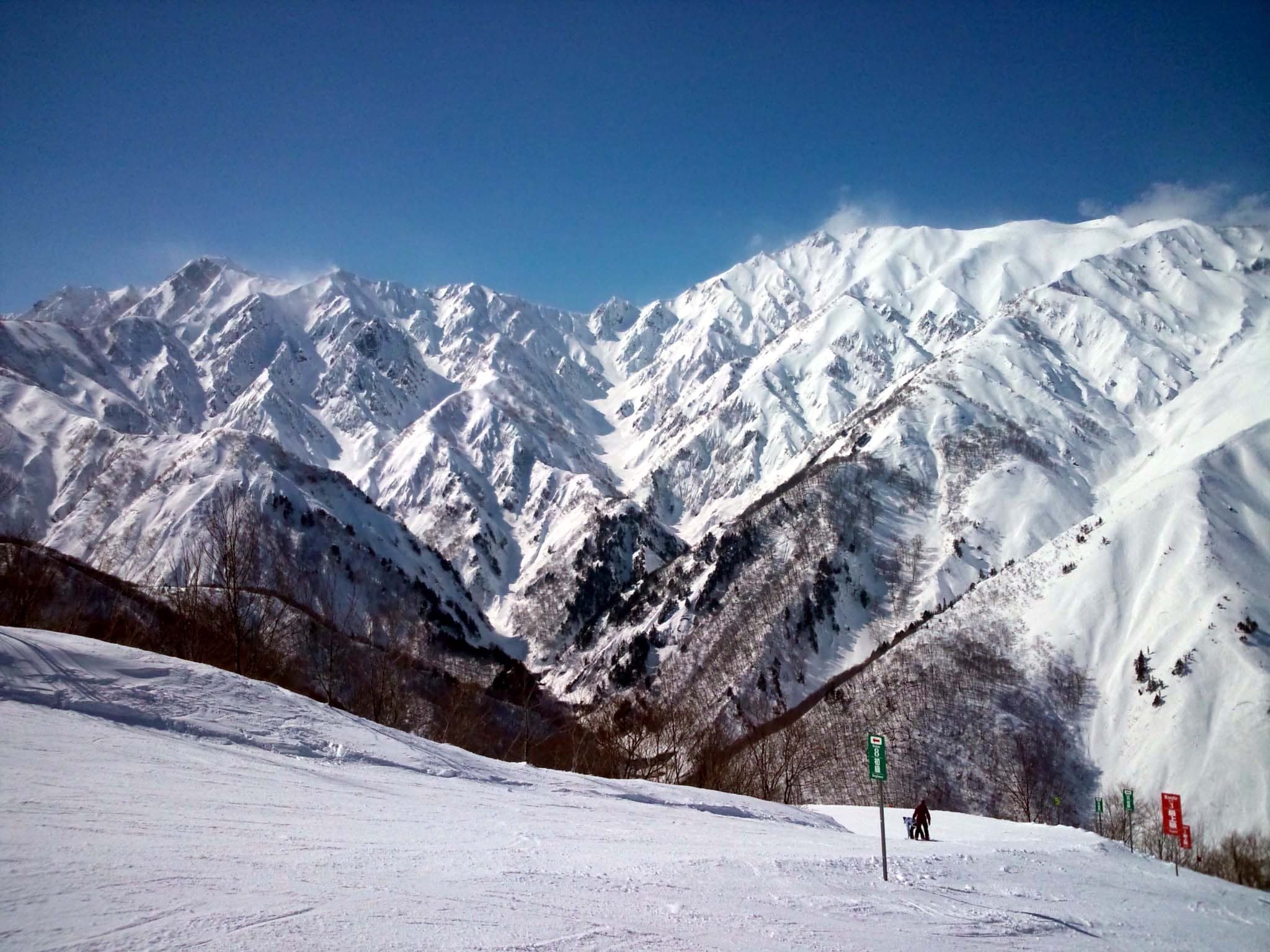
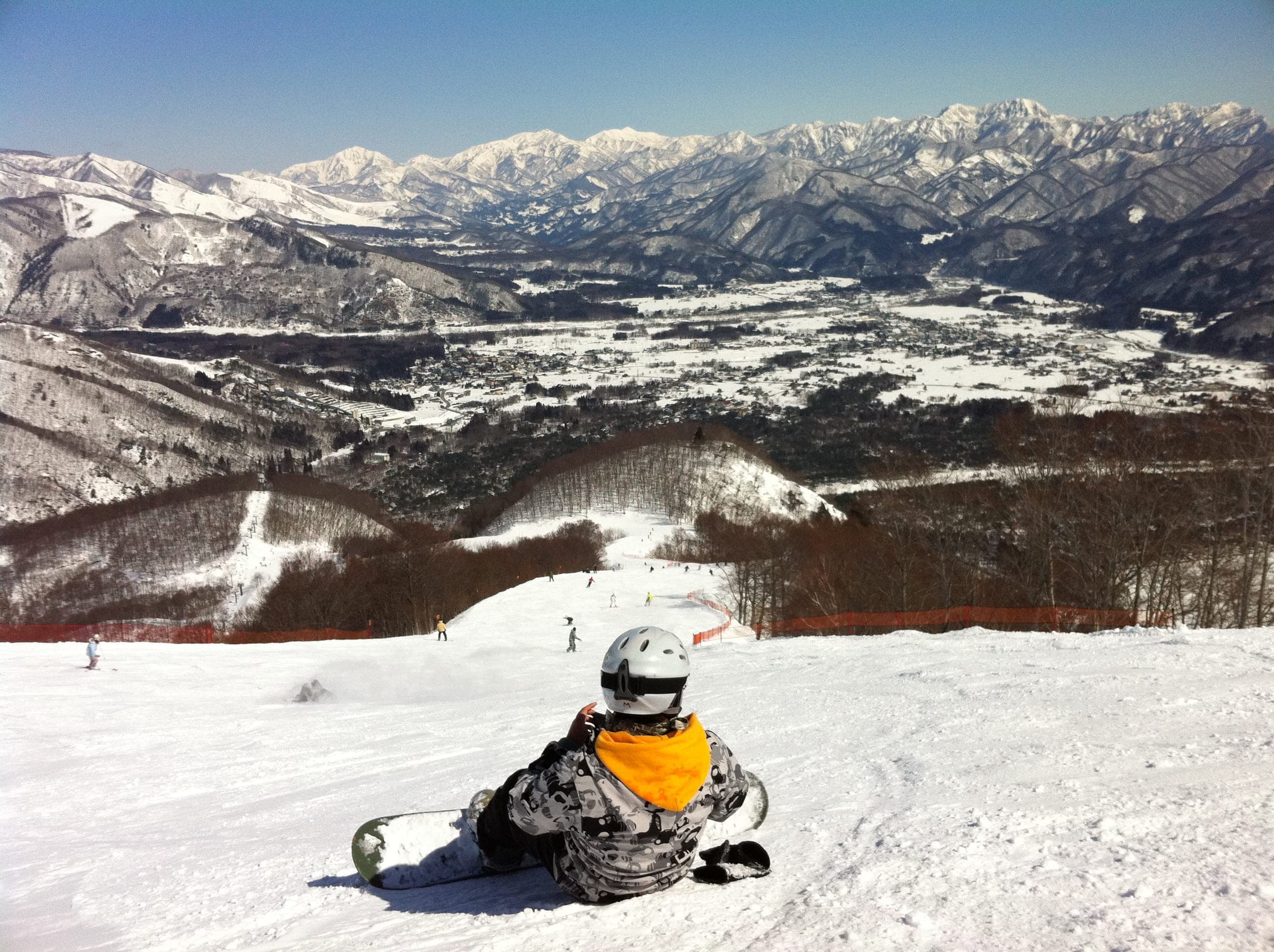
Happo climbs a long east-facing ridge straight out of Hakuba village, so the lifts start a short walk from the Happo bus terminal. The Adam gondola and the Riesen quad both carry you to the middle mountain. From there a chain of quads takes you up to the Grat quad, which tops out at 1,831 m with the Hakuba Sanzan peaks filling the view. Happo says the Adam gondola retires after the 2026/27 winter, so this is its last season.
The famous terrain sits on the upper half. Kurobishi is the mogul face everyone watches from the chair, and after a storm the bumps fill in and it skis like a powder bowl. Usagidaira gets steeper and more broken the further down you go. The two 1998 Olympic downhill courses drop off the Panorama area toward Kokusai and Sakka. Tenbo is the short expert pitch under the old men's super-G start.
Once patrol has checked the slope it opens Omusubi. This ungroomed face is reached by the traverse from Skyline toward Panorama. Urakuro on the north side of the Kurobishi No. 3 pair is the other designated off-piste area. Beyond the boundary the resort has designated backcountry gates, and the Hakuba Valley rules ask you to file a climbing registration before you use them.
Wind is the catch. The upper quads close when it blows, and on those days the mountain shrinks to the Riesen Slalom and the lower slopes, which still give a long cruise back to the village. Peak-season tickets run from 19 December to 22 March, and spring skiing carries on at the lower price until Golden Week ends on 5 May.
Worth knowing
- Check the Grat and Alpen quad status on the Hakuba Valley lift page before you buy a Happo-only ticket on a windy day. The Hakuba Valley pass lets you switch to a sheltered resort by shuttle.
- Buy your ticket online or top up an IC card you already have; top-ups only work online and save ¥300 a day in peak season.
- The Happo Debut ticket at ¥4,900 covers the beginner lifts at the foot of the mountain, which is all a first-timer needs.
- Submit your mountain-climbing registration online before you buy a ticket if you plan to use the backcountry gates.
- Ride the Adam gondola this winter if it matters to you. Happo has announced it retires after the 2026/27 season.
Quick answers about Hakuba Happo-oneよくある質問
How big is Hakuba Happo-one?
Hakuba Happo-one has 16 runs and 21 lifts over 1,071 m of vertical, from 760 m at the base to 1,831 m at the top. OpenStreetMap maps 32.5 km of piste there.
How steep is Hakuba Happo-one?
The steepest mapped pitch at Hakuba Happo-one is about 37.4° over 60 m. We measure it from OpenStreetMap's run lines and the elevation model. Its advanced and expert runs add up to 7.7 km of the mapped total.
Can you ride off-piste at Hakuba Happo-one?
Happo is one of the five Hakuba Valley resorts with designated backcountry gates, marked G on the trail map. Inside the boundary, patrol opens the Omusubi freeride area through its own gate for advanced and expert riders.
How much is a lift ticket at Hakuba Happo-one?
An adult day ticket at Hakuba Happo-one costs ¥9,800, about CAD 88 or USD 62 (October 2026 rates) in the 2026/27 main season and ¥6,400, about CAD 58 or USD 40 (October 2026 rates) early or late in the season. Epic Pass and Hakuba Valley All-Mountain Day Pass holders ride here too.
How do you get to Hakuba Happo-one from Tokyo Station?
Hakuba Happo-one is about 3 hr from Nerima IC to Nagano IC on the Kan-etsu and Joshin-etsu expressways, then about 1 hr on Route 18 and the Olympic Road by car from Tokyo Station. By bus: Alpico's Nagano–Hakuba express takes from 70 minutes to just over two hours depending on the stop. Direct buses from Shinjuku reach Hakuba in about five hours.
When is the season at Hakuba Happo-one?
Hakuba Happo-one usually opens 1 December 2026, the first day of the early-season ticket period (snow permitting) and closes 5 May 2027, the last day of the spring ticket period. The deepest, most reliable snow comes 19 December 2026 to 22 March 2027 (peak ticket period).
Within 25 km
Places to stay nearby宿

Within 30 km
Hot springs nearby温泉
Within 35 km
Towns and neighbourhoods nearby町
Within 80 km
Ski resorts nearby山
In the journal and guides
Read more about Hakuba Happo-one特集
Practical guide · 10 min read
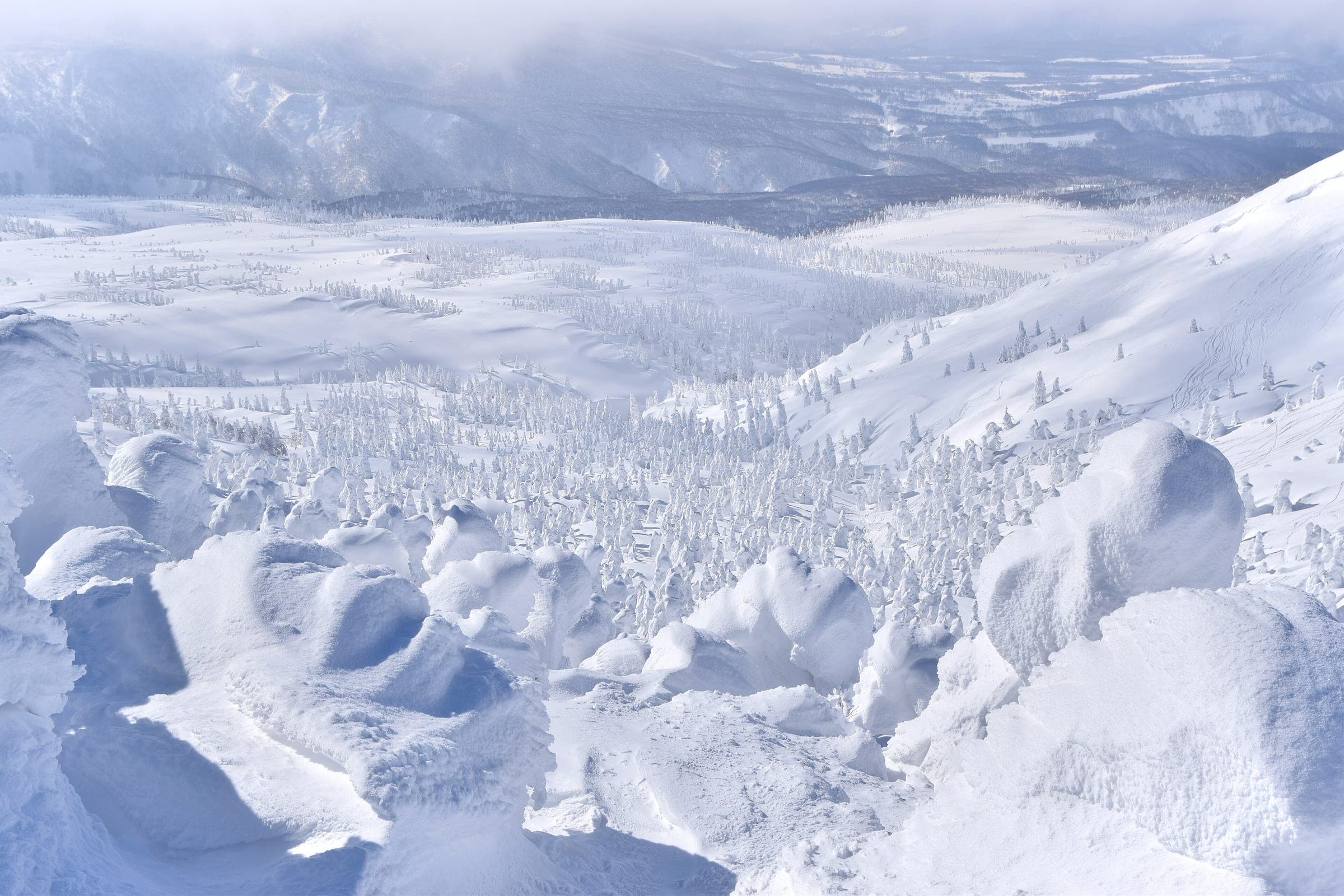
How do backcountry gates and rescue costs work at Japan's ski resorts?
Japanese resorts let riders out only through designated gates once a climbing plan is filed, and every resort here that publishes a rescue rule bills the rider. Zao bans riding off its courses altogether.
Practical guide · 8 min read
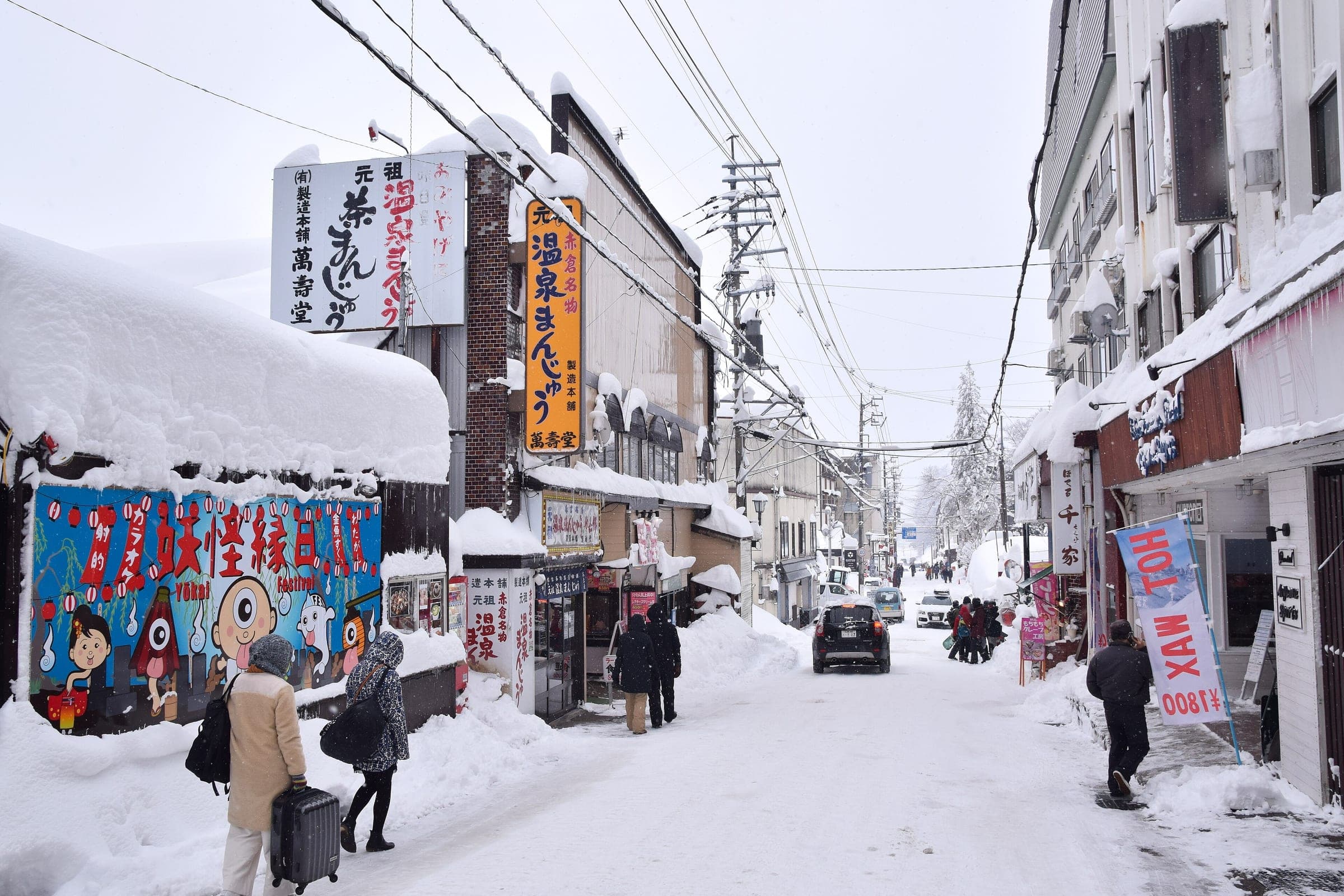
How much does a ski trip to Japan cost?
One adult sharing a room spends about ¥90,000 on a budget week in Yuzawa and from about ¥178,000 for a mid-range week in Hakuba, before flights and rental. A ryokan-hotel week in Myoko runs to about ¥286,000.
Practical guide · 7 min read
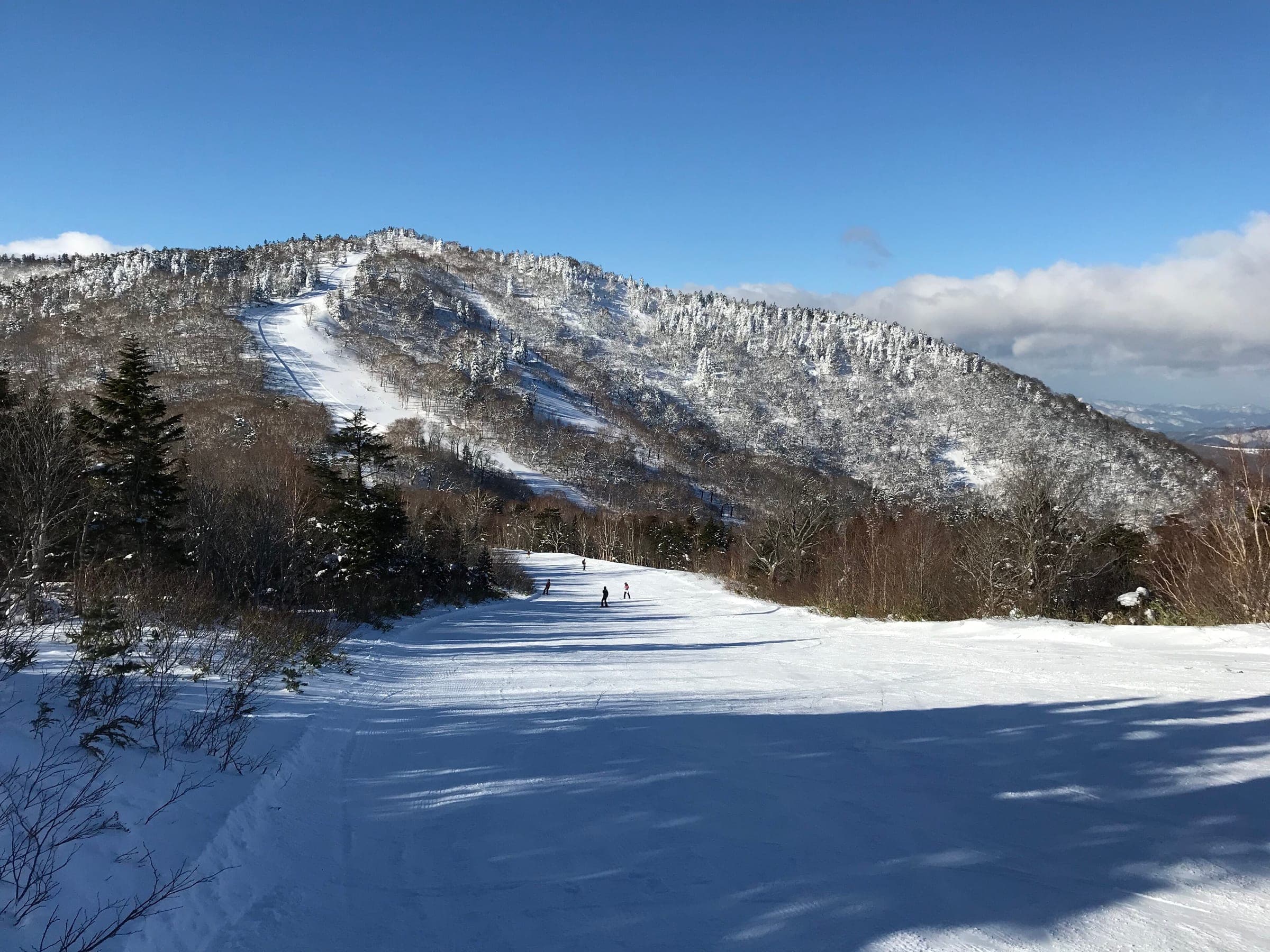
Is the Ikon Pass or the Epic Pass better for skiing in Japan?
Ikon gives seven days at each of ten Japanese mountains for 2026/27, eight of them on Honshu. Epic gives five back-to-back days across Hakuba's ten resorts, plus Rusutsu in Hokkaido.
Practical guide · 8 min read
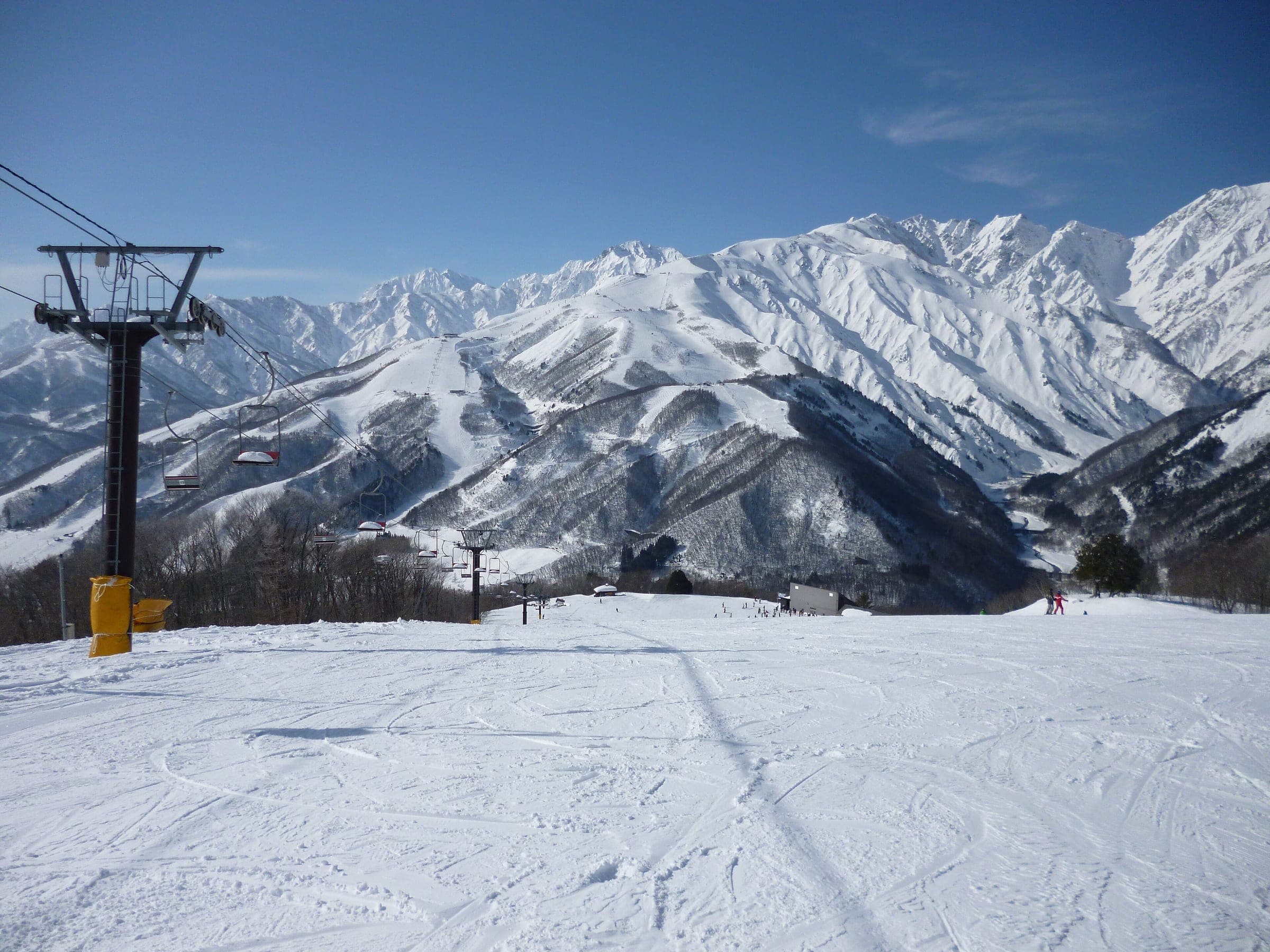
Should you ski Hakuba or Niseko?
Hakuba suits riders who want big alpine vertical and ten resorts on one ticket, a train ride from Tokyo. Niseko suits riders who want four linked resorts, lift-served gates under one set of rules and lights on every evening.