Hakkoda
八甲田スキー場40°41′ N 140°50′ ERopeway657 m vertical2 runs2.4 kmSeasonal
Hakkoda suits strong riders who want ungroomed powder off a single ropeway with tour routes beyond, and it offers almost nothing for beginners.
Photo Raita Futo from Tokyo, Japan · Wikimedia Commons · CC BY 2.0 and others, credited in the gallery
Figures the resort does not publish are measured from the map data.
OpenStreetMap maps 0 named runs and 3 lifts at Hakkoda, and the guide measures each one against the elevation model.
Open the 3D map ↓Fly the mountain in 3D立体地図
Ride every run at Hakkodaコース
Named runs from the trail map
Directダイレクトコース
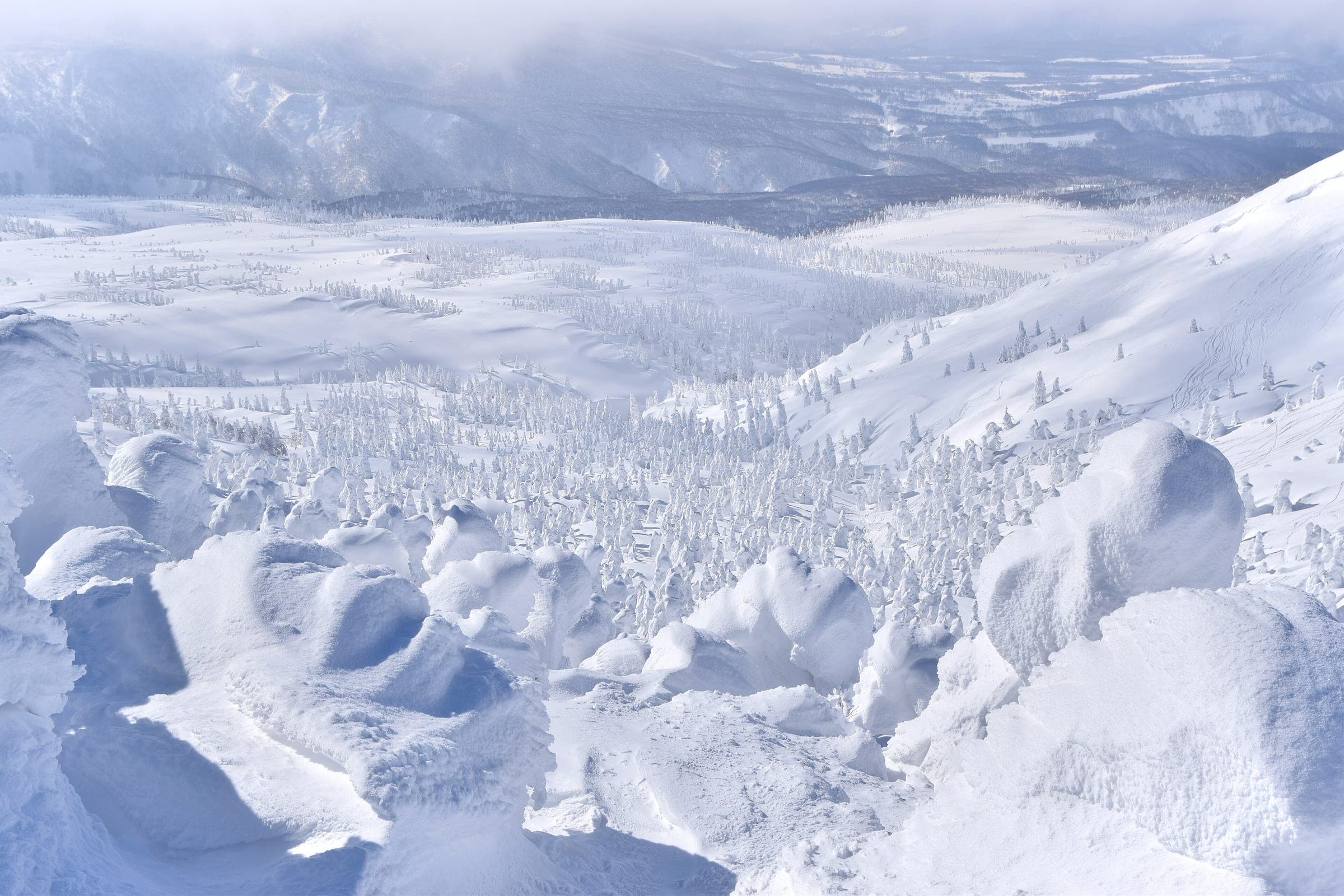
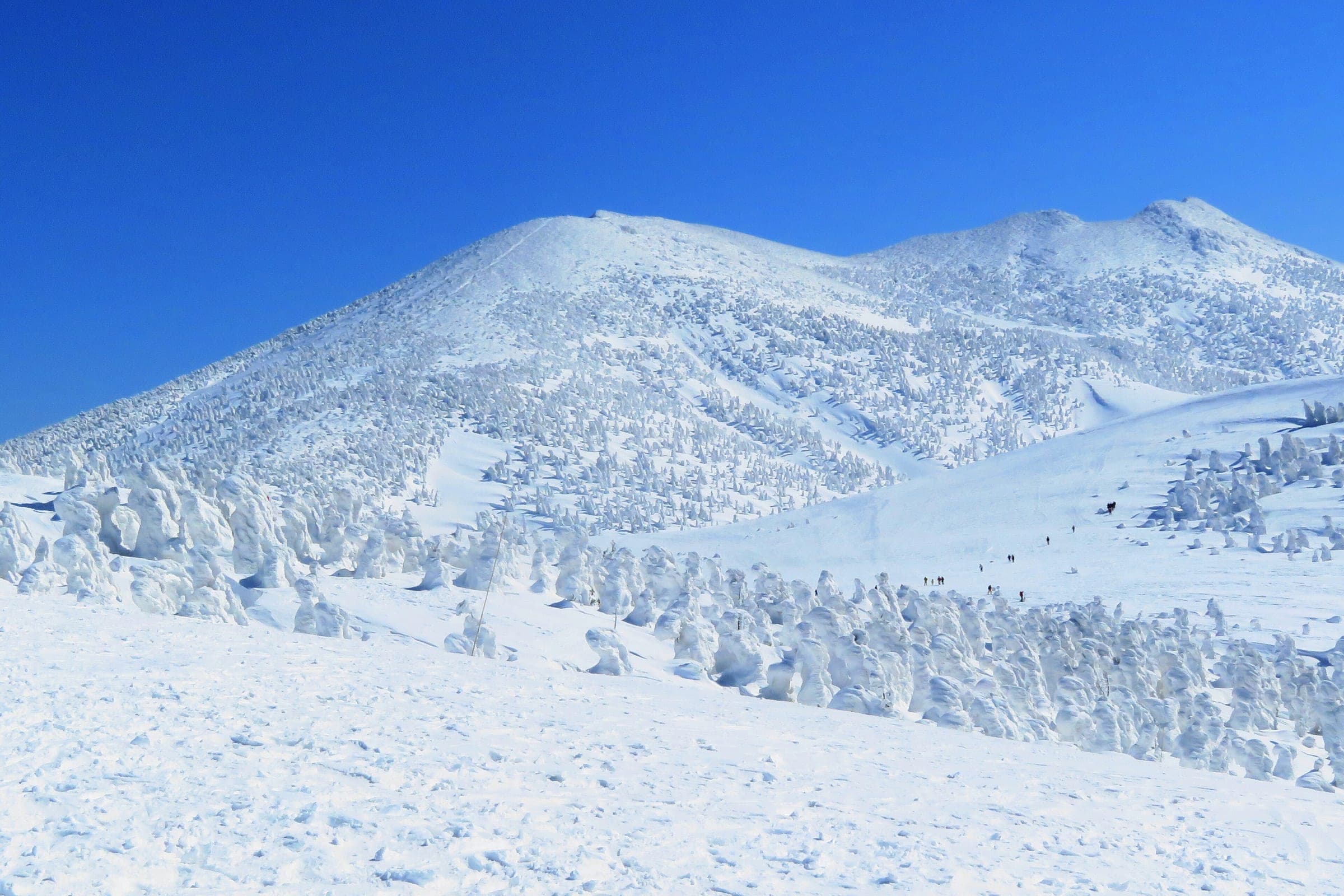
The shorter course, ungroomed, running beside the frost-coated fir field.
Good for rime-crusted trees, powder
Forestフォレストコース
A steep opening section, then a long gentle run through the trees to the base.
Good for steep start, long tree-lined run
Know the zones before you goエリア
Ropeway courses
zoneAdvanced
The two patrolled courses from the summit station, marked by poles, nets and numbered signs.
Good for ungroomed powder, rime-crusted trees
Tour routes
backcountryExpert
Six named routes beyond the managed area, opening in stages from early March to early April. They finish away from the ropeway.
Good for guided touring, spring descents
Beyond the ropes · Open inside the boundary
Only the Direct and Forest courses are patrolled. The tour routes and the rest of the mountain fall outside the managed area under the Mt. Hakkoda Local Rules. Everyone entering that terrain files a mountain entry form, and the safety council bills any search and rescue.
- Submit a mountain entry notification form before going into any uncontrolled area, including every tour route.
- Don't enter the mountain alone, and remember every tour route comes down somewhere other than the ropeway base.
- Search and rescue anywhere outside the two courses, in a closed course or outside operating hours is billed, and consent to billing applies from the moment anyone calls for help.
- Fees run ¥30,000 per rescuer per day, ¥50,000 for each emergency ropeway run, ¥10,000 an hour per snowcat and ¥10,000 for each emergency lift run, plus logistics, communication and meals.
- The rescue team can call off a search for safety in bad weather.
- Hakkodasan is an active volcano. Check JMA's level before you go up, and read the access limits listed under this resort's FAQs.
3 lifts on the map
Know the liftsリフト
Season 2026/27
Buy the right ticket
Hakkoda sells rides, not day tickets. Since 1 August 2026 an adult pays ¥1,550 one way or ¥2,500 return, and children ¥450 or ¥700. A six-ride ticket costs ¥7,050 and an eleven-ride ticket ¥12,000, each for one person only. The snow season pass costs ¥72,500 for 1 December to 5 May, and the one-month pass ¥40,000. Both go on sale on 20 November 2026 and need a passport-size photo.
Get thereアクセス
From Tokyo Station
- Drive
- About 24 km from Aomori city on Route 103, or about 19 km from Aomori-chuo IC
- Bus
- JR Bus Tohoku runs from Aomori Station to the ropeway in about 80 minutes in winter for ¥1,290 one way.
- Train
- Tohoku Shinkansen from Tokyo to Shin-Aomori, then on to Aomori Station for the JR Bus to the Hakkoda Ropeway stop.
The nearest station is Aomori. The JR Bus to the ropeway leaves from Aomori Station. Shin-Aomori is the Shinkansen station.
Aomori Taxi runs fixed-fare taxis to the base station from around the prefecture.
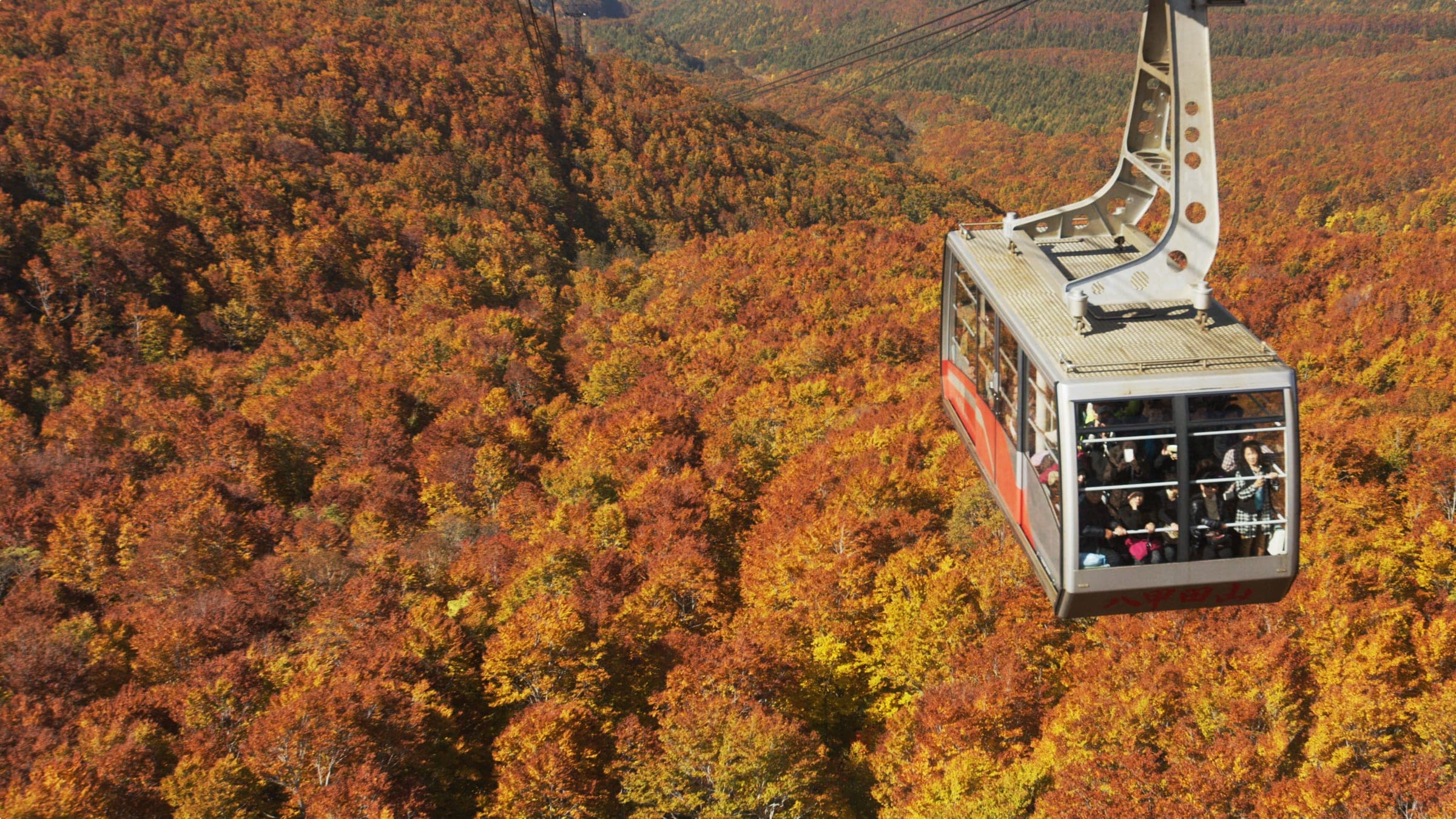
Hakkoda is one ropeway and two long ungroomed courses on Mt. Tamoyachi, south of Aomori city. The cabin climbs to Sancho Koen Station at 1,324 m in about ten minutes. On a clear day the summit looks out over the Tsugaru and Shimokita peninsulas toward Hokkaido. Both courses are left ungroomed, and the ropeway grades them intermediate to advanced.
The Direct course runs 3.5 km beside the field of rime-crusted trees. The Forest course drops steeply for about a kilometre, then eases into a long tree-lined run to the base, 5 km in all. Poles, nets and signs keep riders on line, and patrol sweeps both. Beginners use the Hakkoda Kokusai ski area beside the base station, which grooms its runs.
The named tour routes start at the summit and come down at Sukayu Onsen, Hotel Jogakura, Hakkoda Onsen or the Tashiro plateau. The Miyasama, Chuo and Jogakura routes usually open in early March, and the Dozo, Hakkoda Onsen and Hokibadai routes in early April. They sit outside the managed area, with no patrol, so go with a guide.
The ropeway runs every 15 to 20 minutes and stops when the wind reaches 25 m/s. Riders pay by the ride. From 1 August 2026 a one-way adult ticket costs ¥1,550. Hakkoda doesn't rent gear or teach lessons.
Worth knowing
- Buy the eleven-ride ticket if you plan four or more laps over your stay. It covers one rider only.
- In winter the JR Bus from Aomori Station takes about 80 minutes and costs ¥1,290. In winter the route ends at Sukayu Onsen because the road beyond is closed.
- Check the ropeway's summit weather and visibility report on its homepage before you leave town.
- Arrange rental gear before you arrive. The ropeway's ski page links to a rental and ski school service nearby.
Quick answers about Hakkodaよくある質問
What do Hakkodasan's volcanic alert levels mean for the ropeway?
Hakkodasan is at JMA Level 1, which means quiet activity with possible ash or gas inside the craters. At Level 2 JMA restricts access around the craters, about 2 km from Odake and about 1 km from Jigokunuma. Level 3 brings entry restrictions on the mountain. JMA's scenario for that level covers large blocks up to about 3 km from Odake and pyroclastic flows up to about 6 km, with meltwater mudflows possible within about 6 km in the snow season. JMA's map of the restriction zones marks the facilities around the Hakkoda Ropeway.
Can beginners ski at Hakkoda?
The ropeway's two courses are ungroomed and graded intermediate to advanced. Beginners ride at Hakkoda Kokusai next to the base station, which grooms its runs.
Is Hakkoda open all year?
Hakkoda opens for part of the year. The ropeway stops for maintenance and power-line work from 8 to 20 November 2026. Hakkoda had not set its 2026/27 ski opening on 11 October 2026.
How big is Hakkoda?
Hakkoda has 2 runs and 1 lifts over 657 m of vertical, from 667 m at the base to 1,324 m at the top. OpenStreetMap maps 2.4 km of piste there.
How steep is Hakkoda?
The steepest mapped pitch at Hakkoda is about 27.2° over 60 m. We measure it from OpenStreetMap's run lines and the elevation model.
Can you ride off-piste at Hakkoda?
Only the Direct and Forest courses are patrolled. The tour routes and the rest of the mountain fall outside the managed area under the Mt. Hakkoda Local Rules. Everyone entering that terrain files a mountain entry form, and the safety council bills any search and rescue.
How do you get to Hakkoda from Tokyo Station?
Hakkoda is about 24 km from Aomori city on Route 103, or about 19 km from Aomori-chuo IC by car from Tokyo Station. By bus: JR Bus Tohoku runs from Aomori Station to the ropeway in about 80 minutes in winter for ¥1,290 one way.
When is the season at Hakkoda?
Hakkoda usually opens early December in a typical year; the ropeway hadn't set a 2026/27 date by 11 October 2026 and closes early May in a typical year; the snow season pass runs to 5 May.
Within 25 km
Places to stay nearby宿
Within 30 km
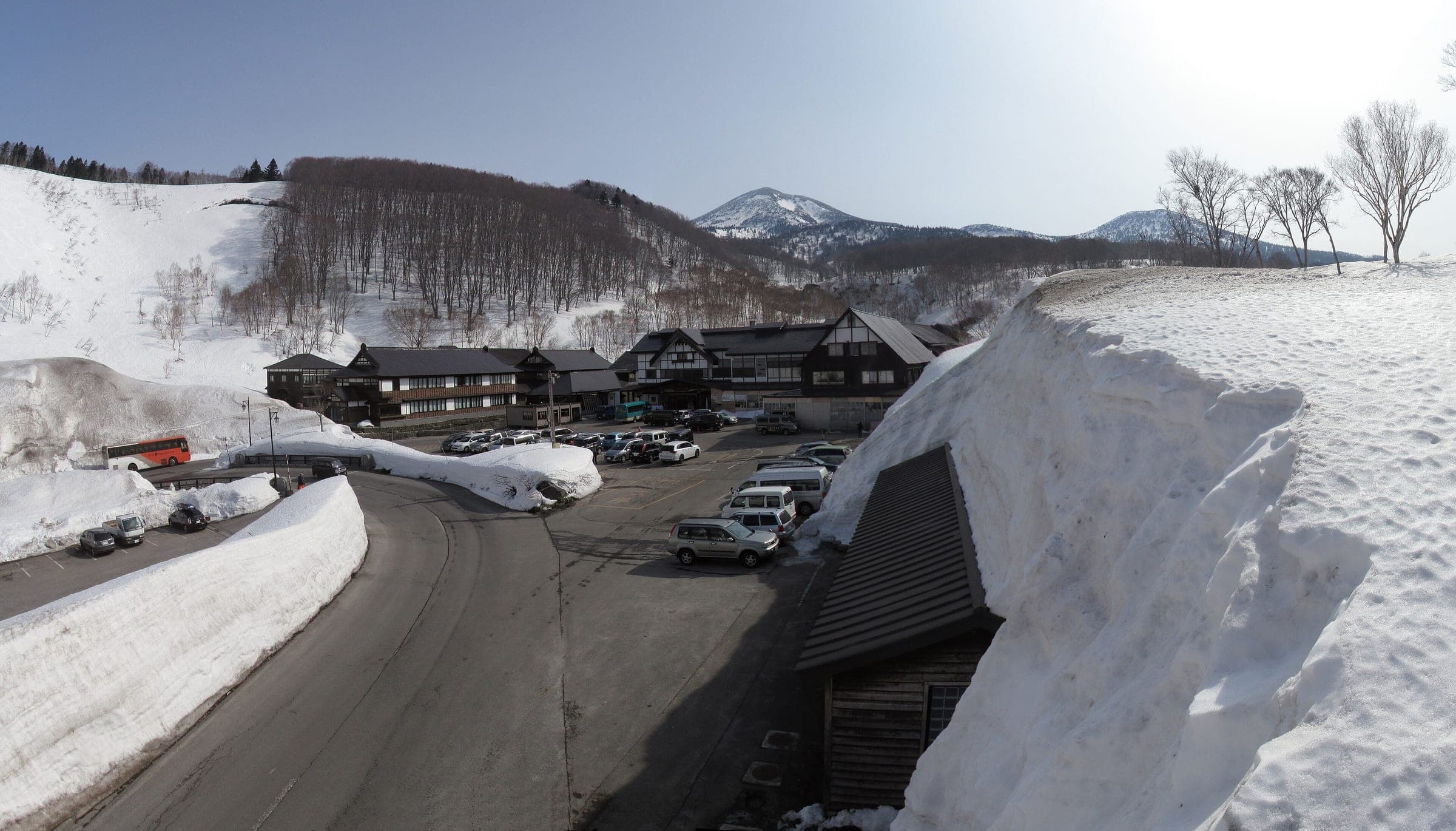
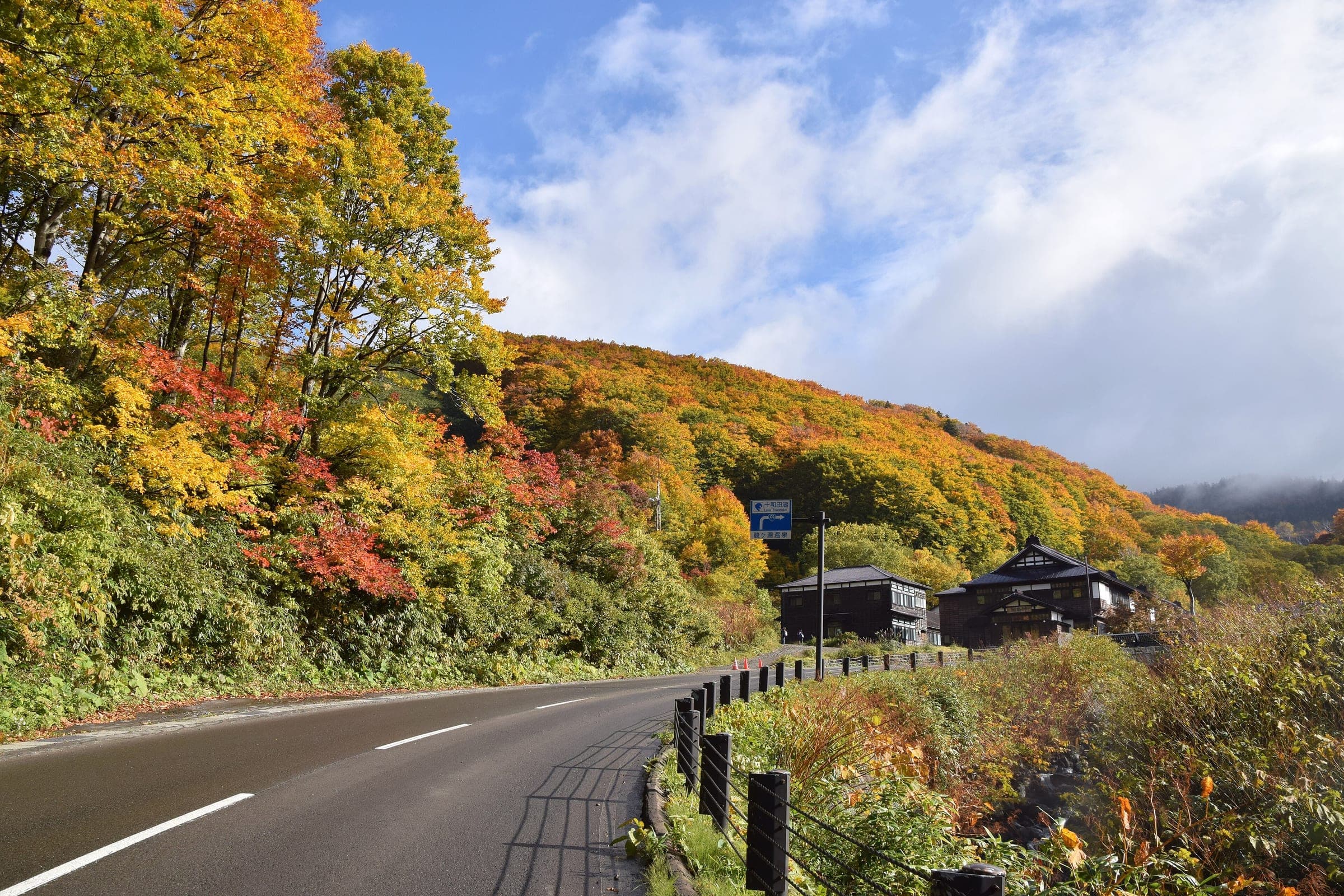
Hot springs nearby温泉
Within 35 km
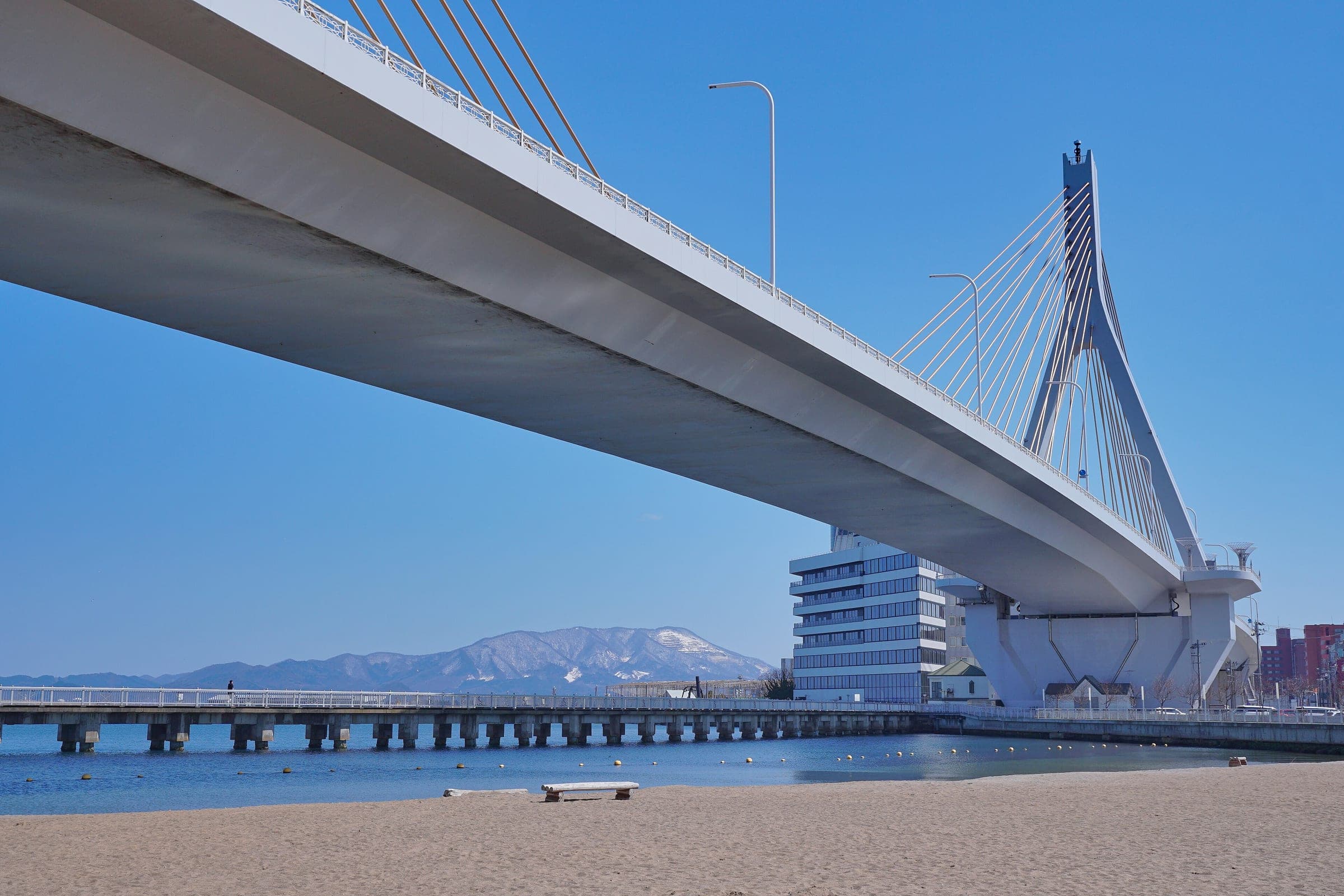
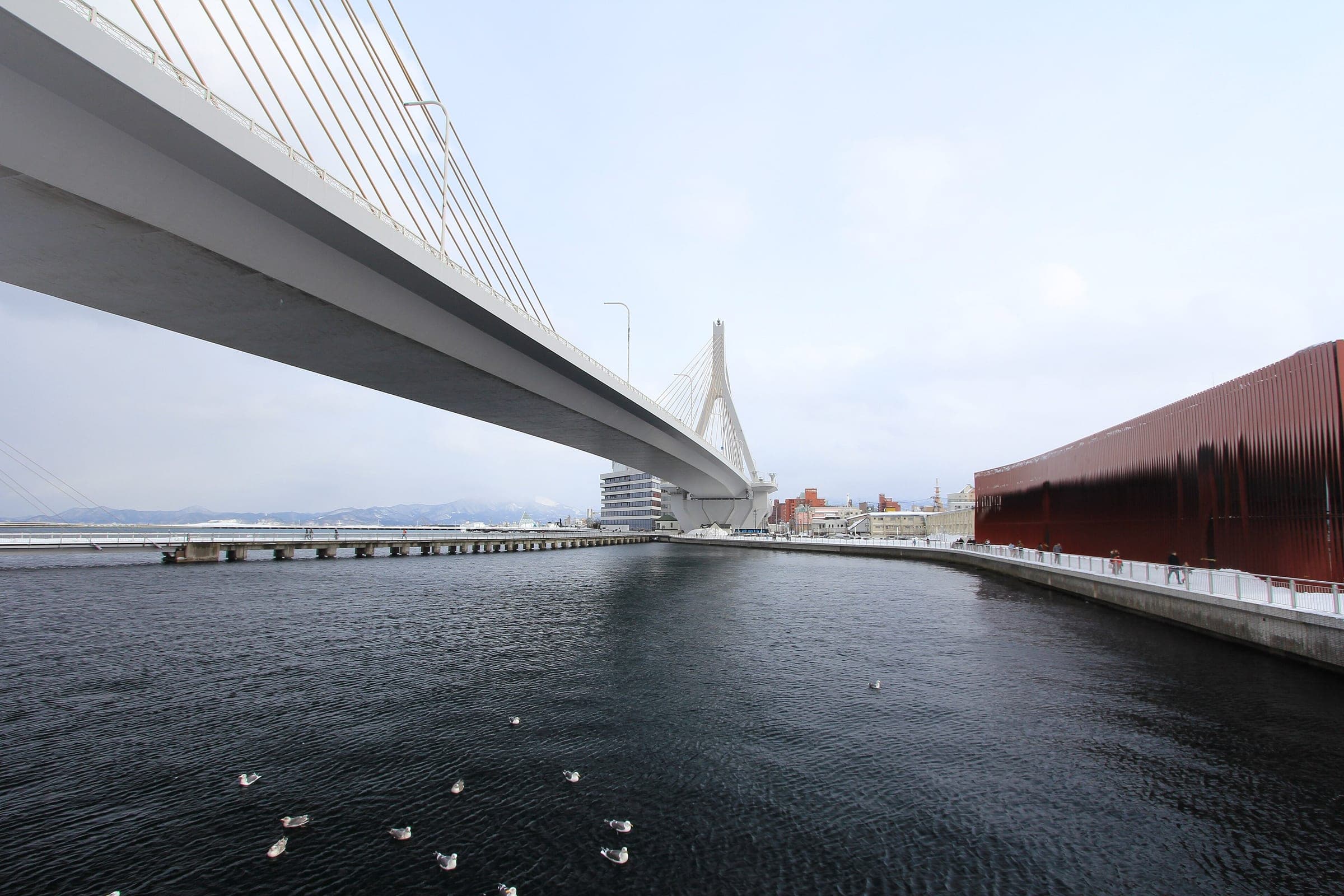
Towns and neighbourhoods nearby町
Within 80 km
Ski resorts nearby山
In the journal and guides
Read more about Hakkoda特集
Snow feature · 11 min read
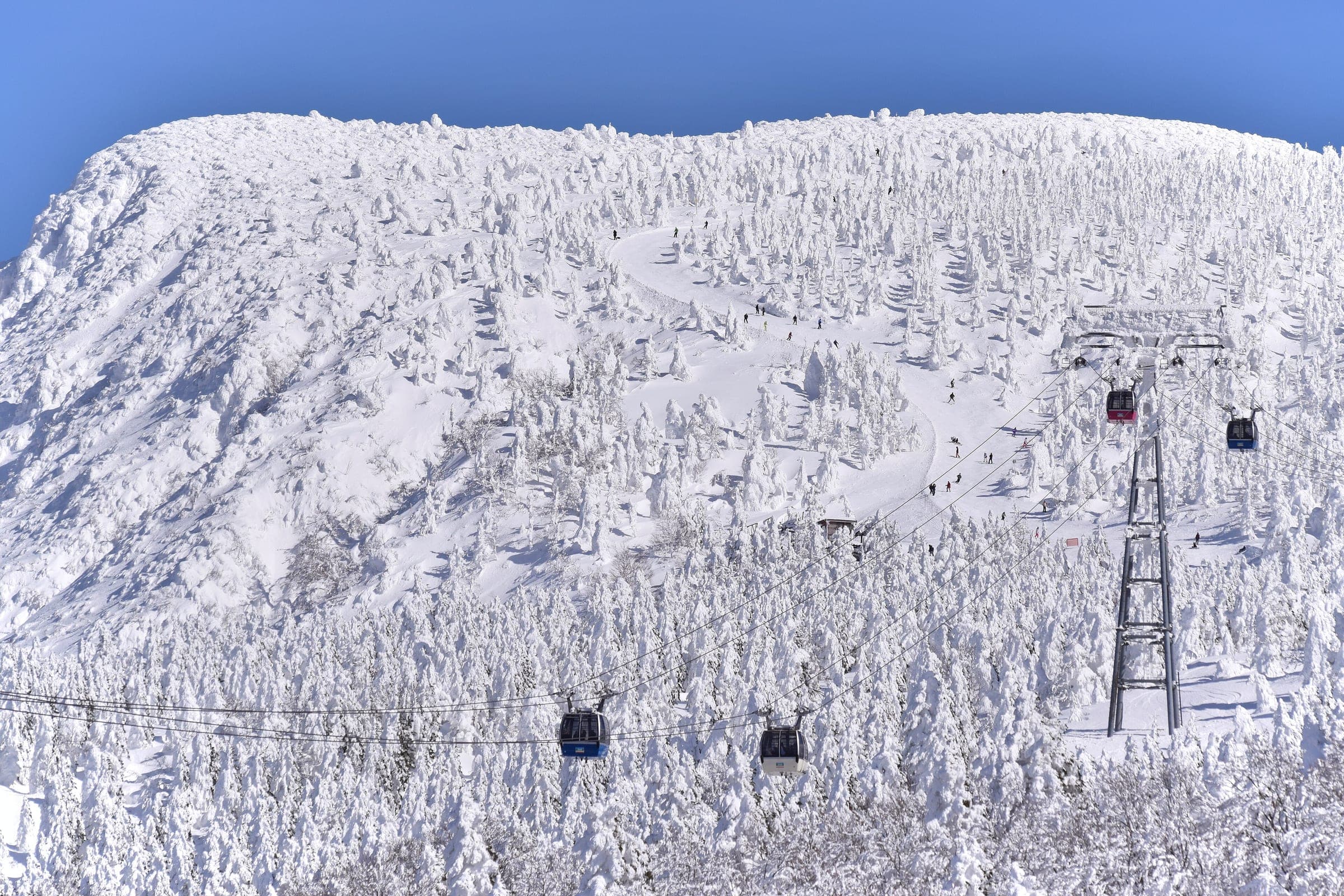
When should you ride Zao and Hakkoda for the snow monsters?
February is the month. Zao Ropeway puts its snow monsters at full size then, on a big ticketed mountain above a sulphur onsen village. Hakkoda gives one ropeway and two ungroomed courses through its own fir groves, with tour routes opening from early March.
Practical guide · 10 min read
How do backcountry gates and rescue costs work at Japan's ski resorts?
Japanese resorts let riders out only through designated gates once a climbing plan is filed, and every resort here that publishes a rescue rule bills the rider. Zao bans riding off its courses altogether.
Practical guide · 6 min read
What does JaPow mean?
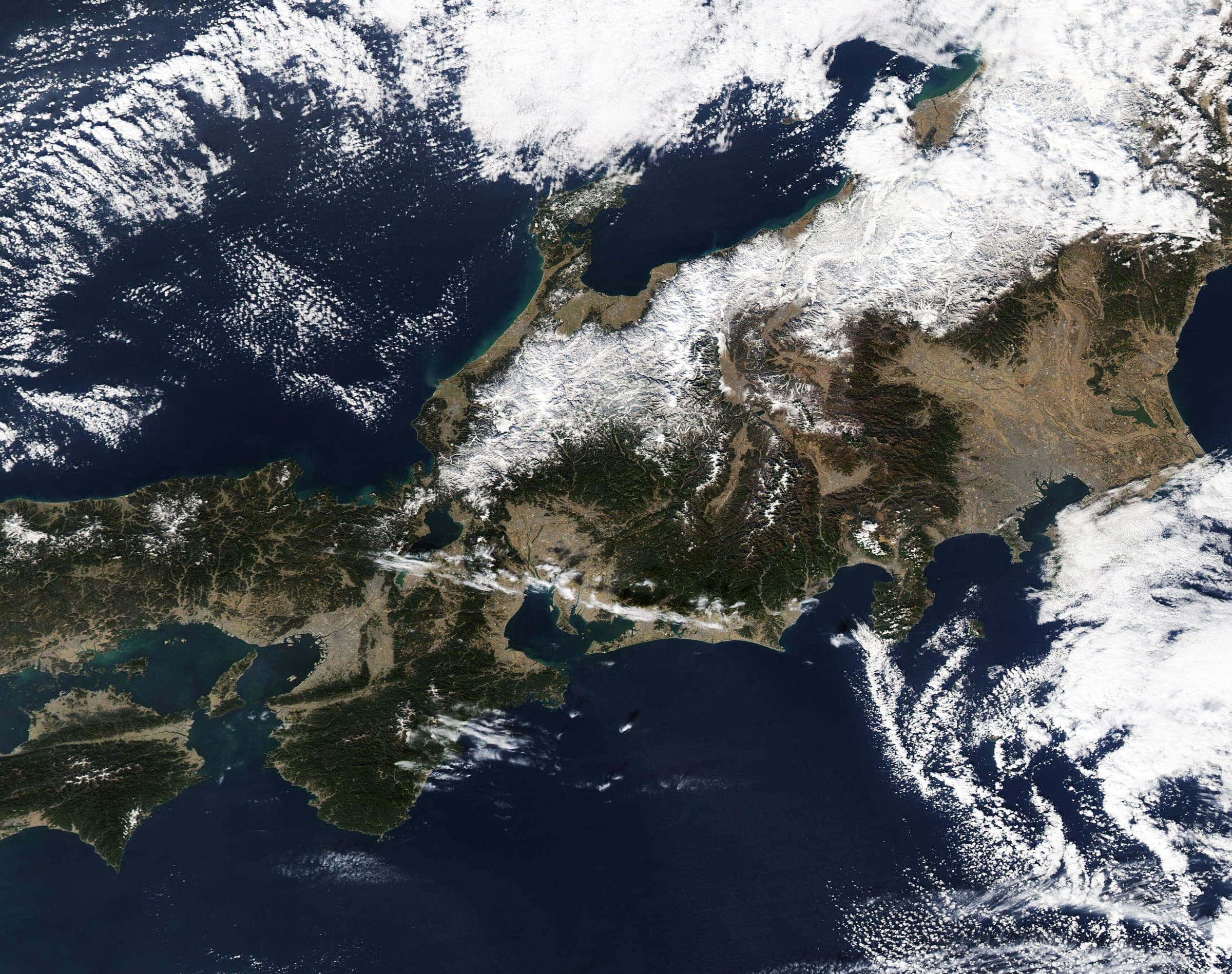
JaPow is skier slang for Japan's powder snow, a blend of Japan and pow. The snow comes from cold northwesterly winds that cross the Sea of Japan and unload on the mountains facing it, with January the snowiest month at every JMA station we keep near a ski area.