Oyamazumi Shrine
大山祇神社34°15′ N 133°00′ EShrineEnshrined at Miyaura in 719; main hall…
Oyamazumi Shrine suits anyone crossing Omishima who wants to see the island's great shrine and Japan's largest store of old armour, and the trade-off is a detour of a few kilometres off the blue line.
Photo そらみみ · Wikimedia Commons · CC BY-SA 4.0 and others, credited in the gallery
Visiting with care · Open to visitors
Oyamazumi is a working shrine where people come for prayers and life rites, so services may be under way in the worship hall when you arrive.
- Entry to the shrine grounds is free, and the treasure hall charges an entry fee
- The treasure hall opens 9:00 to 16:30 with last entry at 16:00
- The shrine's notice asks visitors to wear a mask inside the treasure hall
- Bow at the torii and rinse your hands and mouth at the water basin before you approach the worship hall
- Leave the bike outside the precinct and walk in
- Step back from prayers and rites in progress, and keep cameras pointed at the buildings from outside
- Leave the sacred camphor and its fence untouched
Related places
Oyamazumi Shrine is the first shrine of old Iyo Province, and it has long been honoured as Nihon Sochinju (guardian shrine of all Japan). It enshrines Oyamatsumi no Okami, a mountain god in the old chronicles, and the Iyo fudoki also calls him a god of the sea and of crossings. The shrine moved to its present site at Miyaura in 719. Its main hall and worship hall were rebuilt in the early Muromachi period and are Important Cultural Properties.
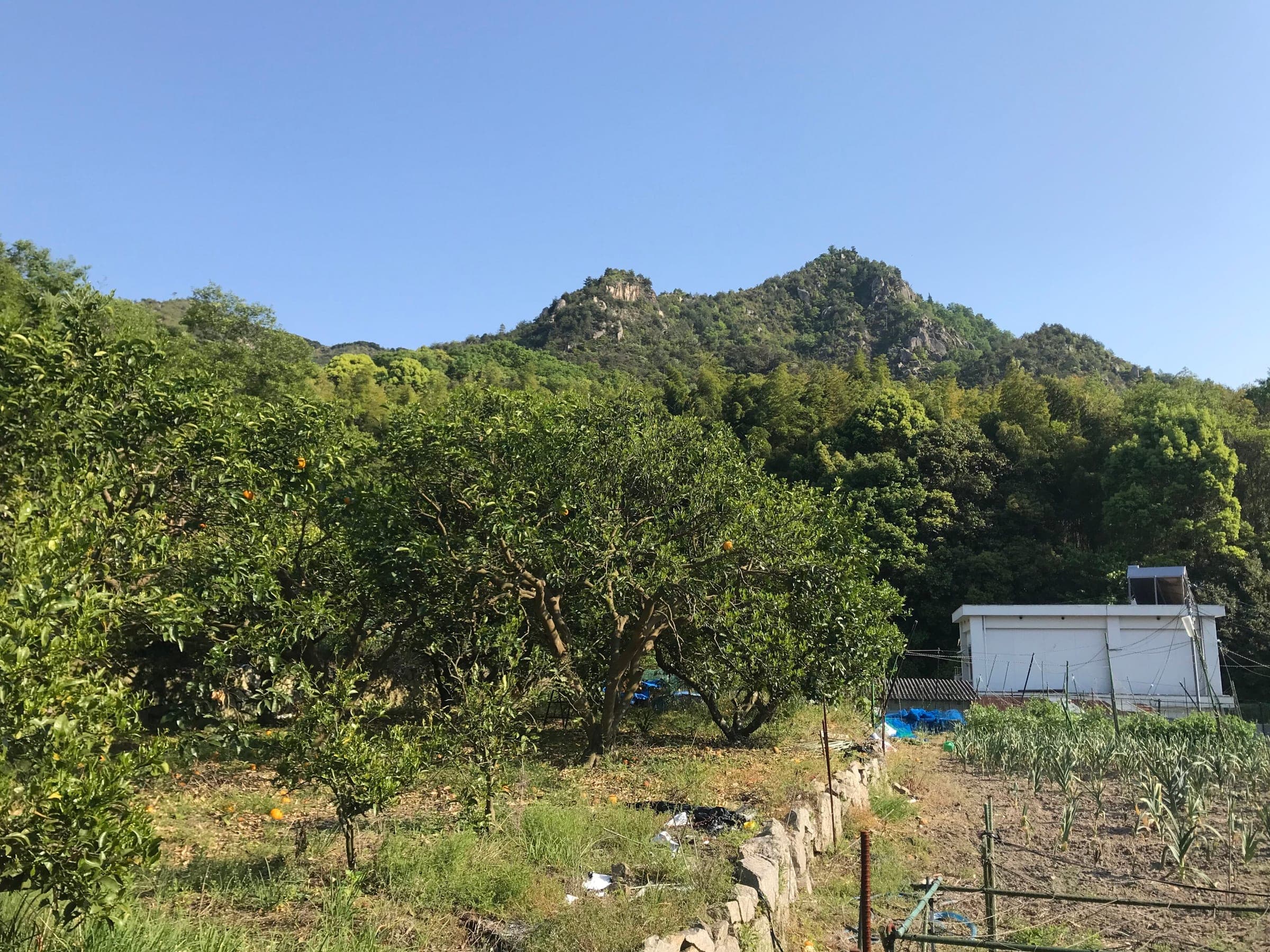
The camphor in front of the main hall is the sacred tree. Tradition says Ochi no Mikoto planted it before Emperor Jimmu's eastern campaign, and the shrine gives its age as about 2,600 years. Three hills rise behind the halls, and an old shrine map shows them as the sacred mountains of the three shrines. Washigato-san is the tallest of them and the highest point on the island at 436.5 metres.
About 80 percent of the armour and weapons in Japan designated National Treasures or Important Cultural Properties are kept in the treasure hall, and that is why Omishima is called the island of national treasures. Japan's oldest armour, from the mid-Heian period, is here. So is a cuirass that shrine tradition says Tsuruhime wore in the Omishima battle of 1541, and she was the daughter of the shrine's priest Ohori Yasumochi.
Worth knowing
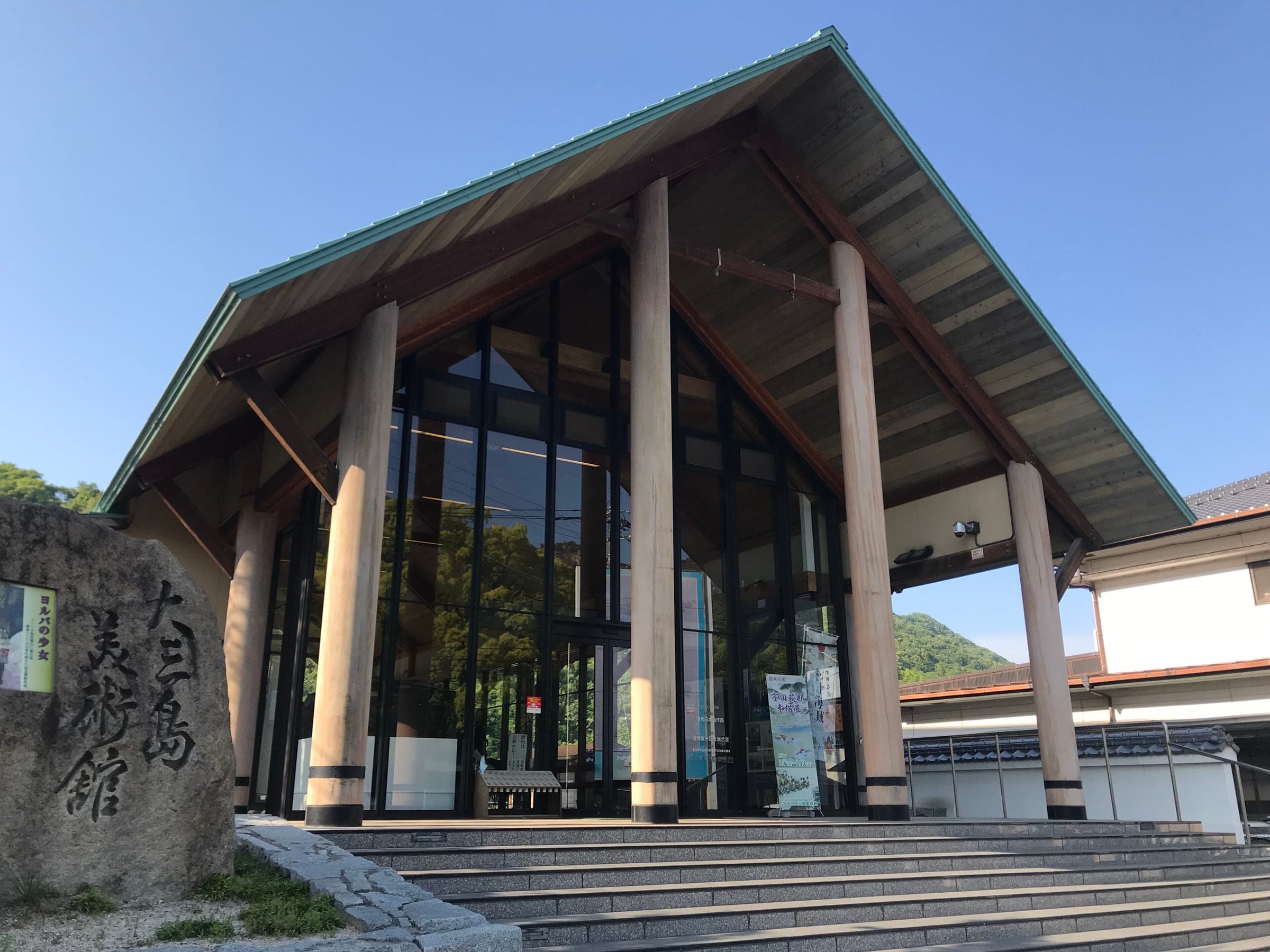
- The Omishima Museum of Art stands next to the shrine and makes an easy second stop.
- Shimanami Japan's Omishima rental terminal is at the Tatara Shimanami Park rest stop on the east side of the island, so the shrine is a ride across the island from the route.
Quick answers about Oyamazumi Shrineよくある質問
Is Oyamazumi Shrine free to visit?
Yes. The grounds of Oyamazumi Shrine on Omishima are free. The treasure hall charges ¥1,000 for adults according to Visit Shimanami, and it opens 9:00 to 16:30 with last entry at 16:00.
Why is Omishima called the island of national treasures?
Oyamazumi Shrine's treasure hall holds about 80 percent of the armour and weapons in Japan that are designated National Treasures or Important Cultural Properties, including Japan's oldest armour from the mid-Heian period.
Can you visit Oyamazumi Shrine?
Open to visitors. Entry to the shrine grounds is free, and the treasure hall charges an entry fee. The treasure hall opens 9:00 to 16:30 with last entry at 16:00. The shrine's notice asks visitors to wear a mask inside the treasure hall.
How much does Oyamazumi Shrine cost?
Prices at Oyamazumi Shrine start at ¥1,000 per adult (2026), about CAD 9 or USD 6.30 (October 2026 rates).
What are the opening hours of Oyamazumi Shrine?
Oyamazumi Shrine keeps these hours: Mon–Sun 09:00–16:30.
How should you behave at Oyamazumi Shrine?
At Oyamazumi Shrine: Bow at the torii and rinse your hands and mouth at the water basin before you approach the worship hall. Leave the bike outside the precinct and walk in. Step back from prayers and rites in progress, and keep cameras pointed at the buildings from outside. Leave the sacred camphor and its fence untouched.
Within 12 km
Sights nearby見どころ
Within 12 km
Places to eat and drink nearby食
Within 12 km
Culture and history nearby文化
Within 12 km
Places to stay nearby宿
In the journal