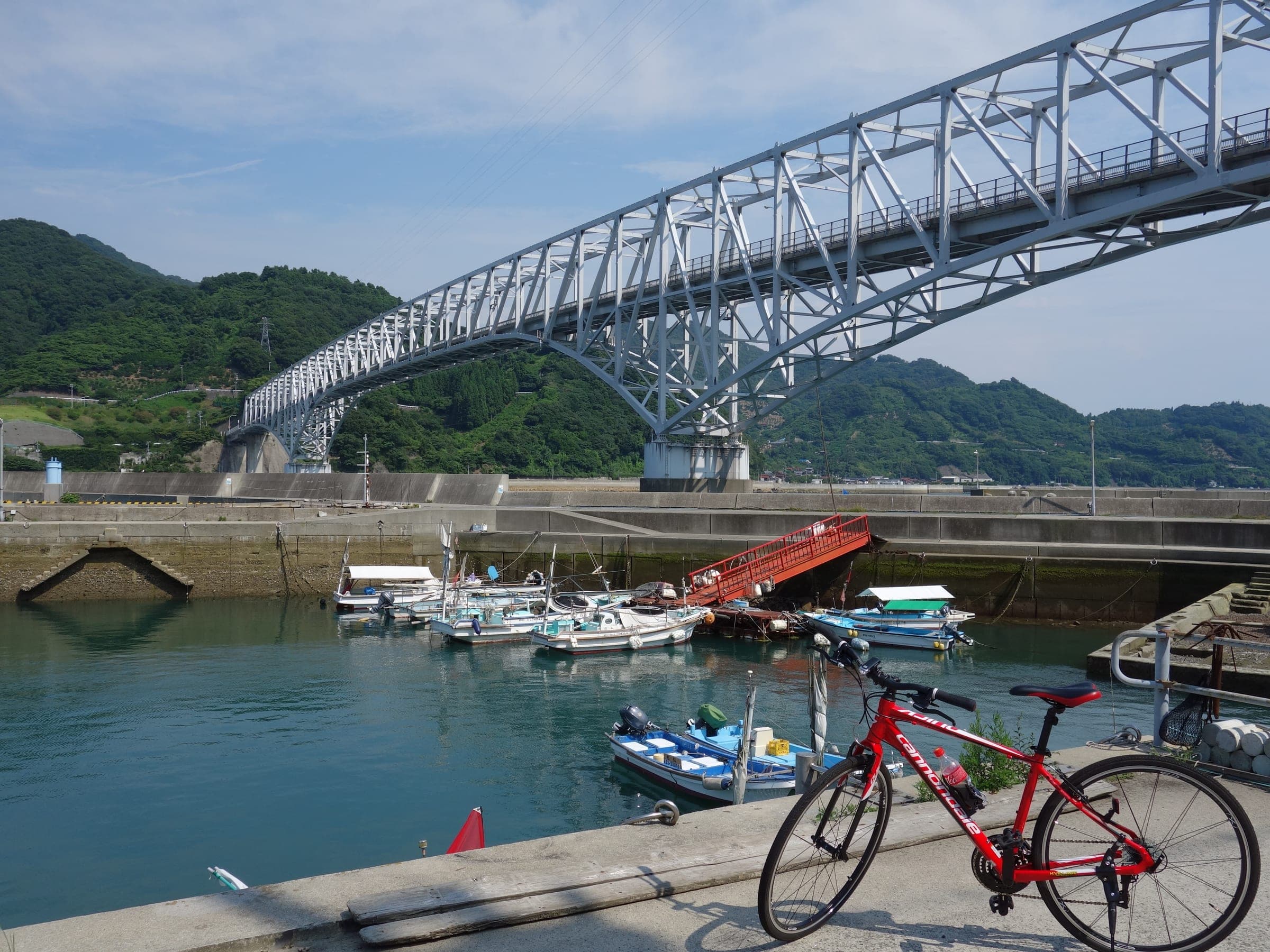
Okunoshima
大久野島34°18′ N 133°00′ EMemorialArmy poison gas plant from 1929 until…
Okunoshima suits visitors who want to learn how Japan's army made poison gas in secret on this island from 1929, and the trade-off is a small museum and ruins that tell the story in fragments.
Photo そらみみ · Wikimedia Commons · CC BY-SA 4.0
Visiting with care · Open to visitors
Takehara city runs the museum; call 0846-26-3036 to check for closures before you cross.
- The poison gas museum charges ¥150 for visitors aged 19 and over, and younger visitors enter free
- The museum closes from 29 December to 3 January
- Visitors are asked not to bring pets to the island
- Treat the plant ruins as a memorial to the workers, students and islanders the gas harmed
- If you find metal debris on the shore, leave it untouched and tell the visitor centre
In 1929 the Imperial Japanese Army built a secret plant on Okunoshima to make poison gas. To hide it the island was left off maps, and workers were forbidden to tell even their families what they did there. Late in the war, students mobilized for war work were sent to the factory, and many workers and islanders were harmed by the gas. International treaties had banned chemical weapons after the First World War, and the army used them mainly in its fighting in China.
After the surrender much of the evidence was destroyed. The Okunoshima Poison Gas Museum opened in 1988 to set out the suffering the plant caused and to call for lasting peace, and schools now come here for peace education. Ruins of the gas storage sheds and the old power plant stand among the trees, and three gun batteries survive from the island's Meiji-era fortress.
The museum opens 9:00 to 16:00 with last entry at 15:40, and adults of 19 and over pay ¥150. Ferries cross from Tadanoumi port in Takehara, where the public car park holds about 200 cars for free. Today the island is a national-park resort, and about a thousand wild rabbits live on it.
Worth knowing
- Visit the museum before you walk the island, so the ruins make sense when you reach them.
- The Ministry of the Environment asks anyone who finds metal debris on the beaches to leave it alone and report it to the visitor centre, after fragments that may come from gas canisters were found on the shore.
- Visitors are asked to leave pets at home to protect the rabbits.
Quick answers about Okunoshimaよくある質問
Why was Okunoshima removed from maps?
From 1929 the Imperial Japanese Army made poison gas in secret on Okunoshima, and the island was left off maps to hide the plant. The Okunoshima Poison Gas Museum, opened in 1988, tells that history.
How much is the Okunoshima Poison Gas Museum?
The Okunoshima Poison Gas Museum costs ¥150 for visitors aged 19 and over, and younger visitors enter free. It opens 9:00 to 16:00, with last entry at 15:40, and closes from 29 December to 3 January.
Can you visit Okunoshima?
Open to visitors. The poison gas museum charges ¥150 for visitors aged 19 and over, and younger visitors enter free. The museum closes from 29 December to 3 January. Visitors are asked not to bring pets to the island.
What are the opening hours of Okunoshima?
Okunoshima keeps these hours: Mon–Sun 09:00–16:00.
How should you behave at Okunoshima?
At Okunoshima: Treat the plant ruins as a memorial to the workers, students and islanders the gas harmed. If you find metal debris on the shore, leave it untouched and tell the visitor centre.
Within 12 km
Sights nearby見どころ
Within 12 km
Places to eat and drink nearby食
Within 12 km
Culture and history nearby文化
Within 12 km
Places to stay nearby宿
In the journal