guide · 8 min read
Which Japanese phrases help on a ski or cycling trip in Japan?
Two words carry most of a trip, and about forty more get you a lift pass, a new inner tube, a seat for a bagged bike and help when something goes wrong. Each line comes with its kana and a romaji reading you can say out loud.
By Adam BognarPublished
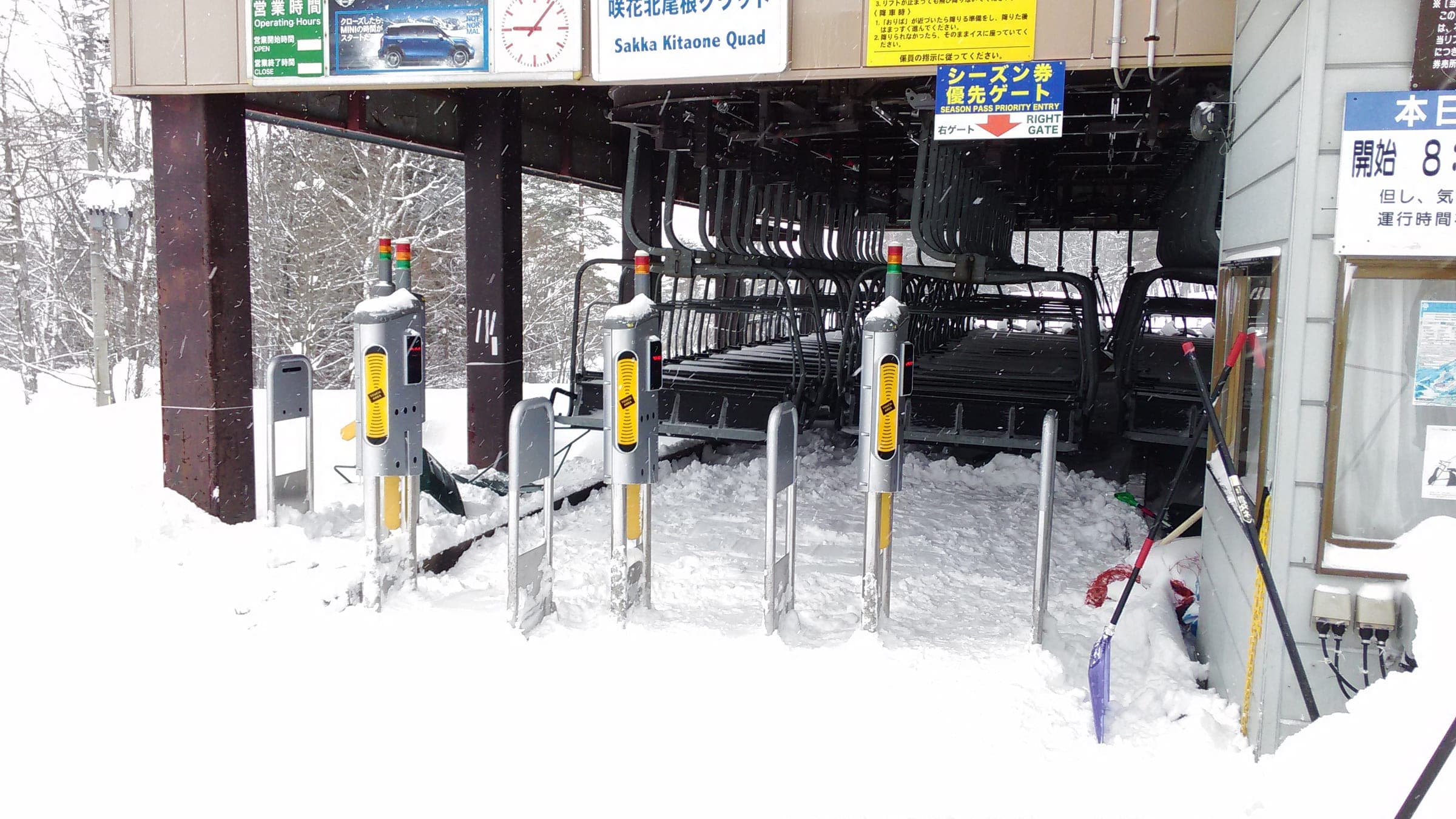
Start with すみません (sumimasen) and ありがとうございます (arigatō gozaimasu). The first gets attention and opens almost any request, and the second closes it. Staff at big resorts and city stations often speak some English. The lines below are for the village baths and country stations where the English runs out.
We wrote each line in plain polite Japanese, the desu and masu form you'd use with a stranger behind a counter. Every phrase has the Japanese as it's written, the reading in kana, the romaji in modified Hepburn and the meaning in English. A line over a vowel in the romaji (ā, ē, ō, ū) means you hold that vowel for twice as long. The u at the end of desu and masu nearly disappears, so desu sounds like "dess".
What do you say at the lift ticket window?
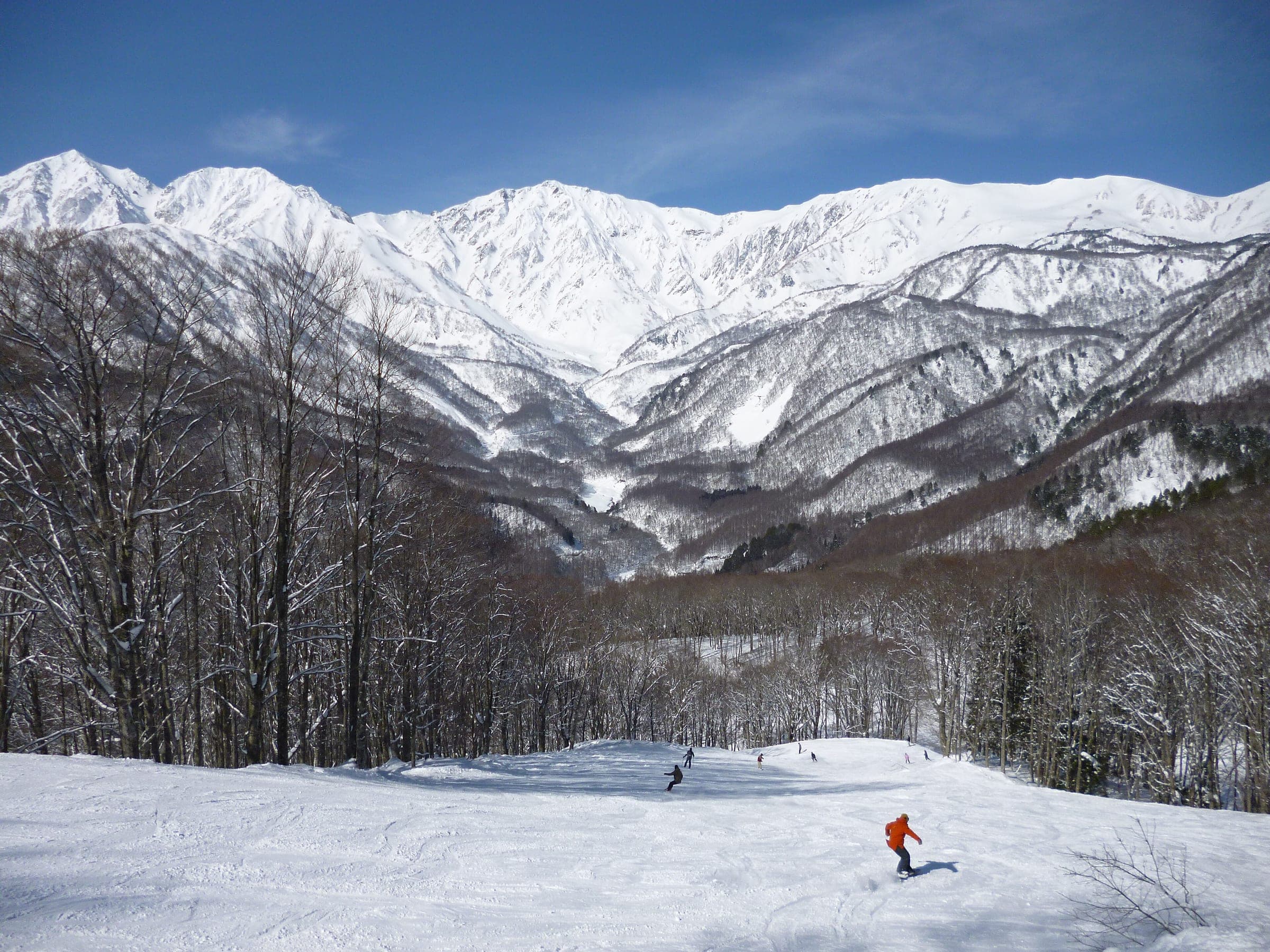
Point at the price board if you need to, and ask for the ticket by type and number. Many resorts load passes onto an IC card with a deposit: ¥500 at Hakuba Goryu and ¥1,000 at Hakuba Iwatake on their published 2026 prices. Hand the card back at the end and ask for the deposit.
| English | Japanese | Kana | Romaji |
|---|---|---|---|
| Two adult one-day passes, please. | 一日券を大人二枚ください。 | いちにちけんを おとな にまい ください。 | Ichinichi-ken o otona nimai kudasai. |
| Do you have a half-day pass? | 半日券はありますか? | はんにちけんは ありますか? | Hannichi-ken wa arimasu ka? |
| Is there night skiing? | ナイターはありますか? | ナイターは ありますか? | Naitā wa arimasu ka? |
| Can I pay by card? | カードは使えますか? | カードは つかえますか? | Kādo wa tsukaemasu ka? |
| Can I get the deposit back? | デポジットは返金されますか? | デポジットは へんきん されますか? | Depojitto wa henkin saremasu ka? |
| Do you speak English? | 英語は話せますか? | えいごは はなせますか? | Eigo wa hanasemasu ka? |
What do you say on the chairlift?
Chairlift talk is short. In a singles line, ask before you join someone's chair, and say so before you lower the safety bar.
| English | Japanese | Kana | Romaji |
|---|---|---|---|
| Mind if I ride with you? | 一緒に乗ってもいいですか? | いっしょに のっても いいですか? | Issho ni notte mo ii desu ka? |
| I'm lowering the bar. | バーを下ろします。 | バーを おろします。 | Bā o oroshimasu. |
| What time does the lift close? | リフトは何時までですか? | リフトは なんじまで ですか? | Rifuto wa nanji made desu ka? |
| Is it windy up top? | 上は風が強いですか? | うえは かぜが つよいですか? | Ue wa kaze ga tsuyoi desu ka? |
The signs at the top station matter more than anything you'll say. Learn these before your first run:
| Sign | Kana | Romaji | Meaning |
|---|---|---|---|
| 運休 | うんきゅう | unkyū | Not running today |
| 強風のため運休 | きょうふうのため うんきゅう | kyōfū no tame unkyū | Stopped because of strong wind |
| コース外 | コースがい | kōsu-gai | Outside the marked runs |
| 立入禁止 | たちいりきんし | tachiiri kinshi | No entry |
| 滑走禁止 | かっそうきんし | kassō kinshi | No skiing or riding here |
| 雪崩注意 | なだれちゅうい | nadare chūi | Avalanche danger |
What do you say at a bike shop?
Say what broke, then ask for the part. Japanese shops name the three valve types by country, so knowing yours saves a lot of pointing.
| English | Japanese | Kana | Romaji |
|---|---|---|---|
| I've got a flat tyre. | パンクしました。 | パンクしました。 | Panku shimashita. |
| Do you have inner tubes? | チューブはありますか? | チューブは ありますか? | Chūbu wa arimasu ka? |
| Can I borrow a pump? | 空気入れを借りてもいいですか? | くうきいれを かりても いいですか? | Kūkiire o karite mo ii desu ka? |
| Presta valve | 仏式バルブ | ふつしき バルブ | futsushiki barubu |
| Schrader valve | 米式バルブ | べいしき バルブ | beishiki barubu |
| Woods (Dunlop) valve | 英式バルブ | えいしき バルブ | eishiki barubu |
| Could you adjust my brakes? | ブレーキを調整してもらえますか? | ブレーキを ちょうせい して もらえますか? | Burēki o chōsei shite moraemasu ka? |
| An e-bike, please. | 電動アシスト自転車をお願いします。 | でんどう アシスト じてんしゃを おねがいします。 | Dendō ashisuto jitensha o onegai shimasu. |
On the road, two signs come up again and again. 通行止め (つうこうどめ, tsūkōdome) means the road is closed. 自転車通行可 (じてんしゃつうこうか, jitensha tsūkō-ka) on a pavement sign means bikes may ride there. When you're unsure whether a road goes through, ask:
| English | Japanese | Kana | Romaji |
|---|---|---|---|
| Can I get through on this road? | この道は通れますか? | この みちは とおれますか? | Kono michi wa tōremasu ka? |
What do you say on the train with a rinko bag?
A rinko bag (輪行袋, rinkō-bukuro) is the bag a dismantled bike rides in on Japanese trains. On the Tokaido, Sanyo and Kyushu Shinkansen, a bag over 160 cm in length, width and height combined needs a seat with an oversized-baggage area, and a bagged bike goes in that space only with the booking, so ask for the seat at the ticket window. Our rinko bag guide covers the bag itself.
| English | Japanese | Kana | Romaji |
|---|---|---|---|
| One adult to Onomichi, please. | 尾道まで、大人一枚。 | おのみちまで、おとな いちまい。 | Onomichi made, otona ichimai. |
| A seat with an oversized-baggage area, please. | 特大荷物スペースつき座席をお願いします。 | とくだいにもつ スペースつき ざせきを おねがいします。 | Tokudai nimotsu supēsu-tsuki zaseki o onegai shimasu. |
| The bike is in a rinko bag. | 自転車は輪行袋に入れてあります。 | じてんしゃは りんこうぶくろに いれて あります。 | Jitensha wa rinkō-bukuro ni irete arimasu. |
| May I put my bag here? | 荷物をここに置いてもいいですか? | にもつを ここに おいても いいですか? | Nimotsu o koko ni oite mo ii desu ka? |
| Where is the elevator? | エレベーターはどこですか? | エレベーターは どこですか? | Erebētā wa doko desu ka? |
| I'd like to send this by courier. | 宅急便で送りたいです。 | たっきゅうびんで おくりたいです。 | Takkyūbin de okuritai desu. |
The courier line is the one for sending a board bag or a boxed bike ahead with takkyubin. Swap in your own station for Onomichi on the ticket line.
What do you say at an onsen?
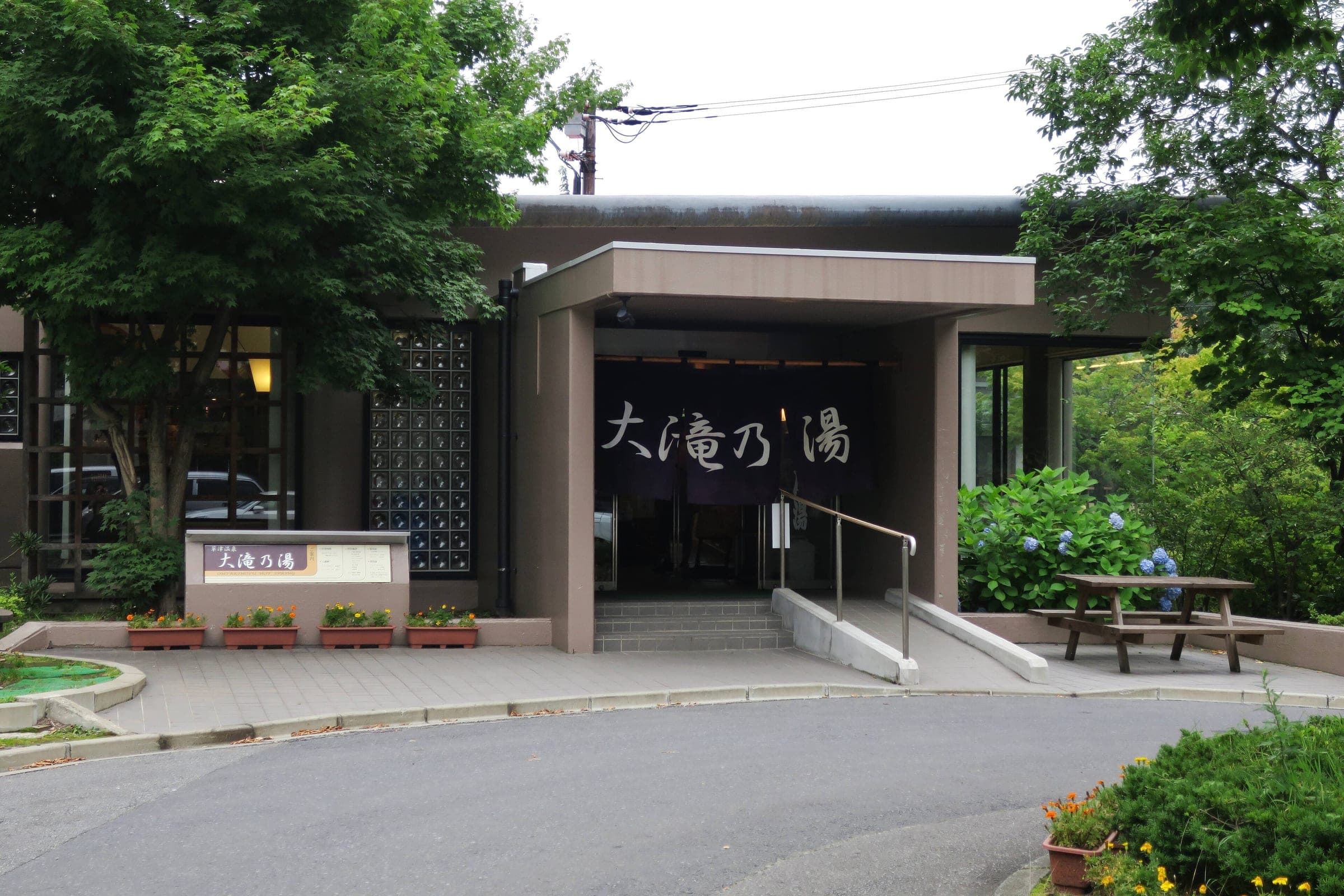
At an onsen the lines you need are mostly about tattoos and towels. Ask about a tattoo at the window before you pay, since most baths publish no rule. Our onsen guide lists the baths that take tattoos, such as Kusatsu's Otaki-no-yu.
| English | Japanese | Kana | Romaji |
|---|---|---|---|
| I have a tattoo. Can I bathe here? | タトゥーがあるんですが、入浴できますか? | タトゥーが あるんですが、にゅうよく できますか? | Tatū ga aru n desu ga, nyūyoku dekimasu ka? |
| Do you have stickers to cover a tattoo? | タトゥーを隠すシールはありますか? | タトゥーを かくす シールは ありますか? | Tatū o kakusu shīru wa arimasu ka? |
| Can I rent a towel? | タオルを借りられますか? | タオルを かりられますか? | Taoru o kariraremasu ka? |
| Is the private bath free? | 貸切風呂は空いていますか? | かしきりぶろは あいて いますか? | Kashikiri-buro wa aite imasu ka? |
Read these on the curtains and signs:
| Sign | Kana | Romaji | Meaning |
|---|---|---|---|
| 男湯 | おとこゆ | otoko-yu | Men's bath |
| 女湯 | おんなゆ | onna-yu | Women's bath |
| 混浴 | こんよく | kon'yoku | Mixed bath |
| 源泉かけ流し | げんせん かけながし | gensen kakenagashi | Water straight from the source, flowing through |
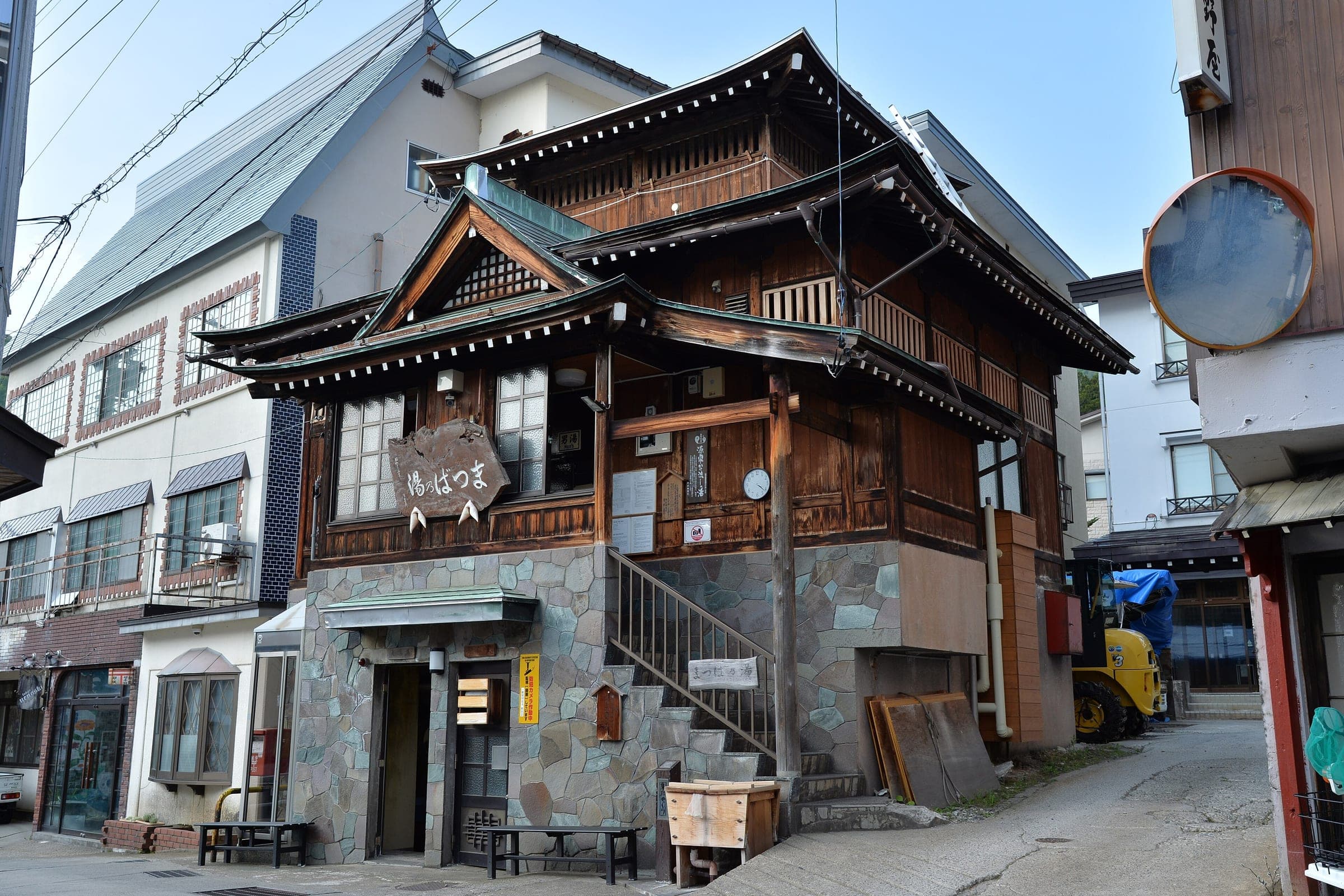
At a village bath such as the Nozawa Onsen soto-yu, nobody sits at a window, so the polite move is a nod and a quiet すみません as you join the bathers already in the tub.
What do you say in an emergency?
Call 119 for an ambulance or a fire and 110 for the police. JNTO runs the Japan Visitor Hotline on 050-3816-2787 in English, Chinese and Korean, 24 hours a day, every day of the year, and it helps with accidents and illness as well as travel questions. Use these lines to get a stranger to help you:
| English | Japanese | Kana | Romaji |
|---|---|---|---|
| Please help me. | 助けてください。 | たすけて ください。 | Tasukete kudasai. |
| Please call an ambulance. | 救急車を呼んでください。 | きゅうきゅうしゃを よんで ください。 | Kyūkyūsha o yonde kudasai. |
| Please call the police. | 警察を呼んでください。 | けいさつを よんで ください。 | Keisatsu o yonde kudasai. |
| I'm hurt. | 怪我をしました。 | けがを しました。 | Kega o shimashita. |
| I think it's heatstroke. | 熱中症かもしれません。 | ねっちゅうしょう かもしれません。 | Netchūshō kamo shiremasen. |
| I've been stung by a hornet. | 蜂に刺されました。 | はちに さされました。 | Hachi ni sasaremashita. |
| I've been bitten by a snake. | 蛇に噛まれました。 | へびに かまれました。 | Hebi ni kamaremashita. |
| I'm lost. | 道に迷いました。 | みちに まよいました。 | Michi ni mayoimashita. |
| Where is the hospital? | 病院はどこですか? | びょういんは どこですか? | Byōin wa doko desu ka? |
| Is there someone who speaks English? | 英語が話せる人はいますか? | えいごが はなせる ひとは いますか? | Eigo ga hanaseru hito wa imasu ka? |
The Japan Tourism Agency's Safety tips app carries its own list of disaster phrases and pushes earthquake and tsunami warnings in English. Our ride safety guide covers heat, hornets and the rest.
Quick answers
How do you say thank you in Japanese?
Say ありがとうございます (arigatō gozaimasu) to thank someone politely in Japanese. In a shop or at a ticket window, it's the form to use with staff.
How do you ask for a lift ticket in Japanese?
Ask for a lift ticket in Japanese with 一日券を大人一枚ください (ichinichi-ken o otona ichimai kudasai), which means "one adult one-day pass, please". Change 一枚 (ichimai) to 二枚 (nimai) for two.
How do you ask if tattoos are allowed at an onsen in Japanese?
Ask タトゥーがあるんですが、入浴できますか? (tatū ga aru n desu ga, nyūyoku dekimasu ka?), which means "I have a tattoo; can I bathe here?" Ask at the onsen window before you pay.
What is a rinko bag called in Japanese?
A rinko bag is called 輪行袋 (rinkō-bukuro) in Japanese. It's the bag a dismantled bike travels in on Japanese trains.
What number do you call for an ambulance in Japan?
Call 119 for an ambulance or a fire in Japan, and 110 for the police. The Japan Visitor Hotline on 050-3816-2787 answers in English 24 hours a day.
We write from operators’ and agencies’ own pages, open map data and published research, and we date every fact we check. How we research.
Places in this piece関連

Read next案内
guide · 10 min read
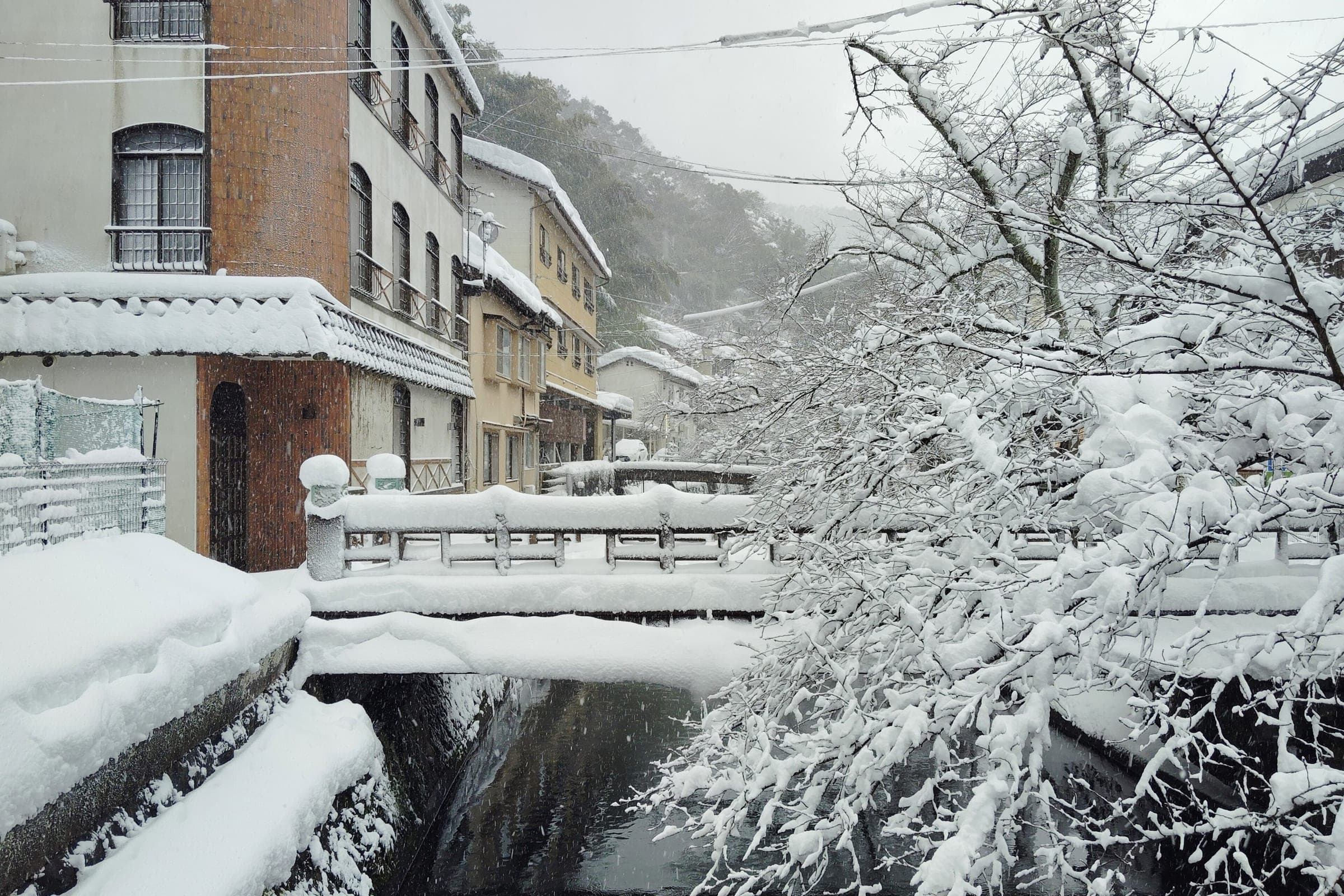
Can you go in an onsen in Japan with a tattoo?
Some of Japan's baths take tattoos, some want them under a cover sticker, and most publish no rule at all. Here is the routine at the taps and in the tub, the baths that say yes, and the ones that say no.
guide · 11 min read
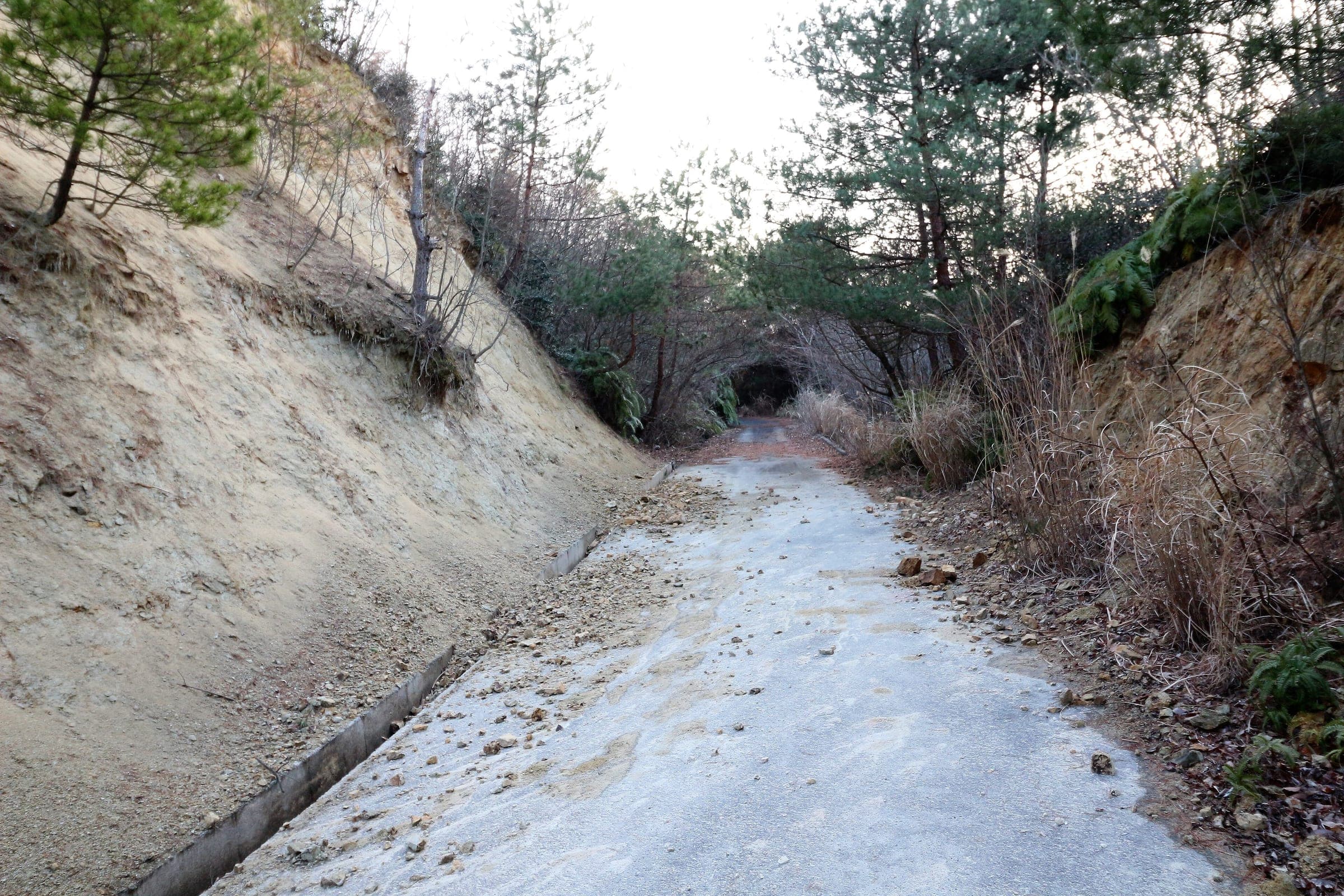
How do you stay safe on a cycling trip in Japan?
Heat sends far more people to hospital than anything with teeth, so the heatstroke alert is the first thing to read on a summer morning. After that come hornets and bears on forest roads, dark tunnels, typhoons from August, and what to do when the ground shakes near the sea.
guide · 8 min read
Do you still need cash in Japan?
Cards and a tap-to-pay travel card cover most of a trip to Japan, and plenty of village baths, soba counters, temple gates and bike-hire desks still want yen. This guide sets out what to carry and how tax-free shopping changes on 1 November 2026.