guide · 8 min read
Do you still need cash in Japan?
Cards and a tap-to-pay travel card cover most of a trip to Japan, and plenty of village baths, soba counters, temple gates and bike-hire desks still want yen. This guide sets out what to carry and how tax-free shopping changes on 1 November 2026.
By Adam BognarPublished
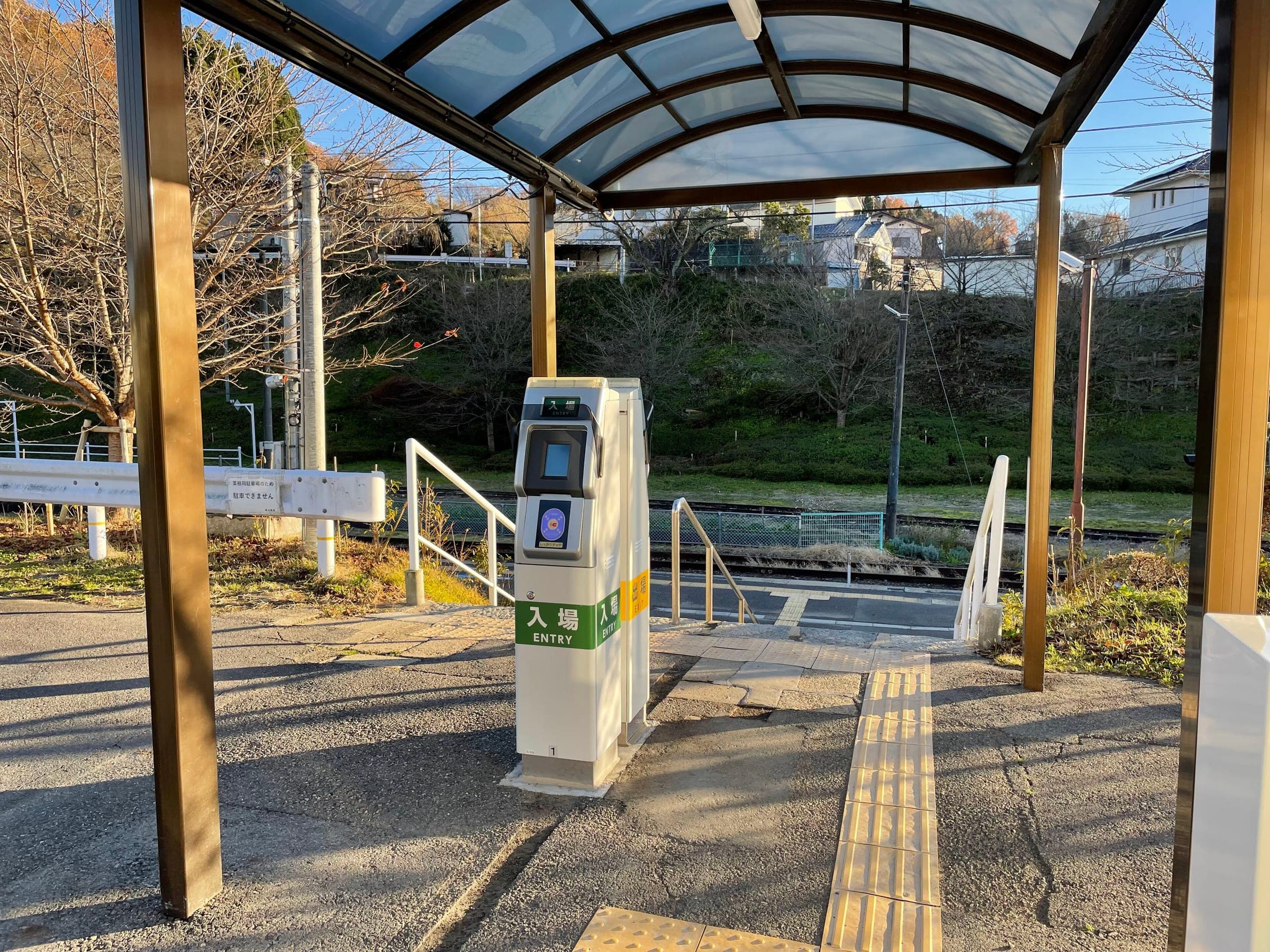
Yes, carry some yen. A credit card covers hotels and resort ticket windows, and a tap-to-pay IC card such as Suica covers local trains and convenience stores. Cash still pays at the places riders end up at the end of the day: town baths, mountain inns' ticket machines, soba counters and bike-hire desks. Take out enough for two days before you head into the mountains, because some resort villages have no ATM at all.
We compared the ways to pay using the official pages of the IC card operators, Seven Bank, Japan Post Bank, the National Tax Agency and the Japan Tourism Agency, all read on 11 October 2026, and the payment rules on the baths, buses, shops and rental desks in Riding Japan's own listings.
| How you pay | Where it works | Where it falls short | What it costs you |
|---|---|---|---|
| Yen in cash | Everywhere, including cash-only baths, temples and rental desks | Carrying it is your own risk, and village ATMs can be missing | Japan Post Bank may charge ¥220 a withdrawal on a foreign card, plus your own bank's fee |
| Credit or debit card | Hotels, chain restaurants, resort ticket windows, most train ticket machines | Small baths and rental desks on our pages that take cash only | Your card's foreign transaction fee |
| IC card (Suica, PASMO, ICOCA and the regional cards) | Trains and buses across Japan, convenience stores, coin lockers, some shops | One tap pays one fare, and the balance tops up with cash | A ¥500 deposit on most cards, by JNTO's count; the visitor cards charge none |
| IC card in a phone wallet | The same places, with no plastic to lose | You need a phone the operator supports | Same fares as the card |
Where will you still need cash?
You'll need it at the small places, and on a ride or a ski trip those are the places you use most. Tenzan Tohji-kyo above Hakone-Yumoto takes cash only for its ¥1,450 entry. Sukayu Onsen in the Hakkoda mountains sells day tickets from a cash-only machine, and Kur Garden Rotenburo in Gero takes nothing else. Yamadera in Yamagata collects its ¥500 entry in cash, and Biwaichi Rental Cycle Maibara takes cash or PayPay with no cards. PayPay is a Japanese QR-code wallet, so treat a counter that lists only cash and PayPay as cash-only unless you already use it.
Cards turn up in unexpected places too. Nakanoya, a soba house by Echigo-Yuzawa Station, takes cards, PayPay and Suica. Tsurunoyu Onsen at Nyuto takes Visa and Mastercard and no other brand.
Plan your cash before you go up the hill. Madarao has no ATMs anywhere in Madarao Kogen, so take money out in the city or at the station on your way.
Which IC card should a visitor get?
Get whichever card is sold where you land, because they all work across Japan. JNTO says the regional IC cards can be used nationwide on trains and buses and at convenience stores and some taxis. Suica comes from JR East and ICOCA from JR West, so a Suica bought at Narita works on the trains in Osaka. PASMO is the card of the private railways and buses around Tokyo.
The visitor cards save you the deposit. TOURIST PASMO sells at Haneda's Keikyu ticket machines and tourist centre in values from ¥1,000 to ¥10,000, and at Narita's Skyliner and Keisei information centres for ¥2,000. It carries no deposit and lasts 28 days from the day you buy it. PASMO refunds none of the balance and can't reissue a lost card. The balance tops out at ¥20,000. JR West sells a visitor-only ICOCA design at the JR ticket office in Kansai Airport station for ¥2,000, which includes a ¥500 deposit. You need a foreign passport and a Temporary Visitor stamp, and it's one card per person.
Welcome Suica is JR East's card for visitors, and JNTO lists it among the cards that need no deposit. JR East also sells a phone version called Welcome Suica Mobile, and sets how long each lasts and what it refunds on its Welcome Suica page.
PASMO's page lists station ticket machines and convenience store tills for topping up, and bus drivers take ¥1,000 notes for it. Here is how the cards play out on our pages:
- The Nozawa Onsen Liner from Iiyama costs ¥600 for an adult, and a Suica pays for one person per tap. A pair buys paper tickets at the machine before boarding.
- At Onomichi Station, the coin lockers by the gates take Suica, PASMO or cash, from ¥400 a day.
- On the B.B.BASE cycle train from Ryogoku, tap your card at a normal gate first, because the B.B.BASE gate has no card reader.
- Rent-a-Cycle Kamakura takes cash or a Suica-type IC card from walk-ins.
For a Shinkansen seat, and for a seat with an oversized-baggage area on the lines west of Tokyo, book a ticket ahead.
Can you put Suica or ICOCA on your phone?
Yes, on a supported phone. JR West offers ICOCA on Apple Pay for iPhone, PASMO runs its own Apple Pay version, and JNTO lists Welcome Suica Mobile among the visitor cards. Check the operator's page for your phone model before you fly.
Which ATMs take foreign cards?
Use the ATMs at 7-Eleven and at post offices. Seven Bank says it runs more than 28,000 ATMs at 7-Eleven stores across Japan that pay out yen on overseas cards day or night, with machines at Narita, Haneda, Chubu, Kansai and Fukuoka airports among other places. It warns that some cards carrying the right logos may still be refused.
Japan Post Bank ATMs take Visa, Plus, Mastercard, Maestro, Cirrus, JCB, UnionPay and Discover cards. At post offices they run 7:00 to 23:00 from Monday to Saturday and 7:00 to 21:00 on Sundays and holidays, and its compact machines in FamilyMart stores run 0:05 to 23:55. The bank may charge ¥220 a withdrawal and limits each one to ¥50,000. It also warns that some foreign cards settle in your home currency at the machine.
Do prices in Japan include tax?
Yes. Japanese law requires shops to show the tax-included price, and the National Tax Agency's guidance gives forms such as ¥11,000 (tax included) as the standard. Consumption tax runs at 10%, and 8% on food and drink you take away. Every price on Riding Japan is the tax-included yen figure with its year.
The cabinet agreed on 15 September 2026 to cut the rate on food and drink to 1% from 1 April 2027 to 31 March 2029. That plan becomes law only when the Diet passes the bill, so treat it as a proposal until then.
Onsen add a bathing tax, and the prices they publish usually carry it. Ishiwari no Yu near Lake Yamanaka charges adults ¥900 with ¥150 of bathing tax inside that figure.
How does tax-free shopping work from November 2026?
From 1 November 2026, you pay the full price with tax at the shop and get the tax back after customs checks your goods on the way out. The National Tax Agency calls this the refund method. Purchases made up to 31 October 2026 follow the old system, where the shop takes the tax off at the till.
Under the new system, as the National Tax Agency and the Japan Tourism Agency set it out:
- Show your passport at a tax-free shop and spend at least ¥5,000 before tax in one shop on one day.
- Within 90 days of the purchase, show your passport at the tax-free kiosk in the departure lobby when you leave Japan. Do it before you check your bags, because the kiosk can't confirm goods already on the plane and airlines won't hand checked bags back.
- If the kiosk shows green, you're done. If it shows red, customs inspects the goods.
- The shop, or the refund company it uses, pays you the tax back. Ask the shop how it refunds when you buy.
Customs checks one receipt at a time. If you no longer have one item from a receipt, you lose the refund on everything else on that receipt too. If you have eaten or used tax-free goods before you fly, tell the customs desk and leave those out. The new rules end the split between general goods and consumables, so the ¥500,000 limit on consumables and their sealed bags go too. Buy only what you can carry out yourself.
At Narita, Haneda, Kansai, Chubu, Fukuoka, New Chitose and Naha you can also do the check online through Visit Japan Web on the departure lobby's dedicated wireless network, up to the security gate. If you connect from a domestic flight, do the check at the last airport you leave Japan from.
Riders flying home with a board bag or a bike box should keep the tax-free goods out of the big bag and visit the kiosk before queuing at check-in. Allow time for a red light, because the Japan Tourism Agency says nobody compensates a traveller who misses a flight over the check.
Quick answers
Do you need cash in Japan in 2026?
Yes, you need some cash in Japan in 2026. Cards and IC cards cover hotels and trains, and many baths, temples and rental desks still take cash only, such as Tenzan Tohji-kyo in Hakone and Yamadera in Yamagata.
Can tourists use Suica in Japan?
Yes. Tourists can buy and use a Suica, and JR East sells Welcome Suica to visitors with no deposit. A Suica pays fares on trains and buses across Japan, as JNTO notes for all the regional IC cards.
How much is the deposit on an IC card in Japan?
Most IC cards in Japan carry a ¥500 deposit, according to JNTO. TOURIST PASMO and Welcome Suica charge no deposit, and the visitor ICOCA at Kansai Airport costs ¥2,000 including its ¥500 deposit.
Which ATMs in Japan accept foreign cards?
Seven Bank ATMs at 7-Eleven stores and Japan Post Bank ATMs at post offices accept foreign cards in Japan. Seven Bank counts more than 28,000 machines, and Japan Post Bank limits each withdrawal to ¥50,000.
Do prices in Japan include tax?
Yes. Shops in Japan must show tax-included prices, with consumption tax at 10% and 8% on food and drink to take away.
How does the tax refund work in Japan from November 2026?
From 1 November 2026, visitors to Japan pay tax at the till and get it refunded after customs confirms the goods at departure. Show your passport at the airport's tax-free kiosk within 90 days of buying and before you check your bags.
What is the minimum spend for tax-free shopping in Japan?
The minimum spend for tax-free shopping in Japan is ¥5,000 before tax in one shop on one day, under the rules that start on 1 November 2026.
We write from operators’ and agencies’ own pages, open map data and published research, and we date every fact we check. How we research.
Sources (12)
- https://www.japan.travel/en/plan/ic-card/
- https://www.pasmo.co.jp/tourist-pasmo/
- https://www.westjr.co.jp/global/en/howto/icoca/
- https://www.jreast.co.jp/multi/welcomesuica/welcomesuica.html
- https://www.sevenbank.co.jp/intlcard/index2.html
- https://www.jp-bank.japanpost.jp/en/ias/en_ias_index.html
- https://www.nta.go.jp/taxes/shiraberu/taxanswer/shohi/6902.htm
- https://www.nta.go.jp/taxes/shiraberu/zeimokubetsu/shohi/keigenzeiritsu/zeiritsuhikisage.htm
- https://www.nta.go.jp/publication/pamph/shohi/menzei/201805/format/002.htm
- https://www.nta.go.jp/publication/pamph/shohi/menzei/202506/pdf/0025006-106.pdf
- https://www.nta.go.jp/publication/pamph/shohi/menzei/201805/pdf/caution_en.pdf
- https://www.mlit.go.jp/kankocho/tax-free/page01_000001_00021.html
Places in this piece関連


Read next案内
guide · 10 min read
Can you go in an onsen in Japan with a tattoo?
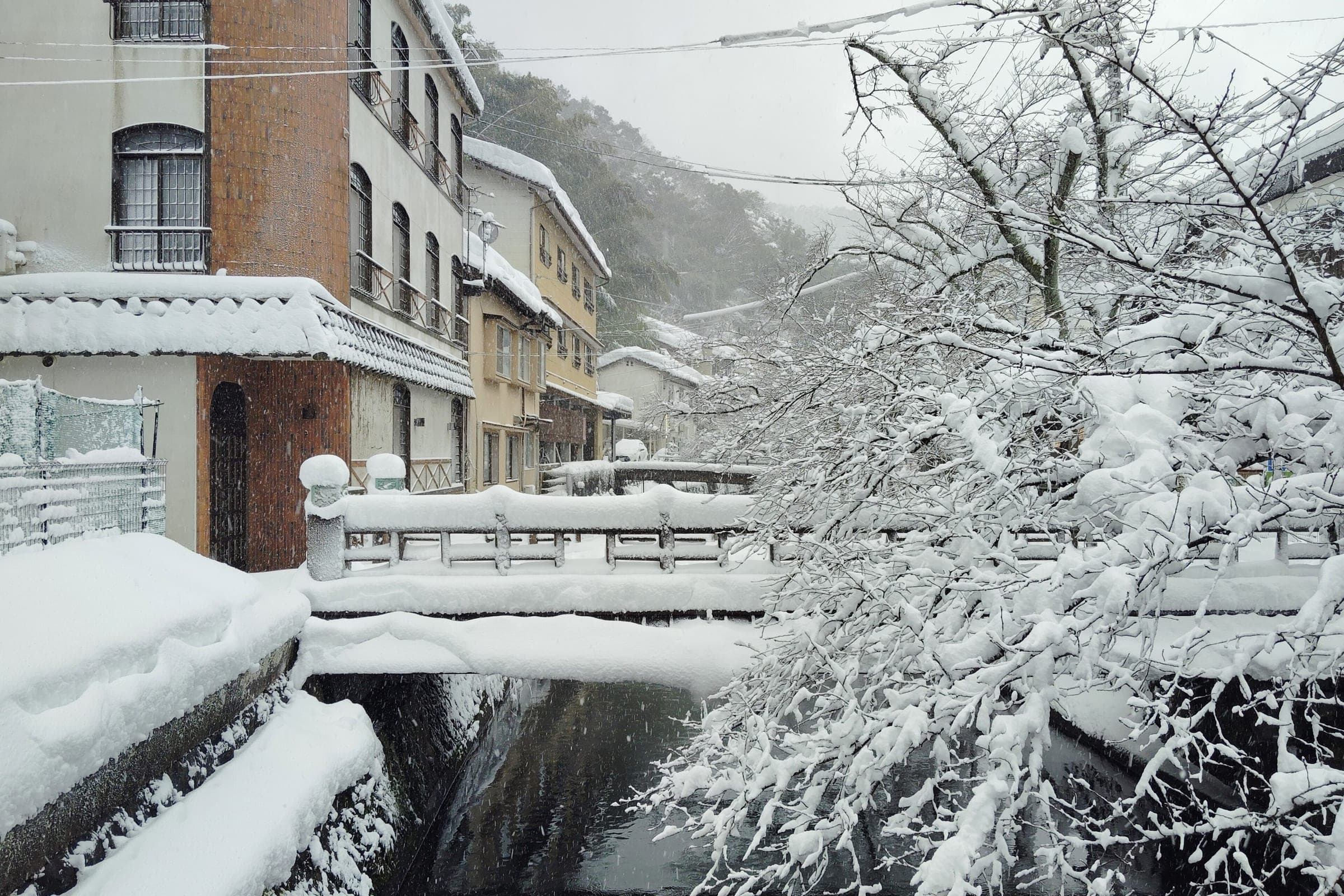
Some of Japan's baths take tattoos, some want them under a cover sticker, and most publish no rule at all. Here is the routine at the taps and in the tub, the baths that say yes, and the ones that say no.
guide · 8 min read
Which Japanese phrases help on a ski or cycling trip in Japan?
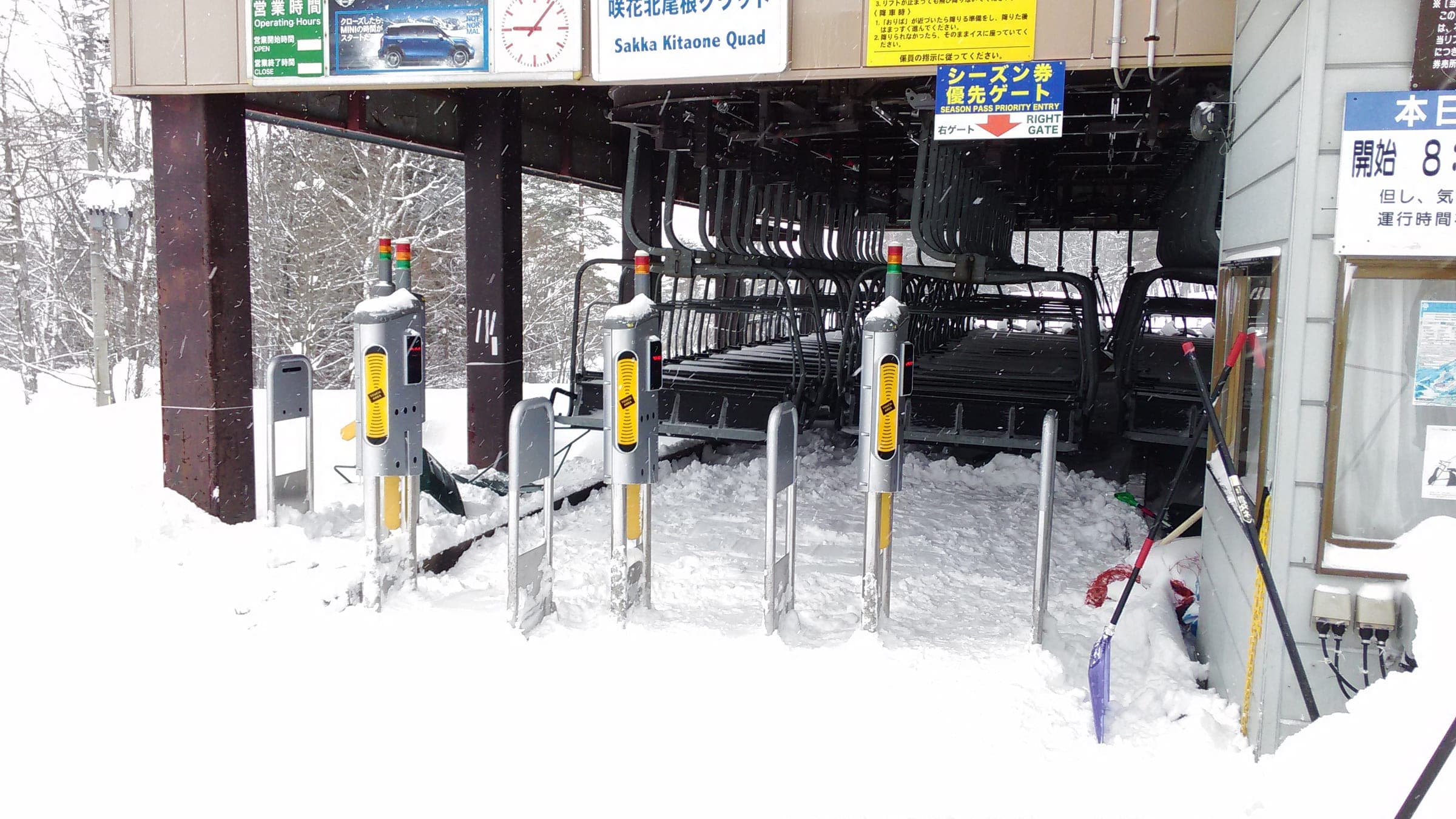
Two words carry most of a trip, and about forty more get you a lift pass, a new inner tube, a seat for a bagged bike and help when something goes wrong. Each line comes with its kana and a romaji reading you can say out loud.
guide · 11 min read
How do you stay safe on a cycling trip in Japan?
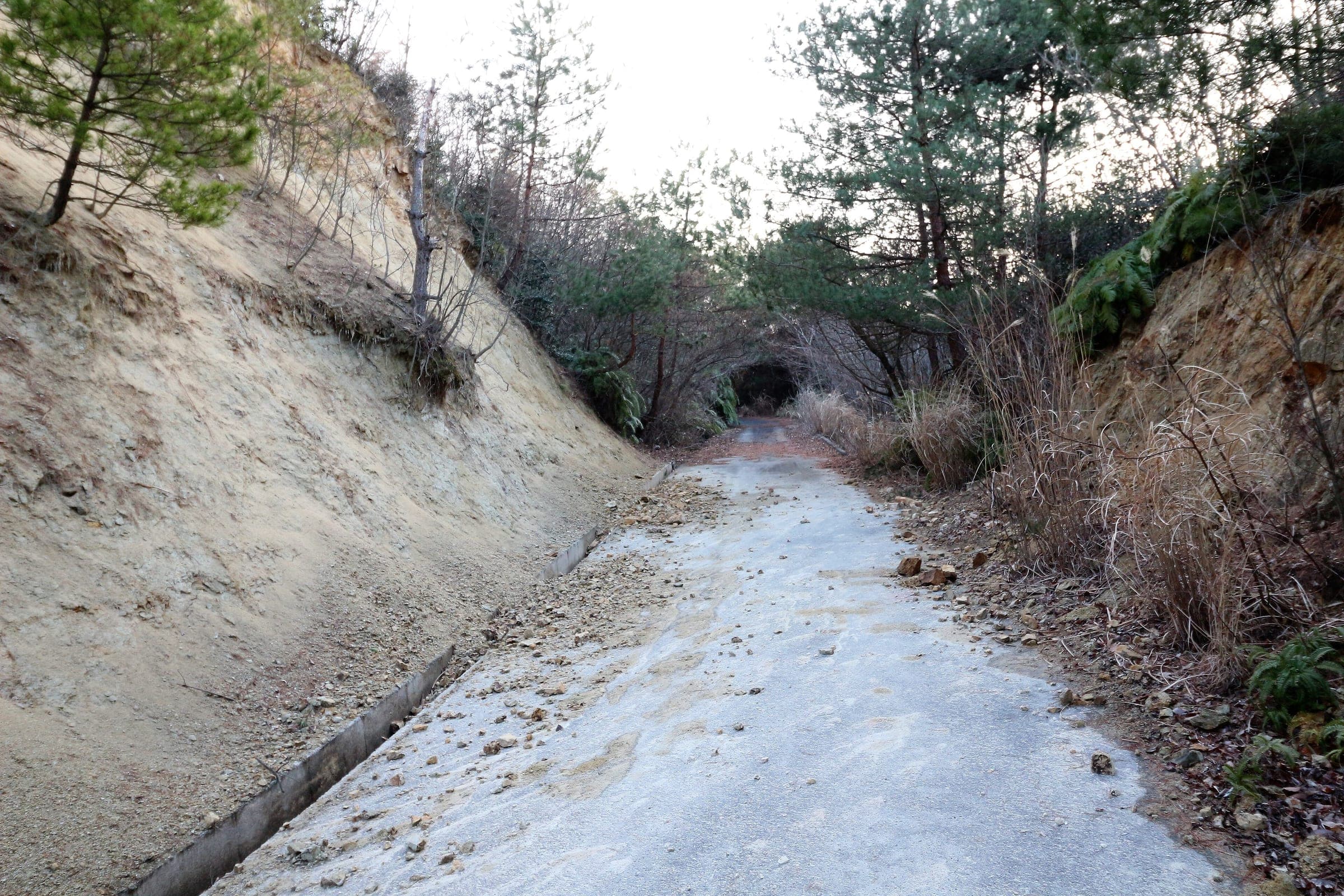
Heat sends far more people to hospital than anything with teeth, so the heatstroke alert is the first thing to read on a summer morning. After that come hornets and bears on forest roads, dark tunnels, typhoons from August, and what to do when the ground shakes near the sea.