Zao Onsen
蔵王温泉38°10′ N 140°24′ EOnsen townTohoku
Zao Onsen suits skiers and bathers who want a working hot-spring village at the foot of Zao's ski area, with the rime-crusted trees above it. The trade-off is that the village hangs on a 37-minute bus from Yamagata Station, so a night out in the city means a ride home up the mountain.
Photo by pen_ash on Unsplash and others, credited in the gallery
Who should base here
Stay in Zao Onsen if you want to ski from the village and end each day in sulphur water, with three public bathhouses a short walk from most inns. Families and non-skiers do well here too, since the ropeways carry sightseers up to the snow monsters.
The name
Zaō
蔵王The name comes from Zao Gongen, the guardian deity of mountain ascetics, enshrined on the summits of Kumano-dake and Katta-dake.
japanese
Both encyclopedias on Kotobank give the Zao Gongen origin as the standard account. The Nipponica entry for the onsen records its older names, Sukawa-yu and Takayu.
Eat in Zao Onsen

Drink in Zao Onsen
Things to do in Zao Onsen
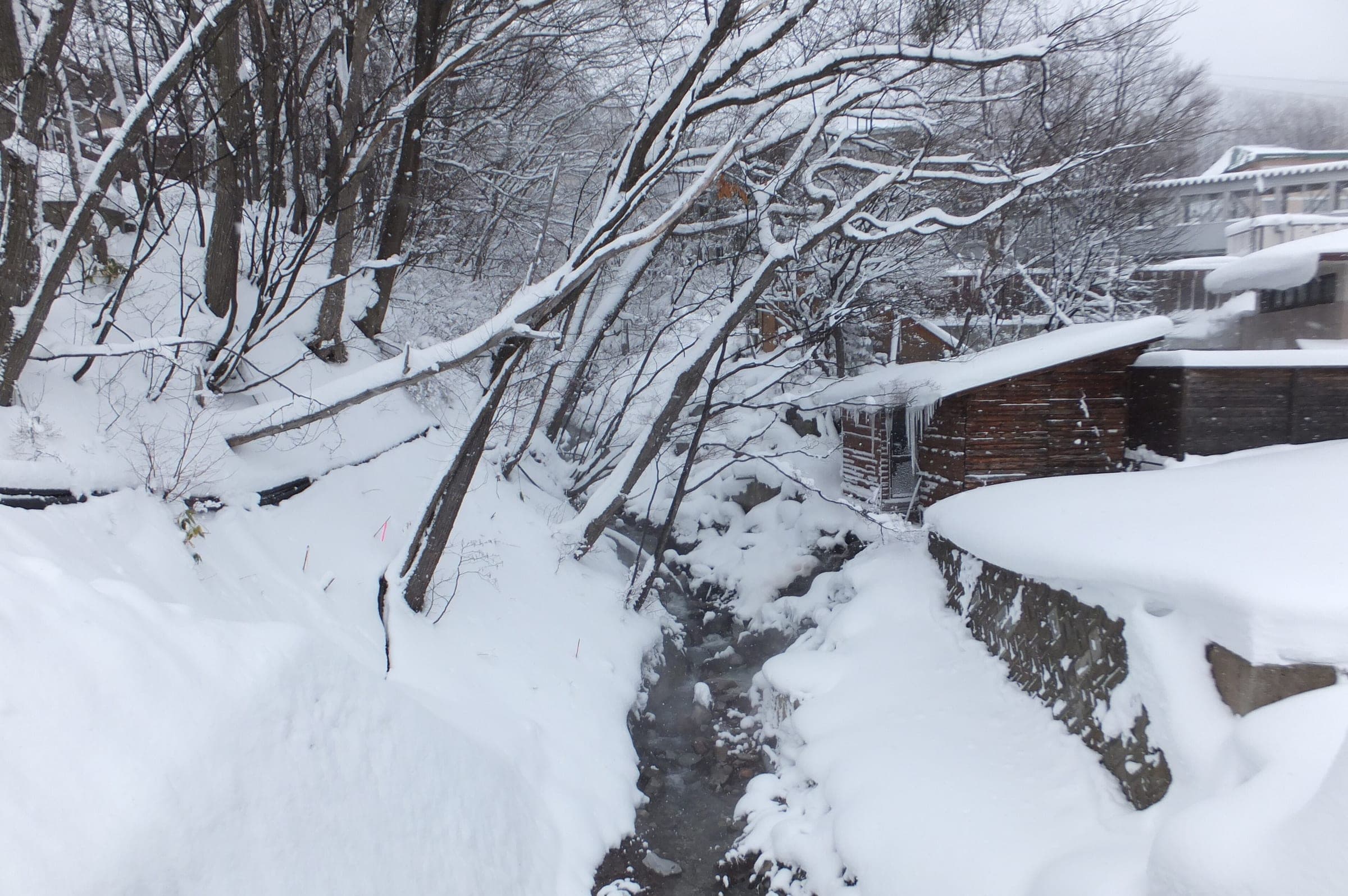
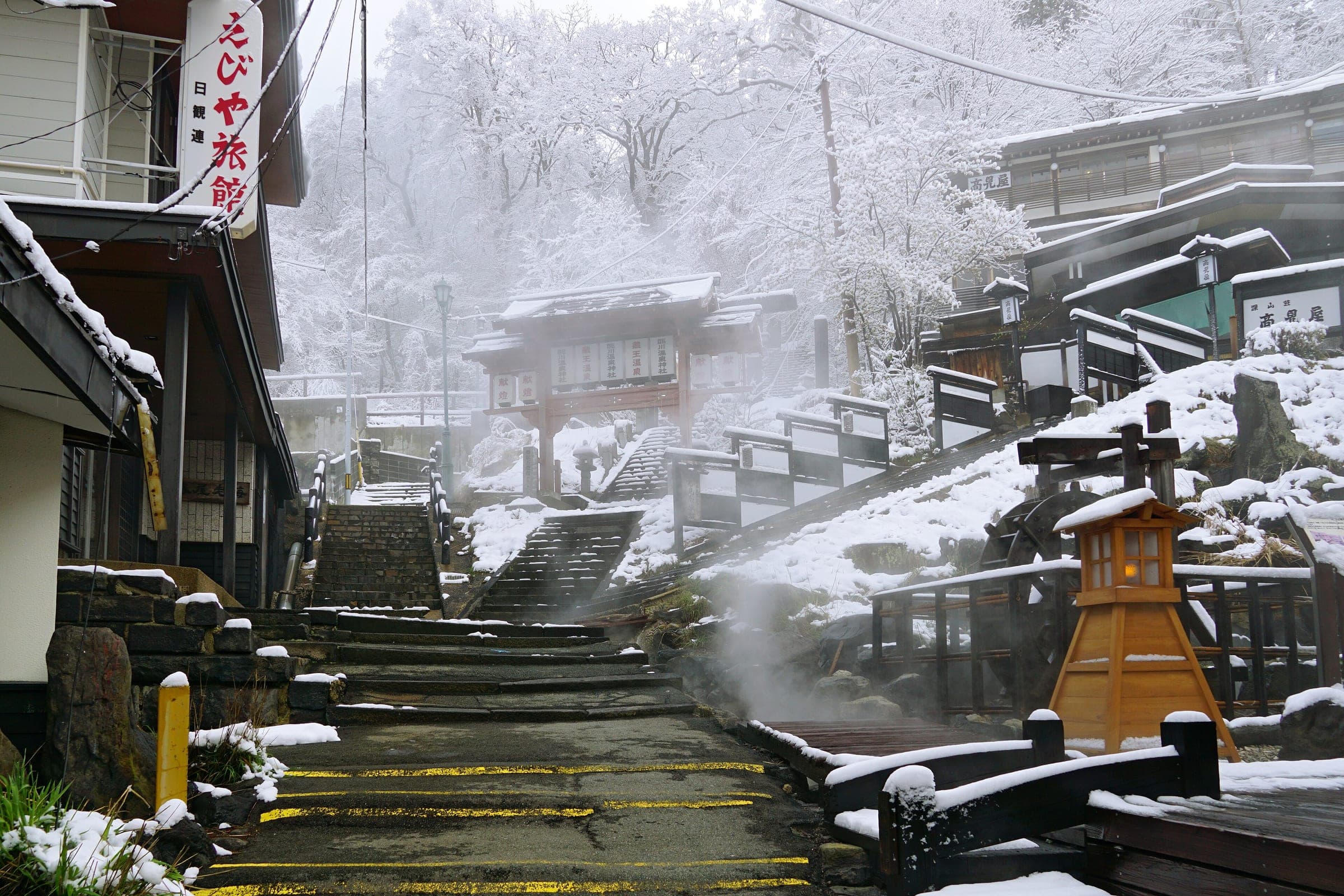
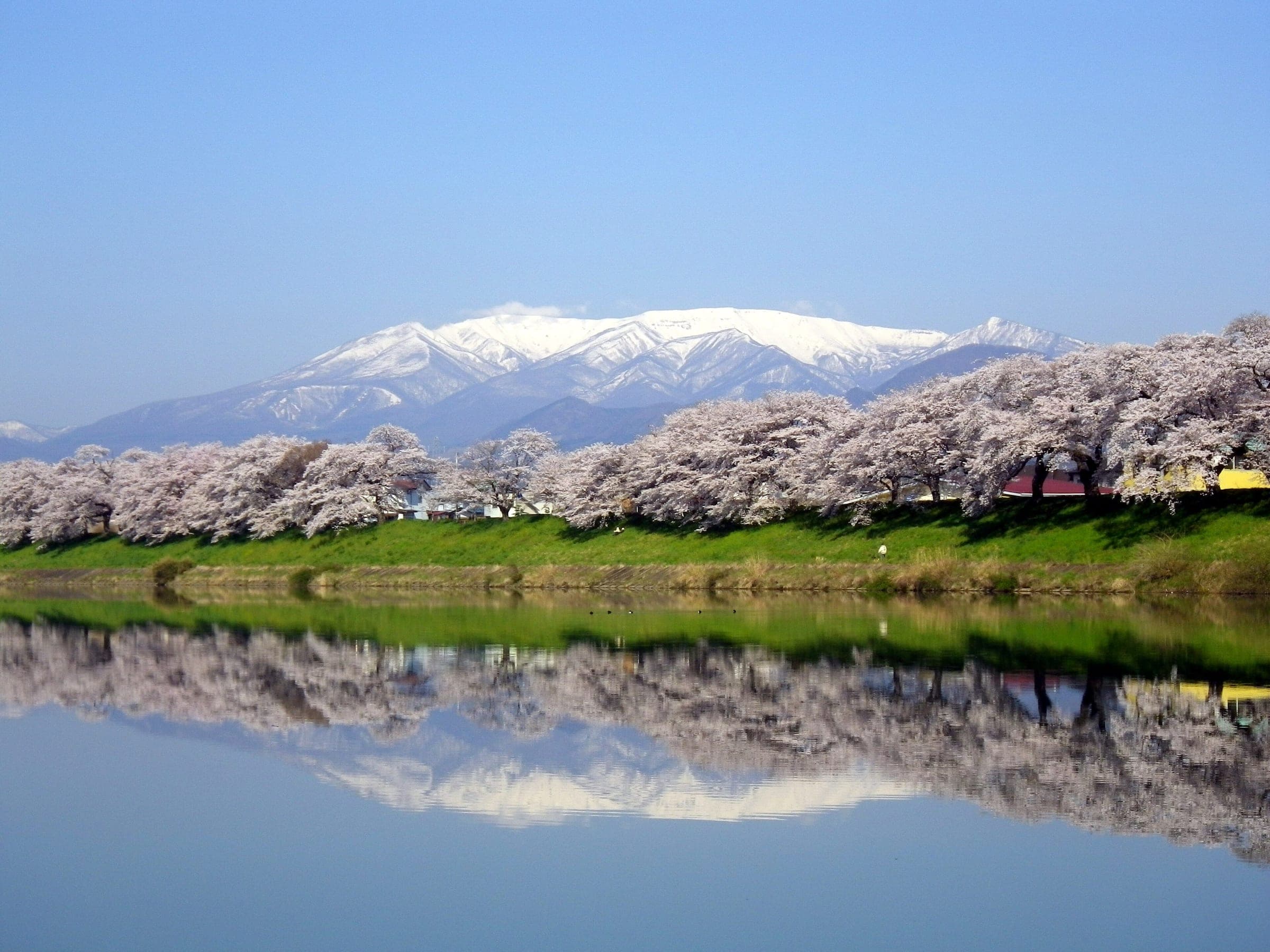
Zao Onsen's water comes out of the ground at 45 to 66°C and is a strongly acidic sulphur spring, with a pH between 1.25 and 1.6 by the tourism association's count. About 5,700 litres flow every minute, which is why even the small inns run their own tubs. Three public bathhouses, Kami-yu, Shimo-yu and Kawara-yu, open from 6:00 to 22:00 all year, and you drop ¥300 into the box at the door (¥100 for a child).
Old records call the spring Sukawa-yu or Takayu, and the Nipponica encyclopedia notes a shrine to the Sukawa spring in the ninth-century chronicle Sandai Jitsuroku. In the Edo period the village was the western trailhead for pilgrims climbing to Zao Gongen, the deity of the mountain's ascetics. The ski area opened in the Showa era, and the ropeways and tourist roads came with it.
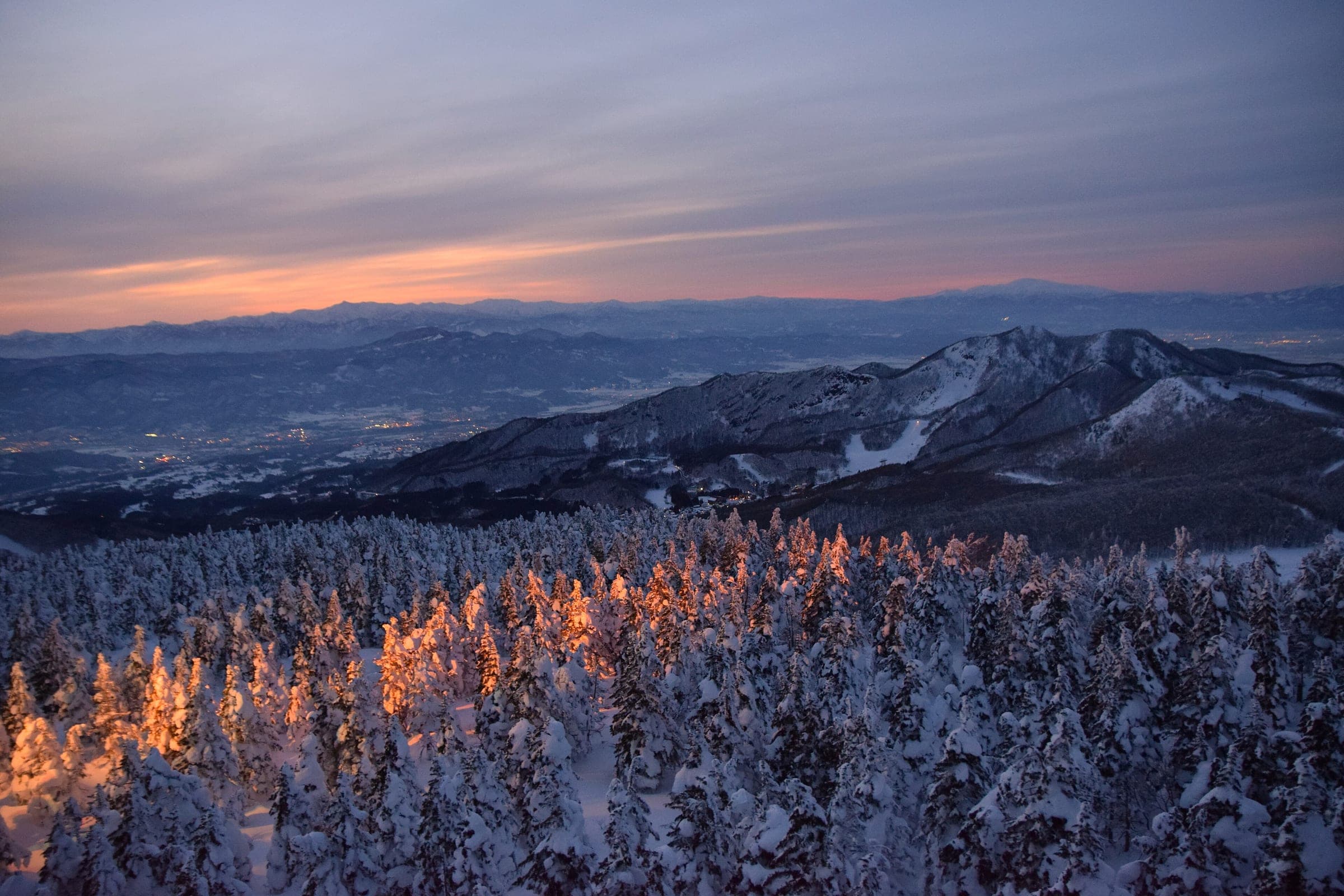
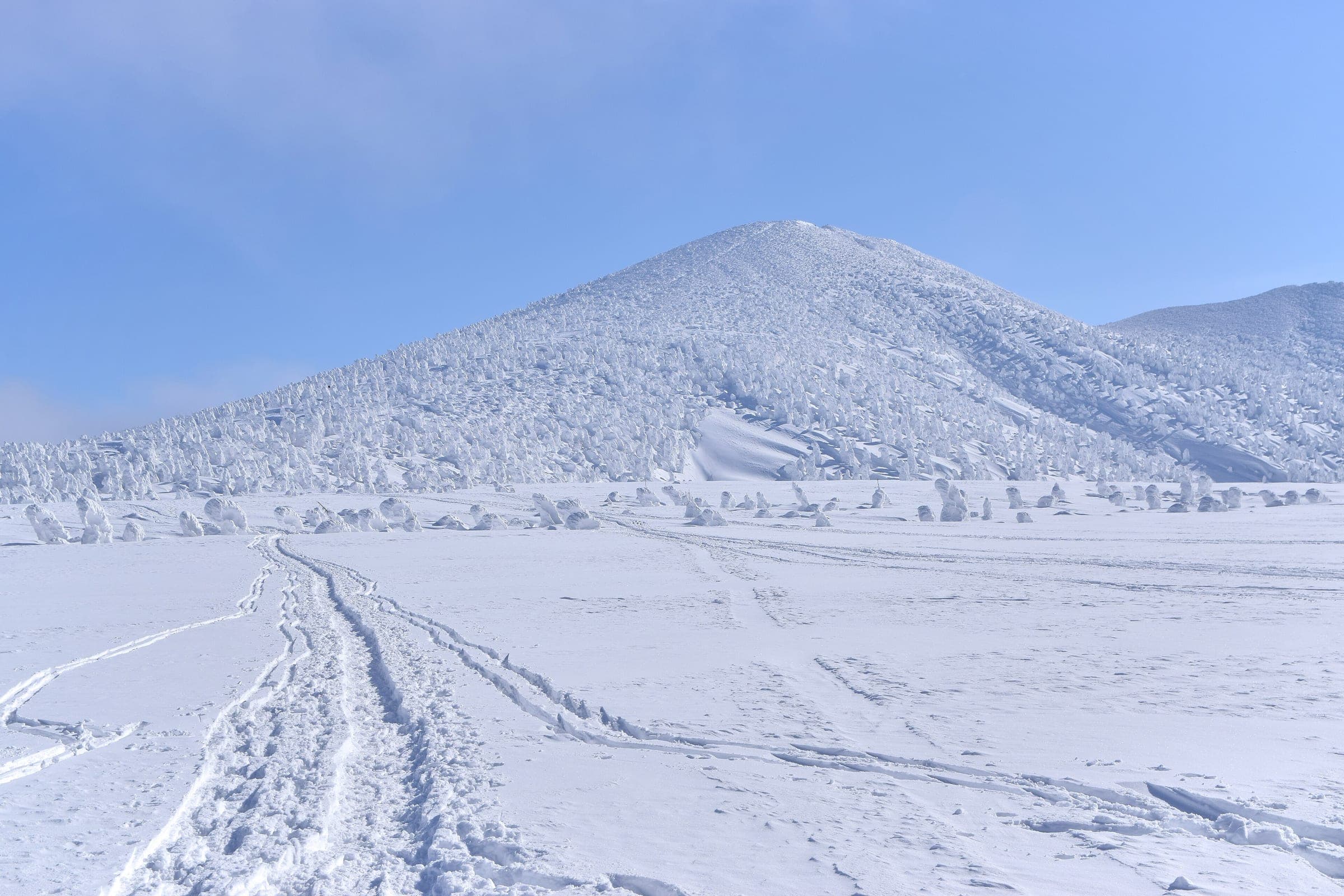
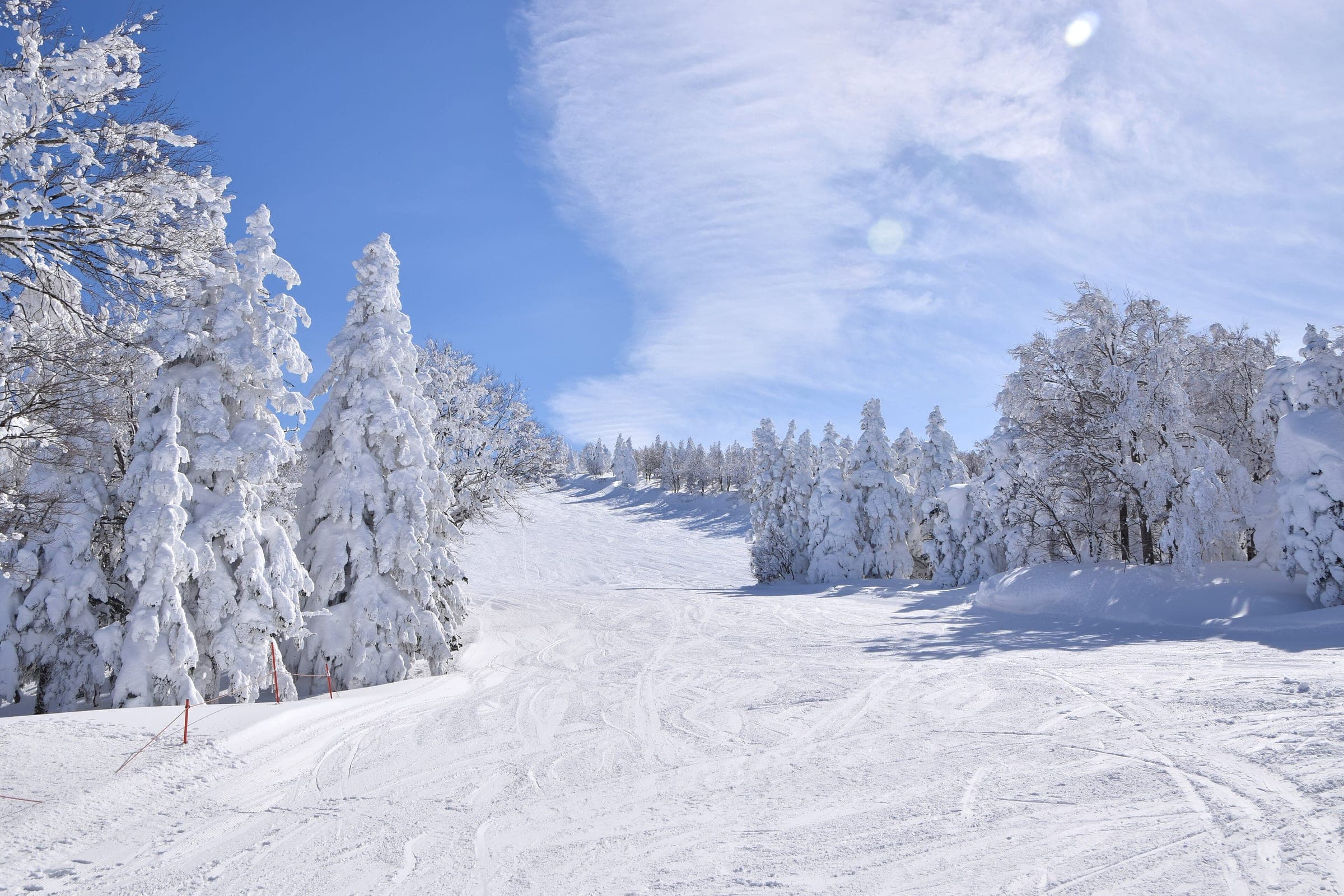
In winter the draw sits above the ropeways, where the conifers disappear under rime and snow into the shapes Japan calls juhyo, the snow monsters. Zao Ropeway runs evening light-up tours of them and posted its 2026/27 notice in October 2026, so check its site for the nights. The big river bath, the Zao Onsen Dai-rotenburo, closes from late November to mid-April, and in ski season the soaking happens in the public bathhouses and the inns.
Worth knowing
- Buy lift tickets online before you arrive. The web ticket gives you a QR code that the unstaffed machines at the ticket offices read.
- Carry ¥100 coins, because the public bathhouses ask you to pay into a box at the door.
- Eat jingisukan one night. Zao Onsen tells its own story of the lamb dish taking shape here in the late 1940s, and Robata and Jingisukan Lodge both serve it near the lifts.
Quick answers about Zao Onsenよくある質問
How do you get to Zao Onsen from Tokyo?
Take the Yamagata Shinkansen to Yamagata, 161 minutes on the fastest Tsubasa in October 2026, then the Yamako bus from Yamagata Station to the Zao Onsen bus terminal, 37 minutes for ¥1,200.
Is the Zao Onsen Dai-rotenburo open in winter?
No. The big outdoor bath closes from late November to mid-April. The three public bathhouses in the village stay open all year from 6:00 to 22:00.
Is Mt. Zao an active volcano?
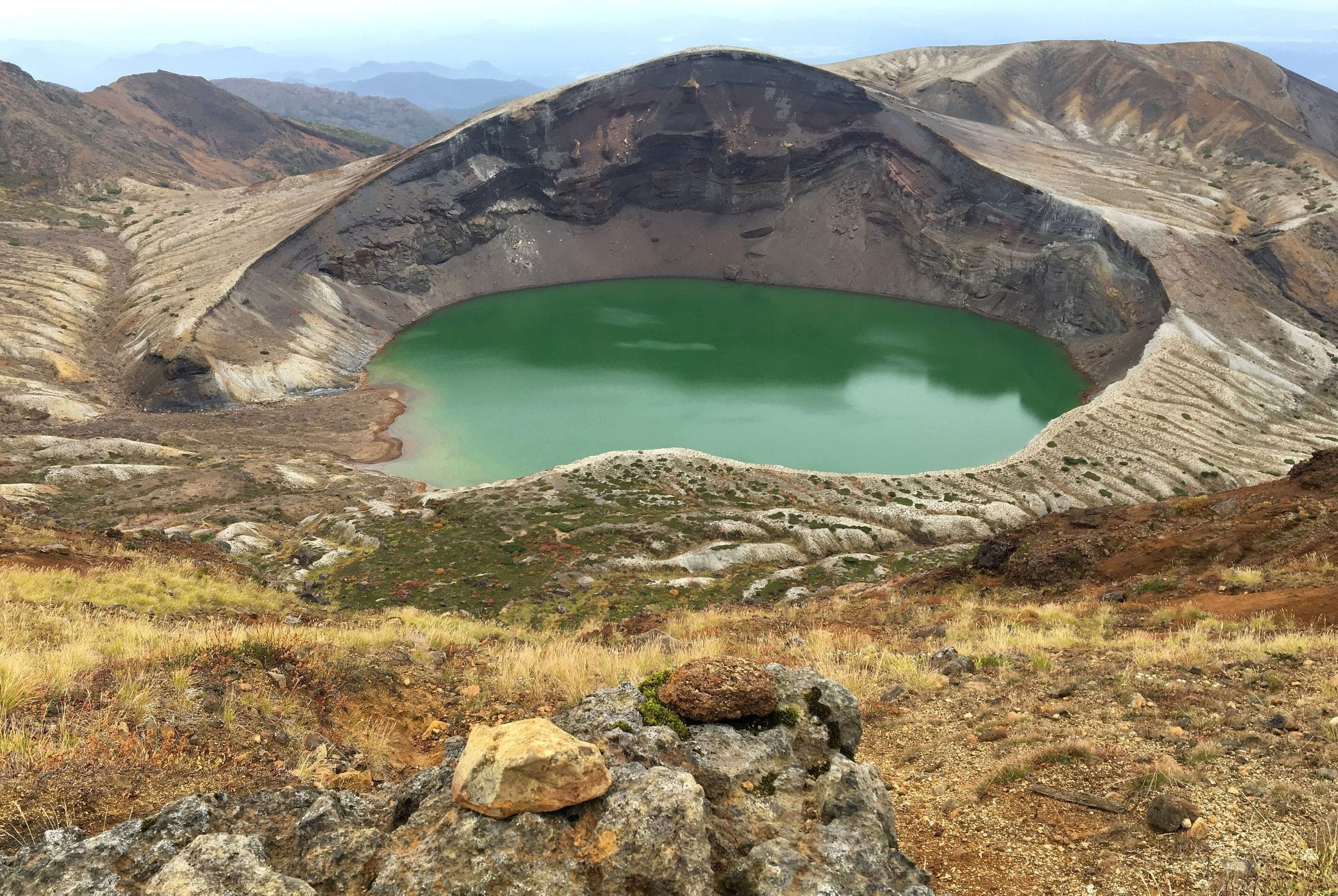
Yes. The Japan Meteorological Agency monitors Zao-san as an active volcano, and on 11 October 2026 it carried no eruption warning. Check JMA's Zao page before any trip toward the summit.
What does the name Zao Onsen mean?
Zao Onsen comes from the local name Zaō, meaning the name comes from Zao Gongen, the guardian deity of mountain ascetics, enshrined on the summits of Kumano-dake and Katta-dake. Both encyclopedias on Kotobank give the Zao Gongen origin as the standard account. The Nipponica entry for the onsen records its older names, Sukawa-yu and Takayu.
Is Zao Onsen a good place to stay?
Stay in Zao Onsen if you want to ski from the village and end each day in sulphur water, with three public bathhouses a short walk from most inns. Families and non-skiers do well here too, since the ropeways carry sightseers up to the snow monsters.
Within 12 km
Places to stay nearby宿
Within 12 km
Places to eat and drink nearby食
Within 12 km
Sights nearby見どころ
In the journal and guides
Read more about Zao Onsen特集
Snow feature · 11 min read
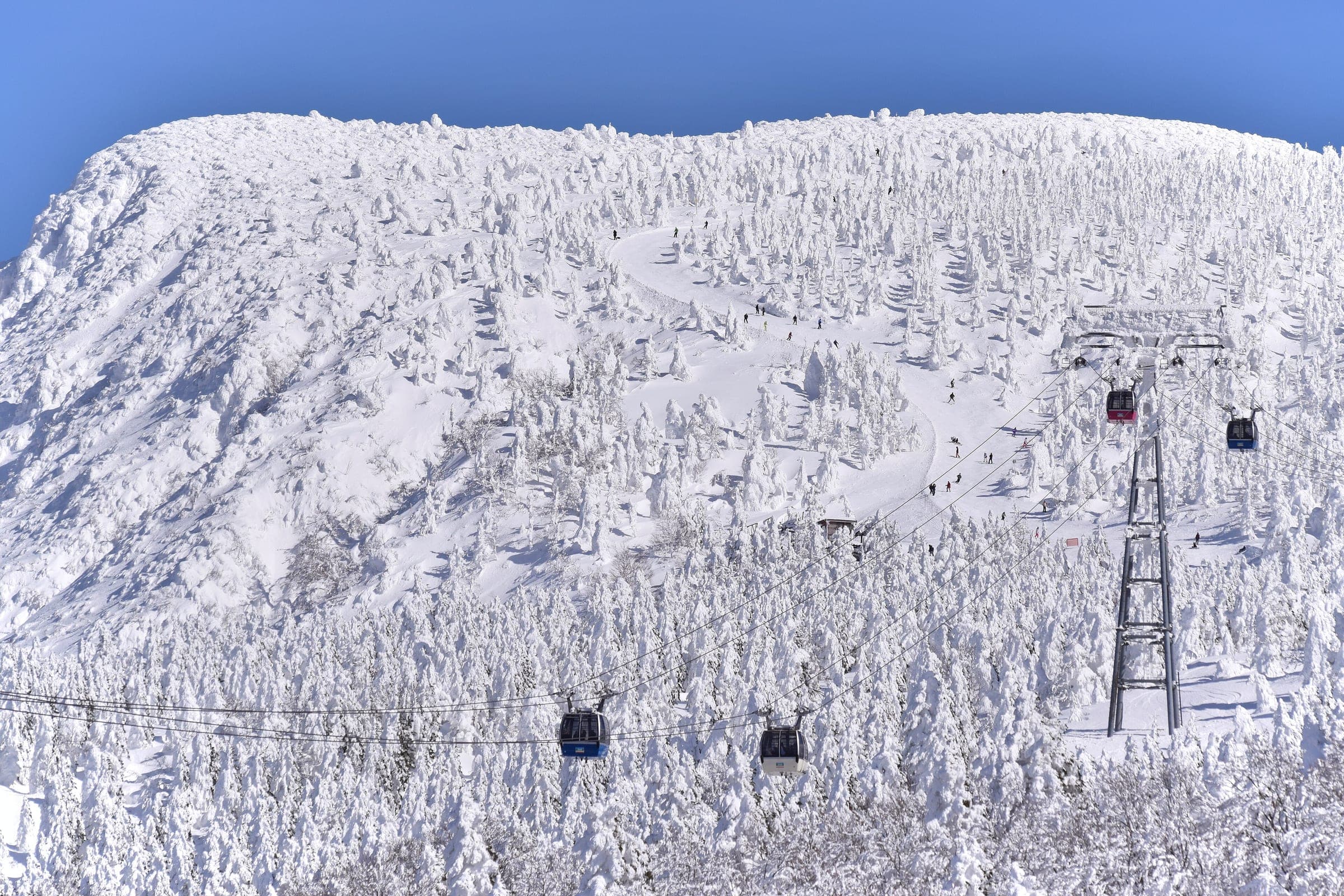
When should you ride Zao and Hakkoda for the snow monsters?
February is the month. Zao Ropeway puts its snow monsters at full size then, on a big ticketed mountain above a sulphur onsen village. Hakkoda gives one ropeway and two ungroomed courses through its own fir groves, with tour routes opening from early March.
Comparison · 10 min read
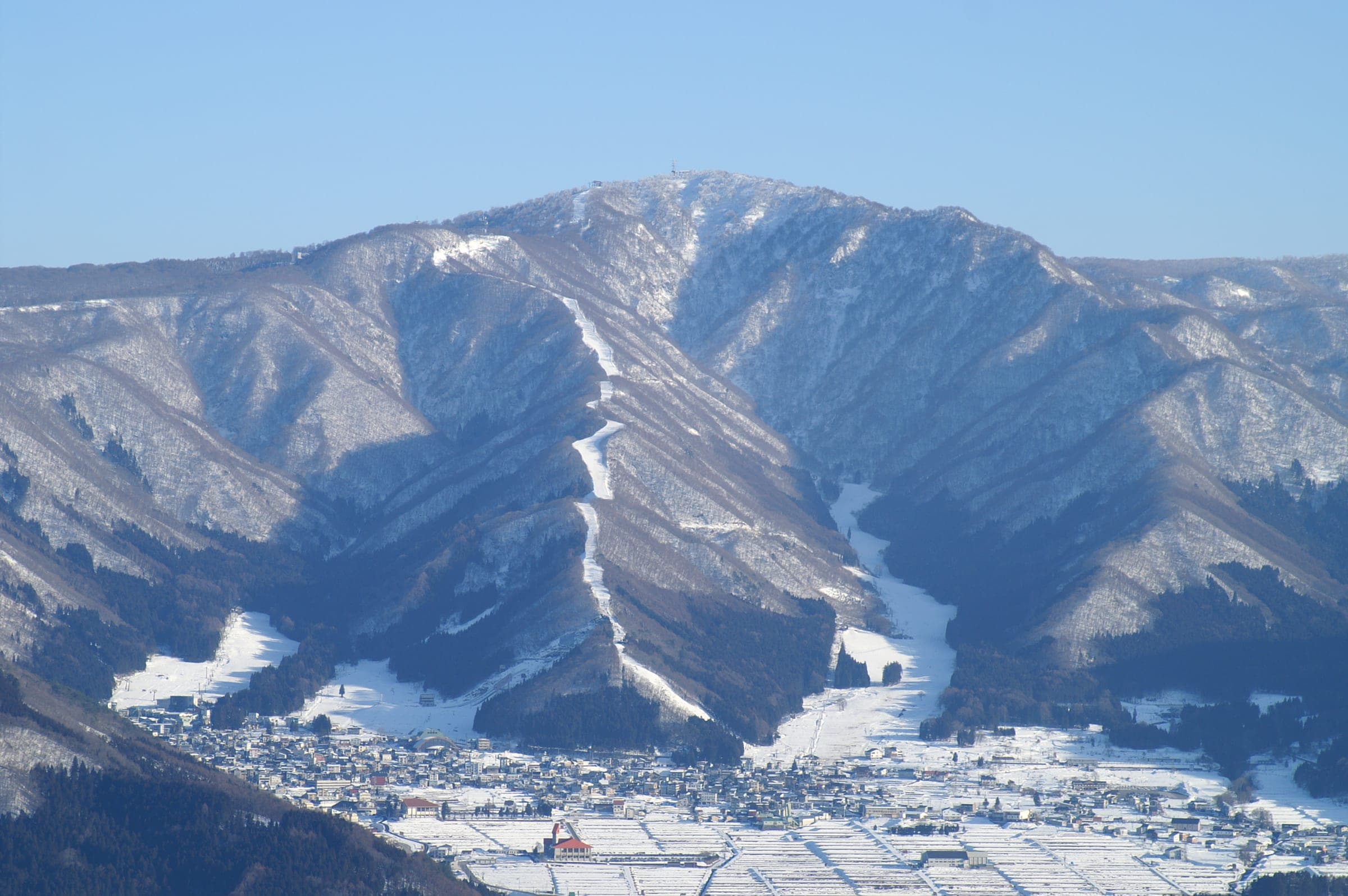
Which ski-hill onsen towns are best for a soak after the last lift?
Nozawa puts thirteen free public baths a short walk from the lifts. Kusatsu is the clearest answer for tattooed riders, and Shibu and Ginzan give their best baths to the people who stay the night.
Practical guide · 10 min read
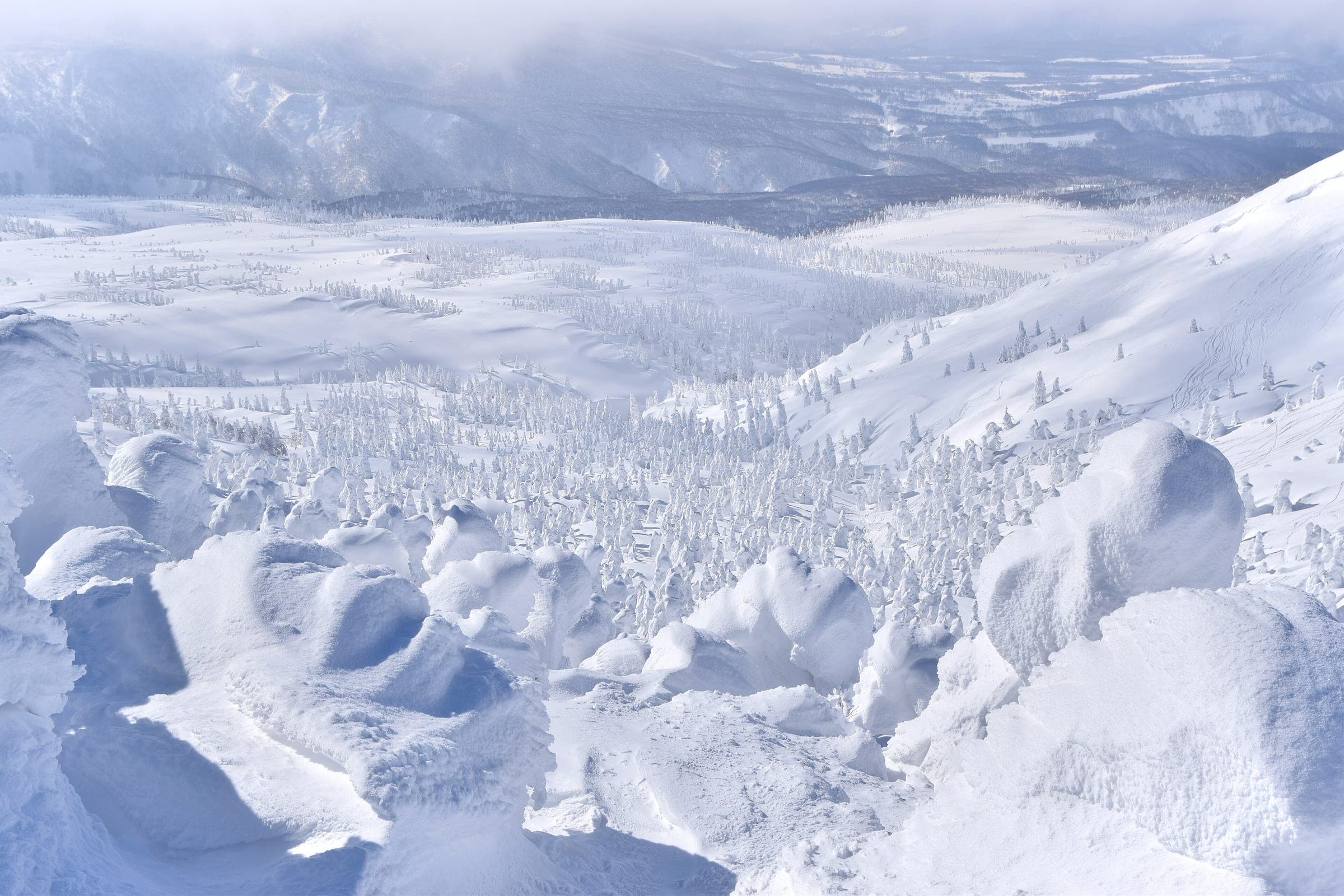
How do backcountry gates and rescue costs work at Japan's ski resorts?
Japanese resorts let riders out only through designated gates once a climbing plan is filed, and every resort here that publishes a rescue rule bills the rider. Zao bans riding off its courses altogether.