NEKOMA Mountain
星野リゾート ネコマ マウンテン37°35′ N 140°02′ E638 m vertical33 runs23.4 kmNight ridingSeasonal
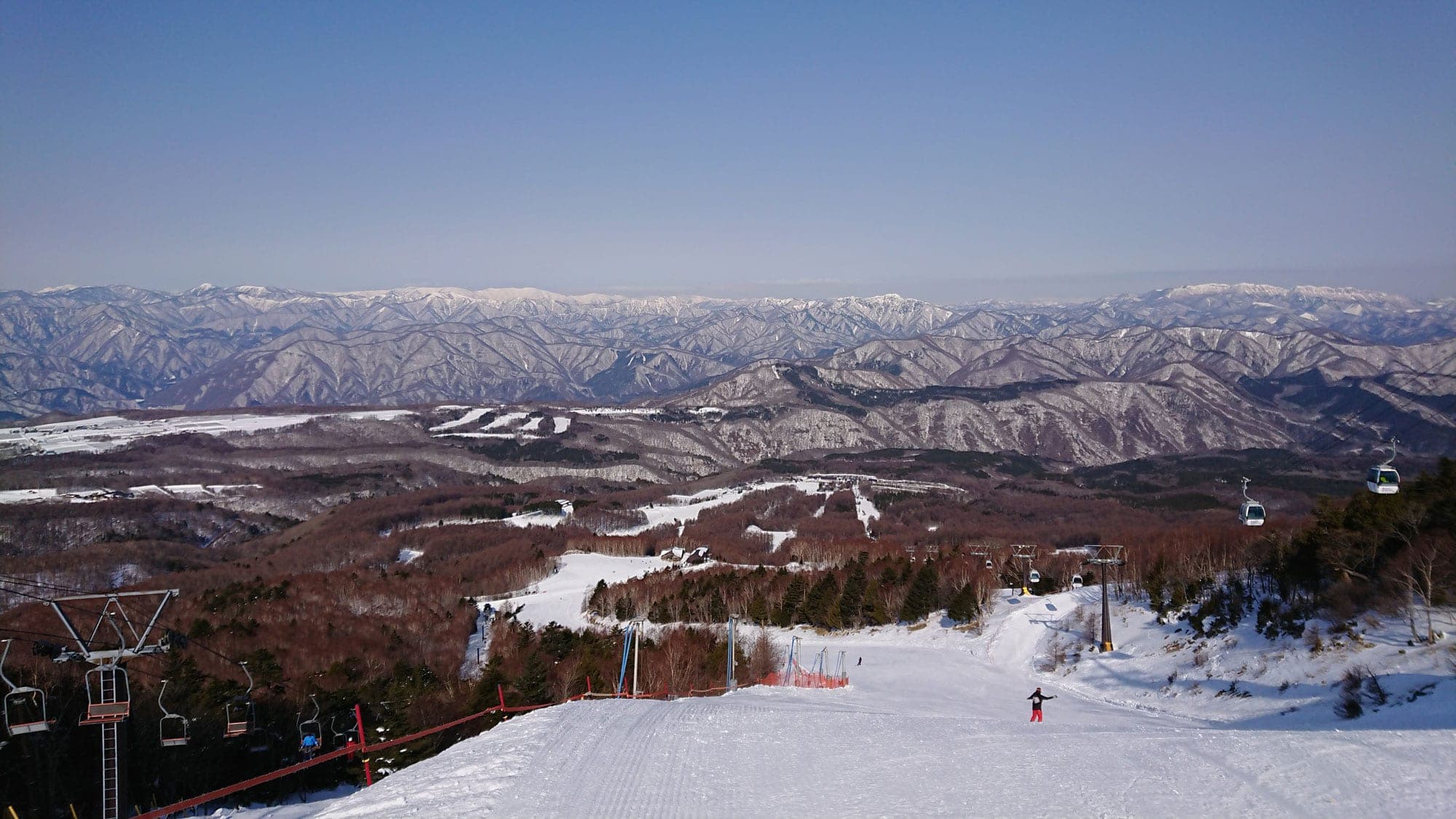
NEKOMA Mountain suits powder riders and park riders who want two connected ski areas on one ticket, and the South Area closes a month before the North Area in spring.
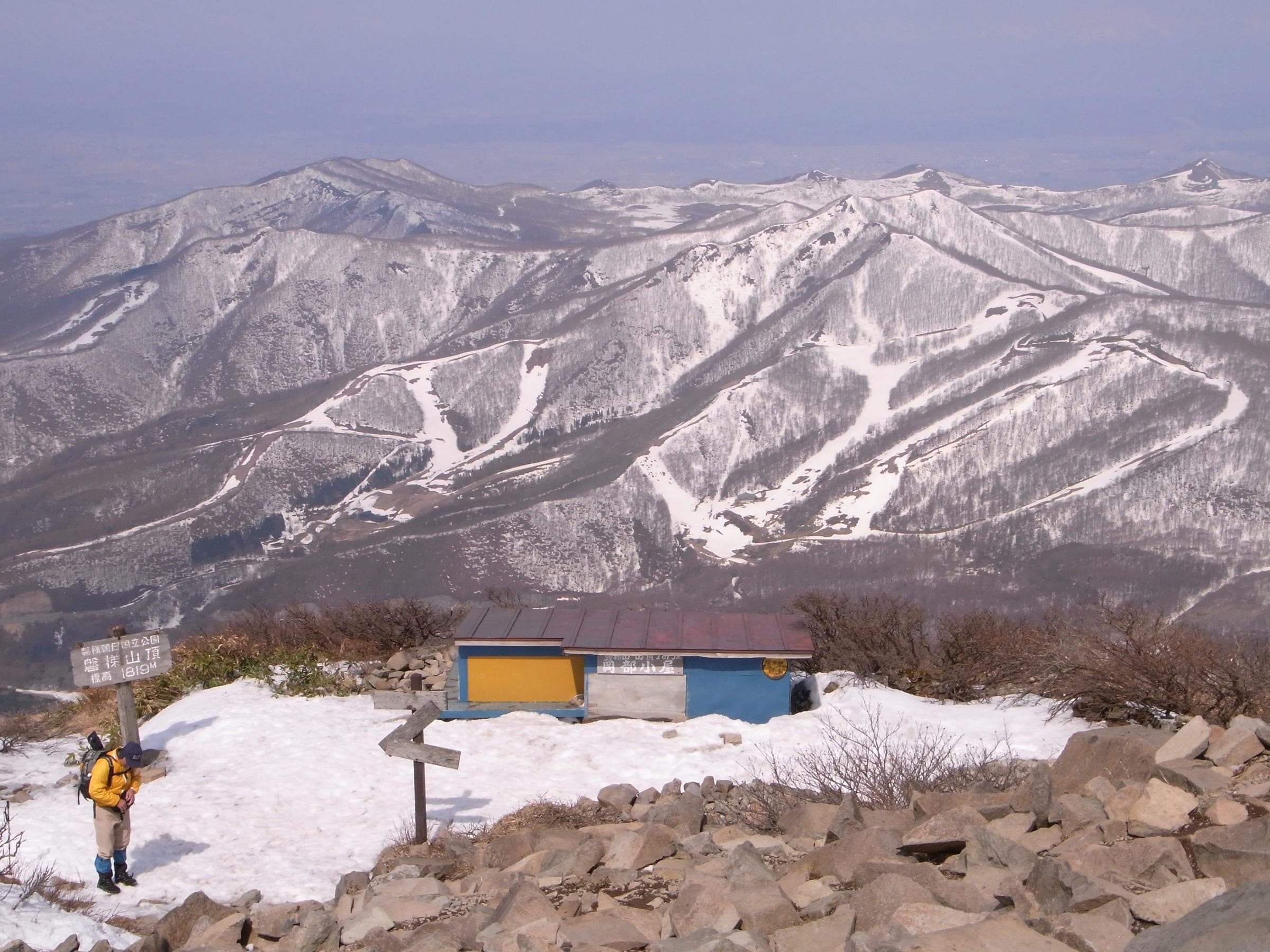
Photo ys-energy · Wikimedia Commons · Public domain and others, credited in the gallery
- Beginner13.2 km
- Intermediate8.7 km
- Advanced1.1 km
OpenStreetMap maps 35 named runs and 18 lifts at NEKOMA Mountain, and the guide measures each one against the elevation model.
Open the 3D map ↓Fly the mountain in 3D立体地図
Ride every run at NEKOMA Mountainコース
| Avg | Faces | Map | |||||
|---|---|---|---|---|---|---|---|
| ZunaiNight | 1,558 m | 293 m | 18.3° | 10.6° | S | ||
| Panorama LineパノラマラインNotes | 2,749 m | 218 m | 16.2° | 4.5° | SE | ||
| Frozen 2 | 661 m | 214 m | 21.2° | 17.9° | S | ||
| Deep 2 | 724 m | 211 m | 25.7° | 16.2° | NE | ||
| Frozen 3フローズン3Notes | 1,017 m | 201 m | 23.9° | 11° | S | ||
| Devil 1 | 666 m | 175 m | 21.7° | 14.7° | E | ||
| Devil 3 | 649 m | 170 m | 26.3° | 14.7° | E | ||
| Forest 3フォレスト3Notes | 751 m | 151 m | 16.2° | 11.4° | E | ||
| Peak 4 | 760 m | 141 m | 16.4° | 10.5° | SE | ||
| 8Night | 669 m | 124 m | 15° | 10.5° | S | ||
| FriendlyフレンドリーゲレンデNotes | 1,681 m | 121 m | 15.4° | 6.9° | N | ||
| Peak 3ピーク3Notes | 296 m | 85 m | 23.7° | 16.1° | SE | ||
| Peak 1 | 400 m | 83 m | 20.9° | 11.7° | SE | ||
| Forest 1 | 257 m | 73 m | 21° | 15.8° | E | ||
| White Valley 3 | 374 m | 62 m | 15.3° | 9.1° | E | ||
| Datto | 1,779 m | 334 m | 18.7° | 10.6° | S | ||
| White Valley 1 | 853 m | 213 m | 23.9° | 14° | SE | ||
| Deep 1ディープ1Notes | 750 m | 211 m | 29.1° | 15.7° | NE | ||
| Black Valley 2 | 581 m | 206 m | 30° | 19.5° | S | ||
| Excite 1エキサイト1Notes | 644 m | 193 m | 27° | 15° | N | ||
| Black Valley 1ブラックバレー1Notes | 553 m | 173 m | 30.2° | 17.3° | S | ||
| Excite 2 | 467 m | 151 m | 22.8° | 17.9° | NW | ||
| Black Valley 4ブラックバレー4Notes | 334 m | 142 m | 29.1° | 23° | SW | ||
| Peak 3ピーク3Notes | 611 m | 139 m | 25.5° | 12.7° | S | ||
| Batow 2 | 691 m | 135 m | 19.2° | 11.1° | SE | ||
| Black Valley 5ブラックバレー5Notes | 310 m | 77 m | 29.1° | 13.1° | E | ||
| Black Valley 3 | 520 m | 75 m | 18.7° | 8.2° | S | ||
| Forest 2 | 195 m | 73 m | 24.9° | 20.5° | SE | ||
| Frozen 4 | 170 m | 70 m | 26.2° | 22.2° | S | ||
| Frozen 1 | 215 m | 44 m | 22° | 11.6° | S | ||
| Batow 1 | 589 m | 117 m | 18.8° | 11.2° | SE | ||
| Devil 2 | 267 m | 109 m | 31.4° | 22.2° | NE | ||
| White Valley 2 | 229 m | 103 m | 28.7° | 24.3° | E | ||
| Step Up Park South | 285 m | 49 m | 14.7° | 9.7° | SE | ||
| White Valley to Park Entrance | 50 m | 18 m | 19.8° | 19.8° | E |
Lengths, vertical, pitch and aspect are measured from OpenStreetMap run lines and the elevation model. Steepest is the hardest 60 m pitch. Read them as a guide and follow the signs on the hill.
More named runs from the trail map
Zunai 1ズナイ1
A roughly 2 km groomed run to the base, also the night-riding course.
Good for long cruise, night riding
Know the zones before you goエリア
South Area base南ベースエリア
zoneBeginner
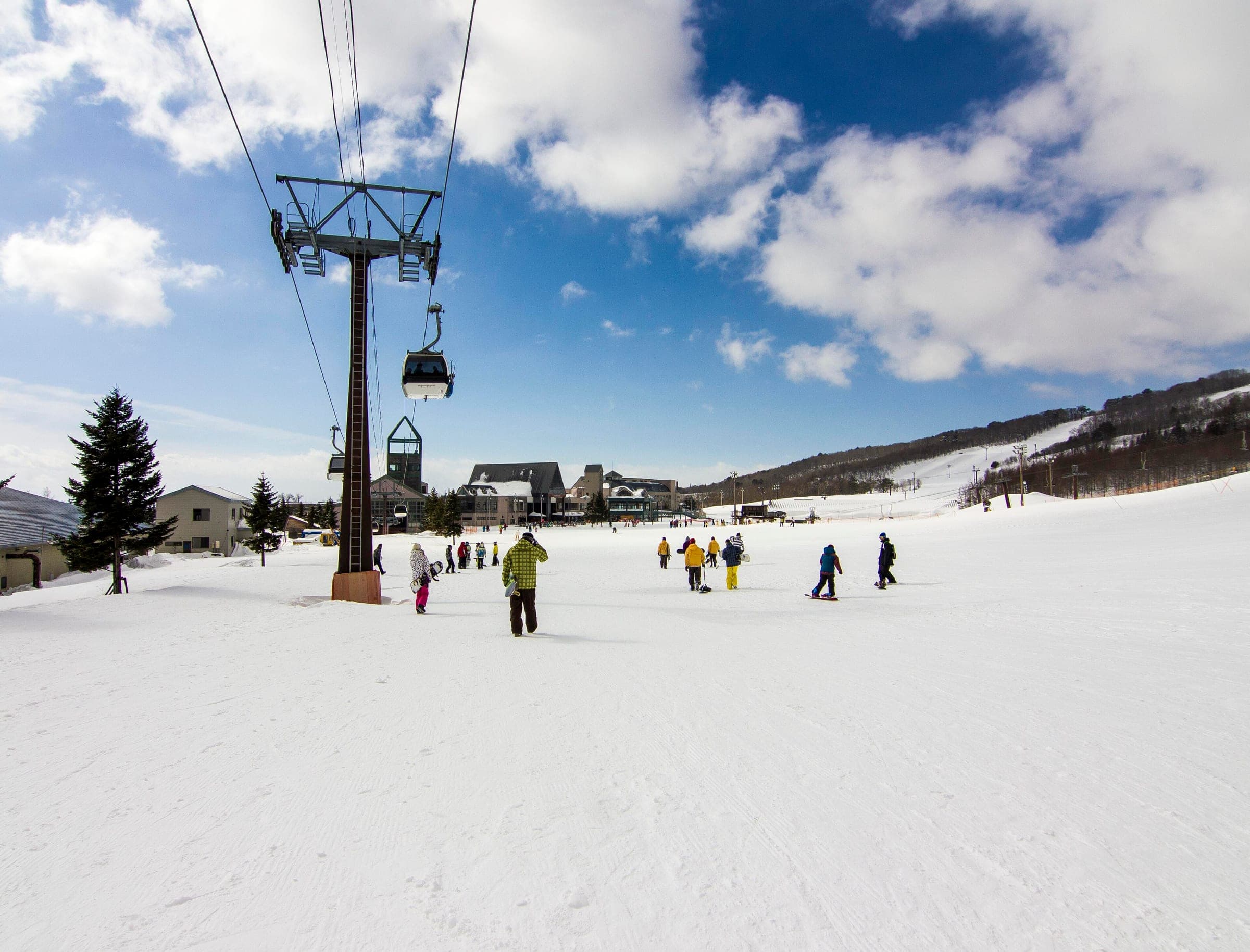
The resort centre, kids' area and the Alts Express sit here. Zunai 1 gives a 2 km run home and carries the night riding.
Good for first days, night riding
South Valley南バレーエリア
zoneAdvanced
The Black Valley Express serves the steep Black Valley runs, and the White Valley chair serves the gentler White Valley side. Tree-run zones D and E sit beside them.
Good for steeps, tree runs
Peak and Frozen南ピーク・霧氷エリア
zoneIntermediate
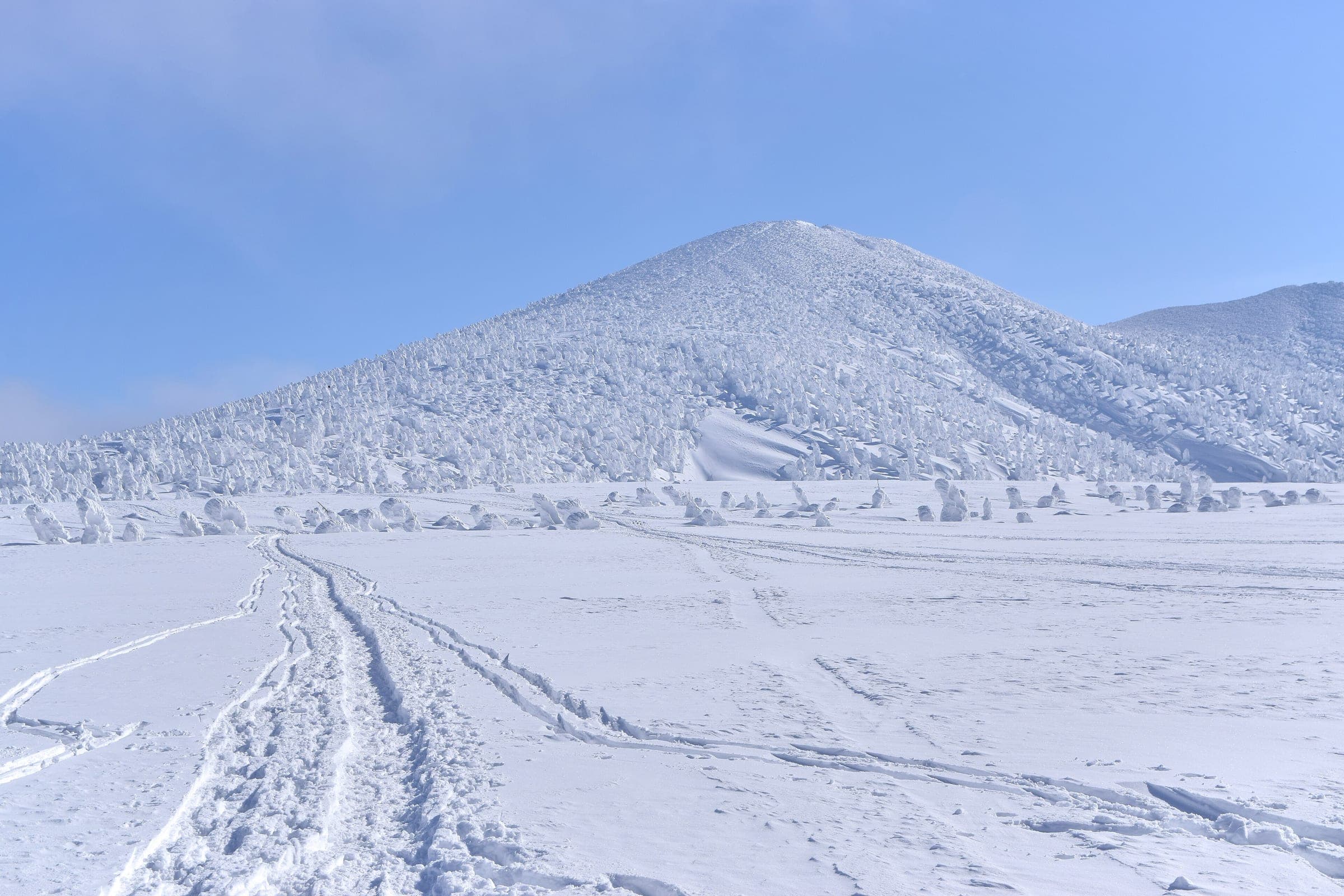
The Frozen chair climbs to the rime forest. Peak 3 is the South Area's mogul run, and tree-run zones A to C lie off the Frozen runs.
Good for rime-coated trees, moguls
North Area北エリア
zoneIntermediate
The former Nekoma ski area faces north above 1,000 m. Its four cat chairs and the Friendly Cat Express serve the Devil, Forest, Excite and Deep runs.
Good for powder, spring riding
Umaya hike and ride areaウマヤハイク&ライドエリア
hike-upAdvanced
New for 2026/27, the Umaya area opens for hiking from the top of the Batow chair, which is free to ride this season.
Good for hiking for powder, backcountry practice
Beyond the ropes · Open inside the boundary
NEKOMA treats everything outside the boundary and every unmarked area inside it as unmanaged terrain. It asks anyone leaving the resort to go with a guide and file a climbing notice through Compass. Inside the boundary five roped tree-run zones open once the snow is deep enough.
- File a climbing notice through Compass before you leave the resort boundary.
- Never duck or cross a rope, inside the tree-run zones or anywhere else.
- Wear a helmet in the tree-run zones. NEKOMA strongly recommends body protection as well.
- NEKOMA bills the rescued person for any rescue it carries out outside the managed area, in the self-responsibility areas or in the tree-run zones, including rescues it joins at the request of police or fire crews.
- Stay out of the tree-run zones while they are closed. They open only once the snow protects the vegetation.
18 lifts on the map
Know the liftsリフト
Season 2026/27
Buy the right ticket
- Adult day
- ¥6,500, about CAD 58 or USD 41 (October 2026 rates)
- Early and late season
- ¥4,200, about CAD 38 or USD 27 (October 2026 rates)
- Bought online
- ¥5,900, about CAD 53 or USD 37 (October 2026 rates)
- Night
- ¥2,700, about CAD 24 or USD 17 (October 2026 rates)
- 2 days
- ¥11,800, about CAD 106 or USD 75 (October 2026 rates)
- 3 days
- ¥17,700, about CAD 159 or USD 112 (October 2026 rates)
- 5 days
- ¥19,000, about CAD 171 or USD 120 (October 2026 rates)
The counter charges ¥4,500 for 13 to 18-year-olds, ¥3,000 for primary-school children and ¥6,000 for seniors from 60. Every IC card carries a ¥500 deposit, refunded when you hand it back. A three-day super early bird ticket costs ¥11,700 until 3 November 2026, and the early bird prices that follow run until 13 December. Holders of a day or afternoon ticket add night riding for ¥1,000. The Batow chair to the Umaya hike area is free in 2026/27, although the Global Park needs a day ticket.
These passes cover days here
- Ikon PassIkon Pass: 7 days at each of the ten Japanese mountains, no blackouts. Ikon Base Pass: 5 days at each. Ikon Session Pass: Niseko United only (2, 3 or 4 day options).
Get thereアクセス
From Tokyo Station
- Drive
- About 15 minutes from the nearest Ban-etsu Expressway interchange to the South Area and about 35 minutes to the North Area
- Bus
- The Koriyama Station shuttle runs from 12 December 2026 to 4 April 2027, takes about 70 minutes on the expressway and costs ¥1,800 for adults and ¥900 for children. Fukushima Kotsu takes the bookings online. A route bus also runs from Aizu-Wakamatsu Station in about 45 minutes for ¥1,000, with no booking.
- Train
- Tohoku Shinkansen from Tokyo to Koriyama, then the reserved shuttle bus to the South Area. NEKOMA puts the whole trip at about 2.5 hours from Tokyo.
The nearest station is Koriyama. JR Tohoku Shinkansen. The reserved NEKOMA shuttle leaves from here.
A free bus links the main Urabandai hotels with the North Area, with dates still to be set. The Bandai Gold Line road is closed in winter, so drivers from Aizu-Wakamatsu need another route.
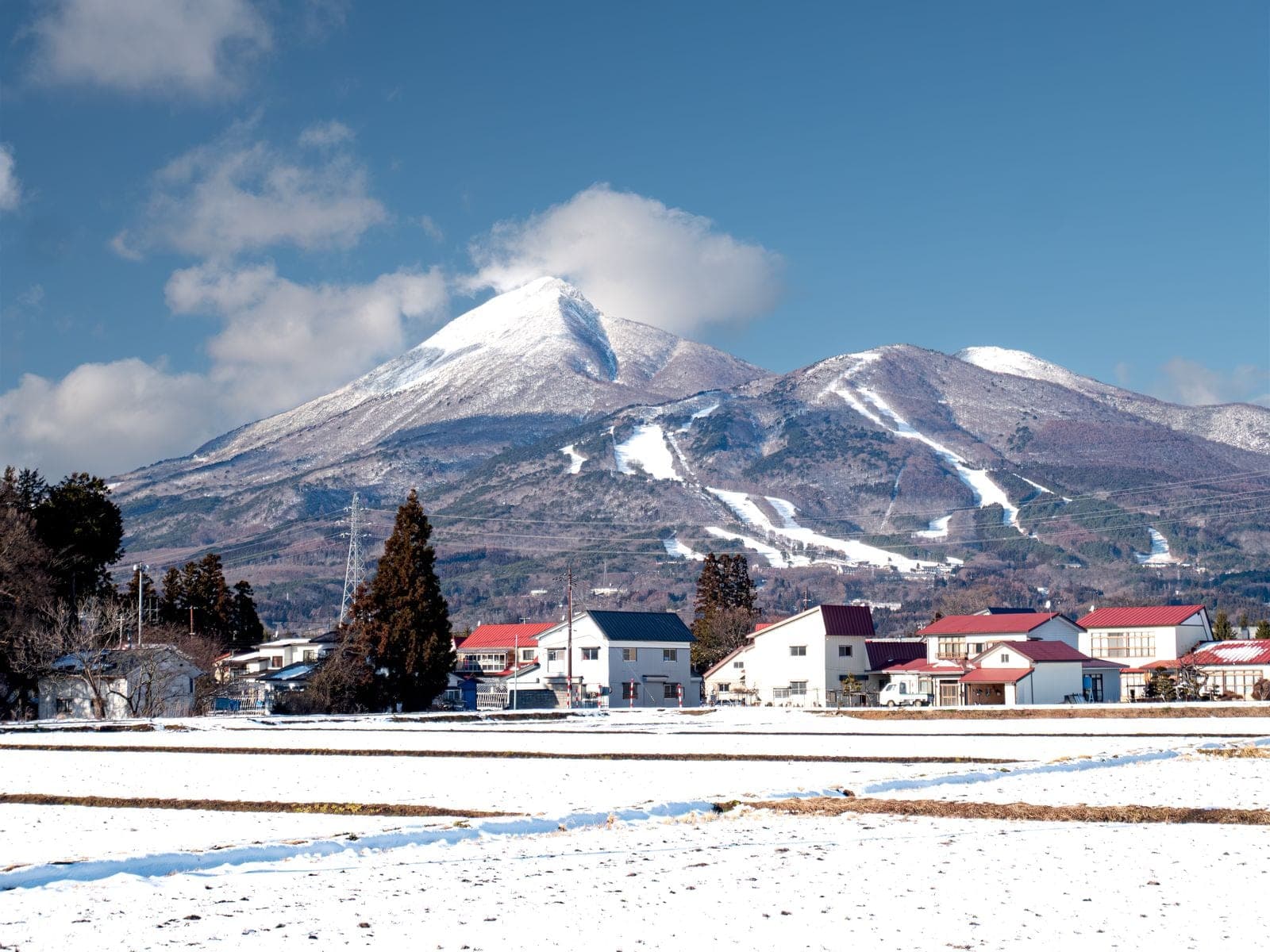
NEKOMA Mountain joined two old ski areas on Mt. Nekoma above Lake Inawashiro. The South Area is the former Alts Bandai, with the big resort centre and the Bandaisan Onsen Hotel at its foot, and the North Area is the former Nekoma ski area on the Urabandai side. The Nyalts chair links them in both directions. Hoshino Resorts counts 33 courses on 189 ha between 700 m and 1,338 m.
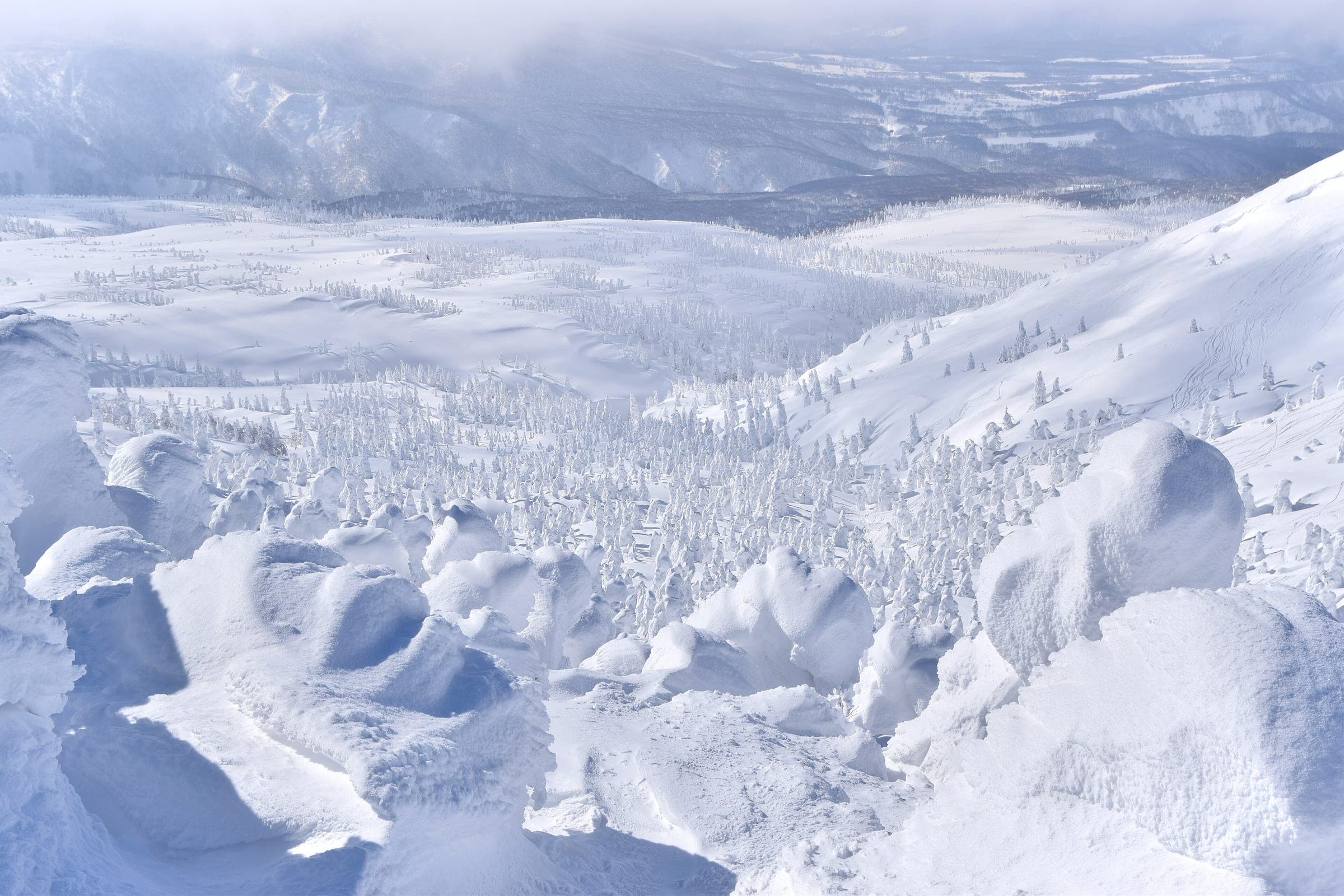
The South Area holds the steeps. Black Valley 1, 2, 4 and 5 are what the resort calls its four steep brothers, and Black Valley 5 stays ungroomed under its big rock all season. Frozen 3 runs through a tunnel of rime-coated trees from the Frozen chair, with views back over Lake Inawashiro and Mt. Bandai. For 2026/27 the tree-run zones grow from three to five, adding 7.5 ha in Black Valley and White Valley to make 27.5 ha.
The North Area faces north and sits above 1,000 m, so its snow stays light and keeps late into spring. Deep 1 is where the resort sends people looking for the deepest powder. NEKOMA closes the lifts to its deep area when more than 30 cm falls in three days, then reopens them so riders get first tracks. The North Area stays open until 9 May 2027.
Day tickets cost ¥6,500 at the counter and ¥5,900 online. Night riding on the 2 km Zunai run comes on set evenings from January to early March, and the Matatabi beer house takes over the South Area canteen from late afternoon.
Worth knowing
- Buy multi-day tickets before 3 November 2026. The super early bird five-day ticket works out at ¥3,800 a day, and the days don't need to run in a row.
- Park in the free South B to D lots. The South A lot by the centre charges ¥1,000 on weekends and over New Year, and entry after 14:00 is free.
- Book the Koriyama bus ahead. It runs only with a reservation and stops taking bookings 15 minutes before departure.
- Use the North Area for spring days after 4 April, when the South Area has closed.
- Mt. Bandai next door is a JMA-monitored volcano at Level 1. JMA's Bandaisan page carries the current level.
Quick answers about NEKOMA Mountainよくある質問
How big is NEKOMA Mountain?
NEKOMA Mountain has 33 runs and 13 lifts over 638 m of vertical, from 700 m at the base to 1,338 m at the top. OpenStreetMap maps 23.4 km of piste there.
How steep is NEKOMA Mountain?
The steepest mapped pitch at NEKOMA Mountain is about 31.4° over 60 m. We measure it from OpenStreetMap's run lines and the elevation model. Its advanced and expert runs add up to 1.1 km of the mapped total.
Can you ride off-piste at NEKOMA Mountain?
NEKOMA treats everything outside the boundary and every unmarked area inside it as unmanaged terrain. It asks anyone leaving the resort to go with a guide and file a climbing notice through Compass. Inside the boundary five roped tree-run zones open once the snow is deep enough.
How much is a lift ticket at NEKOMA Mountain?
An adult day ticket at NEKOMA Mountain costs ¥6,500, about CAD 58 or USD 41 (October 2026 rates) in the 2026/27 main season and ¥4,200, about CAD 38 or USD 27 (October 2026 rates) early or late in the season. Ikon Pass holders ride here too.
How do you get to NEKOMA Mountain from Tokyo Station?
NEKOMA Mountain is about 15 minutes from the nearest Ban-etsu Expressway interchange to the South Area and about 35 minutes to the North Area by car from Tokyo Station. By bus: The Koriyama Station shuttle runs from 12 December 2026 to 4 April 2027, takes about 70 minutes on the expressway and costs ¥1,800 for adults and ¥900 for children. Fukushima Kotsu takes the bookings online. A route bus also runs from Aizu-Wakamatsu Station in about 45 minutes for ¥1,000, with no booking.
When is the season at NEKOMA Mountain?
NEKOMA Mountain usually opens 28 November 2026 in the North Area and 12 December 2026 in the South Area (snow permitting) and closes 9 May 2027 in the North Area and 4 April 2027 in the South Area.
Within 25 km
Places to stay nearby宿
Within 35 km
Towns and neighbourhoods nearby町
Within 80 km
Ski resorts nearby山

In the journal and guides
Read more about NEKOMA Mountain特集
Practical guide · 10 min read
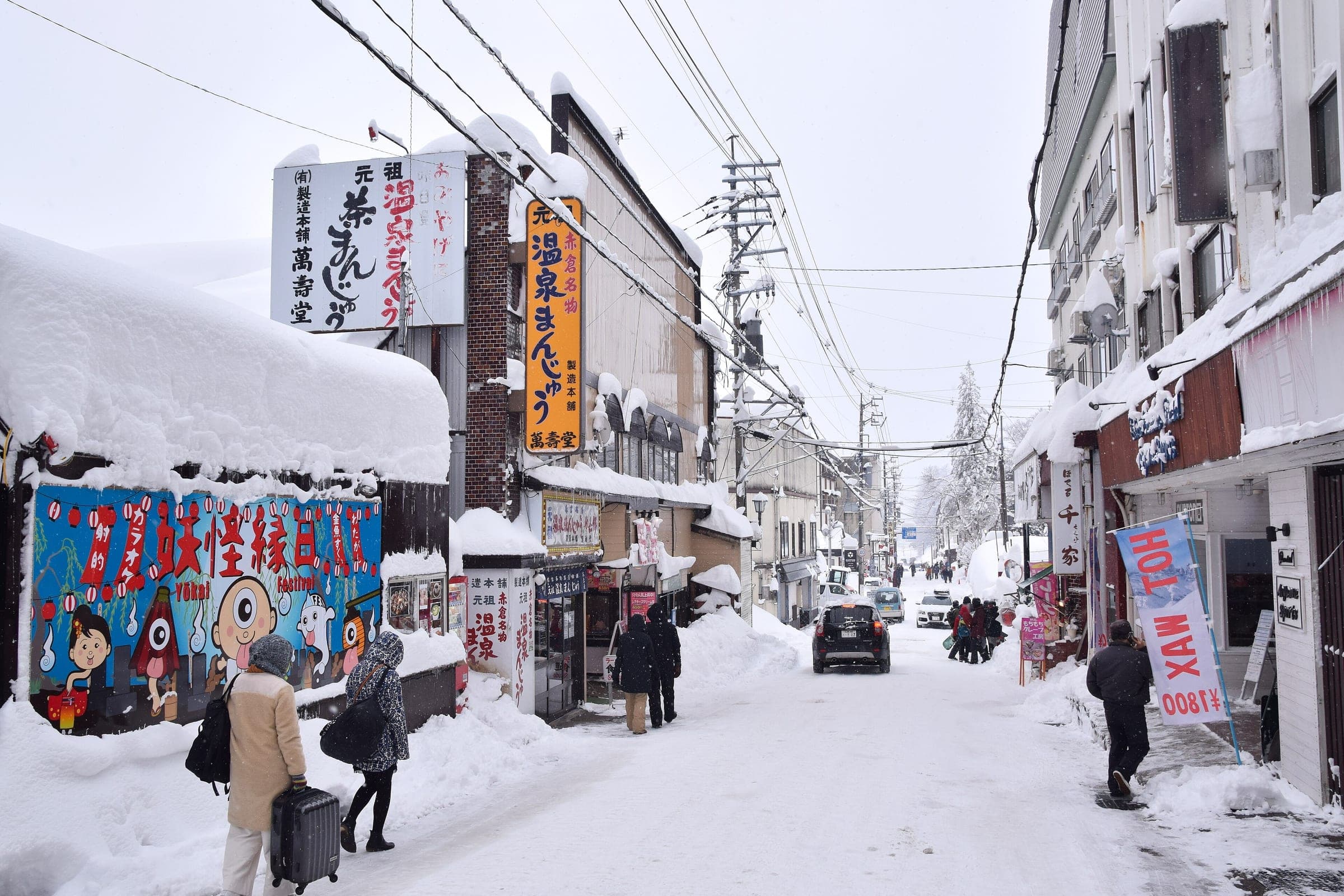
How do backcountry gates and rescue costs work at Japan's ski resorts?
Japanese resorts let riders out only through designated gates once a climbing plan is filed, and every resort here that publishes a rescue rule bills the rider. Zao bans riding off its courses altogether.
Practical guide · 8 min read
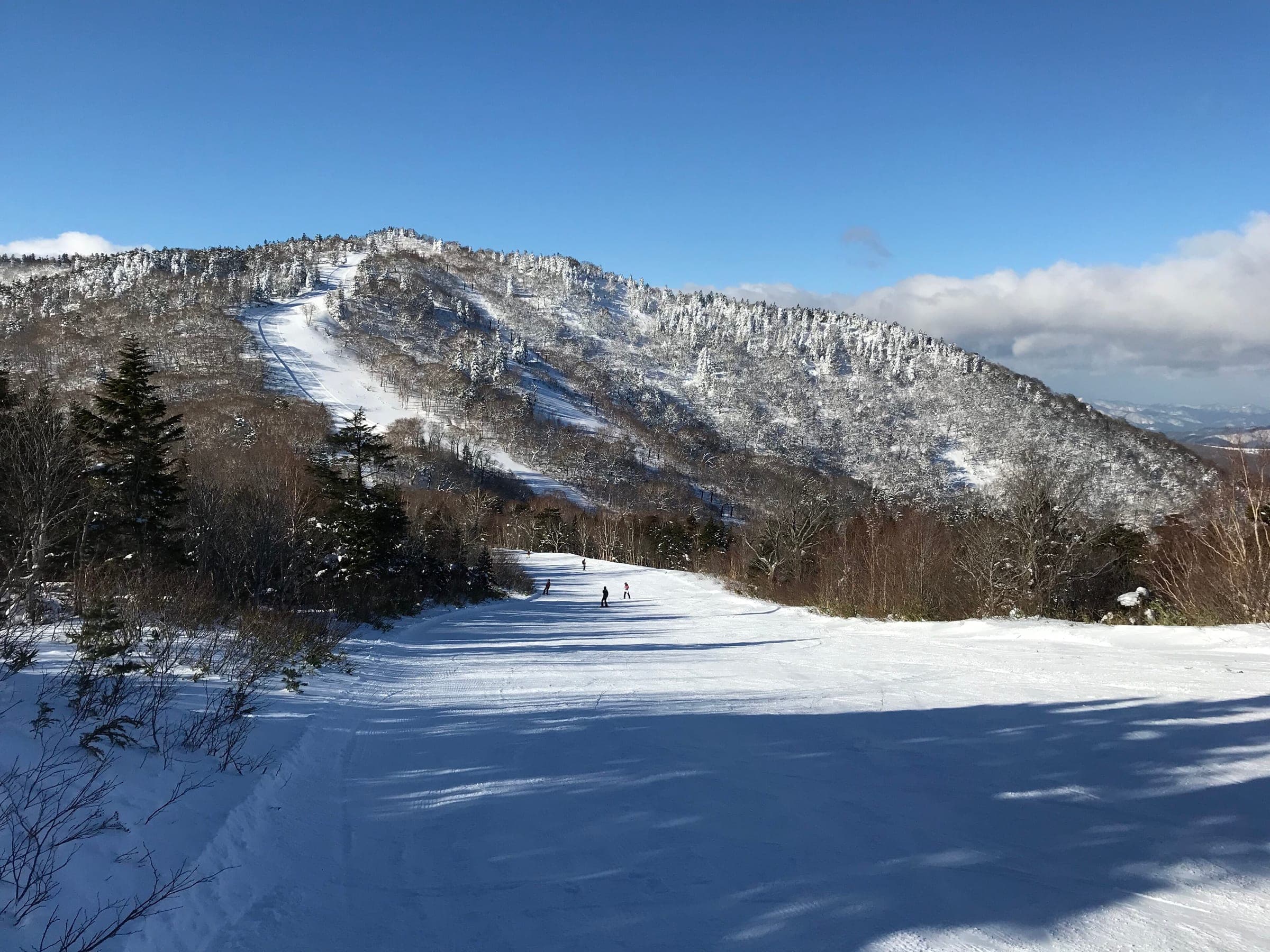
How much does a ski trip to Japan cost?
One adult sharing a room spends about ¥90,000 on a budget week in Yuzawa and from about ¥178,000 for a mid-range week in Hakuba, before flights and rental. A ryokan-hotel week in Myoko runs to about ¥286,000.
Practical guide · 7 min read
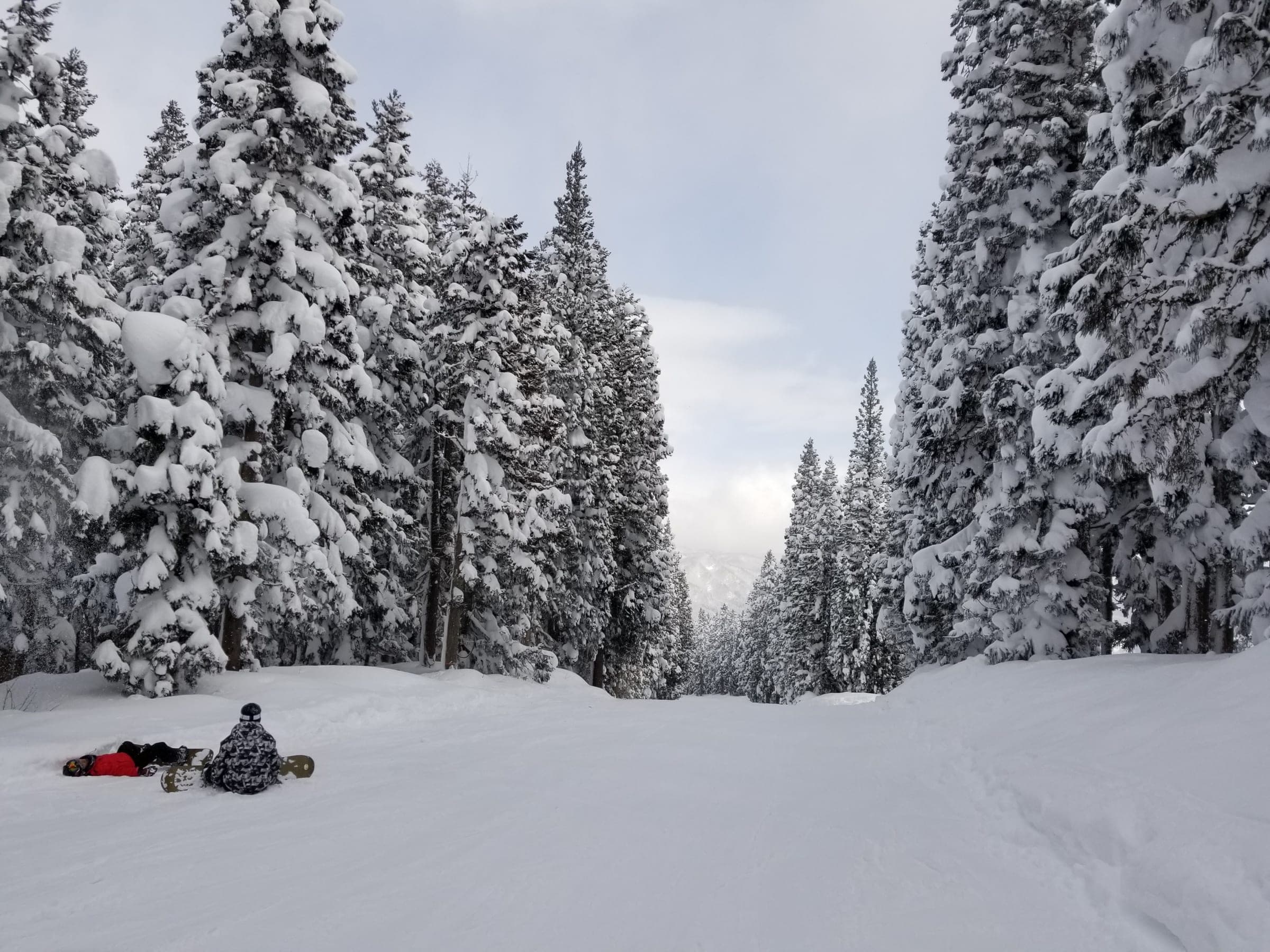
Is the Ikon Pass or the Epic Pass better for skiing in Japan?
Ikon gives seven days at each of ten Japanese mountains for 2026/27, eight of them on Honshu. Epic gives five back-to-back days across Hakuba's ten resorts, plus Rusutsu in Hokkaido.
Practical guide · 9 min read
When is the best time to ski in Japan?
Mid-January to the end of February brings the most snow on Honshu and in Tohoku. Book around New Year and the 2027 holiday weekends, or wait for March and April, when the days run long and spring prices kick in.