guide · 4 min read
Where can you ride gravel in Japan?
Japan's gravel lives on forest roads built for forestry, and in national forests the Forestry Agency asks you to clear entry with the local forest office first. Published gravel rides are few, so start from a station that rents gravel bikes and ask locally.
By Adam BognarPublished
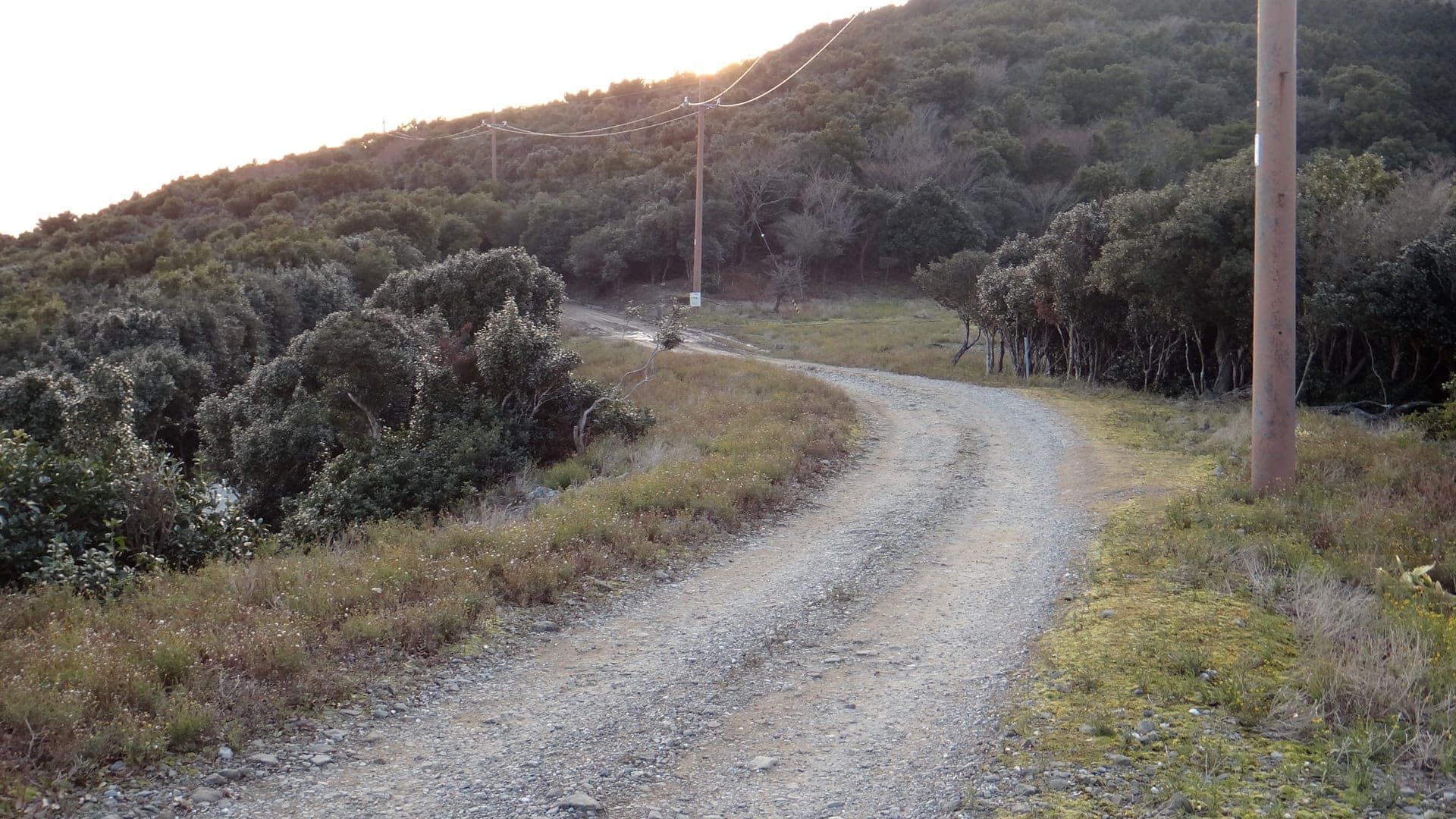
Japan's gravel riding happens mostly on forest roads, called rindō (林道), which were cut to work the forests. Some are sealed and some are dirt, and the Forestry Agency warns that bad weather brings down rock and trees on them. In national forests the Forestry Agency asks anyone entering to complete an entry procedure with the local forest office first, except in some cases it sets out, and it says entry is at your own risk. We found few published gravel routes and one published gravel ride at an organised event, so this page sets out where gravel bikes are for hire, what to check before you ride and where the rules sit.
We looked through our files for every route, event and rental desk that mentions gravel, and read the Forestry Agency's and the Ministry of the Environment's guidance for people entering forests, in October 2026. The evidence is thin, and we say so where it runs out.
Can you ride on forest roads (rindo) in Japan?
Sometimes, and the forest owner decides. For national forests, the Forestry Agency asks you to contact the regional forest office or district office that manages the forest and complete its entry procedure before you go. Its page lists the office for each prefecture, and it asks riders and walkers to keep out of any area marked closed. Prefectures, towns and private owners manage other forest roads, and a locked gate means that road is shut.
The same page asks everyone to stay out of the forest in typhoons, heavy rain and blizzards, when rockfall, fallen trees and debris flows get likelier. It also tightened the fire rules from 1 January 2026. A town can now issue a forest-fire warning that bans open fires and smoking in set areas, with penalties. Check the local warning before you light a stove by the trail.
Where can you hire a gravel bike in Japan?
At a handful of station desks. All the prices here are the operators' own for 2026.
| Where | Who rents it | Bike and price (published, 2026) | Suits | The catch |
|---|---|---|---|---|
| Awa-Kamogawa Station, Boso | Kamochari+ | MERIDA SILEX 200 gravel bike from ¥3,000 for 4 hours | Riders exploring the hills behind the Pacific coast of Chiba | Two gravel bikes only, and the web form closes two days ahead |
| Iiyama Station, Nagano | Shin'etsu Shizenkyo Activity Center | Electric-assist gravel bike, ¥5,000 a day | Riders getting off the Shinkansen for Nozawa Onsen country | Sized for riders 165 to 178 cm |
| Otsu Port, Lake Biwa | Biwaichi Bike | Gravel e-bike, ¥9,900 a day | Riders who want a lakeside day with a little dirt | Shuts every winter from mid-December to mid-February |
The Boso hills also have HEGURI HUB, a guesthouse below Mt. Iyogatake in Minamiboso that lists gravel riders among its guests. Its clubhouse keeps a pump, tools and changing rooms for anyone riding through, and it hires Giant cross bikes and e-bikes at weekends.
Are there published gravel routes or events in Japan?
A few. The Sado Long Ride 210 programme on Sado Island closed its 2026 weekend with a 33 km gravel ride through crested ibis country on the Monday. Azumino's city course in Nagano flags a short gravel stretch on its map as of March 2024 (Azumino Water Course). Our file for the Ishikawa Satoyama-Satoumi route lists gravel bikes among the bikes it suits. Parts of it on the Noto peninsula still carry closures and detours after the 2024 earthquake, so check Ishikawa Prefecture's road map and ride with care for towns that are rebuilding.
How do you stay safe from bears on a gravel ride?
Make noise and let the bear move off first. The Ministry of the Environment and the Japan Tourism Agency publish an English leaflet for visitors. It says most bears in Japan avoid people, and it asks you to carry a bear bell, clap where you cannot see far ahead and talk as you go. If you meet one, never feed it or walk toward it, and back away slowly without running. Take every bit of rubbish home. A bike rolls fast and silent on a forest road, so ring the bell on blind bends and slow down where the road climbs through thick cover.
What closes a gravel road?
Snow and storms. High mountain roads shut for winter: Nagano lists the Norikura Skyline and Echo Line closing after their last traffic on 31 October 2026, and early snow can close them sooner. Typhoons and landslides close roads too. Check the prefecture's road page and the forest office before you leave, and carry enough food and water to turn back.
Quick answers
Are there published gravel routes in Japan?
Few. On the evidence we found in 2026, Japan's gravel riding runs mostly on forest roads, a few station desks rent gravel bikes, and the Sado Long Ride programme included a 33 km gravel ride.
Can I ride a bike on a forest road (rindo) in Japan?
Sometimes. In national forests, Japan's Forestry Agency asks you to complete an entry procedure with the local forest office first, and a gate or a closure sign means the road is shut that day.
Where can I rent a gravel bike in Japan?
Kamochari+ at Awa-Kamogawa Station rents a MERIDA gravel bike from ¥3,000 for 4 hours, the Shin'etsu Shizenkyo Activity Center at Iiyama Station rents an e-gravel bike for ¥5,000 a day, and Biwaichi Bike in Otsu rents a gravel e-bike for ¥9,900 a day, all in 2026.
What should I do if I see a bear while cycling in Japan?
Keep your distance and back away slowly, and never run or feed it. Japan's Ministry of the Environment asks visitors to carry a bear bell and make noise where they cannot see far ahead.
We write from operators’ and agencies’ own pages, open map data and published research, and we date every fact we check. How we research.
Sources (7)
- https://www.rinya.maff.go.jp/j/kokusei/nyuurin.html
- https://www.env.go.jp/nature/choju/effort/effort12/effort12.html
- https://www.env.go.jp/nature/choju/effort/effort12/kuma-warning-english.pdf
- http://www.sado-longride.com/info/
- https://www.shinetsu-activity.jp/en/rental/
- https://www.pref.nagano.lg.jp/shizenhogo/infra/doro/joho/norikuradake.html
- https://www.pref.ishikawa.jp/michi/cycling/cycling-web/route.html
Places in this piece関連
Read next案内
guide · 7 min read
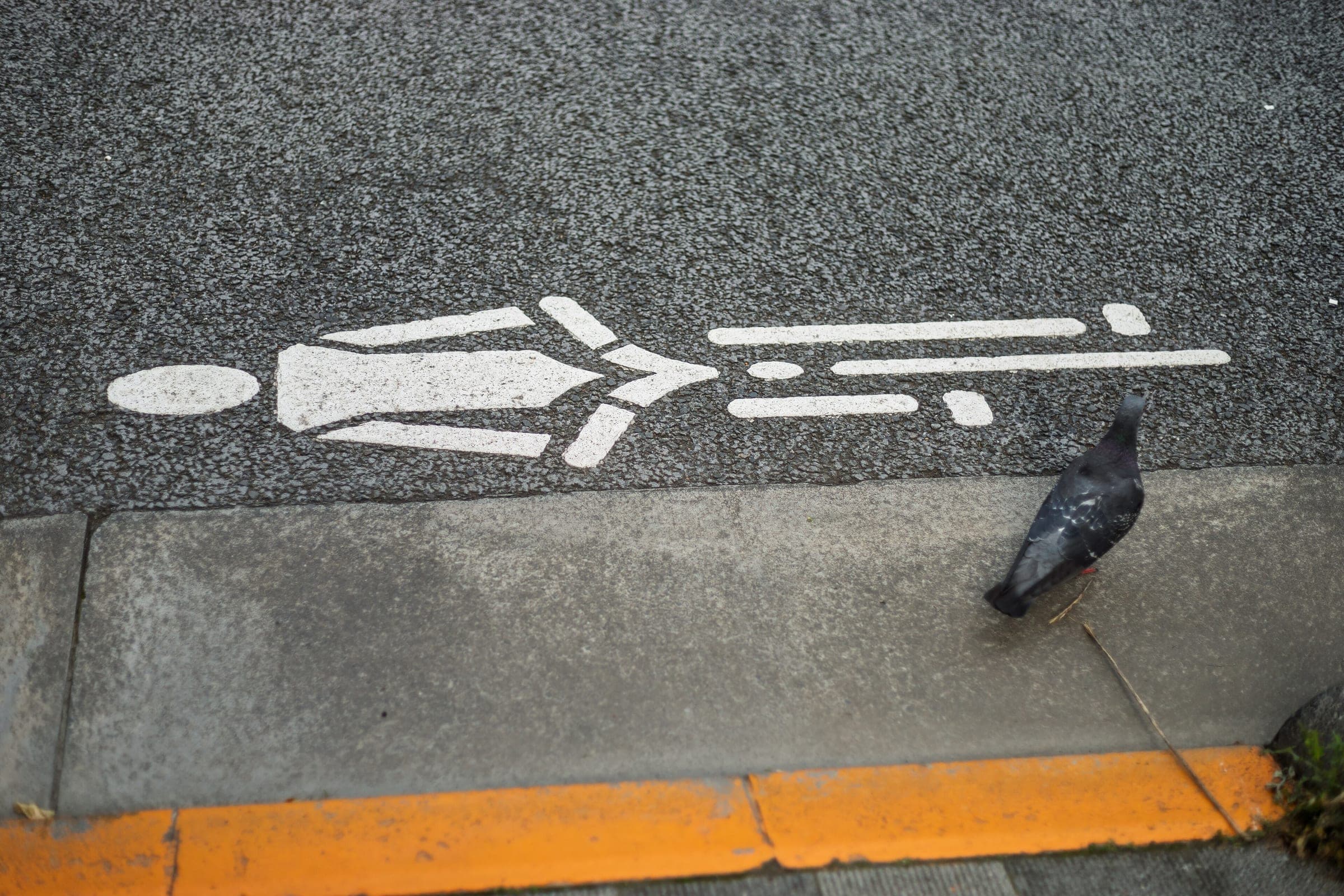
What are Japan's cycling rules and fines in 2026?
Since 1 April 2026 the police can hand any rider aged 16 or over a blue ticket with a fixed fine. Holding a phone costs ¥12,000 and a red light ¥6,000, and the rules apply on a rental bike the same as on your own.
guide · 7 min read
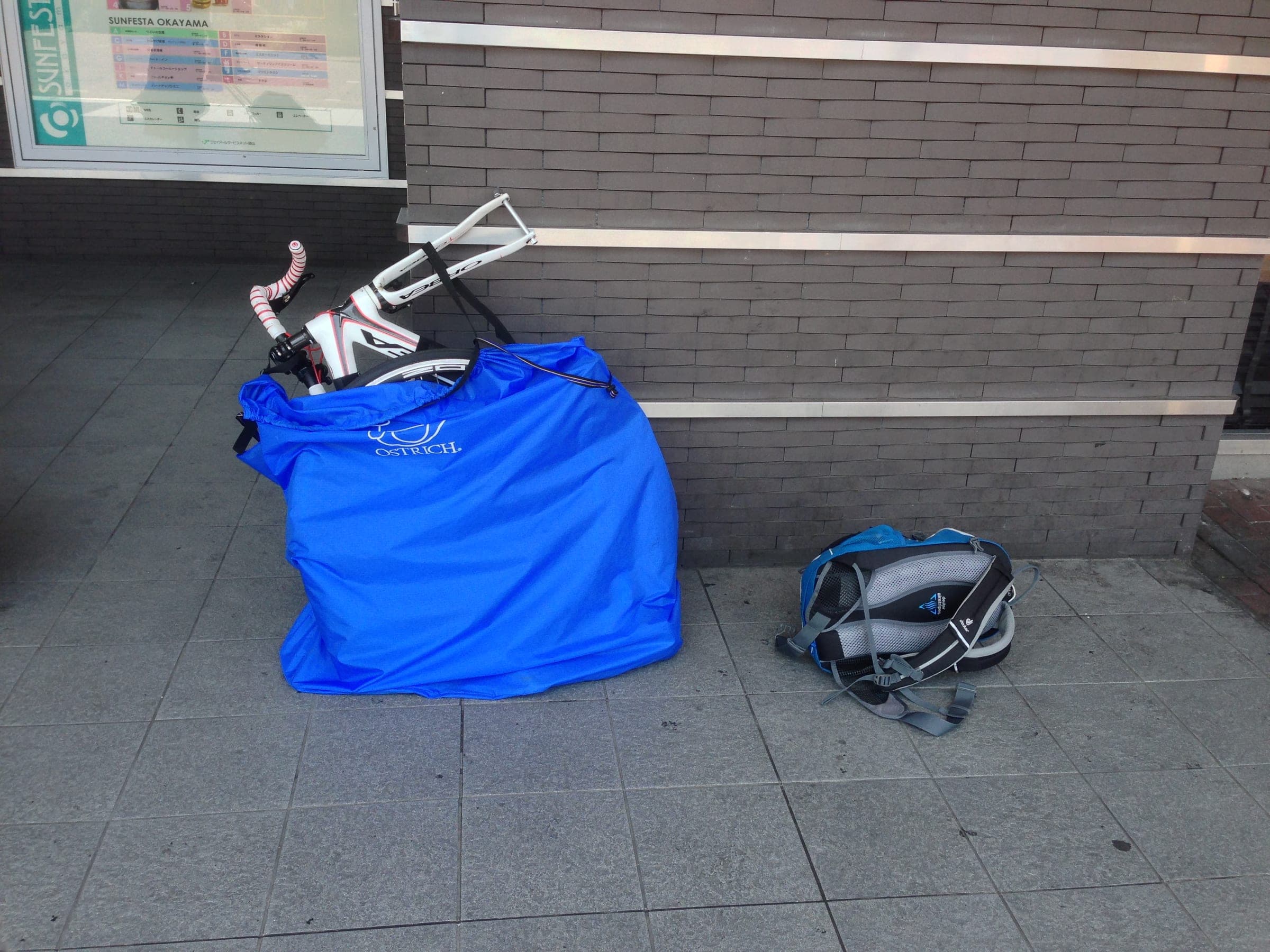
Can you take a bike on the Shinkansen?
Every Shinkansen takes a bike packed as rinko, wheels off and fully bagged, up to 250 cm and 30 kg. West of Tokyo you should book the seat with the space behind it, and north of Tokyo there is nothing to book.
guide · 6 min read
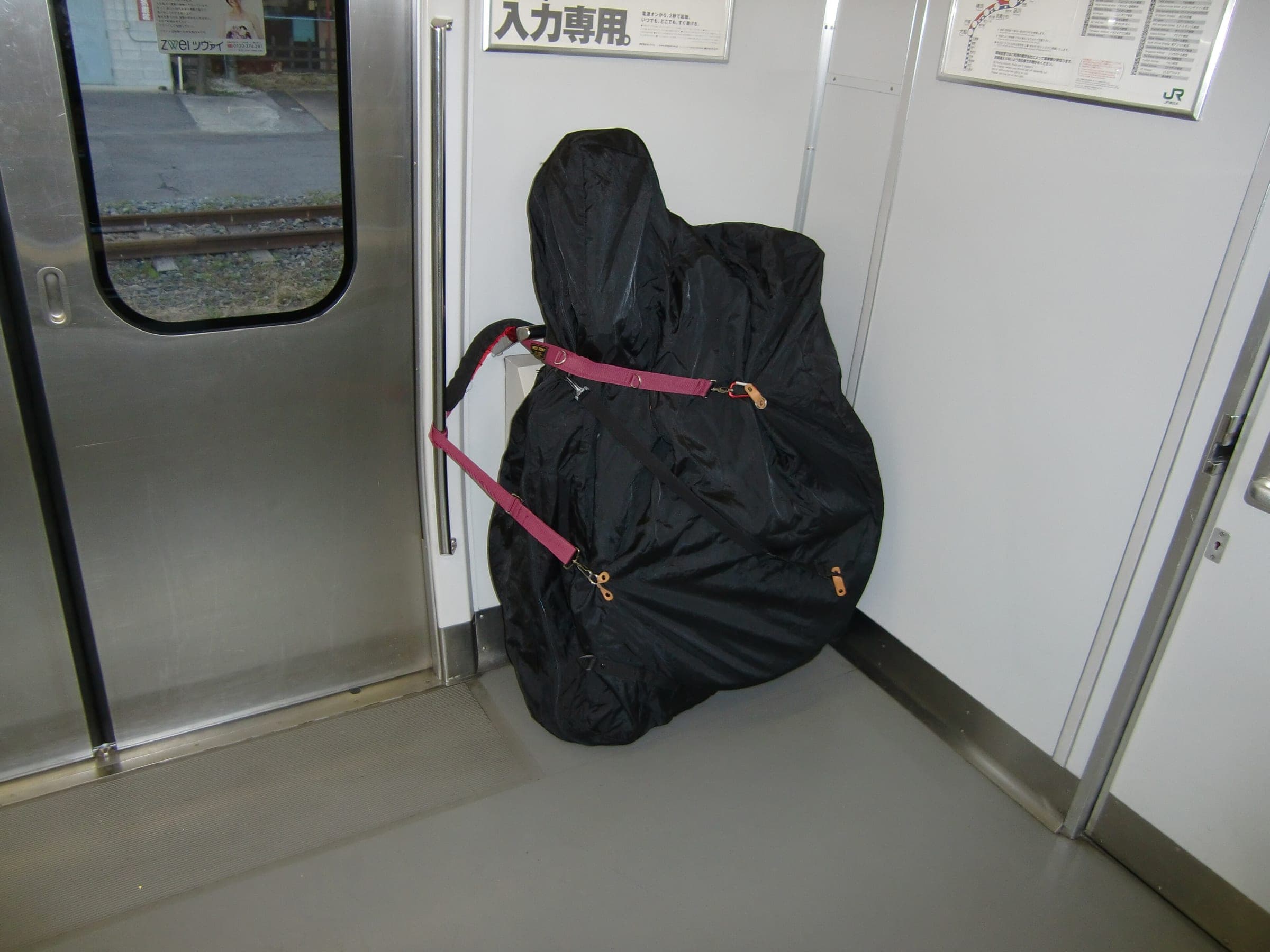
What is a rinko bag, and which one do you need for Japan's trains?
A rinko bag is the soft cover that turns a bike into luggage for Japan's trains. JR wants every part inside it and the whole bag within 250 cm and 30 kg, and a shop like Y's Road in Ueno will match one to your frame.