Shuzen-ji
修禅寺34°58′ N 138°56′ ETempleFounded 807, by temple tradition
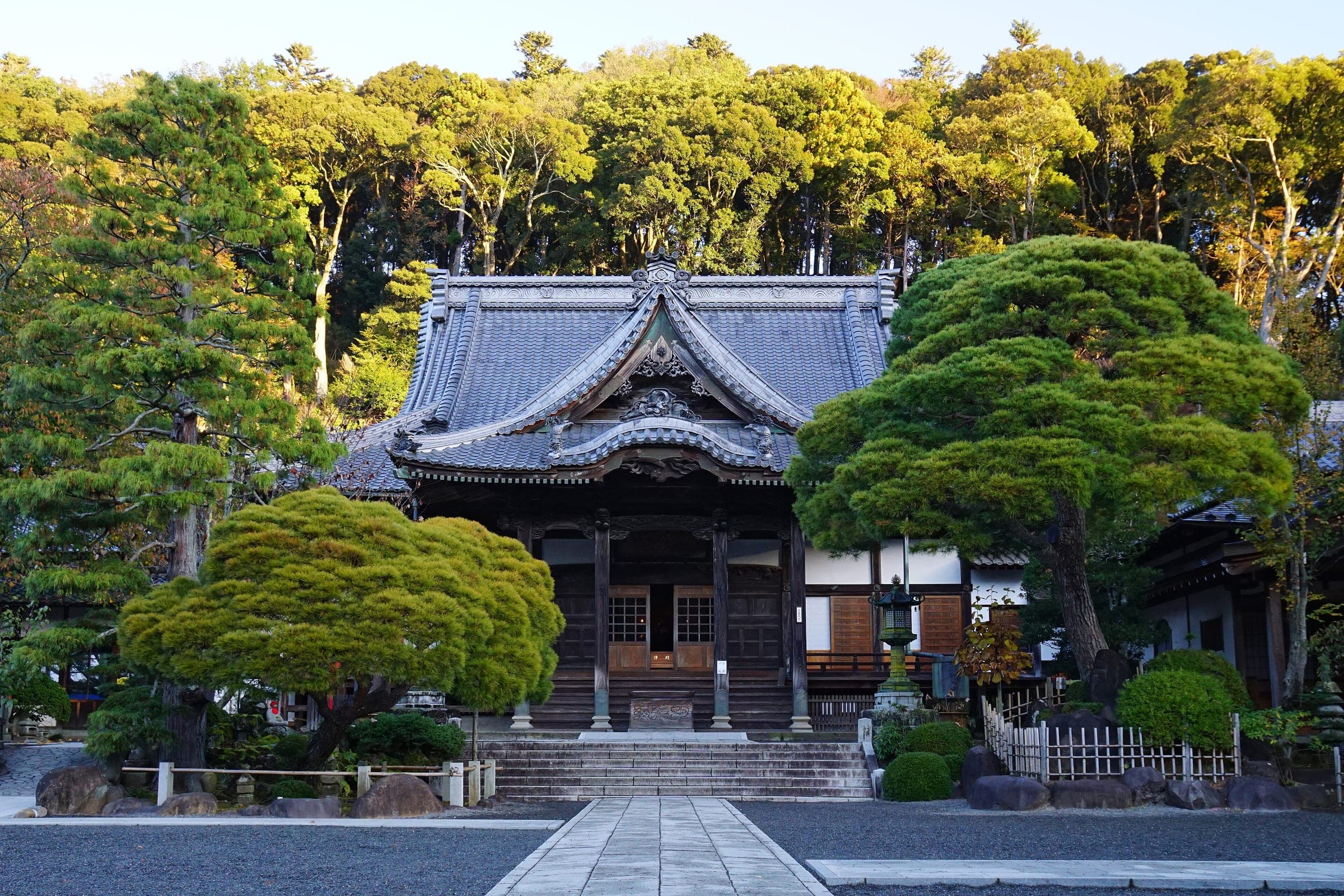
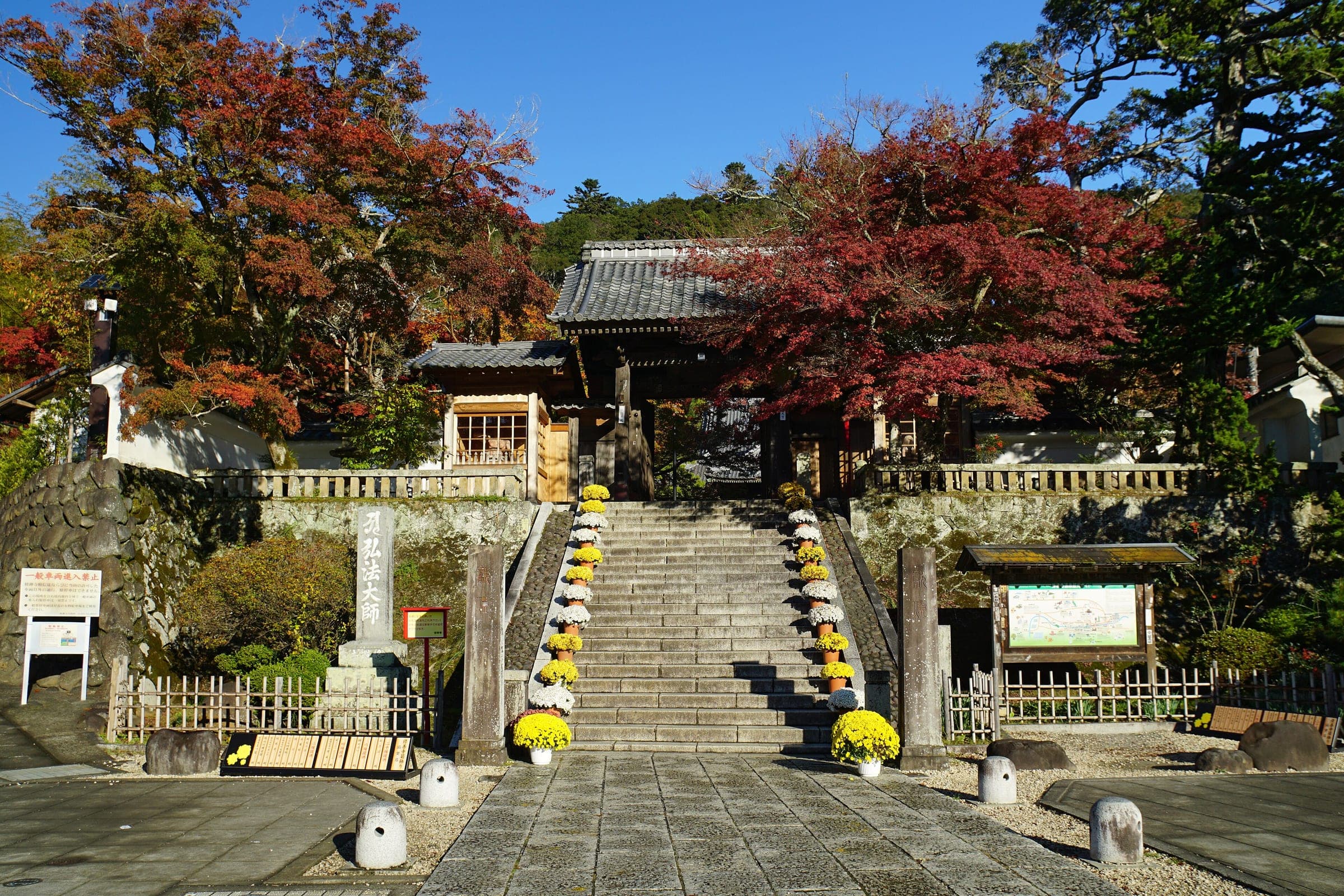
Shuzen-ji is the Soto school temple at the heart of Shuzenji Onsen, said to have been founded by Kukai in 807, and it suits a quiet hour on any Izu trip with a stroll through the onsen town; the temple has no car park, so arrive on foot or by the bus from Shuzenji Station.
Photo 663highland · Wikimedia Commons · CC BY-SA 4.0 and others, credited in the gallery
Visiting with care · Partly open
The temple has no car park. Drivers use the paid car parks of Shuzenji Onsen, and some streets in the onsen town are one way or closed to large vehicles.
- The grounds and the front of the main hall are open to everyone from 5:00 to 17:00.
- The abbot's garden, which tradition says the future Emperor Taisho called the finest in the Tokai region, opens only for a special viewing from late November to early December.
- Shuzen-ji is a working temple of the Soto school whose priests hold the morning service before the main image and the statue of Kobo Daishi every day, so keep your voice low near the hall.
- The temple's Kobo-ki festivals in April and August are religious services with processions and lantern rites, so give way to the mikoshi and the priests and watch from the side.
Related places
Temple tradition says Kobo Daishi founded Shuzen-ji in 807 and opened the hot spring that gave the town its start. The Hojo clan patronised it in the Kamakura period, and it later passed to the Rinzai school. A war in 1409 burned the halls, and Hojo Soun rebuilt it as the Soto temple you see now.
The Kamakura shogunate's darkest family story played out here. Minamoto no Noriyori was confined at Shuzen-ji in 1194 and is said to have taken his own life when Kajiwara Kagetoki's men attacked. In 1204 the second shogun, Minamoto no Yoriie, was held here and murdered in the bath. Hojo Masako gave the seated Shaka in the Shigetsuden hall to pray for her son, and the temple calls the hall the oldest wooden building in Izu.
The treasure hall shows a carved wooden mask that legend says Yoriie had made to show his mother how a plot had left his face swollen. It gave Okamoto Kido the idea for Shuzenji Monogatari, published in 1911 and still staged in kabuki. Kawabata Ryushi's dragon glares down from the ceiling. Each November the hall unveils the main image, a seated Dainichi Nyorai, for a short viewing.
From Mishima the Izuhakone Railway reaches Shuzenji Station in about 32 minutes, and the bus to Shuzenji Onsen takes about 10 more. The temple also runs sutra-copying sessions for up to 12 people with brush pens, booked through Shuzenji SGG; the October 2026 session cost ¥2,000 and lasted about two hours.
Worth knowing
- Come in late November or early December for the abbot's garden, which opens to the public only then.
- On 20 August the autumn Kobo-ki festival carries lanterns from the temple to Tokko Park, and on the 21st it closes with a river service for the drowned and fireworks.
Quick answers about Shuzen-jiよくある質問
Is Shuzen-ji free to visit?
Yes. Shuzen-ji's grounds and main hall are free from 5:00 to 17:00. The treasure hall costs ¥300 for adults.
Is there parking at Shuzen-ji?
No. Shuzen-ji has no car park, so drivers use the paid car parks in Shuzenji Onsen.
How do I get to Shuzen-ji from Tokyo?
Take the Tokaido Shinkansen to Mishima, then the Izuhakone Railway to Shuzenji Station in about 32 minutes, and the bus to Shuzenji Onsen in about 10 minutes.
Can you visit Shuzen-ji?
Partly open. The grounds and the front of the main hall are open to everyone from 5:00 to 17:00. The abbot's garden, which tradition says the future Emperor Taisho called the finest in the Tokai region, opens only for a special viewing from late November to early December.
What are the opening hours of Shuzen-ji?
Shuzen-ji keeps these hours: Mon–Sun 05:00–17:00.
How should you behave at Shuzen-ji?
At Shuzen-ji: Shuzen-ji is a working temple of the Soto school whose priests hold the morning service before the main image and the statue of Kobo Daishi every day, so keep your voice low near the hall. The temple's Kobo-ki festivals in April and August are religious services with processions and lantern rites, so give way to the mikoshi and the priests and watch from the side.
Within 12 km
Sights nearby見どころ
Within 12 km
Places to eat and drink nearby食
Within 12 km
Culture and history nearby文化
Within 12 km