guide · 5 min read
Can you do the Shikoku 88 temple pilgrimage by bike?
Yes. The temples' association lets pilgrims choose how they travel and in what order, and riders follow the roads round about 1,400 km of island. Arrive at each temple as a pilgrim: bow at the gate, worship before the stamp and leave the camera away while people pray.
By Adam BognarPublished
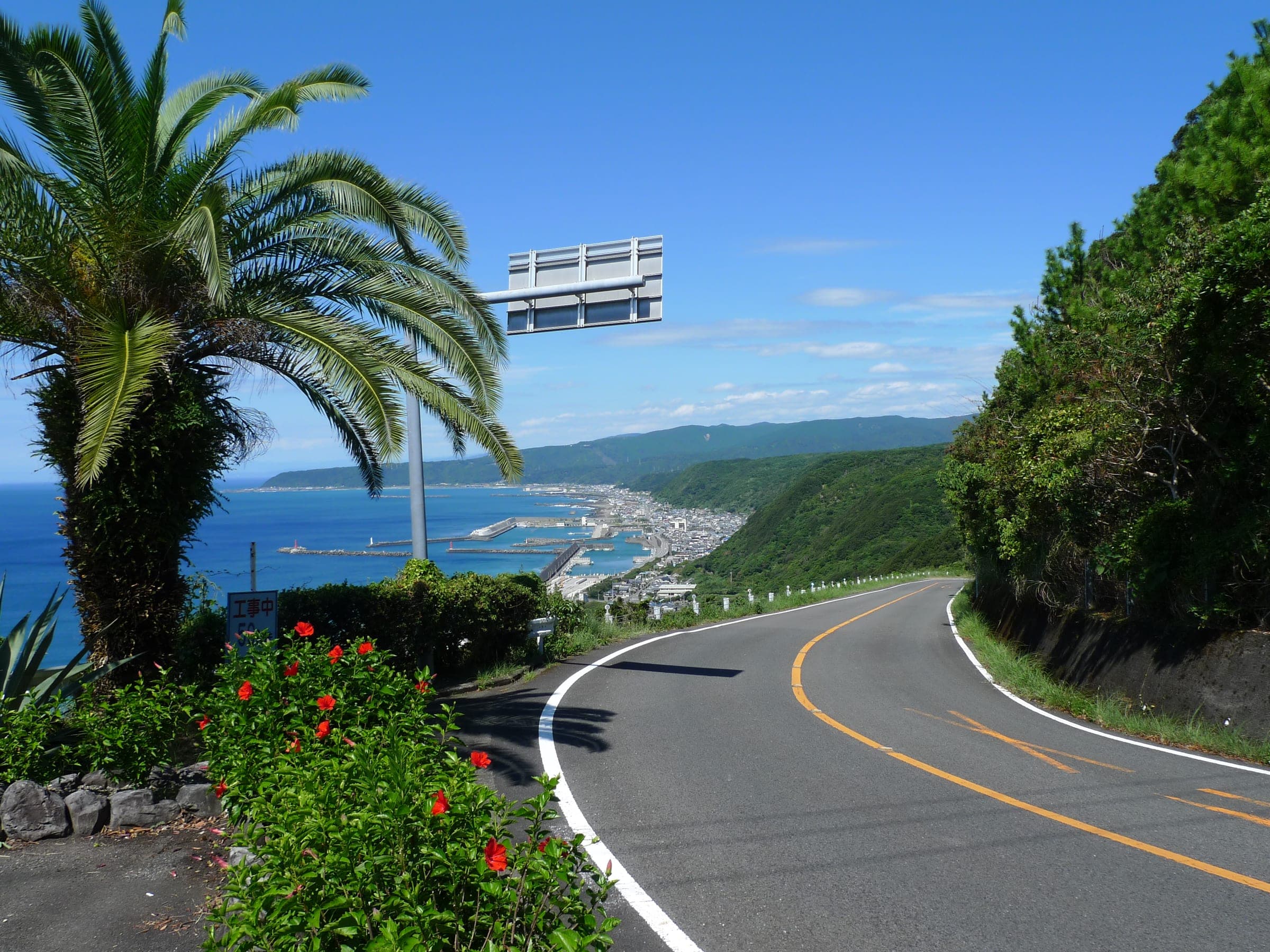
Yes. Shikoku's pilgrimage to 88 temples, which people call the henro (遍路) or o-henro, has no fixed way of travelling, and the temples' own association lists walking, driving and public transport as ways people go. Riders take the roads. The circuit runs about 1,400 km round Shikoku from Ryozen-ji (temple 1) in Tokushima to Okubo-ji (temple 88) in Kagawa, according to the Shikoku Henro World Heritage Registration Promotion Council. The Shikoku Pilgrimage Information Center puts its standard walking course at about 1,142 km, which takes 40 to 60 days on foot. On a bike that walking course works out at about 12 to 17 days of riding, so plan two to three weeks with rest days, or ride it a prefecture at a time.
The henro is a living practice, and the people at each temple are there to pray. We built this guide from the pages of the Shikoku 88 temples' association (四国八十八ヶ所霊場会), the heritage council, whose office sits in Kagawa Prefecture's culture division, and the Shikoku Pilgrimage Information Center, in October 2026. Where a temple posts its own rule, the temple's rule comes first.
What is the Shikoku pilgrimage?
It is a circuit of 88 sacred temples linked to Kobo Daishi (Kukai). The association records that he was born in 774 at Byobugaura in Sanuki (today's Zentsuji in Kagawa) and entered eternal meditation on Mt. Koya in 835. Tradition holds that he chose the 88 temples and opened the circuit. Pilgrims speak of dōgyō ninin (同行二人), "two travelling together". The association explains that even in a group, each pilgrim travels with Kobo Daishi.
The four prefectures each form a stage of the path, which the heritage council names this way:
| Prefecture | Stage (道場, dōjō) | Meaning |
|---|---|---|
| Tokushima | 発心の道場 (hosshin) | Awakening |
| Kochi | 修行の道場 (shugyō) | Training |
| Ehime | 菩提の道場 (bodai) | Enlightenment |
| Kagawa | 涅槃の道場 (nehan) | Nirvana |
The council notes that residents still welcome pilgrims with tea and fruit, a custom called o-settai (お接待).
How long does the henro take by bike?
About 12 to 17 days of riding for the whole circuit, computed from the Information Center's 1,142 km walking course at 70 to 100 km a day, so two to three weeks once you add rest days. Temple time sets the real pace. Each visit means worship at the main hall and at the Daishi hall before the stamp office, and the association gives the stamp offices' hours as generally 8:00 to 17:00. A rider who wants every stamp plans each day around reaching the last temple before 17:00.
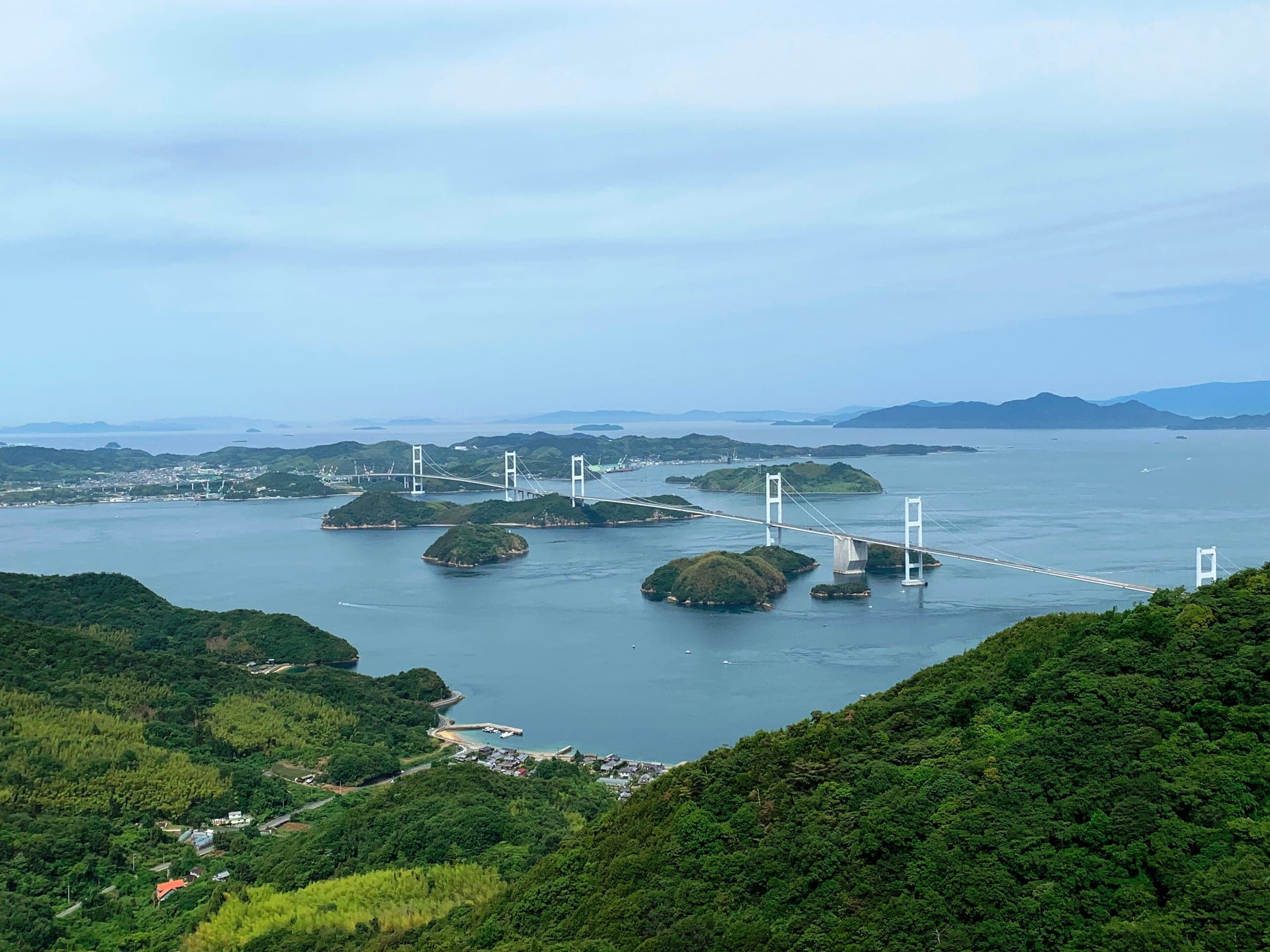
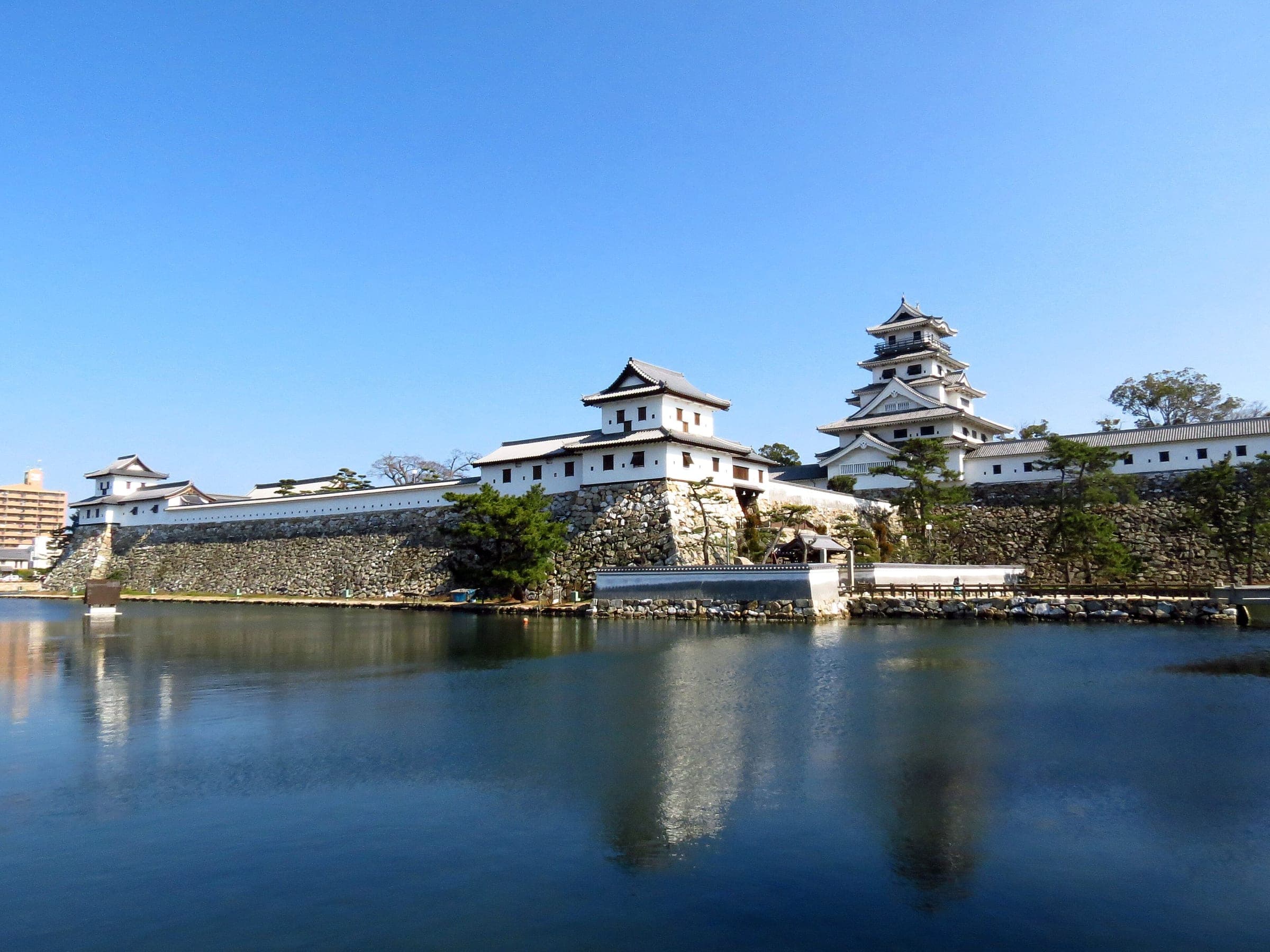
You need not go in order, and you need not go all at once. The association says pilgrims choose their own start and route, and many go a prefecture at a time or in halves. That suits a rider with a week, and Ehime is the stage you can reach on two wheels from Honshu: the Shimanami Kaido comes down into Imabari from Onomichi in a day.
How should a cyclist behave at the temples?
As a pilgrim, from the bike park onward. The association asks pilgrims who travel by car to put on their pilgrim clothes at the car park before they approach the temple, and the same courtesy suits a rider. Leave the bike where the temple directs, out of the approach, and walk in.
At the gate (山門, sanmon), put your palms together and bow once, and take off your hat. The Information Center asks pilgrims to keep to the left on the approach and up the stone steps. At the water basin, rinse the left hand, then the right, then your mouth from the left hand. Ask before you ring the temple bell, ring it once before you worship, and leave it alone on your way out, which the Information Center says brings bad luck. At the main hall and then the Daishi hall, light a candle and incense, drop your name slip (納札, osamefuda) in its box and place your offering with care. Set incense near the centre of the burner and candles at the top so later visitors have room, and never put a used match in the burner.
Photography is banned at some temples, and the Information Center asks visitors to follow the posted signs. Our own rule goes further: never photograph a pilgrim at prayer.
On the road, the association asks pilgrims to leave borrowed toilets clean and carry all rubbish out. Keep quiet near homes in the early morning, and greet other pilgrims with a silent bow. If a resident offers o-settai, accept it with thanks, and give a name slip if you carry them. Stay on the roads, and keep out of private land and farm fields.
What is the stamp book for?
The stamp book (納経帳, nōkyōchō) records your worship at each temple, and the association asks you to receive each stamp with care, since the book becomes a keepsake for life. Receive the stamp at the temple office (納経所, nōkyōjo) after you have worshipped at both halls. If you arrive near closing time, tell the staff, and they may stamp it first. Each temple also offers a print of its main image (御影, miei), at ¥200 for a colour print and ¥100 for black and white in 2026. Pay the stamp fee each office posts.
What should a cycling pilgrim wear and carry?
The association's standard dress is white. A pilgrim in lighter dress wears a white vest (白衣, hakui) and a stole (輪袈裟, wagesa) over ordinary clothes, which works over cycling kit. Take the stole and the sedge hat off before you use a temple toilet. The association lists the stamp book, a sutra book, prayer beads, candles and incense and name slips as the basic supplies. Not every temple sells them, so buy a set at the first temple you reach that does.
Book temple lodgings (宿坊, shukubō) ahead, as the association asks. The association also posts road works and parking changes near the temples on its news page, and it is worth a look before each stage.
Quick answers
Can you do the Shikoku 88 pilgrimage on a bicycle?
Yes. The Shikoku 88 temples' association sets no fixed way of travelling, and pilgrims choose their own route and order. Cyclists follow the roads and worship at each temple as any pilgrim does.
How long is the Shikoku pilgrimage?
The Shikoku pilgrimage runs about 1,400 km round the island, according to the Shikoku Henro World Heritage Registration Promotion Council. The Shikoku Pilgrimage Information Center gives its standard walking course as about 1,142 km.
How many days does the Shikoku pilgrimage take by bike?
The Shikoku pilgrimage takes about 12 to 17 days of riding by bike, computed from the 1,142 km walking course at 70 to 100 km a day, or two to three weeks with rest days. Stamp offices generally open 8:00 to 17:00, which limits how many temples fit in a day.
Do you have to visit the Shikoku temples in order?
No. The Shikoku 88 temples' association says pilgrims may start where they like and need not visit in order, and many split the circuit by prefecture.
Can I take photos at the Shikoku 88 temples?
Some temples ban photography, so follow each temple's posted signs. Never photograph pilgrims at prayer.
We write from operators’ and agencies’ own pages, open map data and published research, and we date every fact we check. How we research.
Sources (11)
- https://88shikokuhenro.jp/ohenro/
- https://88shikokuhenro.jp/basic/ohenro-no-kokoroe/
- https://88shikokuhenro.jp/basic/visit/
- https://88shikokuhenro.jp/basic/supplies/
- https://88shikokuhenro.jp/questions/
- https://88shikokuhenro.jp/en/faq/
- https://88shikokuhenro.jp/en/basic-knowledge/worship-method/
- https://88shikokuhenro.jp/archive/
- https://88sekaiisan.org/eightyeight
- https://shikokuhenro.jp/en/join-en/planning/
- https://shikokuhenro.jp/en/tips-en/manner/
Places in this piece関連
Read next案内
guide · 7 min read
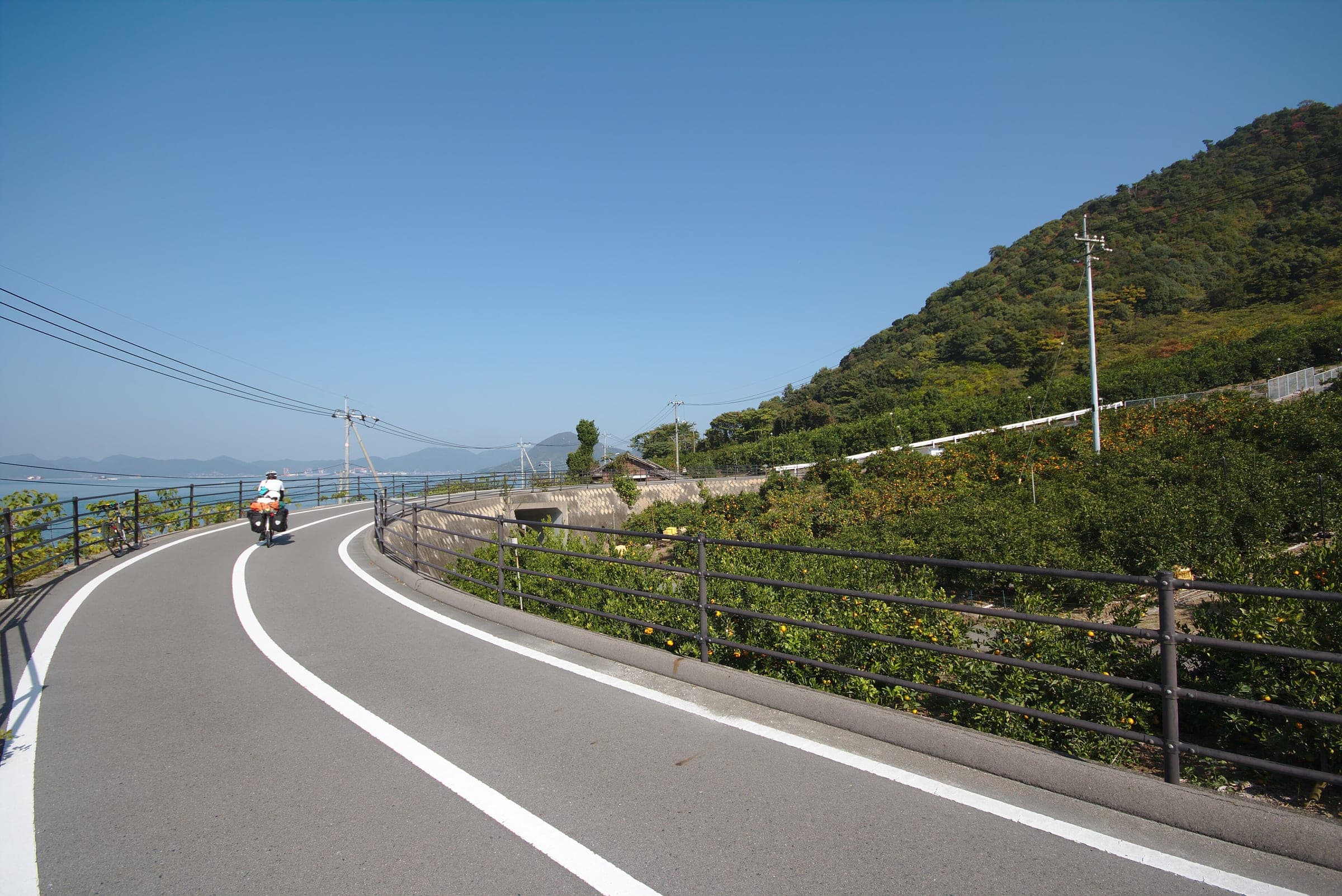
How long does it take to cycle the Shimanami Kaido?
Most riders cross from Onomichi to Imabari in one full day. Split it with a night on Ikuchijima or Omishima if you want the islands, or take a sports e-bike and ride it in a morning, as long as it goes back before the terminal closes.
guide · 7 min read
Can you take a bike on the Shinkansen?
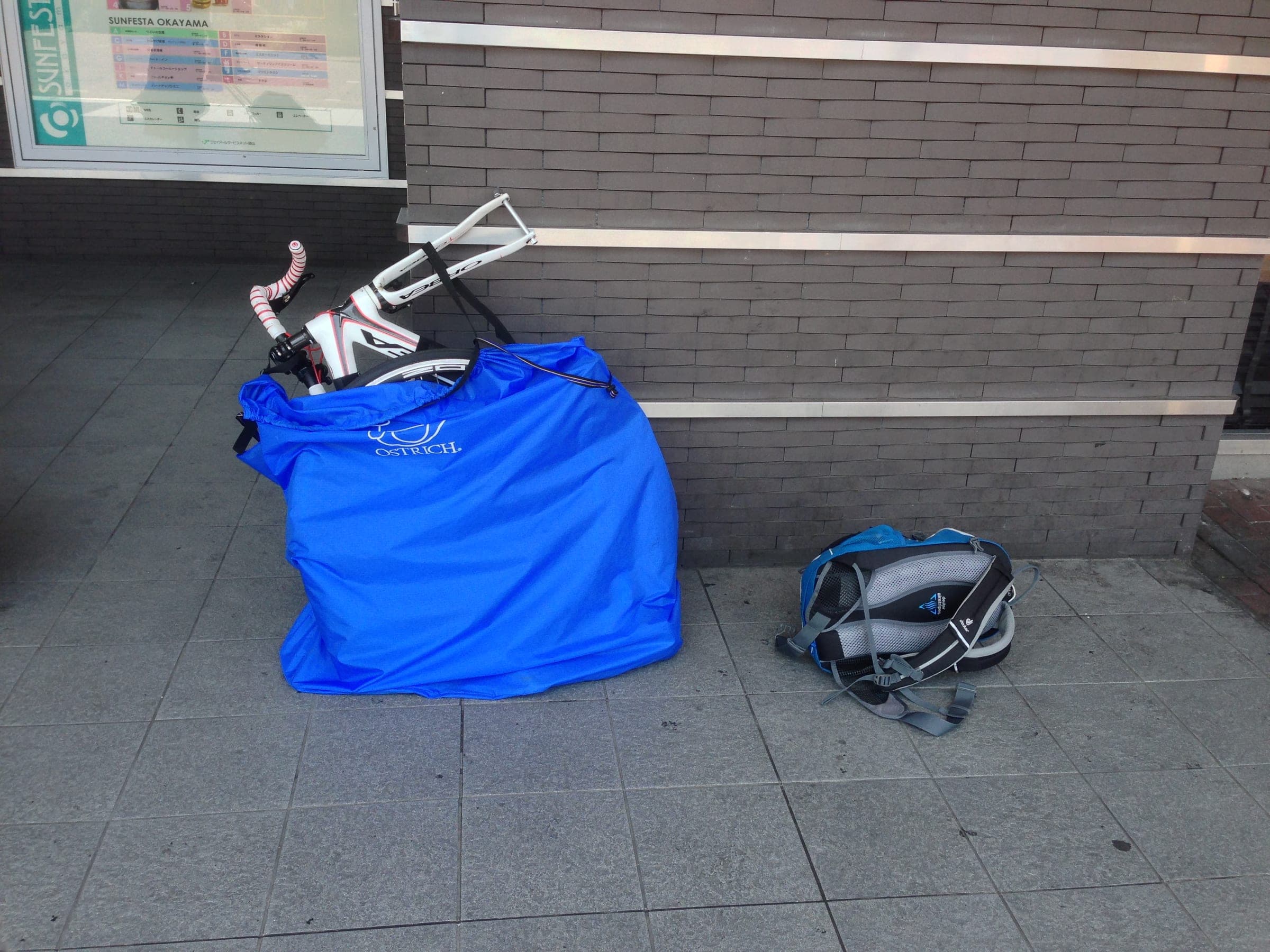
Every Shinkansen takes a bike packed as rinko, wheels off and fully bagged, up to 250 cm and 30 kg. West of Tokyo you should book the seat with the space behind it, and north of Tokyo there is nothing to book.
guide · 7 min read
What are Japan's cycling rules and fines in 2026?
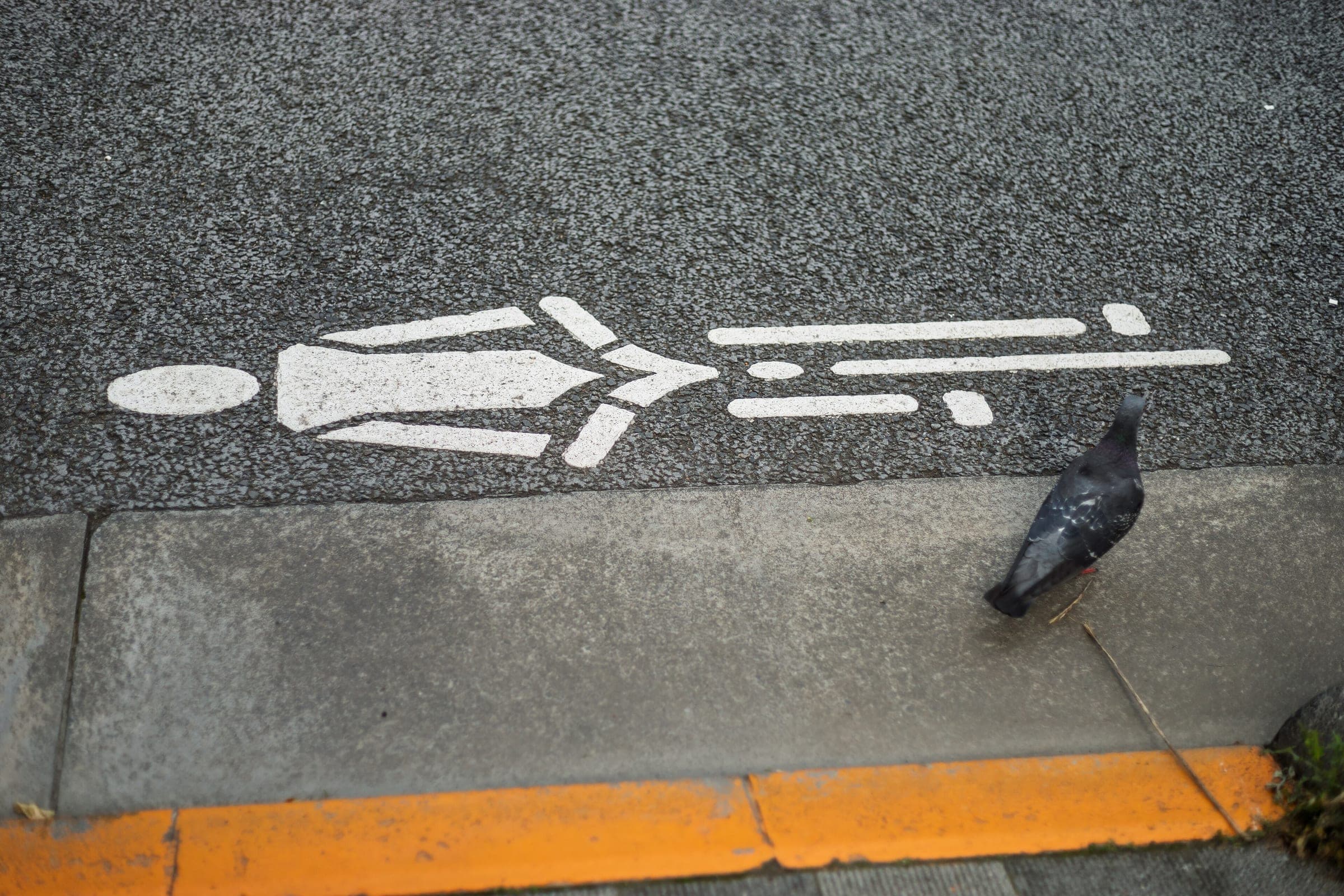
Since 1 April 2026 the police can hand any rider aged 16 or over a blue ticket with a fixed fine. Holding a phone costs ¥12,000 and a red light ¥6,000, and the rules apply on a rental bike the same as on your own.