Shikoku 88 Temple Pilgrimage
四国八十八箇所PilgrimageAbout 1,200 years of practice, tied to…
The Shikoku henro suits riders who want a long route with a purpose, and the temples ask riders to behave as guests among people who are there to pray.
Photo Reggaeman · Wikimedia Commons · CC BY-SA 3.0 and others, credited in the gallery
Visiting with care · Open to visitors
Pilgrims may start at any temple and go in any order; numbering from 1 to 88 is only the common way.
- Pray first and collect the nokyo stamp afterwards; ask the office if you arrive just before 17:00
- Put incense in the middle of the burner and candles high up so later pilgrims have room
- Leave offerings and name slips where you find them; they belong to the Buddha and the Daishi
- Never photograph pilgrims while they pray or chant, and keep the camera down at the main hall and the Daishi hall
- Bow at the main gate on the way in and on the way out
- Walk the bike inside temple grounds and park it where it blocks no path
- No horns or revving engines near temples early in the morning, and take your litter with you
- Speak quietly and give way to pilgrims on narrow stairs and bridges
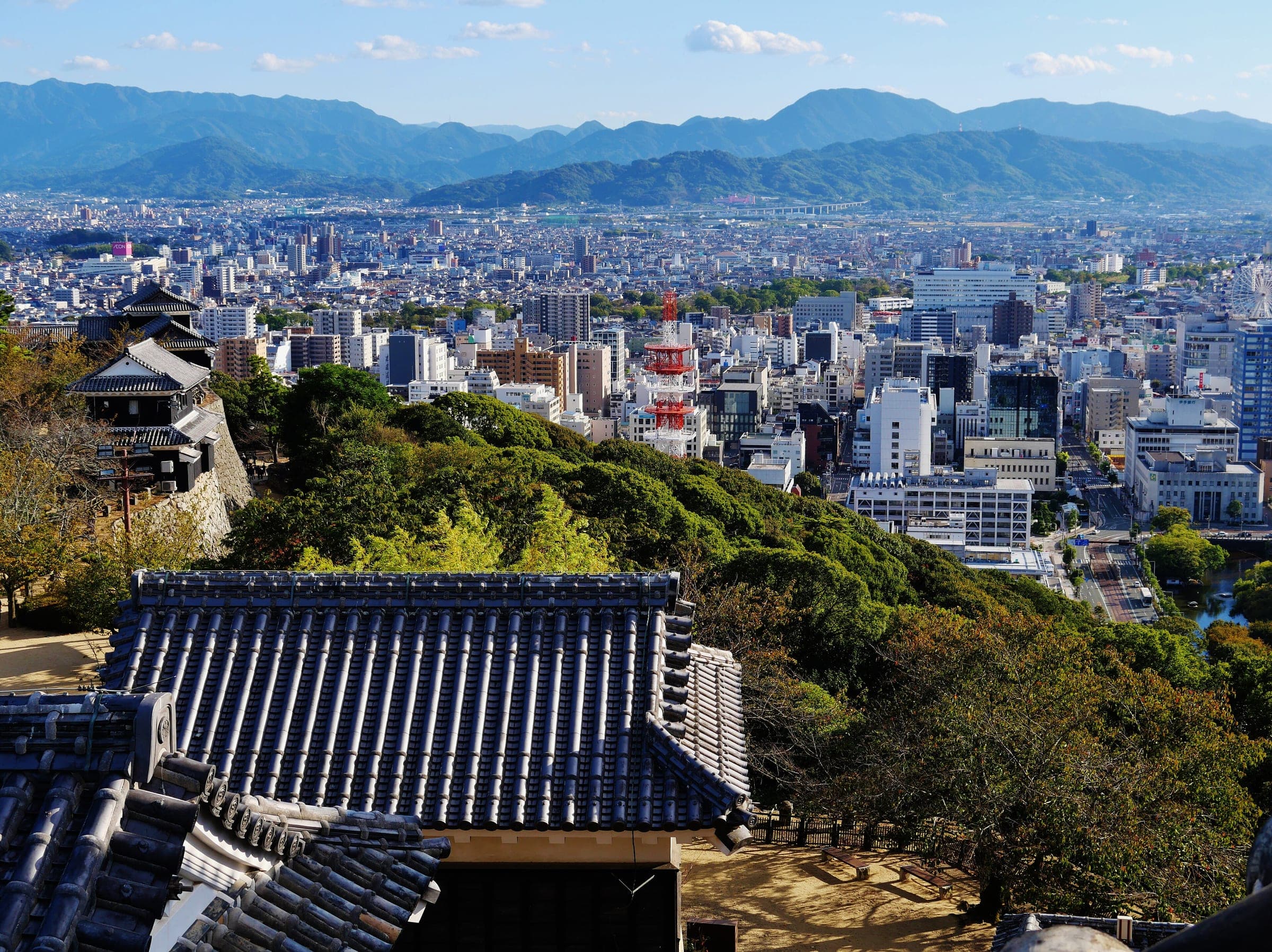
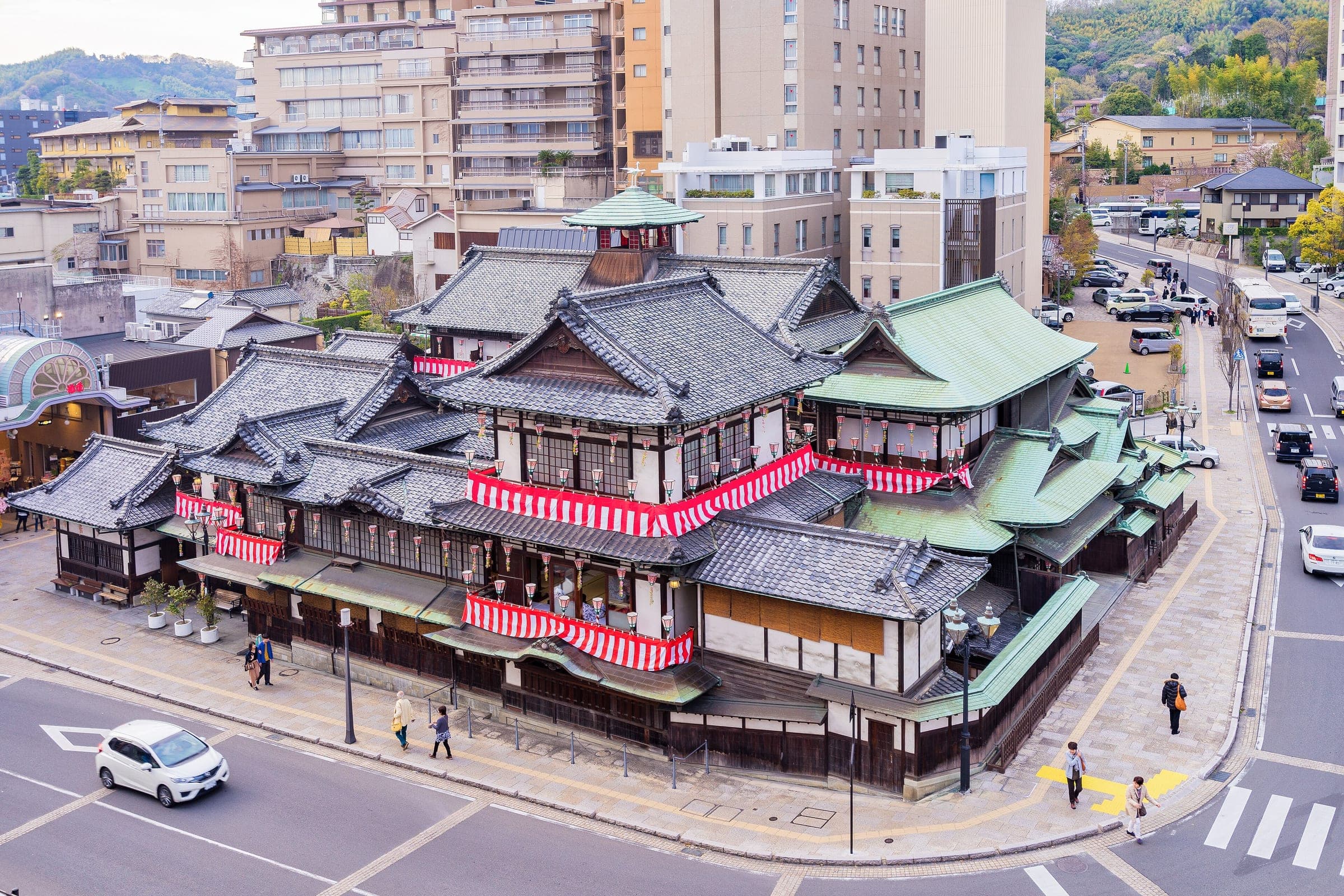
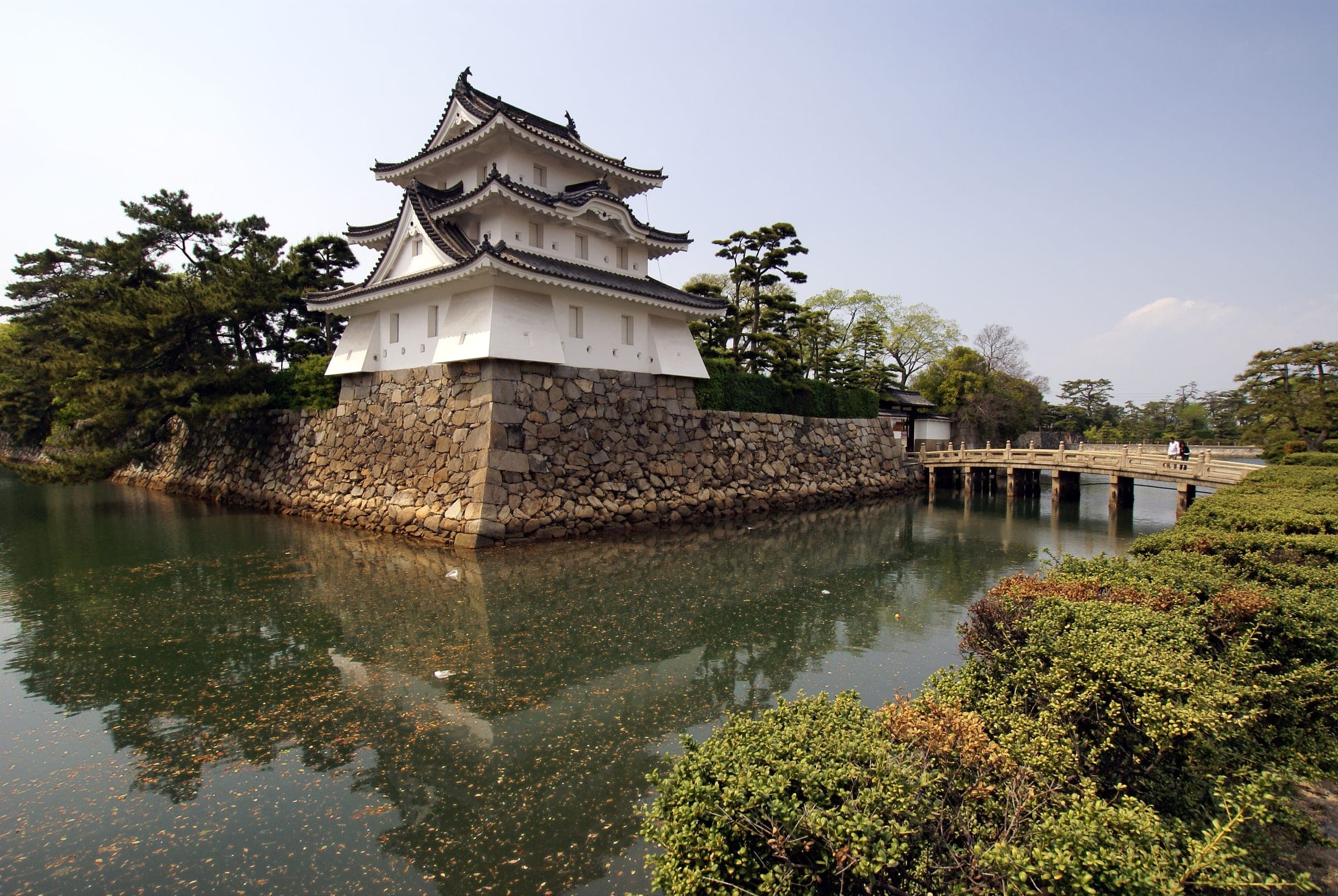
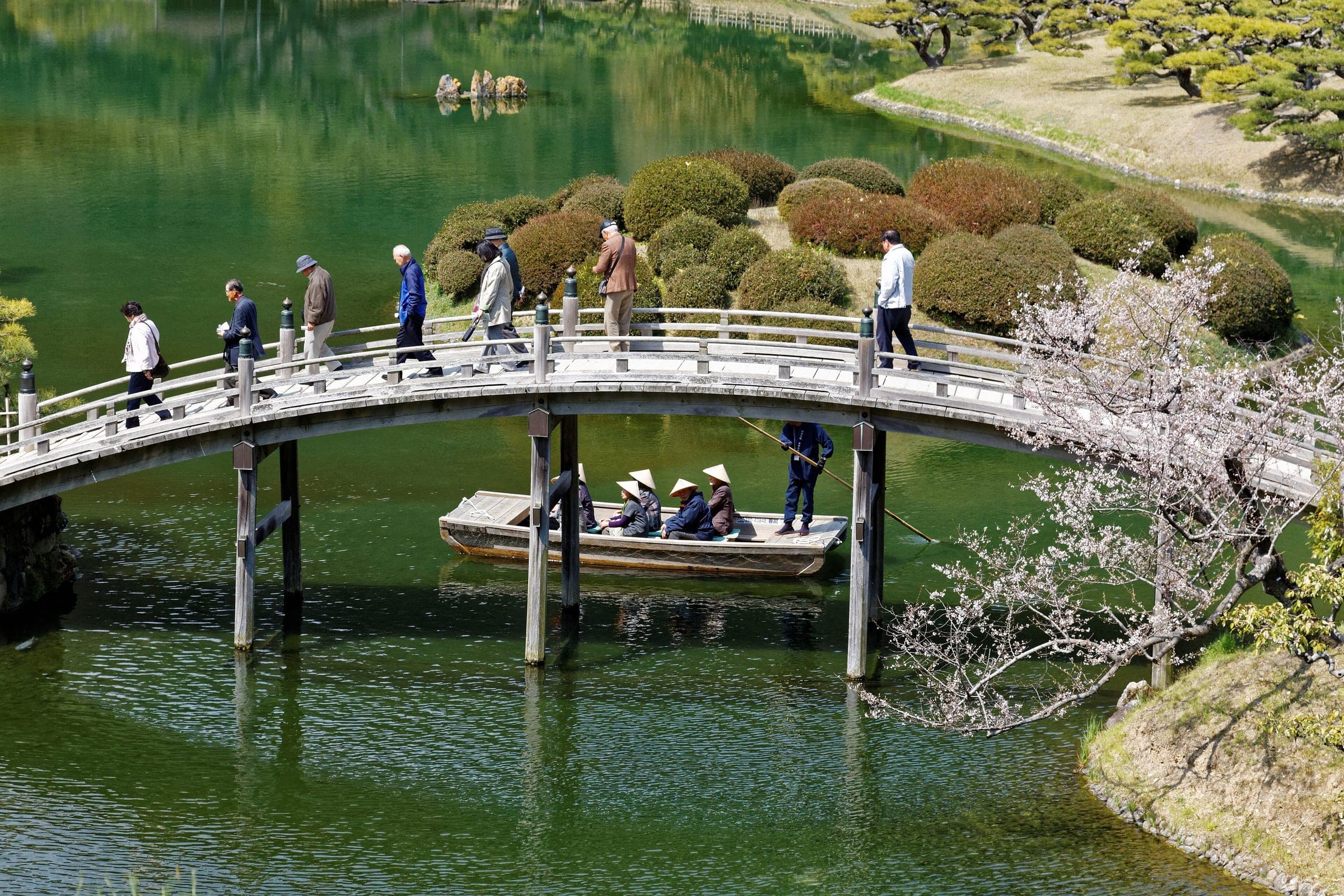
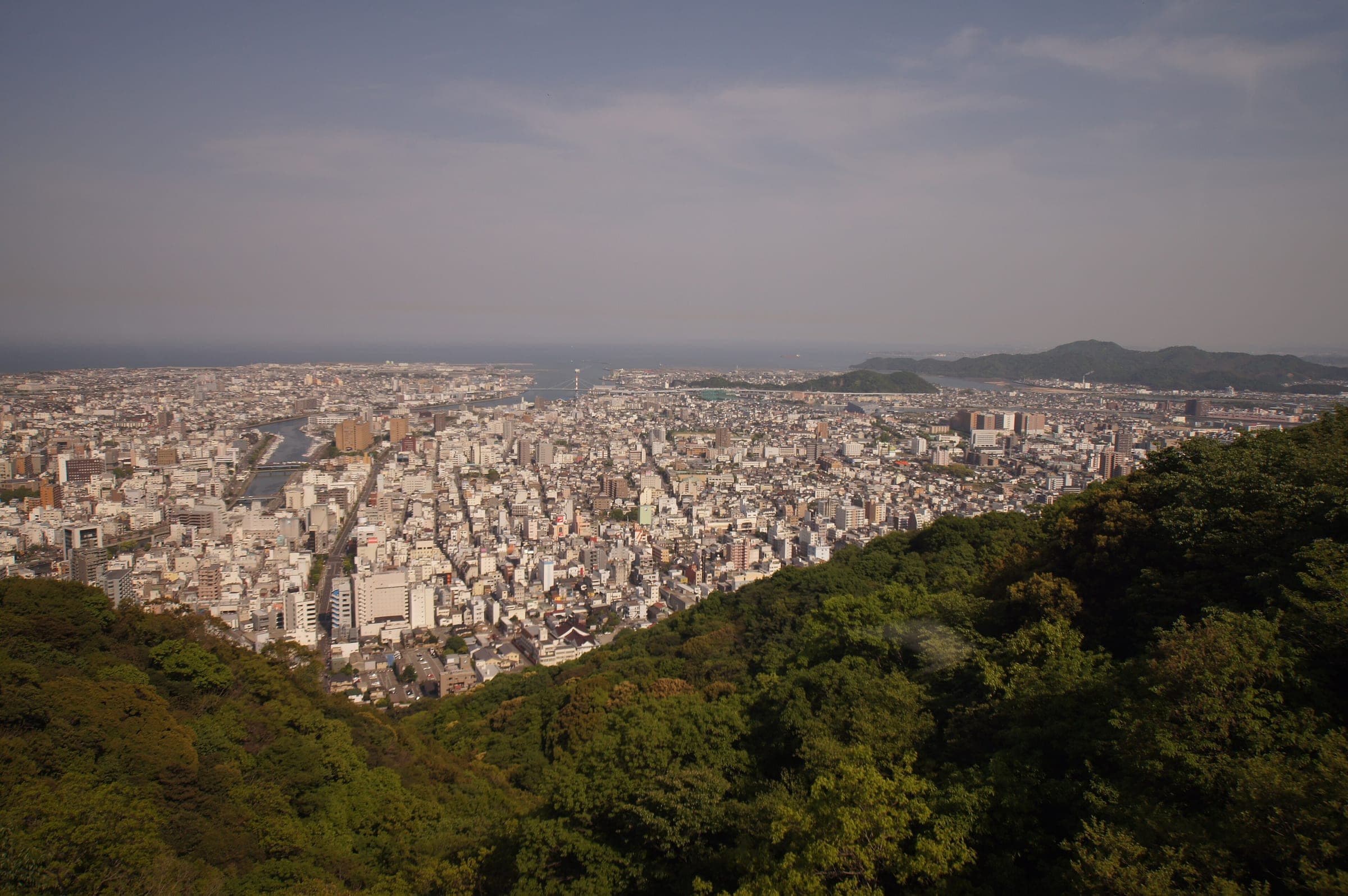
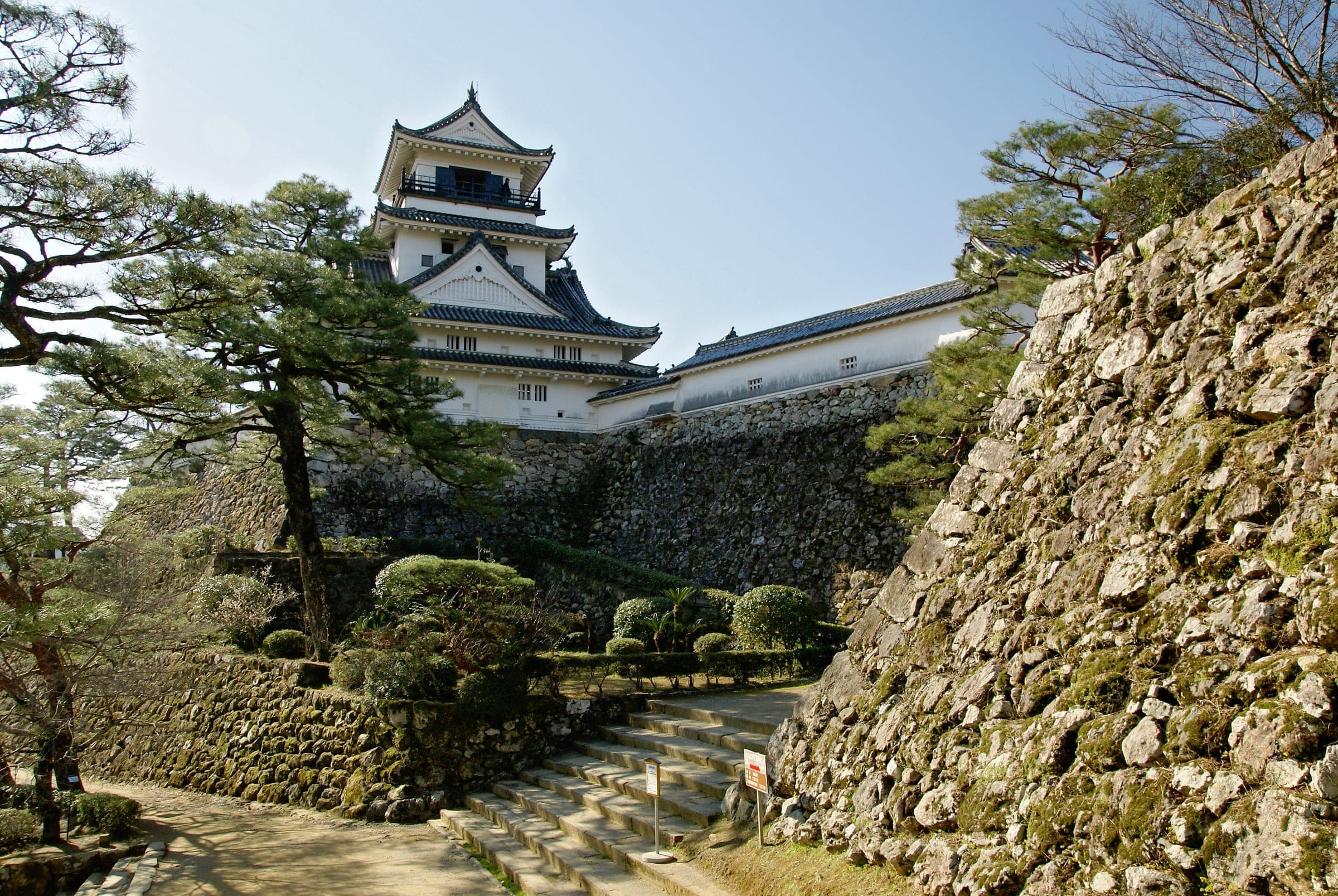
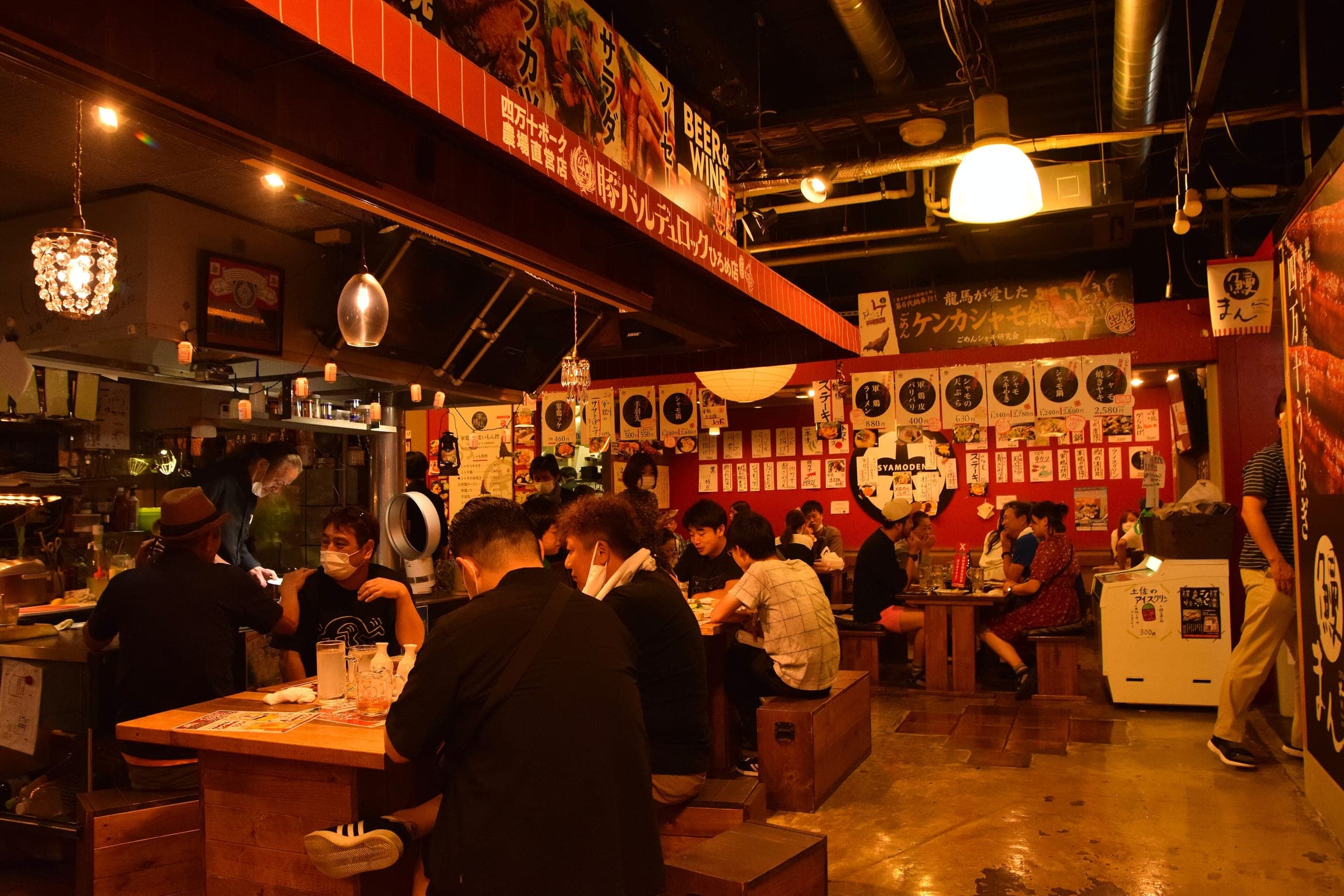
The henro links 88 temples around Shikoku that are tied to Kukai, the monk later called Kobo Daishi, who was born and trained on the island. The full walking route runs to about 1,200 km and takes most walkers 30 to 60 days. Plenty of pilgrims use cars, buses, bicycles and trains for some or all of it, and many split it into sections over years. Local people call a pilgrim o-henro-san and sometimes offer food or a drink as osettai, which you accept with thanks.
At each temple a pilgrim bows at the gate, washes hands and mouth, rings the bell if the temple allows it, then lights a candle and incense and chants at the main hall and again at the Daishi hall. The temple office then writes and stamps the nokyo book. The association reminds visitors that the stamp records a prayer at the temple.
Riding the henro by bike means sharing temple car parks and narrow lanes with walkers in white. Lock up outside the gate and take your helmet off before you go in. The association warns that winter light goes early and parts of the route turn dangerous after dark, so plan short days.
Worth knowing
- Temple offices close at about 17:00, so time the last temple of the day with room to spare.
- Ishite-ji in Matsuyama is one of the 88 temples and sits close to Dogo Onsen.
- Spring and autumn are the busiest seasons at the temple offices.
Quick answers about Shikoku 88 Temple Pilgrimageよくある質問
Do I have to visit the 88 temples in order?
No. The Shikoku 88 temple association says pilgrims can start at any temple and follow any route; numbering from 1 to 88 is only the most common way.
Can you do the Shikoku pilgrimage by bicycle?
Yes. Pilgrims travel on foot, by car, by bus and by bicycle, and many mix them. The walking route is about 1,200 km.
Can I take photos at the temples?
Photograph buildings and gardens where the temple allows it, but never take pictures of pilgrims while they pray or chant.
Can you visit Shikoku 88 Temple Pilgrimage?
Open to visitors. Pray first and collect the nokyo stamp afterwards; ask the office if you arrive just before 17:00. Put incense in the middle of the burner and candles high up so later pilgrims have room. Leave offerings and name slips where you find them; they belong to the Buddha and the Daishi.
What are the opening hours of Shikoku 88 Temple Pilgrimage?
Shikoku 88 Temple Pilgrimage is open temple offices that write the stamp in the pilgrim's book (nokyo) work from about 7:00 to 17:00, every day of the year.
How should you behave at Shikoku 88 Temple Pilgrimage?
At Shikoku 88 Temple Pilgrimage: Never photograph pilgrims while they pray or chant, and keep the camera down at the main hall and the Daishi hall. Bow at the main gate on the way in and on the way out. Walk the bike inside temple grounds and park it where it blocks no path. No horns or revving engines near temples early in the morning, and take your litter with you. Speak quietly and give way to pilgrims on narrow stairs and bridges.