Ise Jingu
神宮34°27′ N 136°44′ EShrineThe Naiku about 2,000 years by the…
Ise Jingu suits anyone who wants to see the centre of Shinto worship on foot and at an early hour, and its inner sanctuaries stay closed to visitors, with no photographs where people pray.
Photo Daderot · Wikimedia Commons · CC0 and others, credited in the gallery
Visiting with care · Partly open
The grounds open from 5:00 every day, with closing time set by the season.
- Visitors may not enter the courtyard of the main sanctuary at either the Naiku or the Geku; worshippers pray at the gate in the third fence.
- No photographs at the places of prayer.
- Eating, drinking and smoking are allowed only in the designated areas.
- Ceremonies of the 63rd Shikinen Sengu run until 2033; follow any closure or route the shrine posts for them.
- Purify your hands and mouth at the temizusha before you approach a sanctuary: rinse the left hand, then the right, then pour water into your cupped left hand to rinse your mouth. The dipper never touches your lips.
- Pray with two deep bows and two claps, and finish with one more deep bow.
- Ise Jingu is a place of daily worship for the Imperial family and for people across Japan. Keep your voice low and give priests and ceremonies room.
Related places
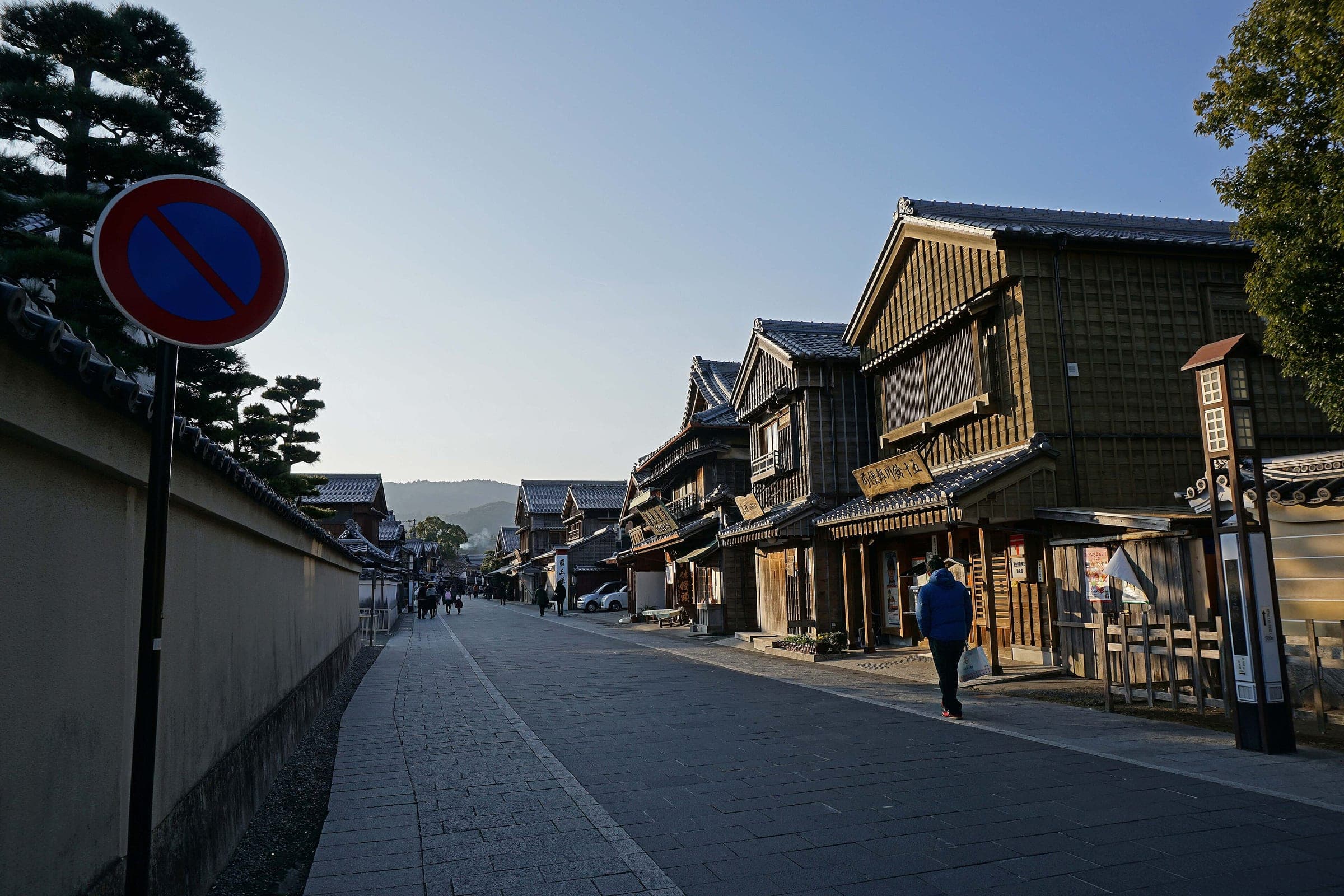
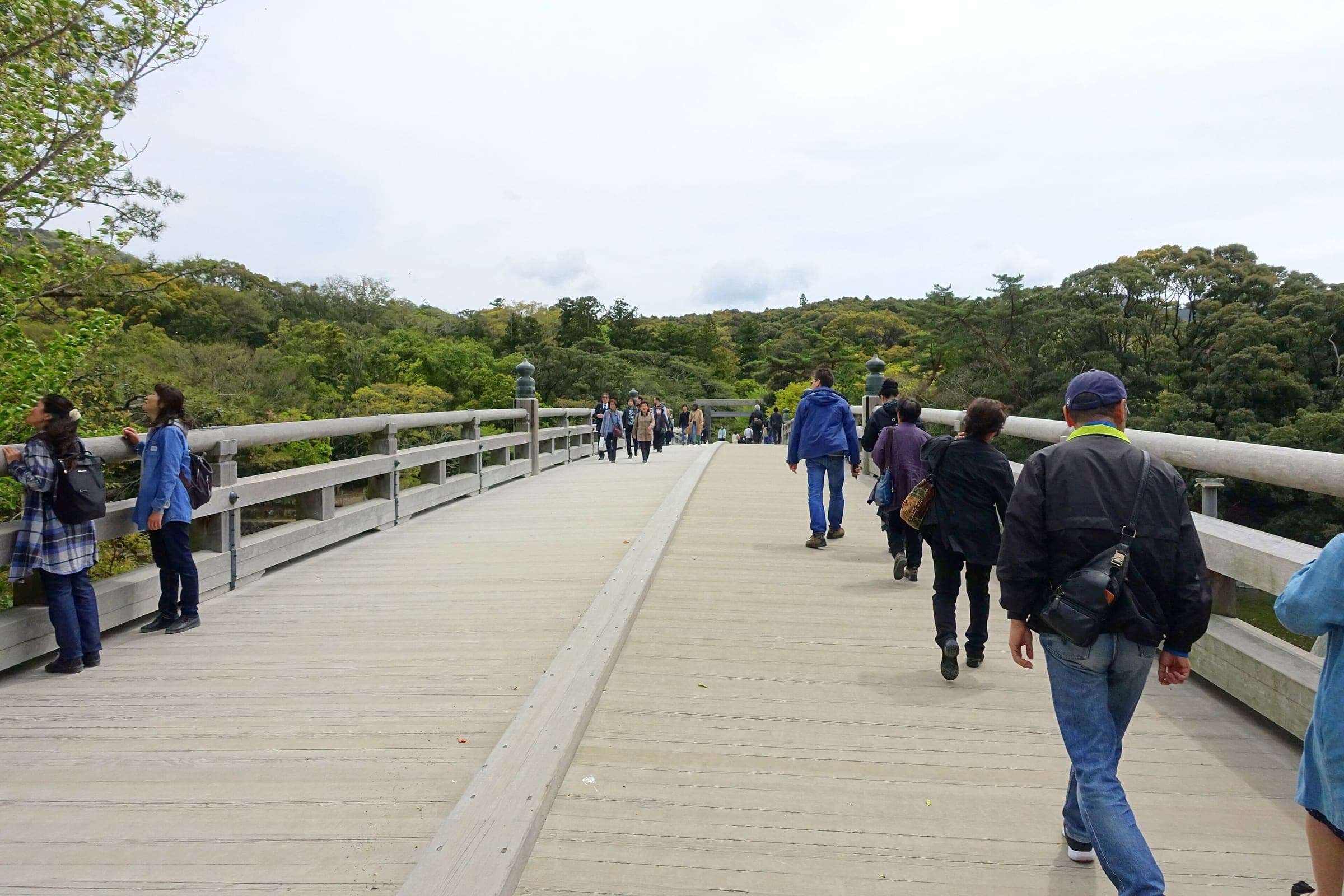
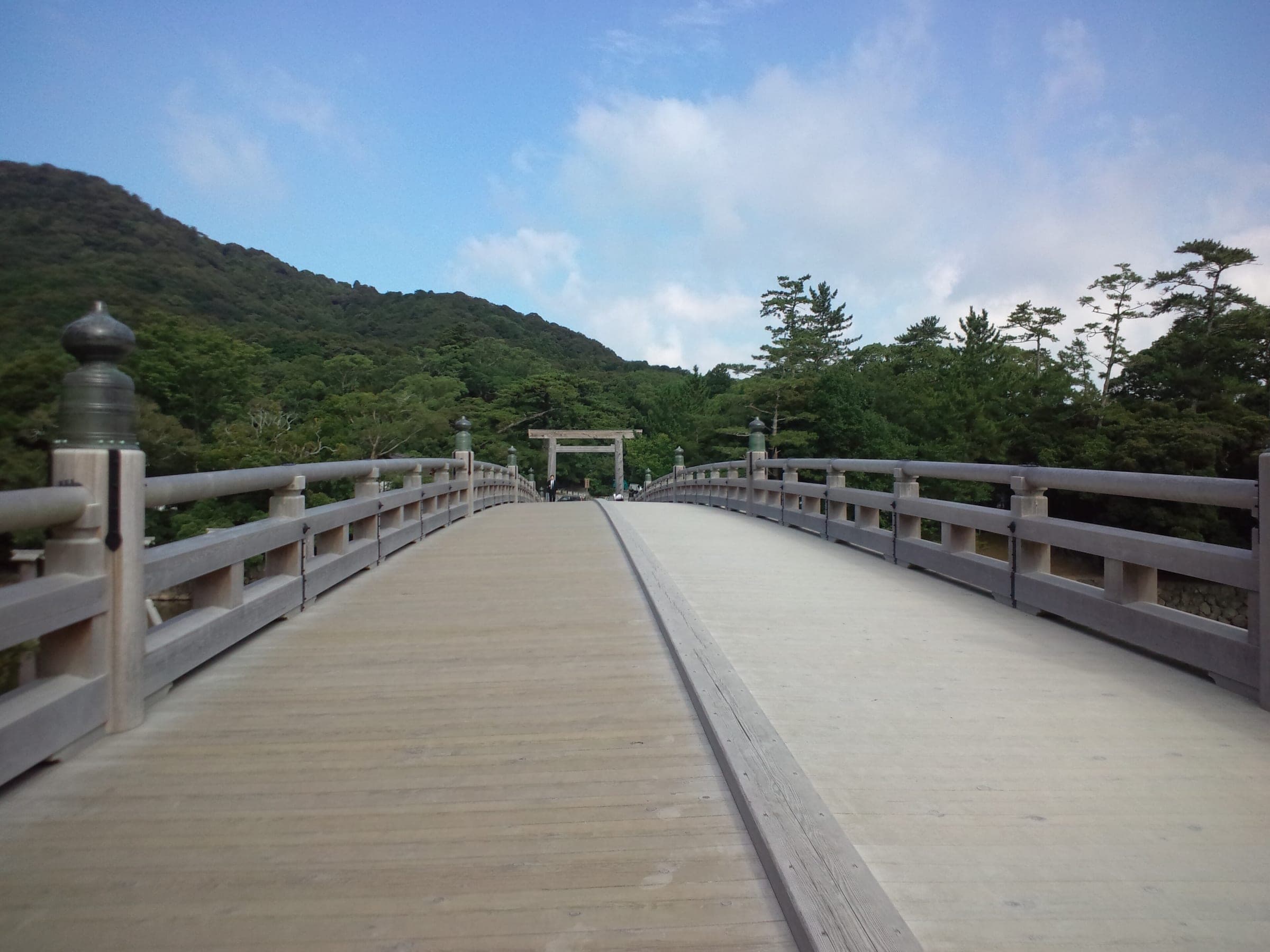
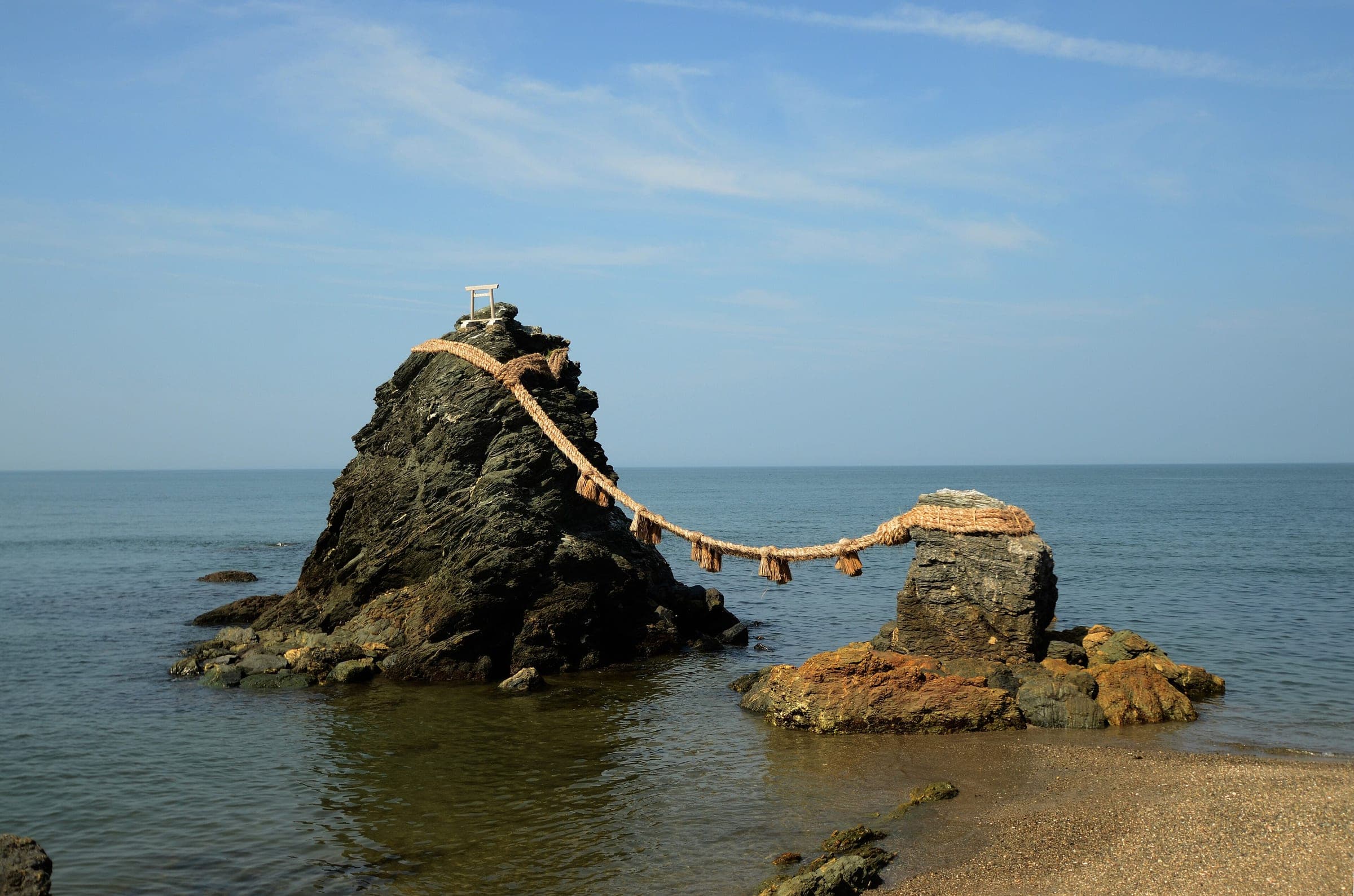
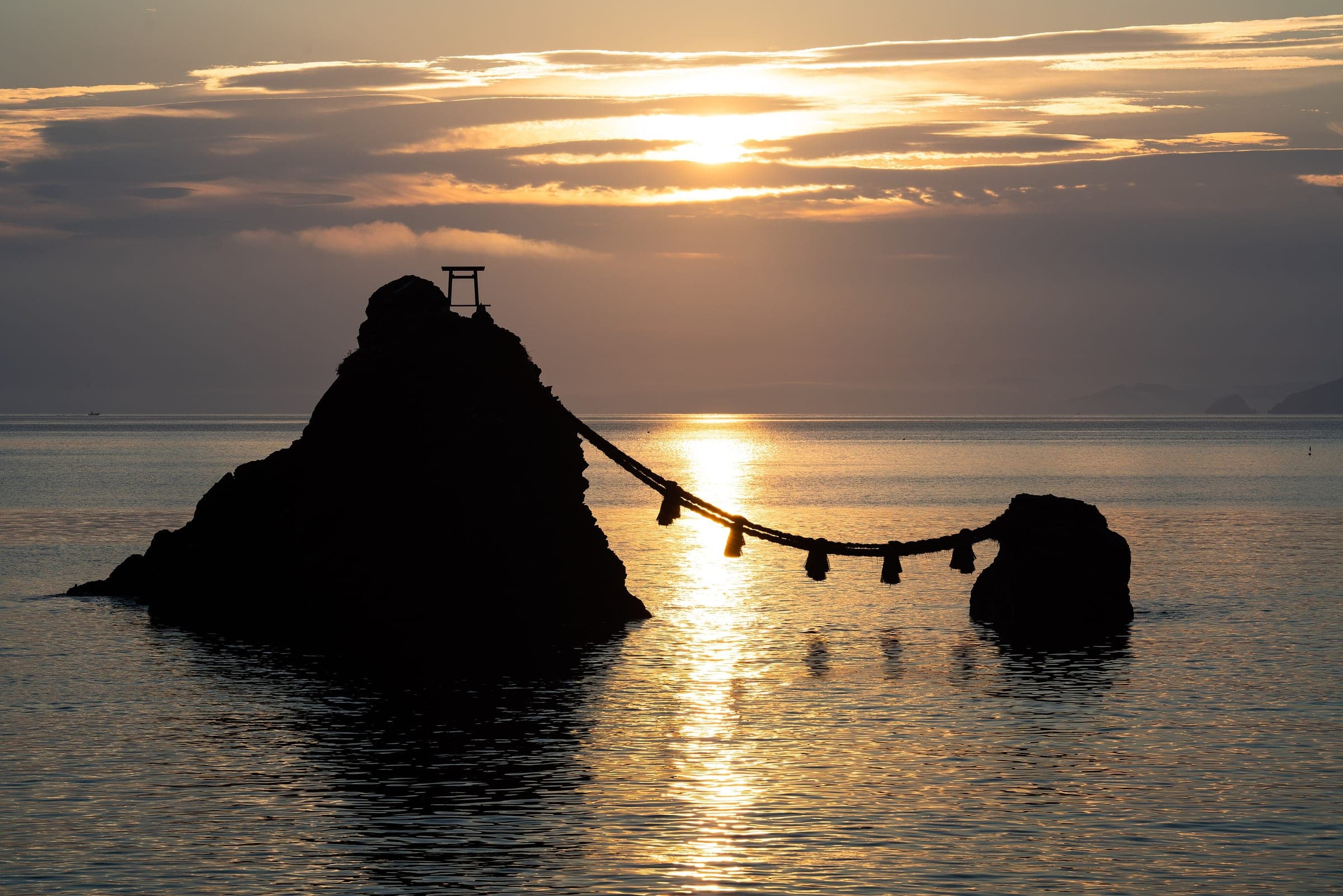
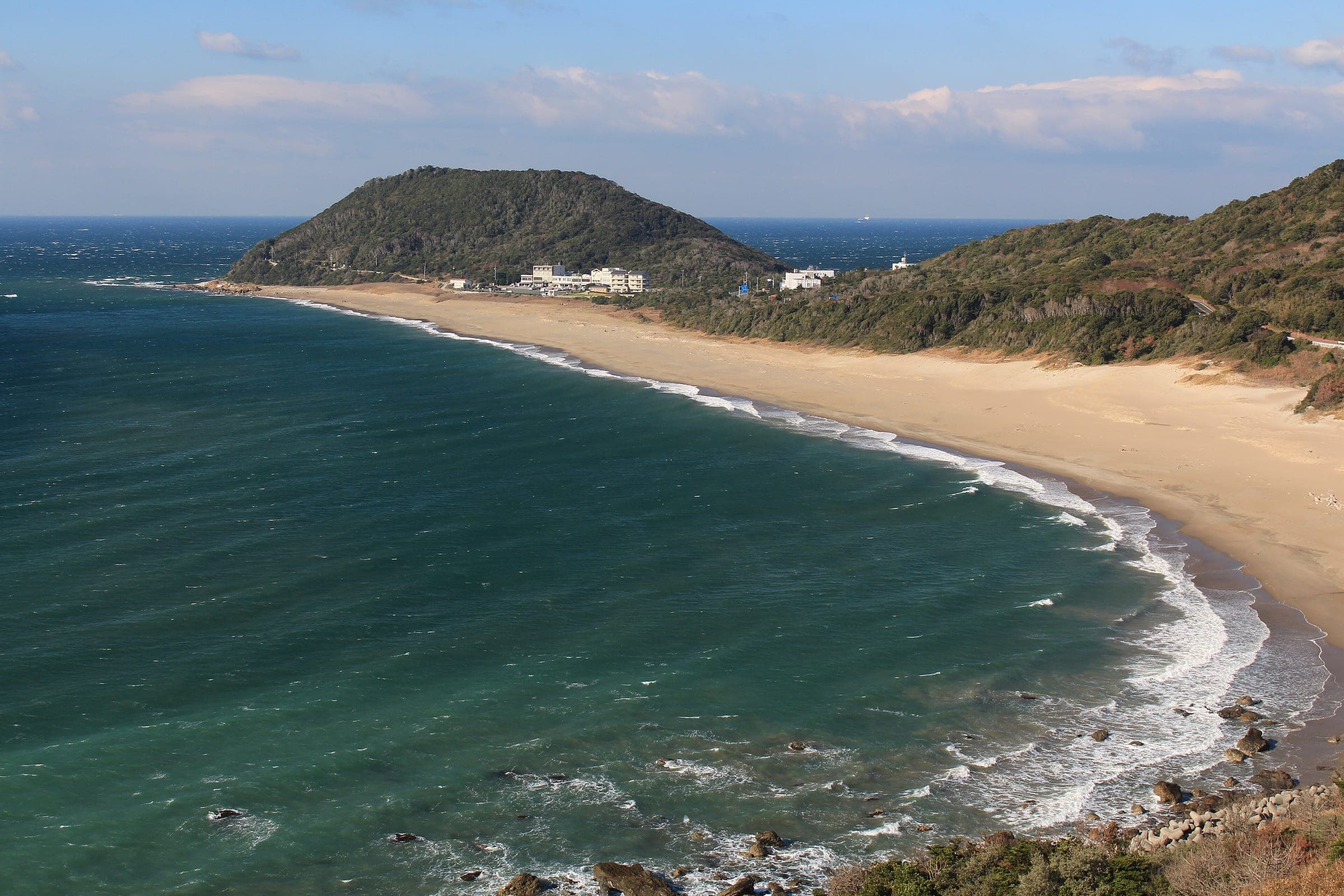
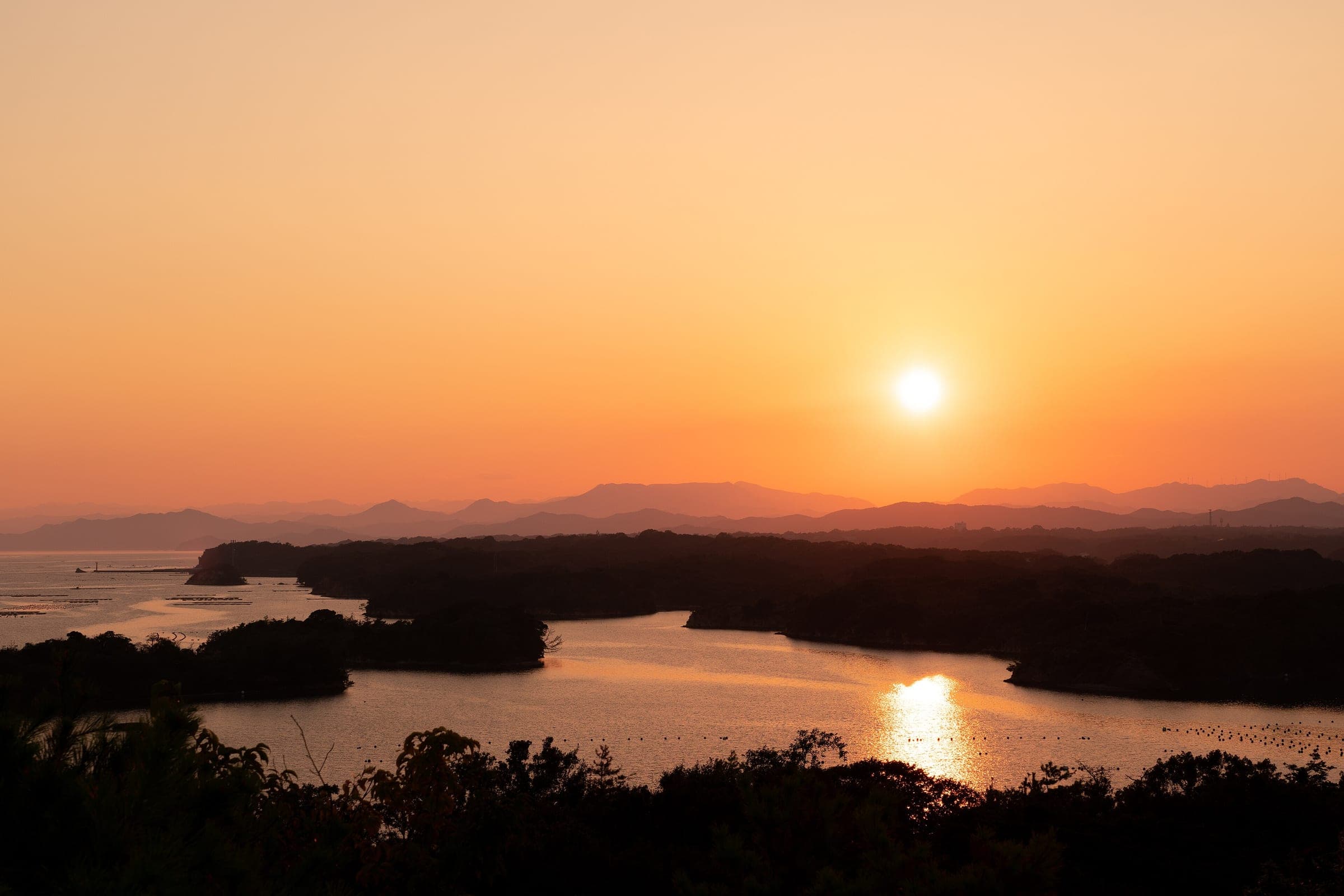
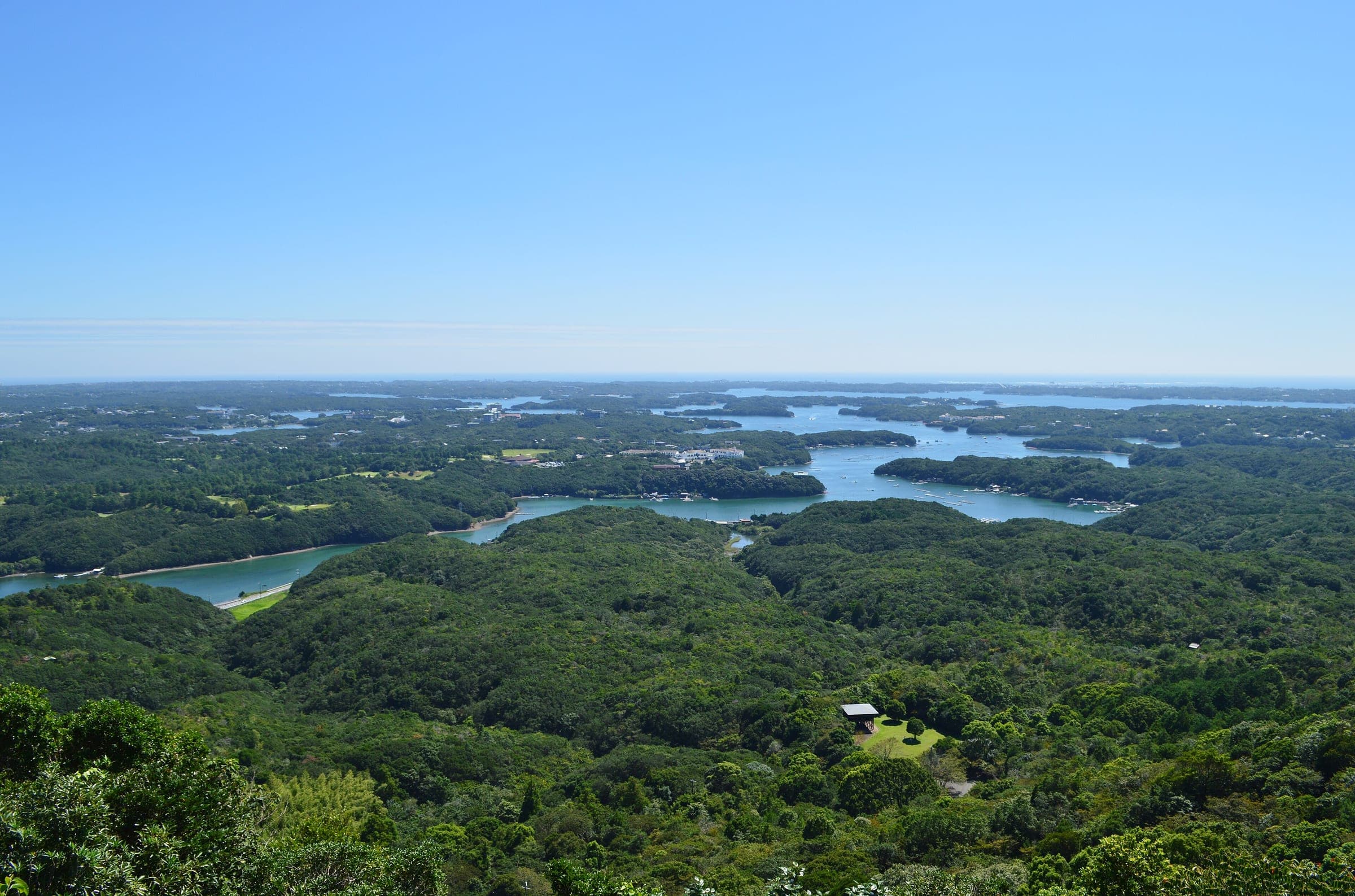
Ise Jingu, officially just Jingu, is a group of 125 shrines centred on the Naiku and the Geku. At the Naiku, also called Kotaijingu, the shrine worships Amaterasu-Omikami, whom the Imperial family counts as its ancestor. The Geku, or Toyouke-daijingu, is home to Toyouke-no-Omikami, who provides her sacred food. By the shrine's own account Amaterasu has been worshipped at the Naiku for about 2,000 years and Toyouke at the Geku for about 1,500, and its priests hold more than 1,500 rituals a year.
Every 20 years the main sanctuaries are rebuilt on the plot beside them and the sacred mirror moves across. The shrine calls this Shikinen Sengu. The first was held in 690 and the 62nd in 2013. The 63rd began in May 2025. From May to July in 2026, and again in 2027, Ise people haul the timber in by the old methods, up the Isuzu River to the Naiku and by cart to the Geku. The Uji Bridge gets its new span in November 2029, and the transfer itself falls in October 2033.
The gates open at 5:00 all year and close at 17:00 from October to December, 18:00 from January to April and in September, and 19:00 from May to August. The shrine asks you to pray at the Geku first. Bikes from the Ise City Tourist Association cover the 6 km between the two, and the Naiku has a bike lot in front of the Uji Bridge. Worshippers pray at the gate in the third fence, and the courtyard of the main sanctuary is closed to visitors.
Worth knowing
- Arrive at 5:00 for a quiet walk across the Uji Bridge before Okage Yokocho opens at 9:30.
- Leave the bike at the Uji Bridge lot and do as the guards ask; the precinct itself is on foot.
Quick answers about Ise Jinguよくある質問
Can I take photos at Ise Jingu?
The shrine asks visitors not to take pictures at the places of prayer. Photograph the approach and the grounds, and put the camera away at the sanctuary gates.
What time does Ise Jingu open?
The gates open at 5:00 every day. They close at 17:00 from October to December, 18:00 from January to April and in September, and 19:00 from May to August.
Which shrine should I visit first at Ise?
The shrine asks visitors to pray at the Geku first and then at the Naiku. The Geku is about five minutes' walk from Iseshi Station, and the Naiku is about 6 km away.
Can you visit Ise Jingu?
Partly open. Visitors may not enter the courtyard of the main sanctuary at either the Naiku or the Geku; worshippers pray at the gate in the third fence. No photographs at the places of prayer. Eating, drinking and smoking are allowed only in the designated areas. Ceremonies of the 63rd Shikinen Sengu run until 2033; follow any closure or route the shrine posts for them.
How should you behave at Ise Jingu?
At Ise Jingu: Purify your hands and mouth at the temizusha before you approach a sanctuary: rinse the left hand, then the right, then pour water into your cupped left hand to rinse your mouth. The dipper never touches your lips. Pray with two deep bows and two claps, and finish with one more deep bow. Ise Jingu is a place of daily worship for the Imperial family and for people across Japan. Keep your voice low and give priests and ceremonies room.
Within 12 km
Places to eat and drink nearby食
Within 12 km