Namero
なめろうDish
Namero is the Boso fishermen's chopped raw fish with miso and herbs, and it suits anyone happy to eat raw horse mackerel at a harbour lunch counter on the Chiba coast.
Where to eat Namero · 1 place
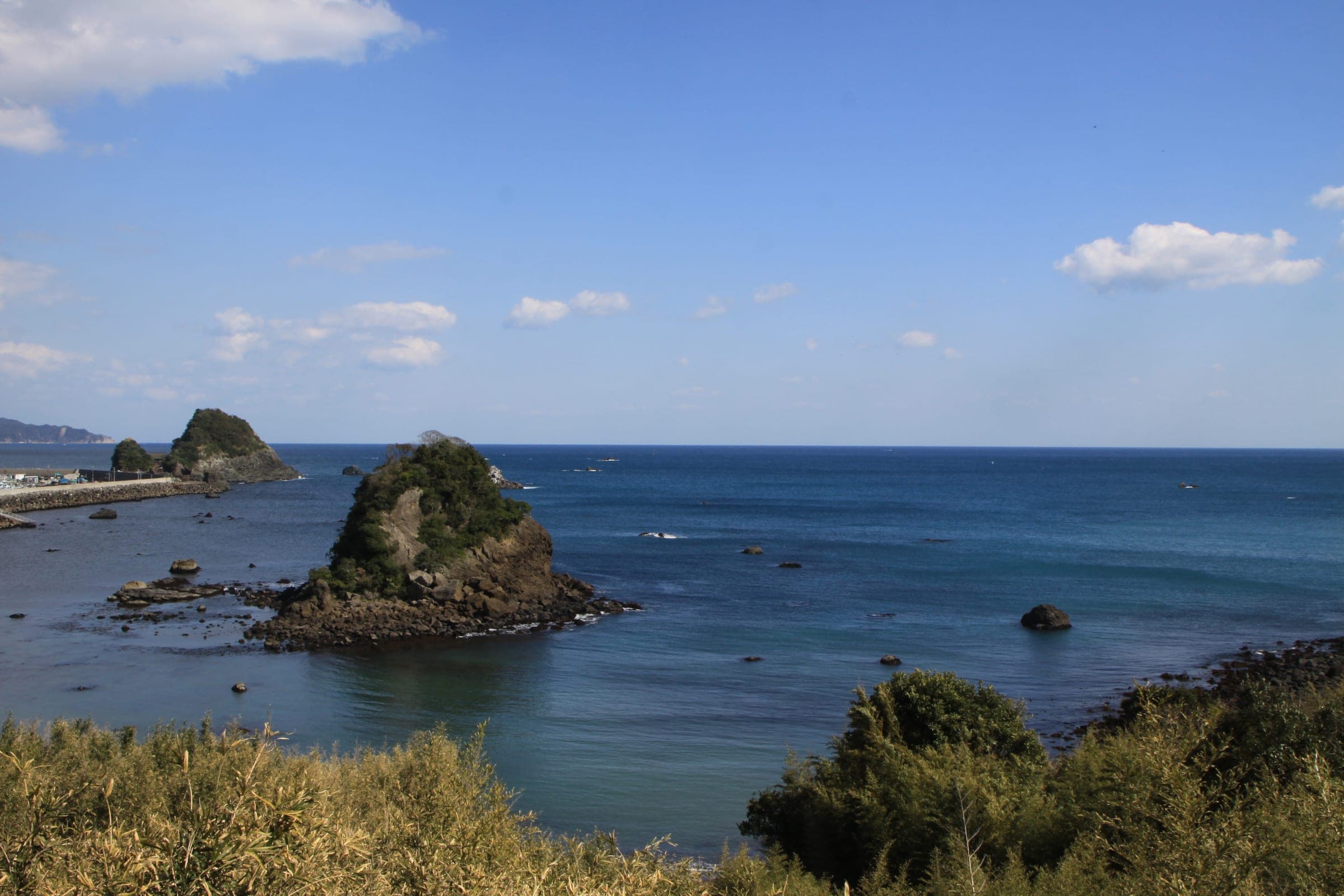
Namero began on the fishing boats of the Boso Peninsula. Fishermen took fresh horse mackerel, sardine, saury or flying fish, laid miso, sake and herbs such as spring onion, shiso, ginger and myoga on the fillets, and chopped the lot on the board until it turned sticky. Japanese Wikipedia traces the name to that sticky texture. Fishermen also called it oki-namasu, meaning namasu made out at sea.
Grill namero and it becomes sanga-yaki, often packed into an abalone or scallop shell. Spoon it over rice and pour on tea and you have magocha. At Hota Shokudo in Kyonan, the namero bukkake don comes with four local fish on top and dashi for the last few mouthfuls.
Quick answers about Nameroよくある質問
What is namero?
Namero is a Boso Peninsula dish of raw blue fish such as horse mackerel, chopped with miso and herbs until it turns sticky. It began as food that fishermen made on their boats.
What is sanga-yaki?
Sanga-yaki is namero cooked on a grill or in a shell, and it also comes from the Boso Peninsula.
How do you order Namero?
Ask for namero (なめろう) as a side plate, or as a bowl over rice where the menu lists a namero don.
When is Namero in season?
Namero: All year, made with whatever horse mackerel or other blue fish the boats bring in.
Where can you eat Namero in Japan?
Places we list for Namero include Michi-no-Eki Hota Shogakko.