Hoto
ほうとうNoodle
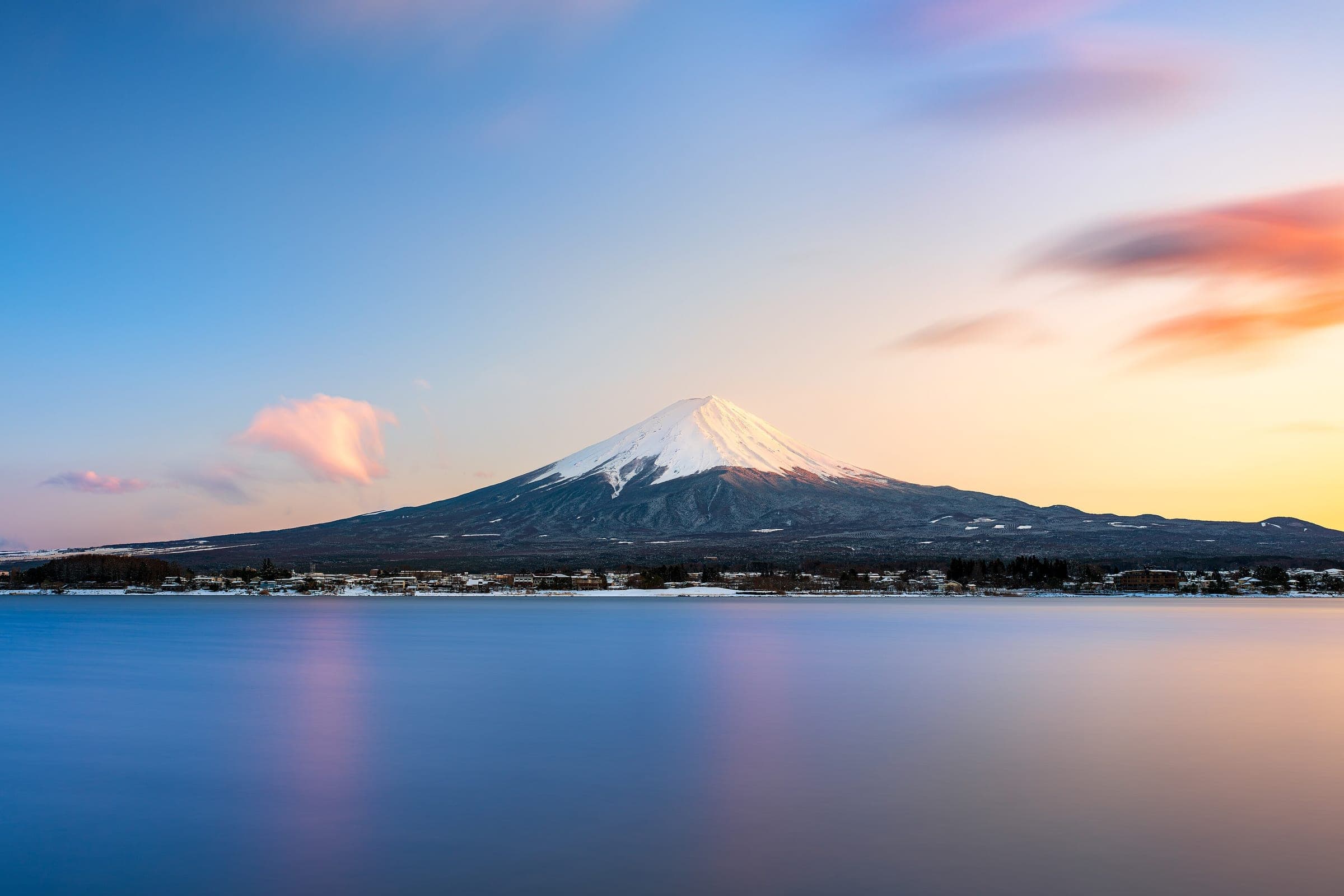
Hoto suits hungry riders on a cold day at Fuji Five Lakes, and one iron pot of flat noodles and pumpkin in miso is a heavy meal to ride on.
The name
ほうとう
餺飥The common account reads hoto as a sound change from hakutaku, a word for a flour dish that appears in old Chinese-Japanese dictionaries.
japanese
Japanese Wikipedia calls this the widely known theory and notes that the story tying the name to Takeda Shingen's sword is a postwar tourism legend.
Hoto is Yamanashi's home dish: thick, flat wheat noodles simmered with pumpkin and other vegetables in a miso broth, served hot. The noodle goes into the pot still dusted with flour, so the soup thickens and clings to every strand. The farm ministry put it on its list of the 100 best rural home dishes in 2007, and the prefecture's tourism office calls it the soul food of Yamanashi.
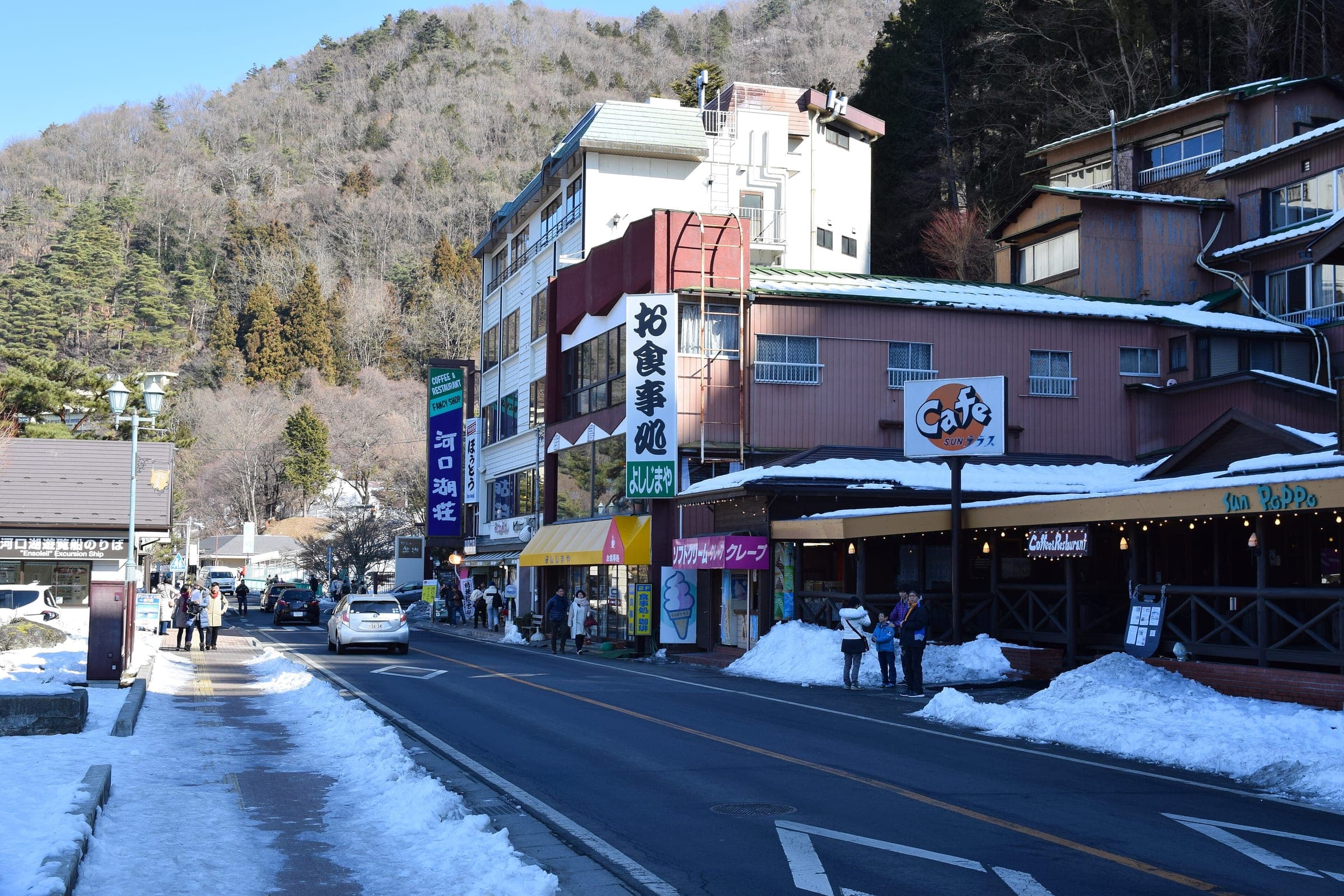
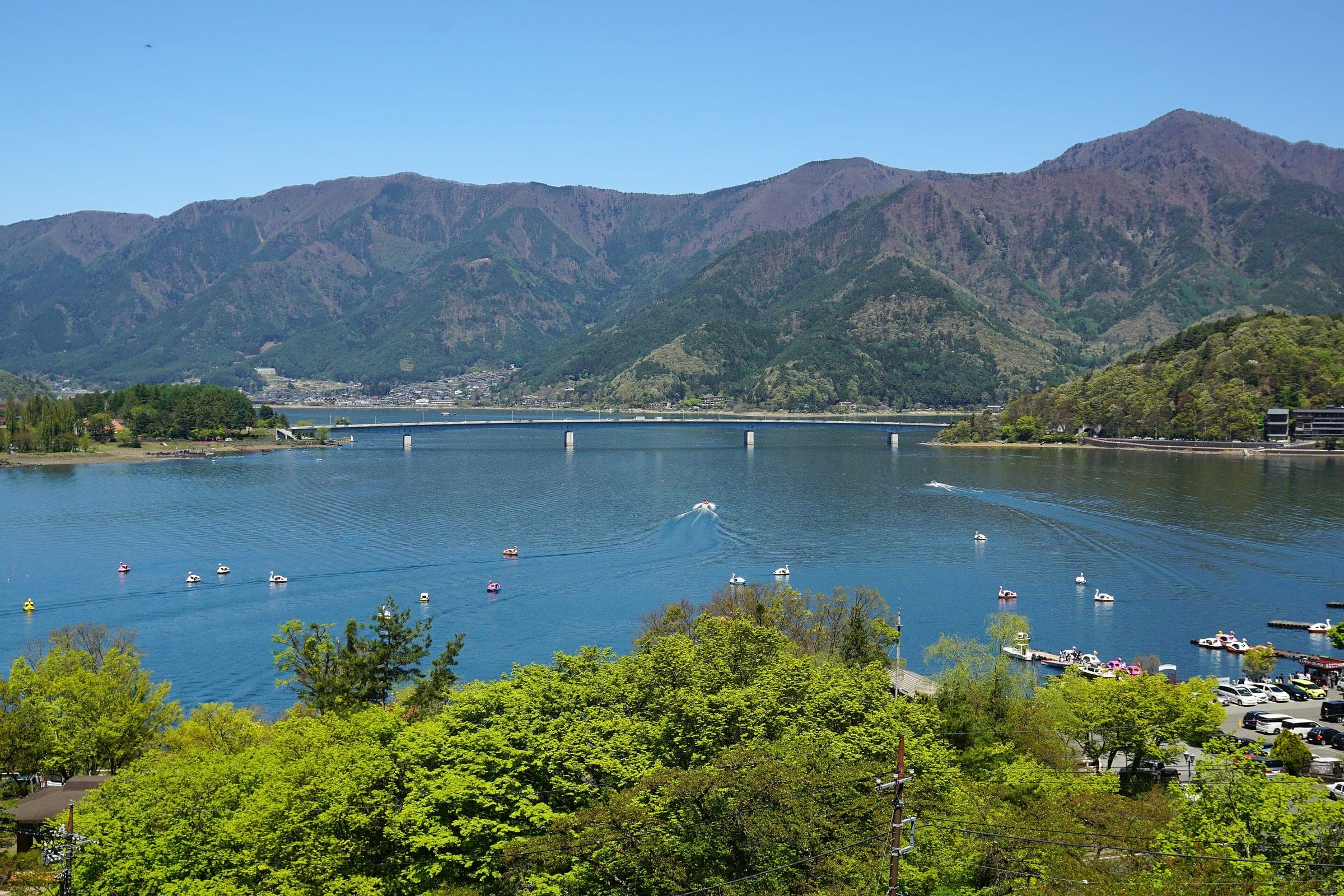
Restaurants serve hoto one portion at a time in an iron pot. Around Lake Kawaguchi a bowl runs about ¥1,300 to ¥1,650 on the prefecture's 2026 list, from Hoto Fudo's single Fudo hoto at ¥1,320 to Funari's golden hoto with pork at ¥1,650. Tenka Chaya, the teahouse at the top of Misaka Pass, serves a mushroom hoto pot for ¥1,350 with a view of Fuji when the sky is clear.
In summer some shops serve ozara, cold hoto noodles dipped in a warm broth. Fujiyoshida's Yoshida udon comes from the same flour-eating culture of the Fuji foothills, where rice was hard to grow on the lava plateau.
Worth knowing
- Leave room before a ride: a full pot of hoto sits heavy, so eat it at the end of the day.
Quick answers about Hotoよくある質問
What is hoto?
Hoto is a Yamanashi dish of thick, flat wheat noodles simmered with pumpkin and vegetables in miso broth, served in an iron pot.
Where can I eat hoto at Lake Kawaguchi?
Yamanashi's tourism office lists Hoto Fudo and Hoto-gura Funari by the lake, and Tenka Chaya at the top of Misaka Pass.
How do you order Hoto?
Order hoto by name; most shops serve it in a single iron pot per person, and some offer a pork or mushroom version.
When is Hoto in season?
Hoto: Year-round, and a winter dish at heart. Shops simmer each bowl in its own iron pot, which suits a cold day at Lake Kawaguchi after a ride over Misaka Pass.