Tsumago-juku
妻籠宿35°35′ N 137°36′ EPost townEdo period (post station from 1601)
Tsumago-juku is the 42nd post town on the old Nakasendo from Edo, kept as a lived-in Edo-period street by its own residents, and it suits walkers who pair it with the 9 km trail to Magome. Cars stay out from 10:00 to 16:00, and the car parks sit along Route 256.
Photo DimiTalen · Wikimedia Commons · CC0 and others, credited in the gallery
Visiting with care · Open to visitors
The residents' 1971 charter puts preservation ahead of everything else, and every house on the street is a home or a working business.
- Vehicles are banned inside the post town from 10:00 to 16:00 by order of the prefectural public safety commission.
- Cars park at the No. 2 or Central car parks on Route 256, and tour buses use the No. 1 car park.
- People live and work in the houses along the street, so photograph the streetscape freely and ask before pointing a camera into a shop or home.
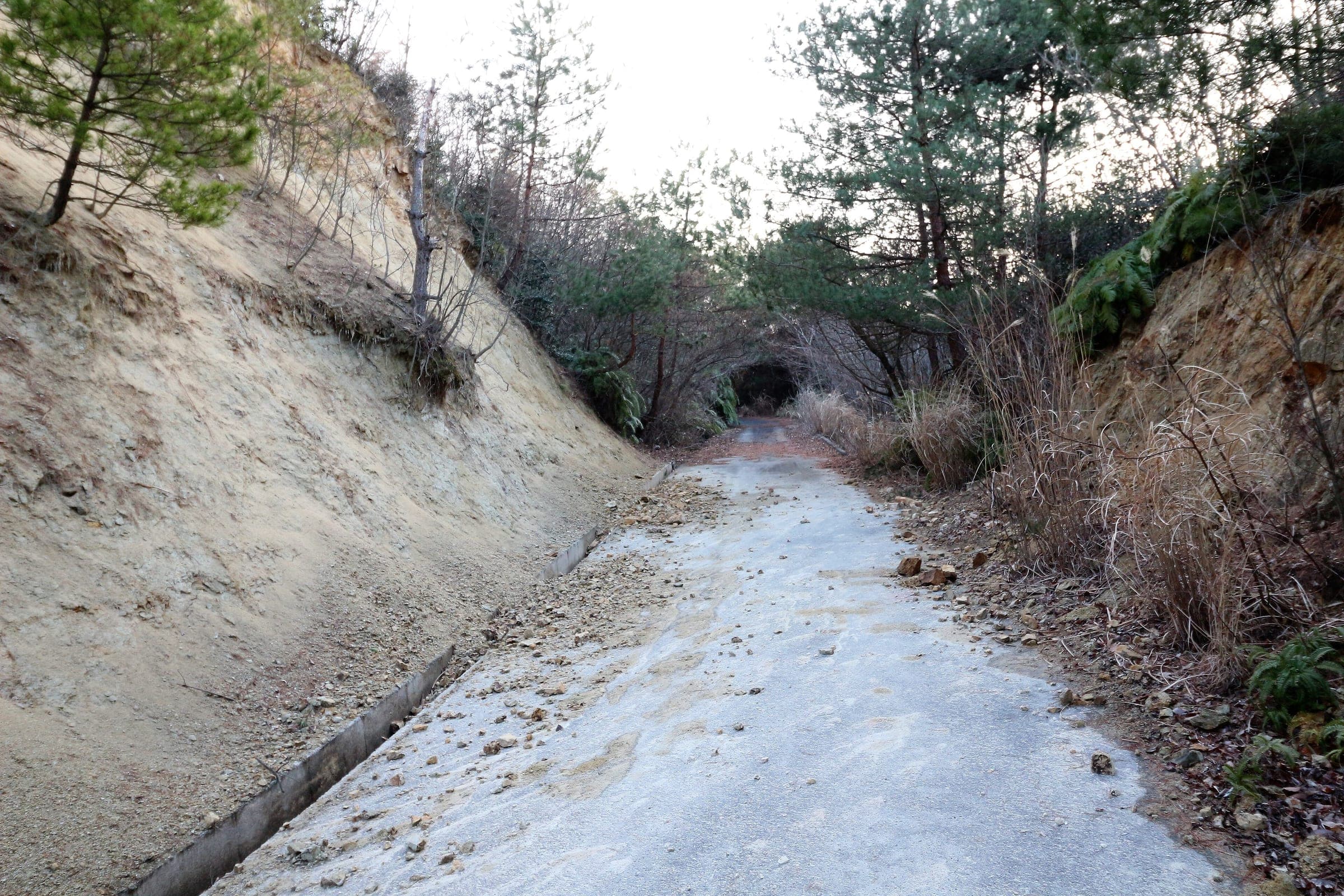
- Old stone paving on the Nakasendo turns slippery after rain; walk it slowly and keep to the trail through the fields and forest.
Tsumago grew where the Nakasendo, the inland road between Edo and Kyoto, met the Ina road, and it counted 42nd of the route's 69 stations from Edo. Once the railway and new roads bypassed it in the Meiji era, the town sank into decline. Residents started one of the country's first preservation movements, formed a society in 1968 and in 1971 adopted a charter that keeps every house and field in local hands and standing. The state selected the street as an Important Preservation District for Groups of Traditional Buildings in 1976.
The old Nakasendo runs 9 km from Tsumago over Magome Pass (790 m) on the Nagano–Gifu border to Magome-juku in Gifu, and the walk takes two and a half to three hours. From Tsumago the climb to the pass is long and gentle, and the Magome side is short and steep. For a shorter day, ride a bus or car to the pass and walk downhill to Tsumago in about 90 minutes. The old Ichikokutochi tea house on the way is a free rest stop.
From 20 March to 30 November 2026 the tourist information centres forward bags between Tsumago, Otsumago and Magome for ¥1,000 each. Drop them off between 8:30 and 11:30 and collect them from 13:00. Bears have been reported coming down near villages lately, so the Tsumago and Magome information centres rent bells for a ¥100 fee.
JR Nagiso Station is about 10 minutes away by taxi or 40 minutes on foot along the old road, and a local bus also runs. Nagiso sits on the Shinano limited express line, about 2 hours 40 minutes from Tokyo via Nagoya by Shinkansen.
Worth knowing
- Pick up a cypress-wood certificate for finishing the Tsumago–Magome walk at either information centre for ¥300, or ¥150 with a hiking ticket from your inn.
- Take the downhill-only version if knees are a worry: start at Magome Pass and walk 90 minutes down to Tsumago.
Quick answers about Tsumago-jukuよくある質問
How long is the walk from Tsumago to Magome?
About 9 km on the old Nakasendo, which takes two and a half to three hours. The stretch from Tsumago up to Magome Pass is a long, gentle climb.
Can I send my luggage between Tsumago and Magome?
Yes. From 20 March to 30 November 2026 the Tsumago and Magome tourist information centres forward bags for ¥1,000 each; drop them off between 8:30 and 11:30.
Can I drive into Tsumago-juku?
No. Vehicles are banned inside Tsumago-juku from 10:00 to 16:00. Use the car parks along Route 256.
Can you visit Tsumago-juku?
Open to visitors. Vehicles are banned inside the post town from 10:00 to 16:00 by order of the prefectural public safety commission. Cars park at the No. 2 or Central car parks on Route 256, and tour buses use the No. 1 car park.
What are the opening hours of Tsumago-juku?
Tsumago-juku is open tsumago Tourist Information Centre opens 8:30–17:00.
How should you behave at Tsumago-juku?
At Tsumago-juku: People live and work in the houses along the street, so photograph the streetscape freely and ask before pointing a camera into a shop or home. Old stone paving on the Nakasendo turns slippery after rain; walk it slowly and keep to the trail through the fields and forest.
In the journal and guides