Shirakawa-go
白川郷36°15′ N 136°54′ EOld townUNESCO
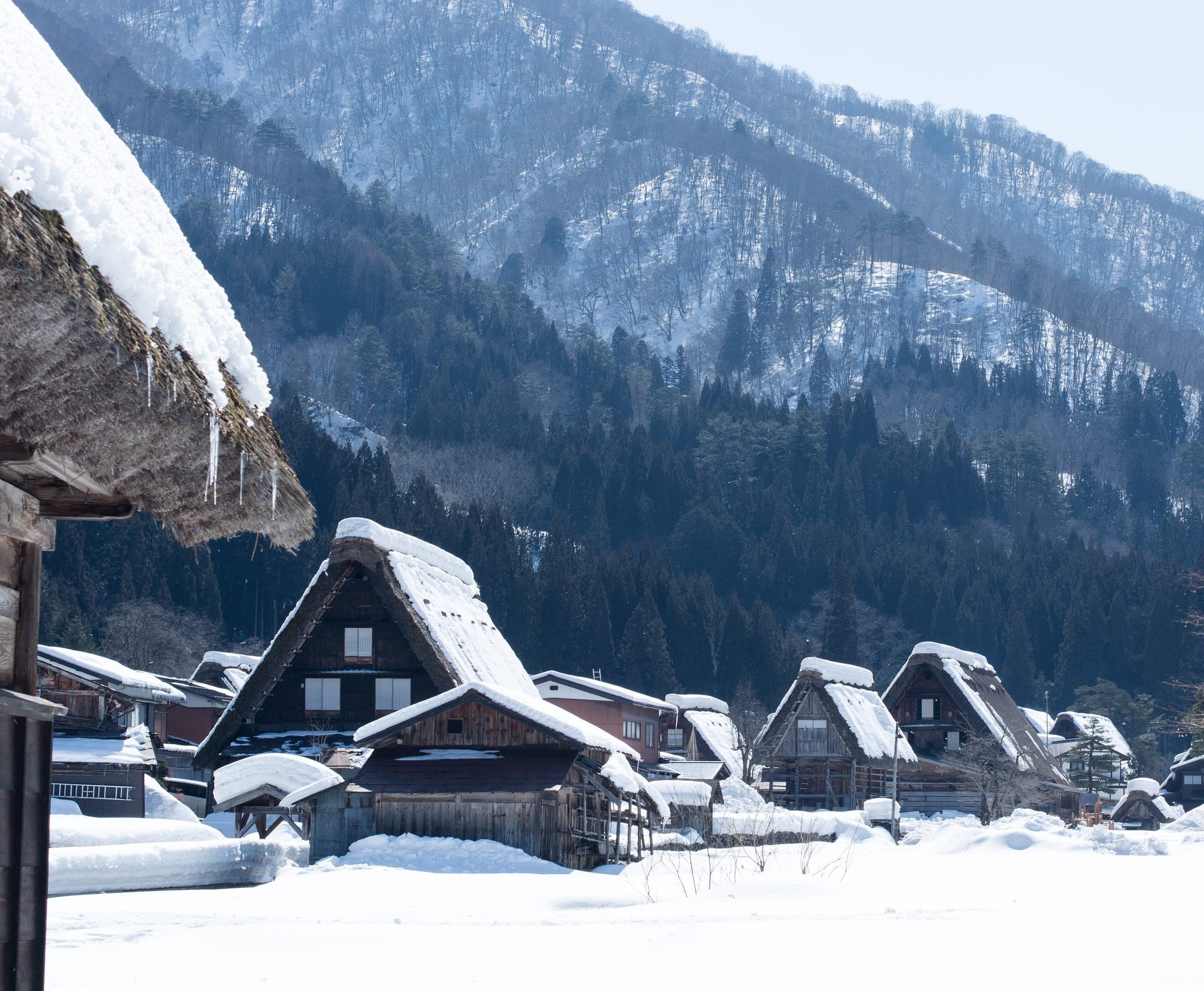
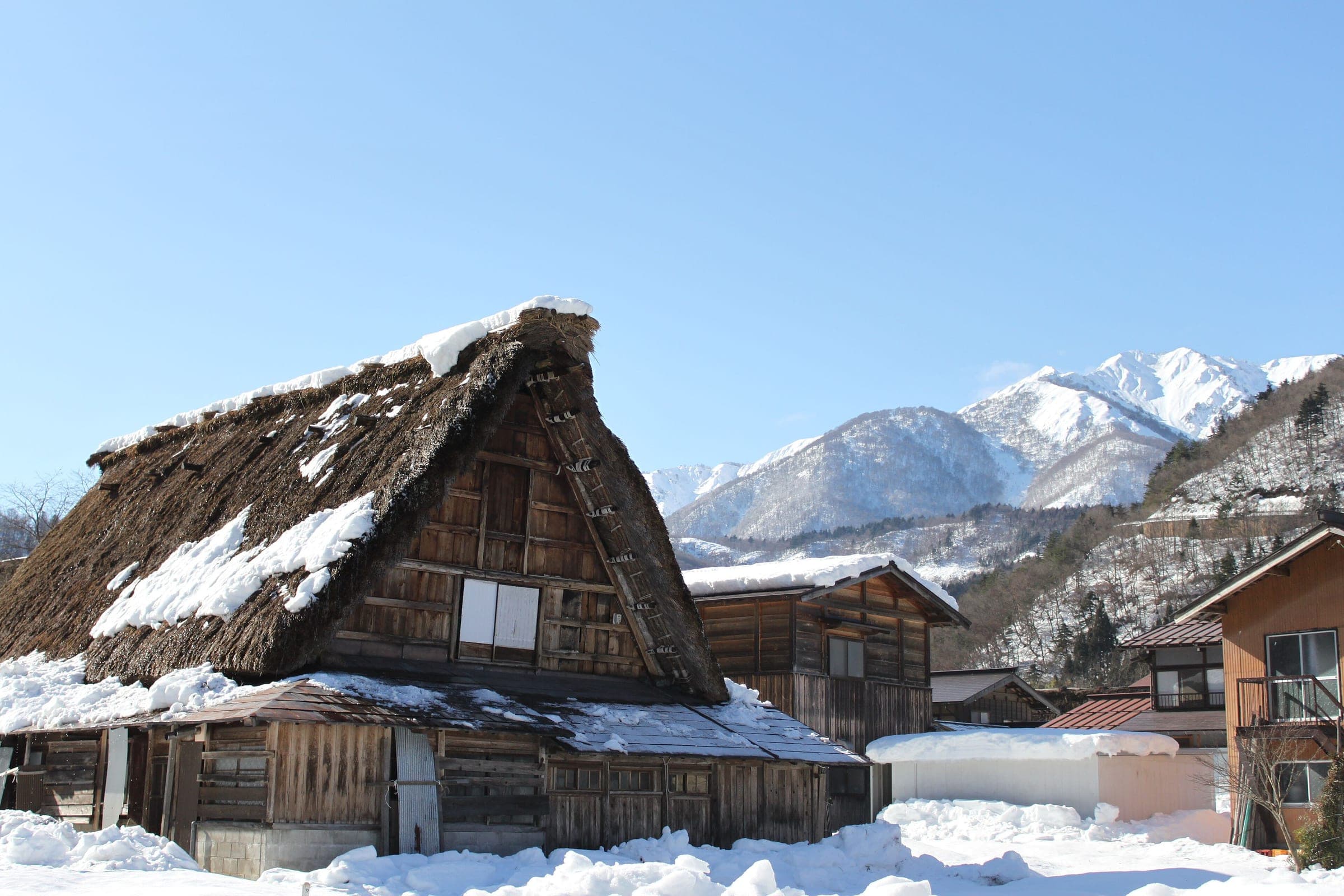
Shirakawa-go is a farming village of steep thatched gassho houses that people still live in, and it suits travellers who want Japan's snow country at its most traditional; it is a UNESCO site with heavy day-tour traffic, so arrive early or stay the night.
Photo by Hyungman Jeon on Unsplash and others, credited in the gallery
Where things stand
From 1 December 2026 tour buses must book space at the village's Seseragi Park Oro car park in advance. On the four light-up evenings in January 2027 a gate closes the village at 15:30 to anyone without an entry ticket.
Visiting with care · Open to visitors
On light-up days daytime car parks stop admitting cars at 15:00 and buses at 14:00, and the observatory road is closed to cars all day.
- No drone filming over the settlement; people live and work here
- On light-up evenings entry is by advance reservation only, with a ticket worn on a neck strap, and no tickets are sold on the day
- Cars need snow tyres from December to March
- Tour buses must reserve parking from 1 December 2026
- Most gassho houses are family homes; go inside only those open as museums, shops or inns.
- Leave the drone at home.
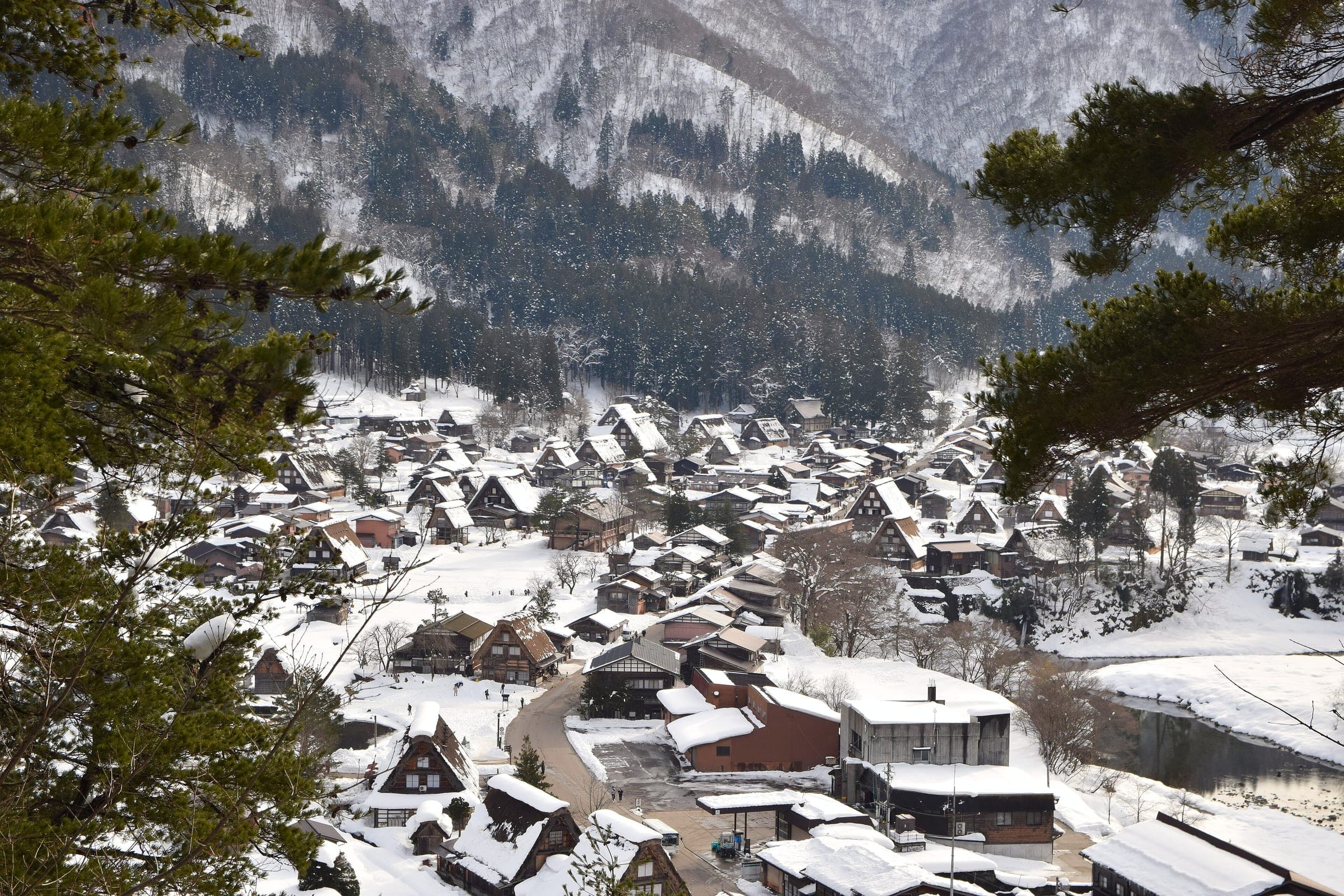
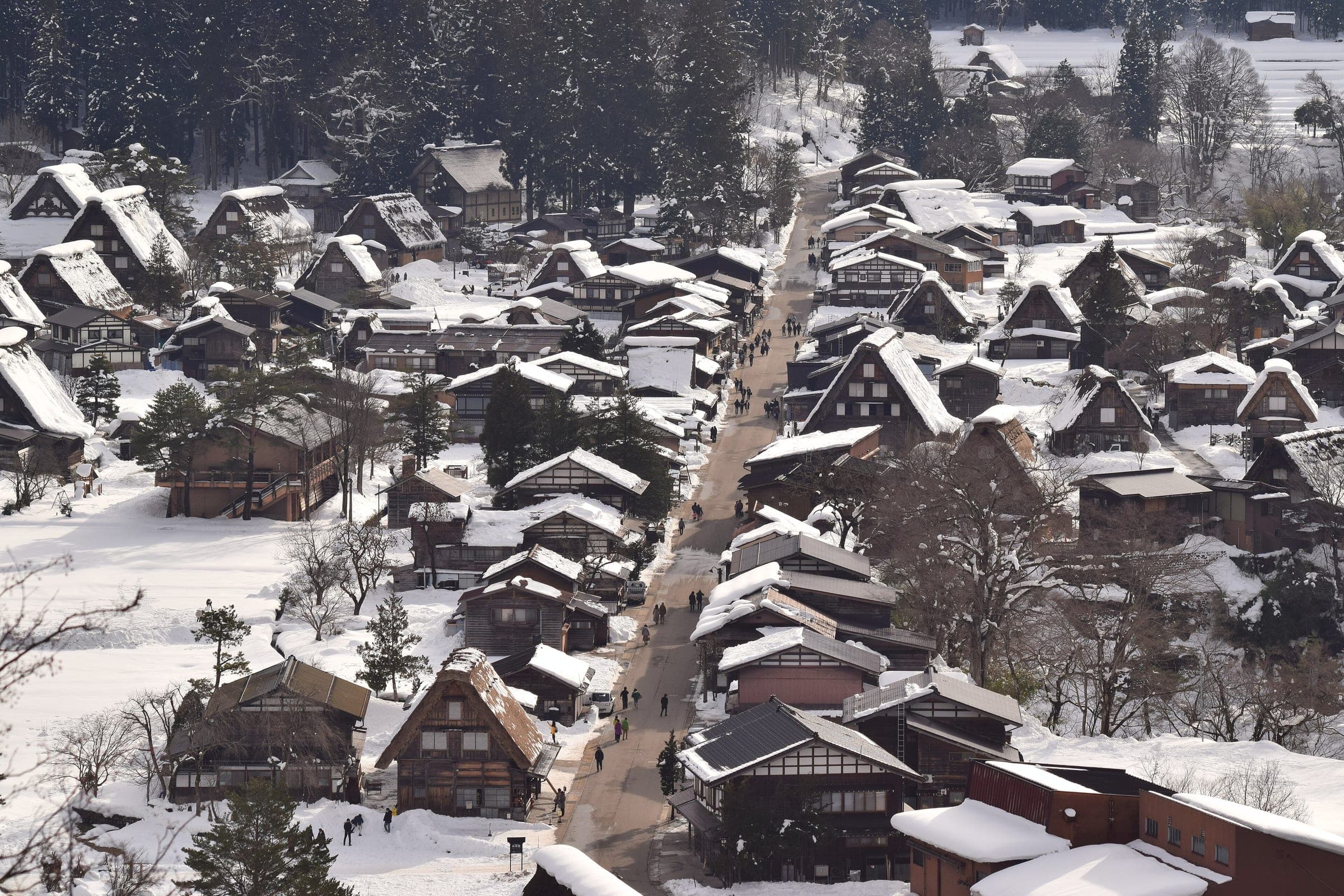
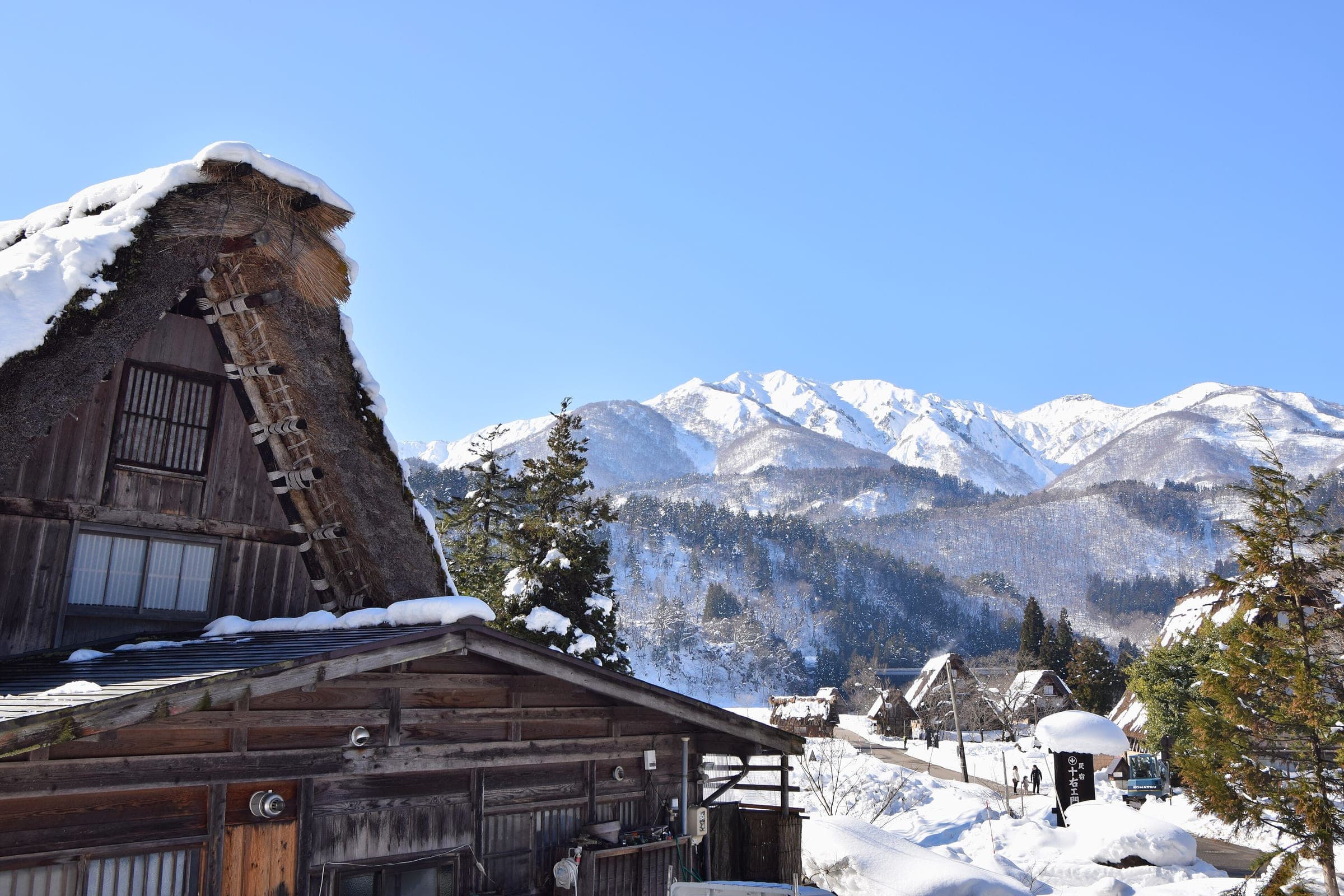
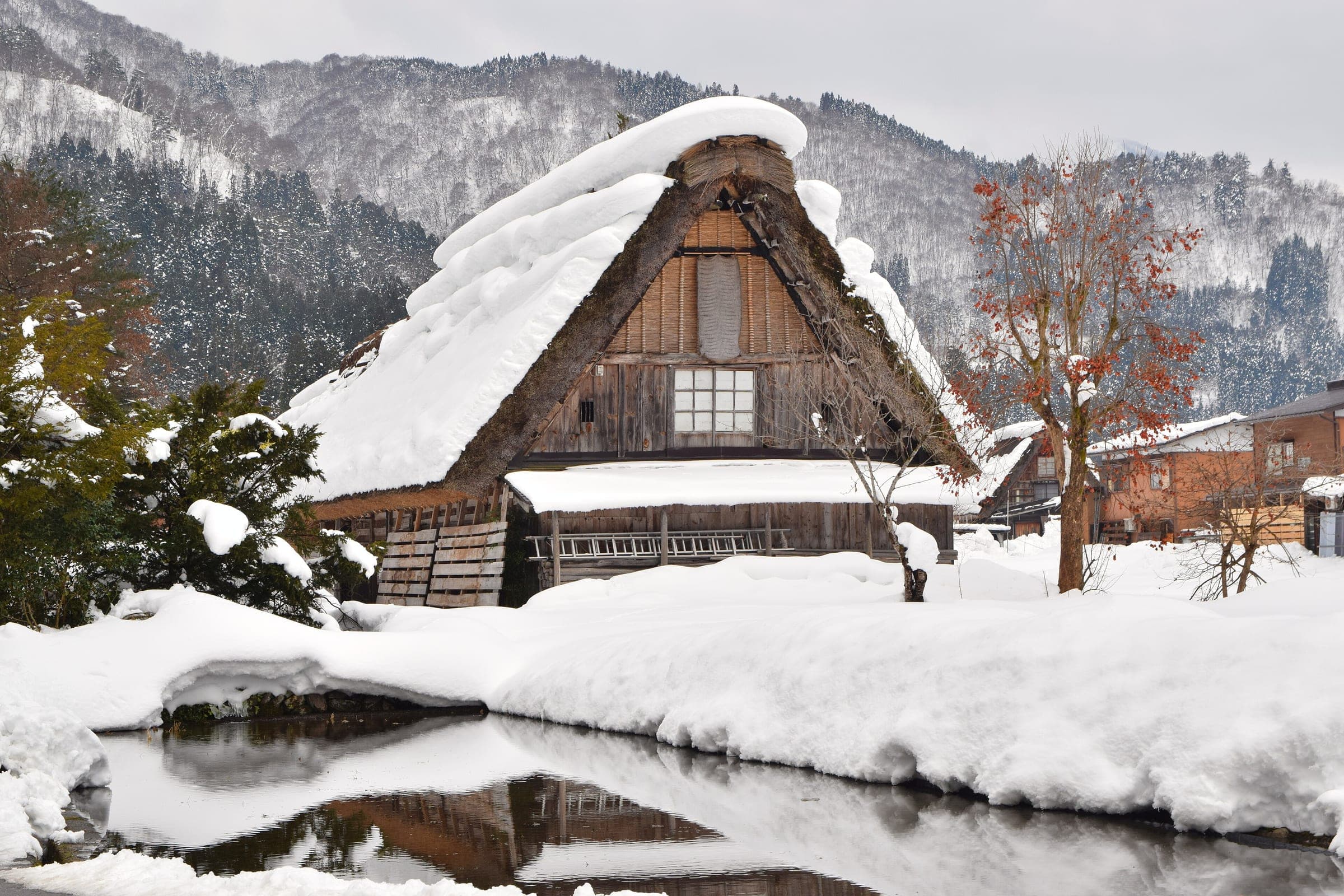
Ogimachi is the main settlement of Shirakawa village and sits in a narrow valley of the Sho River in one of Japan's heaviest snow belts, where snow can pass 170 cm in February. Its gassho-zukuri houses carry tall thatched roofs built to shed that weight. The state selected the village as a preservation district for traditional buildings in 1976, and UNESCO listed it with Gokayama in Toyama as a World Heritage site in 1995.
Residents agreed three rules for their houses: do not sell them, do not rent them out and do not pull them down. The tourist association credits the World Heritage listing to the village's mutual aid as well as its houses. Locals call that help yui, and the whole village still turns out to re-thatch a roof, with volunteers welcome on the November thatch and grass-cutting days.
The tourist association suggests two to three hours for the village. Highway buses reach the bus terminal in about 50 minutes from Takayama and about 2 hours 30 minutes from Meitetsu Bus Center in Nagoya. Drivers park at Seseragi Park across the Deai Bridge, and staff send cars on to other lots when it fills.
Worth knowing
- Stay overnight in a gassho inn to see the village after the day buses leave.
- Book light-up visits months ahead; the first round of parking reservations for 2027 sold out on its first day.
- The Shirakawa-go no Yu hot spring sits two minutes' walk from the bus terminal and charges adults ¥900.
Quick answers about Shirakawa-goよくある質問
Is Shirakawa-go a UNESCO World Heritage Site?
Yes. The Historic Villages of Shirakawa-go and Gokayama were listed in 1995.
How much is parking in Shirakawa-go?
The village's Seseragi Park car park charges ¥2,000 for a car, open 8:00 to 17:00 with last entry at 16:30.
How long do you need in Shirakawa-go?
The tourist association suggests two to three hours to see the World Heritage village.
Can you visit Shirakawa-go?
Open to visitors. No drone filming over the settlement; people live and work here. On light-up evenings entry is by advance reservation only, with a ticket worn on a neck strap, and no tickets are sold on the day. Cars need snow tyres from December to March. Tour buses must reserve parking from 1 December 2026.
What are the opening hours of Shirakawa-go?
Shirakawa-go is open the village has no gate or opening hours outside the light-up evenings. The public Seseragi Park car park opens 8:00–17:00 with last entry at 16:30, and the houses open as museums keep their own hours.
How should you behave at Shirakawa-go?
At Shirakawa-go: Most gassho houses are family homes; go inside only those open as museums, shops or inns. Leave the drone at home.
Within 12 km
Sights nearby見どころ
Within 12 km
Places to eat and drink nearby食
Within 12 km