Nagasaki Atomic Bomb Museum
長崎原爆資料館32°46′ N 129°52′ EMuseumThe atomic bomb exploded over Nagasaki…
The Nagasaki Atomic Bomb Museum suits anyone who wants to understand what happened to this city on 9 August 1945, and the exhibition renewal running through March 2027 screens off parts of the rooms while the work goes on.
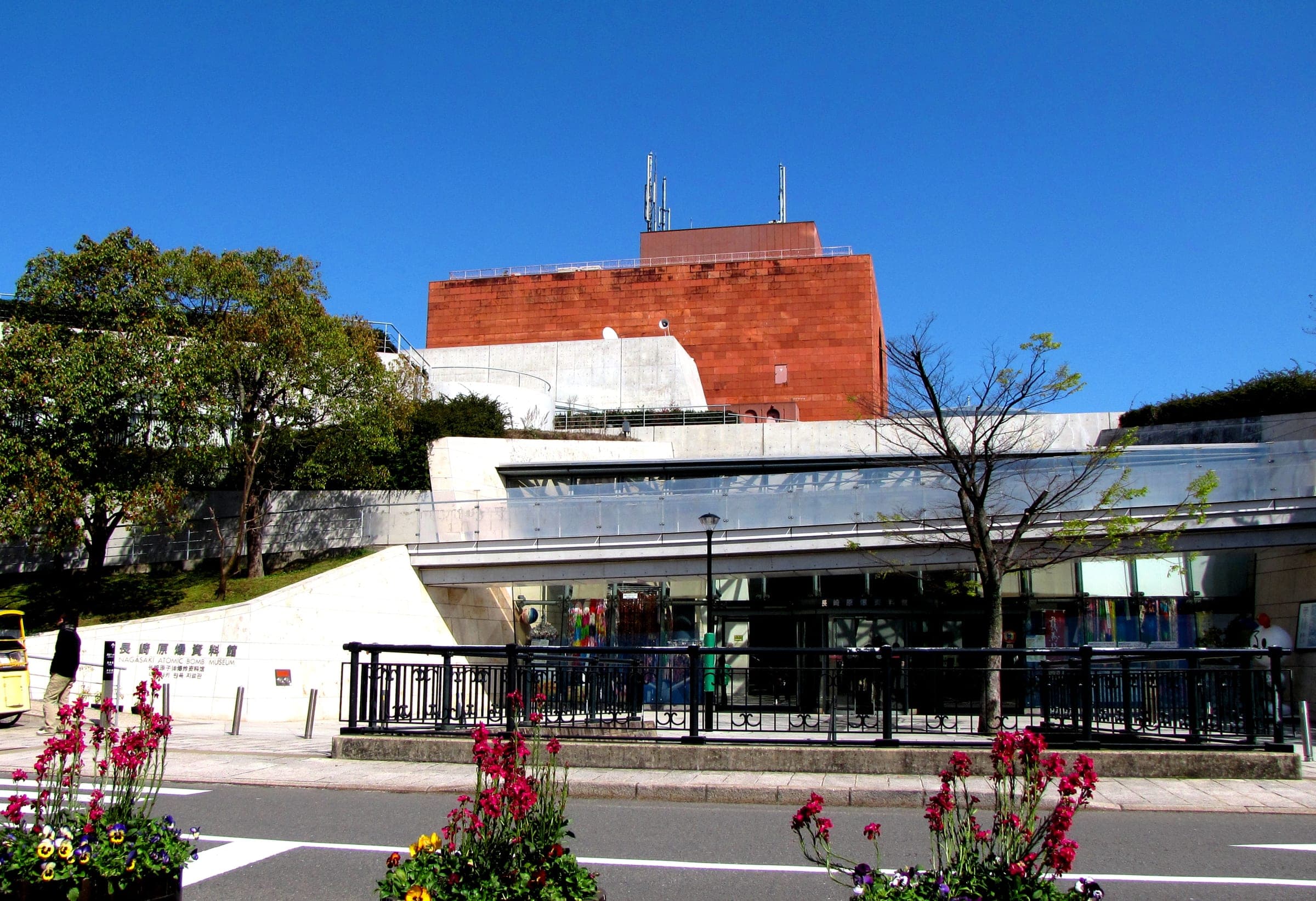
Photo Yoshio Kohara · Wikimedia Commons · CC BY 3.0
Where things stand
Open as usual. The permanent exhibition is under renewal in stages until March 2027.
Visiting with care · Partly open
The museum is renewing its permanent exhibition in stages for the 80th year since the bombing. Part of the C section closes from 24 November 2026 to March 2027, part of the B section from late December 2026 to March 2027 and the D section from January to March 2027, with screens round each work area. Most of section B, where the artefacts from the bombing hang, stays open.
- No flash, tripods or selfie sticks in the exhibition rooms
- Photography is banned at two works: the Genbaku no Zu panels in front of the B2 ticket machines and the photograph known as the boy standing at the crematorium by the B1 exit
- No food or drink inside the building
- Keep your voice low in the exhibition rooms, where staff will ask a noisy group to quieten down
- Ask before you photograph anyone at the memorials outside
Related places
A B-29 named Bockscar dropped a plutonium bomb over Nagasaki, and it exploded at 11:02 am on 9 August 1945, about 500 metres above the Matsuyama-machi district. The city's records committee counted 73,884 people killed and 74,909 injured by the end of December 1945, out of a population of about 240,000. The city says plainly that the true number of deaths is still unknown.
The rooms sit two floors underground. The walk begins with the city before the bombing and moves through a recreated wall of Urakami Cathedral, a wall clock from Sakamoto-machi stopped at 11:02, burned and melted objects, and the testimony of survivors, before it turns to nuclear weapons today. Captions on the main pieces come in Japanese, English, Chinese and Korean, and QR codes open notes in 11 languages.
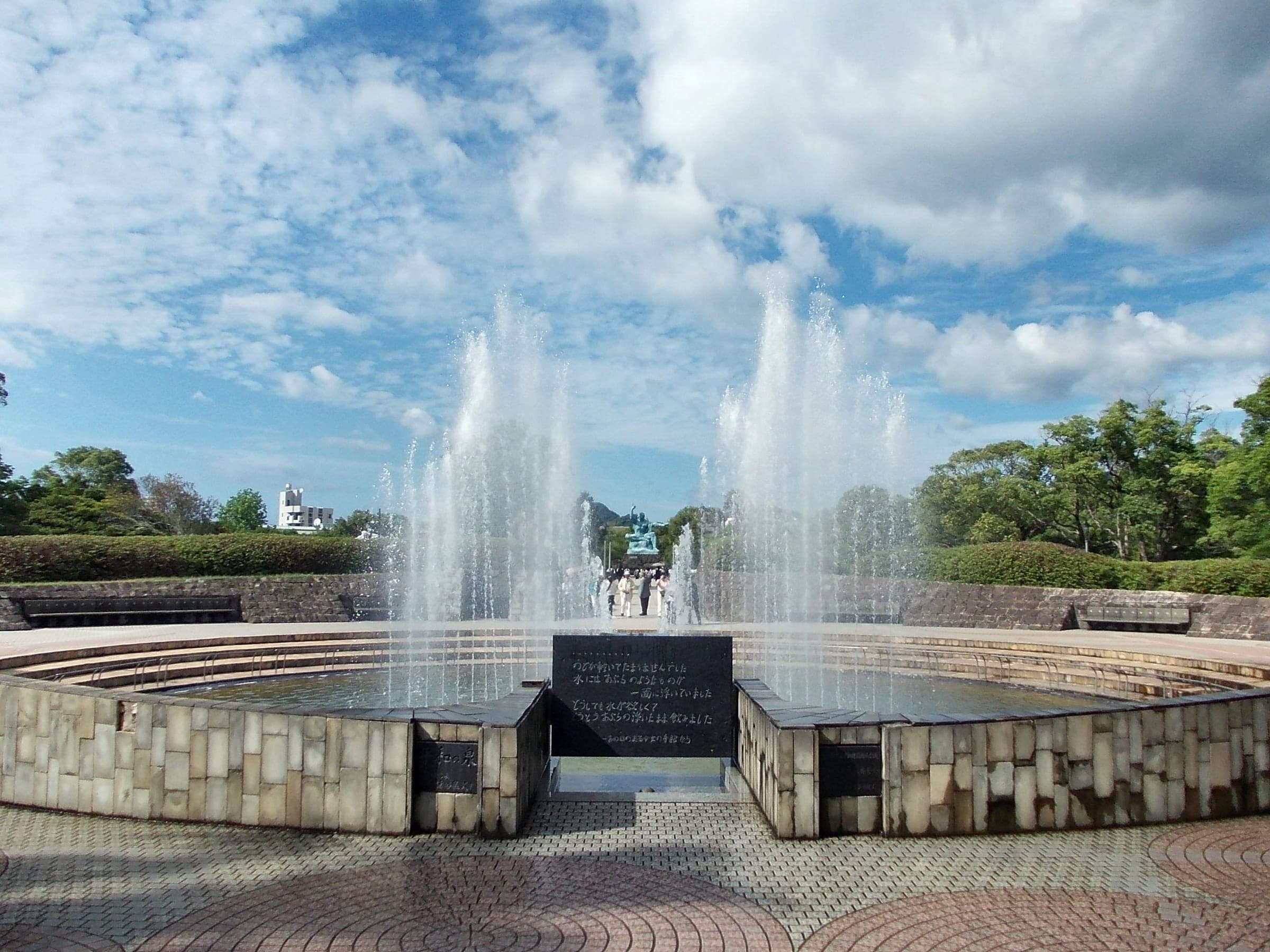
The city's peace guides stand in the museum from 10:00 to 16:00 and walk you through the exhibits here and at the national memorial hall next door at no charge. Ask at the entrance desk. Afterwards the hypocentre in Peace Park is a few minutes' walk down the hill.
Worth knowing
- Take the tram toward Akasako from Nagasaki Ekimae to the Genbaku Shiryokan stop, about 12 minutes, and walk five minutes up to the entrance.
- The Nagasaki National Peace Memorial Hall for the Atomic Bomb Victims stands beside the museum and has no entry fee.
Quick answers about Nagasaki Atomic Bomb Museumよくある質問
When did the atomic bomb explode over Nagasaki?
The bomb exploded at 11:02 am on 9 August 1945, about 500 metres above the Matsuyama-machi district. Nagasaki City's 1950 records committee counted 73,884 people killed and 74,909 injured by the end of December 1945.
How much does the Nagasaki Atomic Bomb Museum cost?
Entry to the permanent exhibition costs ¥200 for visitors aged 15 and over in 2026, and high school students and younger go in free. Card, IC and QR payments work at the ticket desk.
Can you visit Nagasaki Atomic Bomb Museum?
Partly open. No flash, tripods or selfie sticks in the exhibition rooms. Photography is banned at two works: the Genbaku no Zu panels in front of the B2 ticket machines and the photograph known as the boy standing at the crematorium by the B1 exit. No food or drink inside the building.
What are the opening hours of Nagasaki Atomic Bomb Museum?
Nagasaki Atomic Bomb Museum keeps these hours: Mon–Sun 08:30–17:30.
How should you behave at Nagasaki Atomic Bomb Museum?
At Nagasaki Atomic Bomb Museum: Keep your voice low in the exhibition rooms, where staff will ask a noisy group to quieten down. Ask before you photograph anyone at the memorials outside.
Within 12 km
Places to eat and drink nearby食
Within 12 km