Gujo Hachiman
郡上八幡35°45′ N 136°57′ EOld townEdo period castle town; castle keep…
Gujo Hachiman is a small castle town where spring water runs through the streets below a wooden castle, and it suits a slow day or a summer night of dancing; the castle closes from 20 December to 10 January.
Photo Isoyan · Wikimedia Commons · CC BY-SA 3.0 and others, credited in the gallery
Visiting with care · Open to visitors
The castle is a historic site with no step-free route inside. Holders of a grade 3 or higher disability certificate enter free, with a carer where needed.
- Buses cannot drive up to the castle; park at Jokamachi Plaza and walk about 20 minutes
- The road to the summit car park is narrow and may be closed to cars at busy times
- Most mizubune water tanks sit inside private homes; use the ones set out for visitors.
- Ask before you photograph residents at the riverside washing places; the town notes that many now dislike cameras.
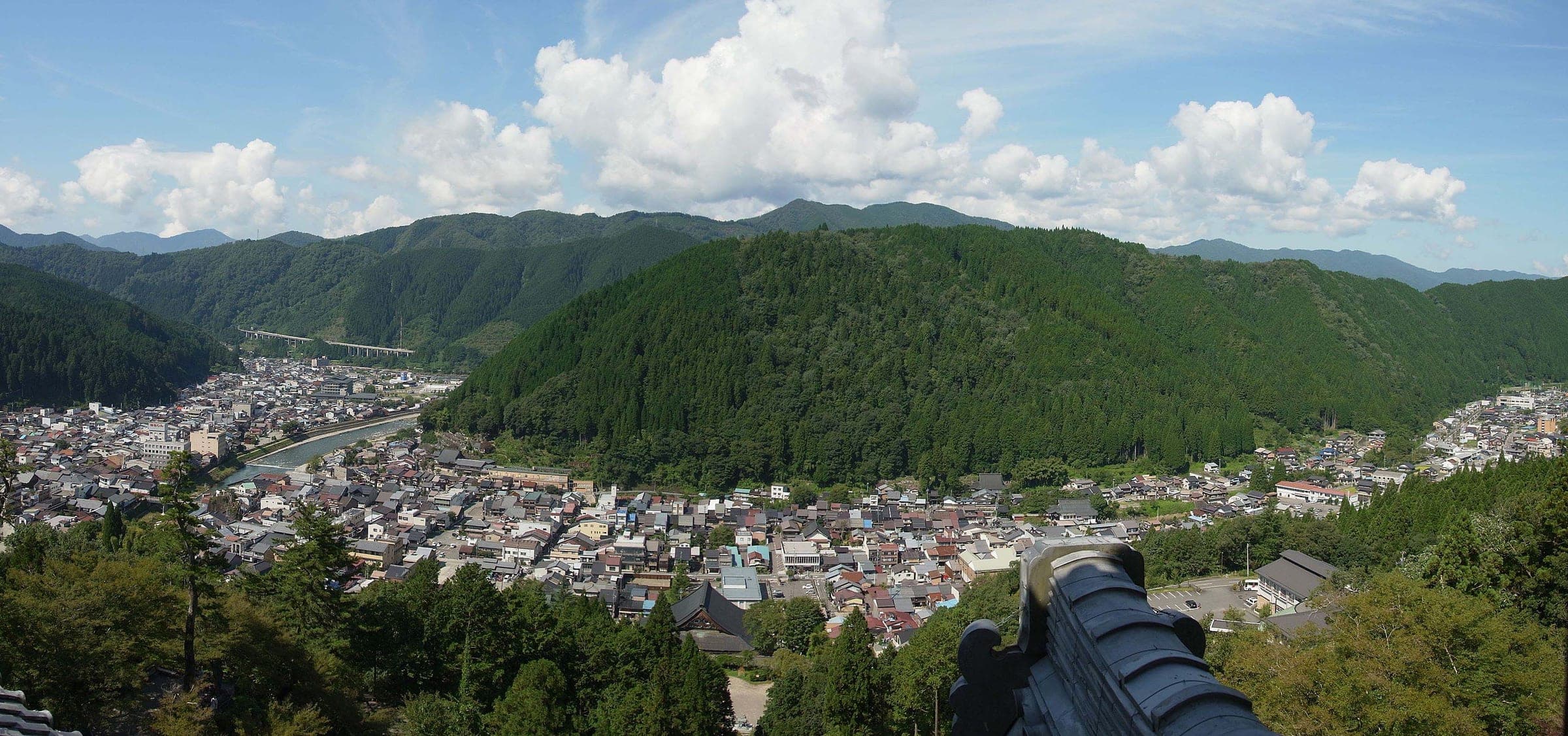
Gujo Hachiman stands where the Yoshida and Kodara rivers meet in the upper Nagara basin. Around 1660 the lord Endo Tsunetomo spent four years building the Goyo canal through the grid of streets as a fire defence. Houses still use weir boards in the Yanagi-machi channel to raise the water for washing, and the Sogi-sui spring was the first entry on the national list of Japan's 100 famous waters.
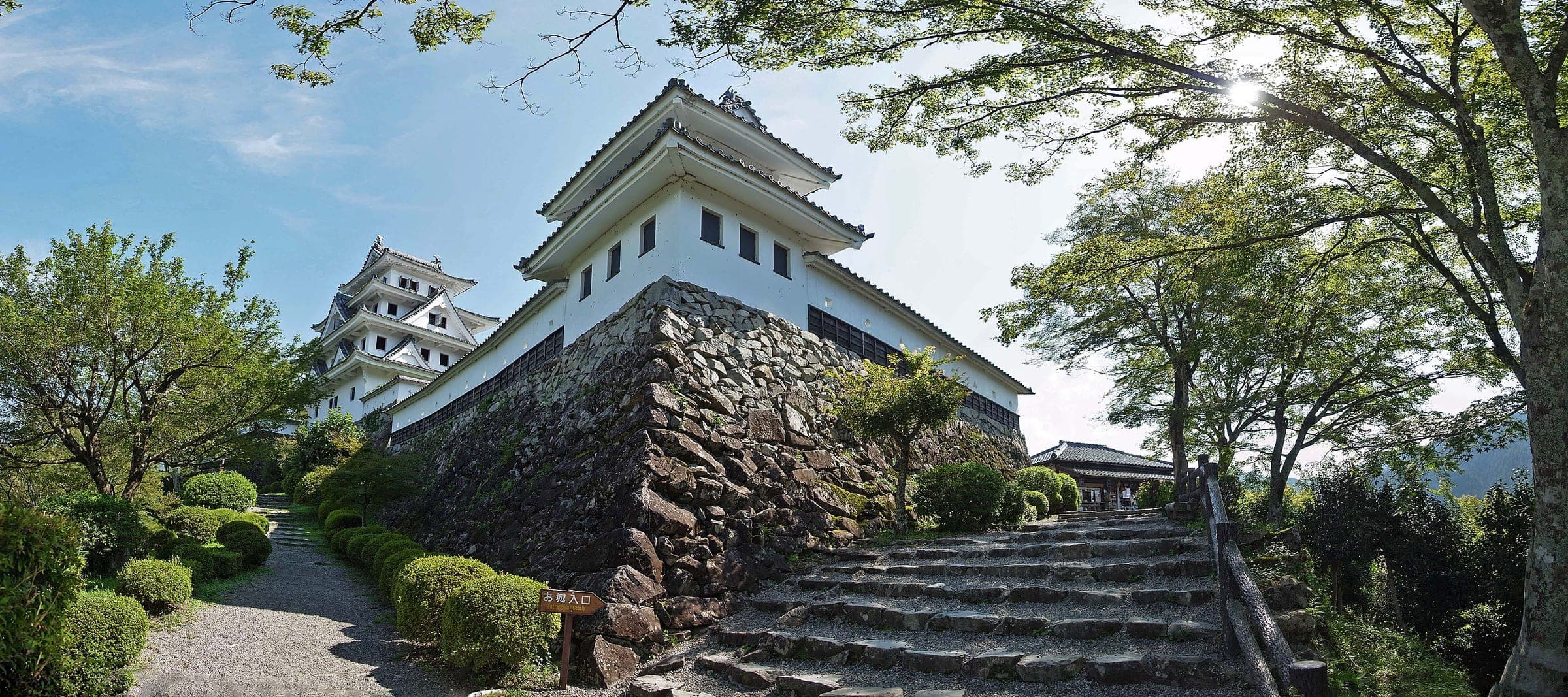
The castle on the hill was torn down after the Meiji Restoration, and in 1933 the town rebuilt a wooden mock keep on the old stone walls. It calls the keep the oldest wooden castle reconstruction in Japan. In November the maples around it turn red, and the castle lights them up for its autumn festival.
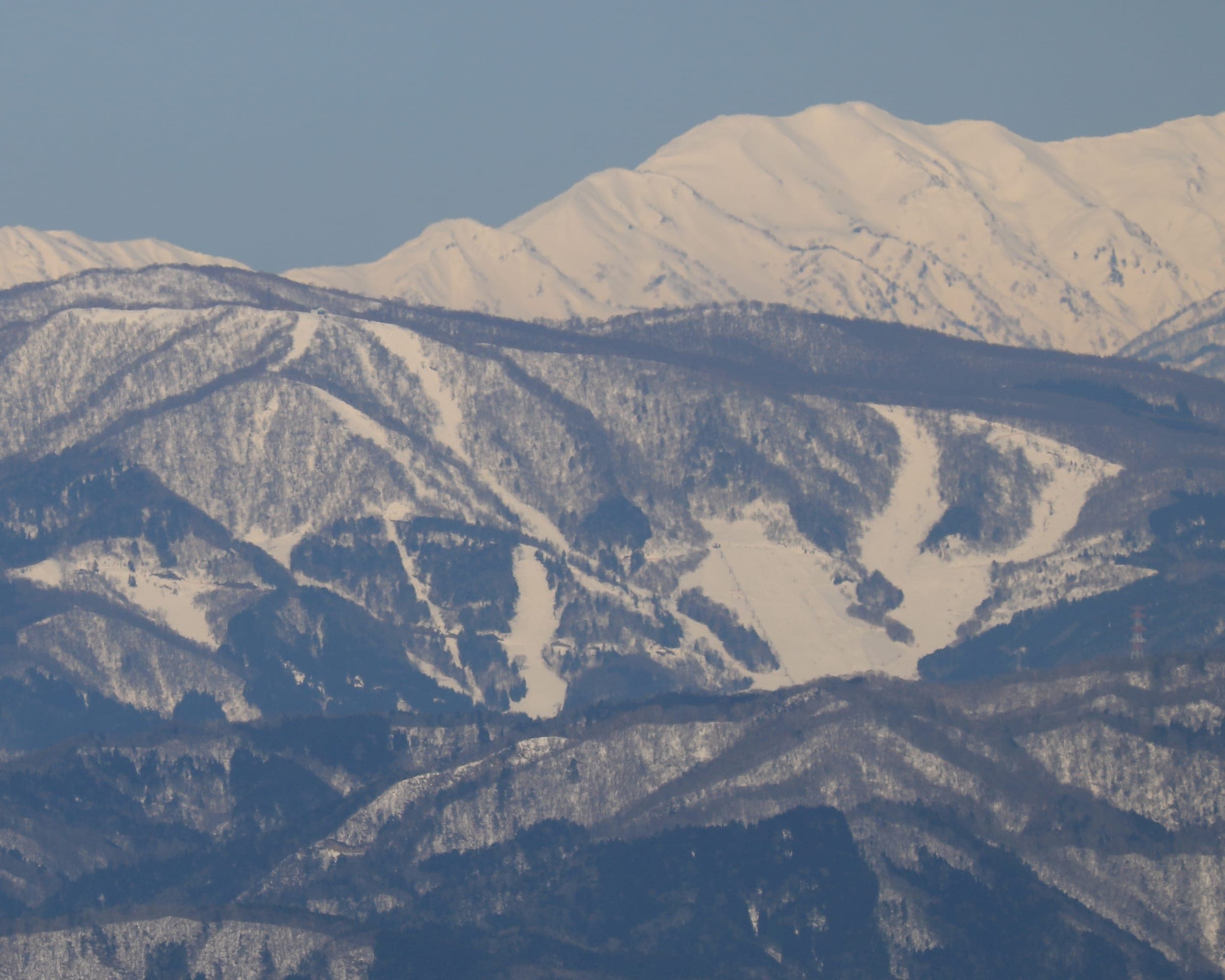
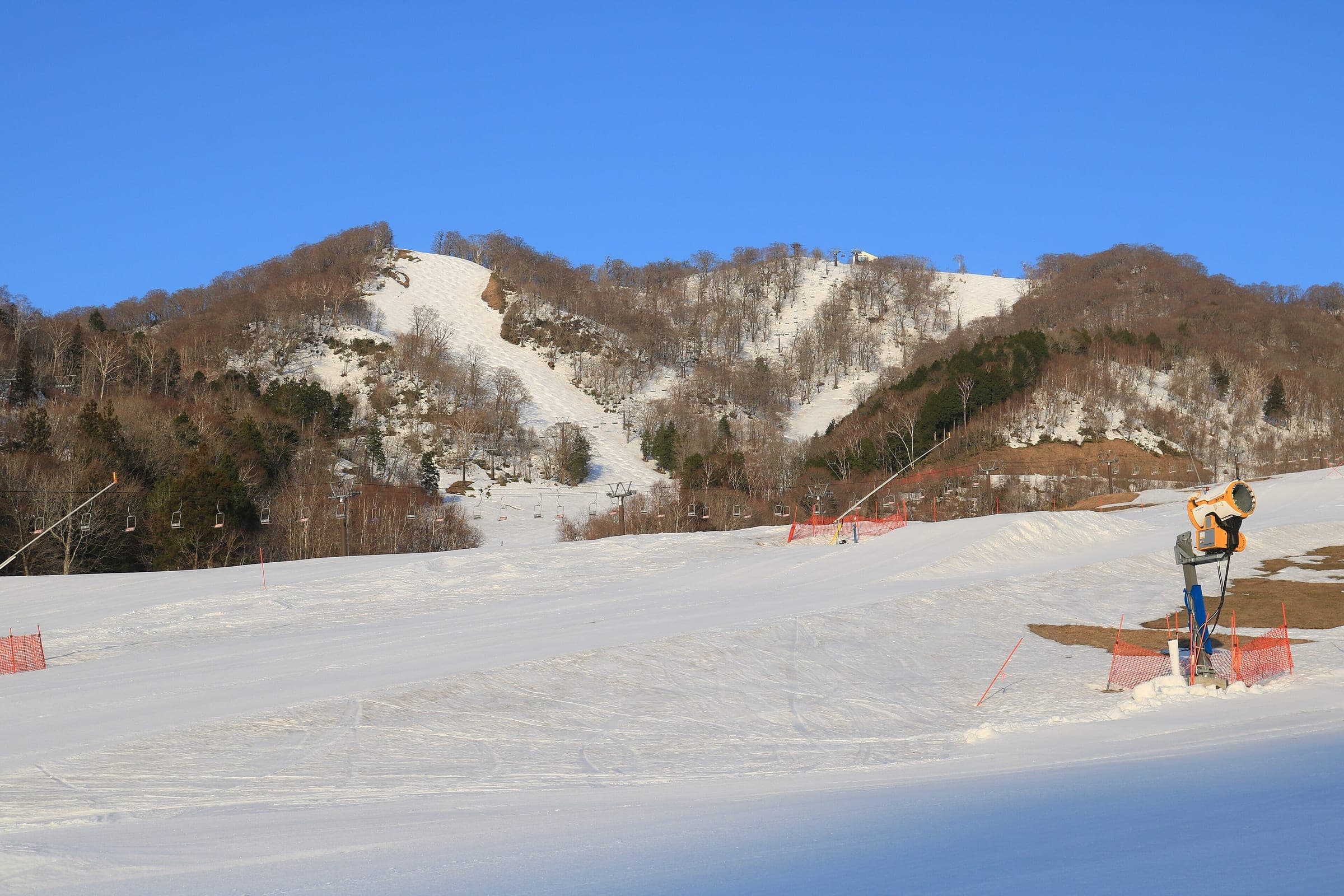
Summer belongs to Gujo Odori, a dance of more than 30 nights in which visitors join the circle. The Hakurankan museum in a 1920 tax office explains the water, the crafts and the dance, and it makes a good first stop. In winter the town is the base for Meiho Snow Resort, whose free shuttle starts here.
Worth knowing
- Fill a bottle at one of the public mizubune; the first tank of each is for drinking water.
- Drivers can park at the Shiroyama park lot about 10 minutes' walk below the keep, or at the small free lot at the top when the road is open.
- From Nagoya, Gifu Bus's Kosoku Nagoya Gujo Hachiman line reaches the town, and Nohi Bus stops at Gujo Hachiman IC, about 7 minutes from the centre by taxi.
Quick answers about Gujo Hachimanよくある質問
How much is Gujo Hachiman Castle?
¥400 for adults and ¥200 for primary and junior high school children, or ¥750 with the Hakurankan museum.
Is Gujo Hachiman Castle open in winter?
Yes, from 9:00 to 16:30 between November and February, except for the closure from 20 December to 10 January.
What is Sogi-sui?
A spring in Gujo Hachiman named after the poet Iio Sogi, and the first water chosen for Japan's list of 100 famous waters.
Can you visit Gujo Hachiman?
Open to visitors. Buses cannot drive up to the castle; park at Jokamachi Plaza and walk about 20 minutes. The road to the summit car park is narrow and may be closed to cars at busy times.
How should you behave at Gujo Hachiman?
At Gujo Hachiman: Most mizubune water tanks sit inside private homes; use the ones set out for visitors. Ask before you photograph residents at the riverside washing places; the town notes that many now dislike cameras.
Within 12 km
Places to eat and drink nearby食
Within 12 km