Gunma konnyaku
こんにゃくIngredient
Gunma konnyaku is the firm, springy jelly made from konjac corms grown across the prefecture, and it tastes of little on its own, so it lives or dies by its sauce.
Where to eat Gunma konnyaku · 2 places
- Takaragawa SansoMinakami
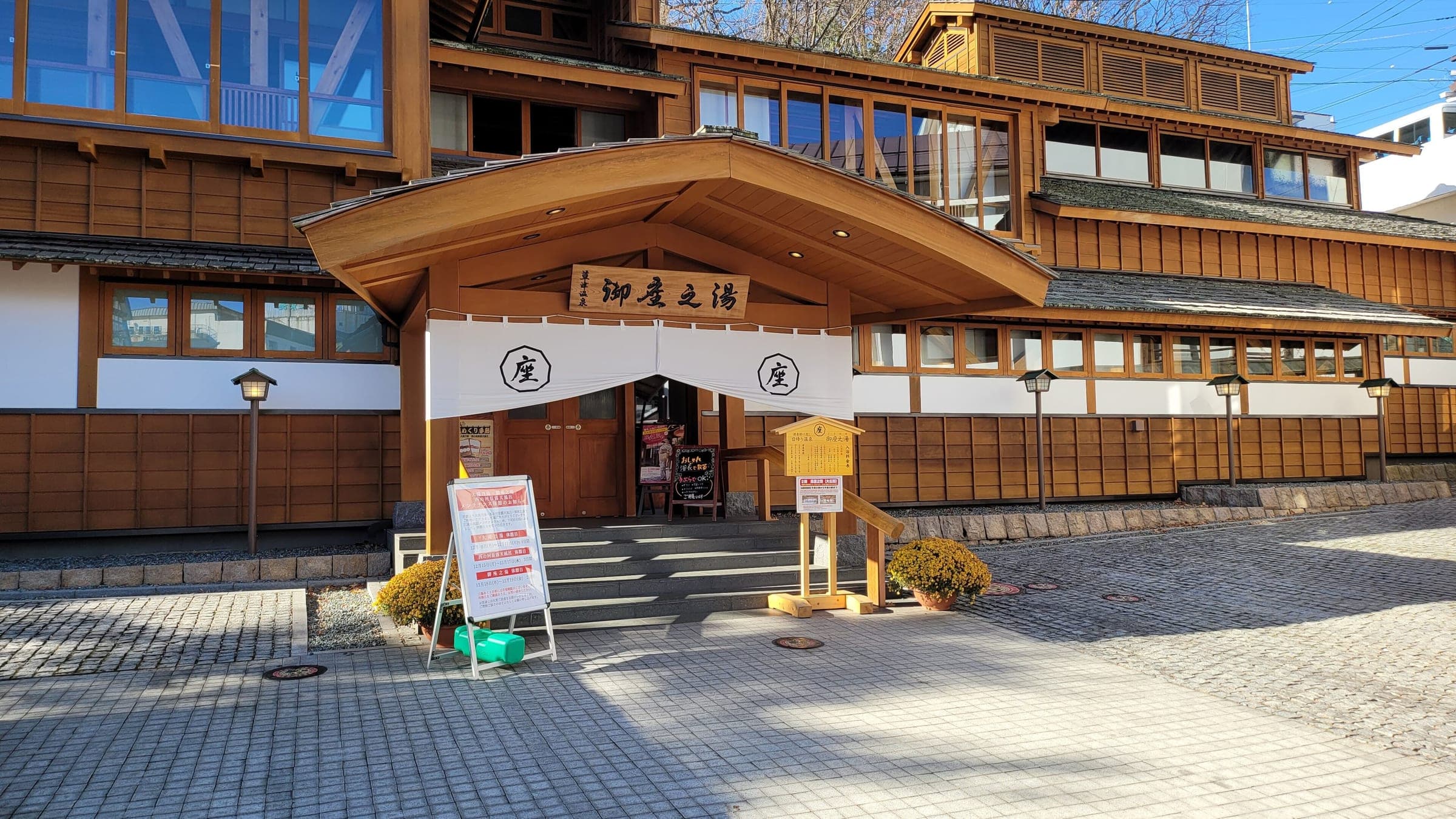
Sashimi konnyaku for ¥400 in the day-bath canteen at Takaragawa Onsen.
Konnyaku comes from the corm of a taro-family plant that needs three years to grow, planted each spring, dug each autumn and stored over winter above 13 °C. The raw corm is too harsh to eat. Makers boil and grate it, swell it with water and set it with an alkaline lye, which turns the starch called konjac mannan into the grey slab sold in Japanese supermarkets.
Gunma grew 93.2% of Japan's 55,900-tonne konjac harvest in 2018, according to the figures Wikipedia cites. When the 2025 harvest fell to 38,500 tonnes, down 25% and the lowest since 1954, the Japan Konnyaku Association put it down to Gunma's summer: a May to September average of 25.6 °C, the hottest in about 130 years, with almost no rain. At Konnyaku Park in Kanra you can eat about 15 konnyaku dishes free and watch the factory lines on weekdays.
Worth knowing
- Takaragawa Sanso's canteen sells sashimi konnyaku, which it calls a Gunma speciality, for ¥400.
Quick answers about Gunma konnyakuよくある質問
Why is Gunma known for konnyaku?
Gunma grows almost all of Japan's konjac: 93.2% of the 2018 harvest of 55,900 tonnes. The Japan Konnyaku Association tied the poor 2025 national harvest to Gunma's hot, dry summer.
Is konnyaku vegan?
Yes, konnyaku itself is made from konjac and an alkaline setting agent. Check the sauce or broth, which can contain fish stock.
When is Gunma konnyaku in season?
Gunma konnyaku: Year-round. The corms are planted in spring and lifted in autumn, three years running, before they are big enough to make konnyaku.
Where can you eat Gunma konnyaku in Japan?
Places we list for Gunma konnyaku include Konnyaku Park, Yubatake Souan Ashiyu Cafe.