Atomic Bomb Dome
原爆ドーム34°24′ N 132°27′ EMemorialCompleted 1915; preserved as it stood…UNESCO
The Atomic Bomb Dome is where every visit to Hiroshima's Peace Memorial Park should begin, and you see the ruin only from the paths outside its fence.
Photo DXR · Wikimedia Commons · CC BY-SA 4.0
Visiting with care · Partly open
The structure is kept as it stood after the bombing, with reinforcement work to keep it standing.
- The ruin is fenced, and visitors see it from the riverside paths around it
- Keep voices low and leave room for people praying or laying flowers
- Ask before you photograph anyone at the memorials
Related places
In 1910 Hiroshima Prefecture asked the Czech architect Jan Letzel to design a hall for showing and selling local products. Building began on the bank of the Motoyasu River in 1914, and the hall opened the next year. Its domed tower made it one of the best-known sights in the city. Renamed the Hiroshima Prefectural Industrial Promotion Hall, it was part of daily life in Hiroshima for 30 years.
At 8:15 am on 6 August 1945 an atomic bomb exploded about 600 metres above central Hiroshima. The hall stood 160 metres from the hypocentre, and its walls and the bare frame of its dome survived. The city estimates that about 140,000 people had died by the end of December 1945, when the acute effects of radiation had largely subsided. The exact number is still unknown.
For years people argued over whether to keep the ruin or pull it down. The City Council resolved to preserve it in 1966, and donations from across Japan and abroad paid for the first preservation work in 1967 and a second campaign from 1989. In December 1996 UNESCO inscribed it on the World Heritage List as the Hiroshima Peace Memorial (Genbaku Dome).
Worth knowing
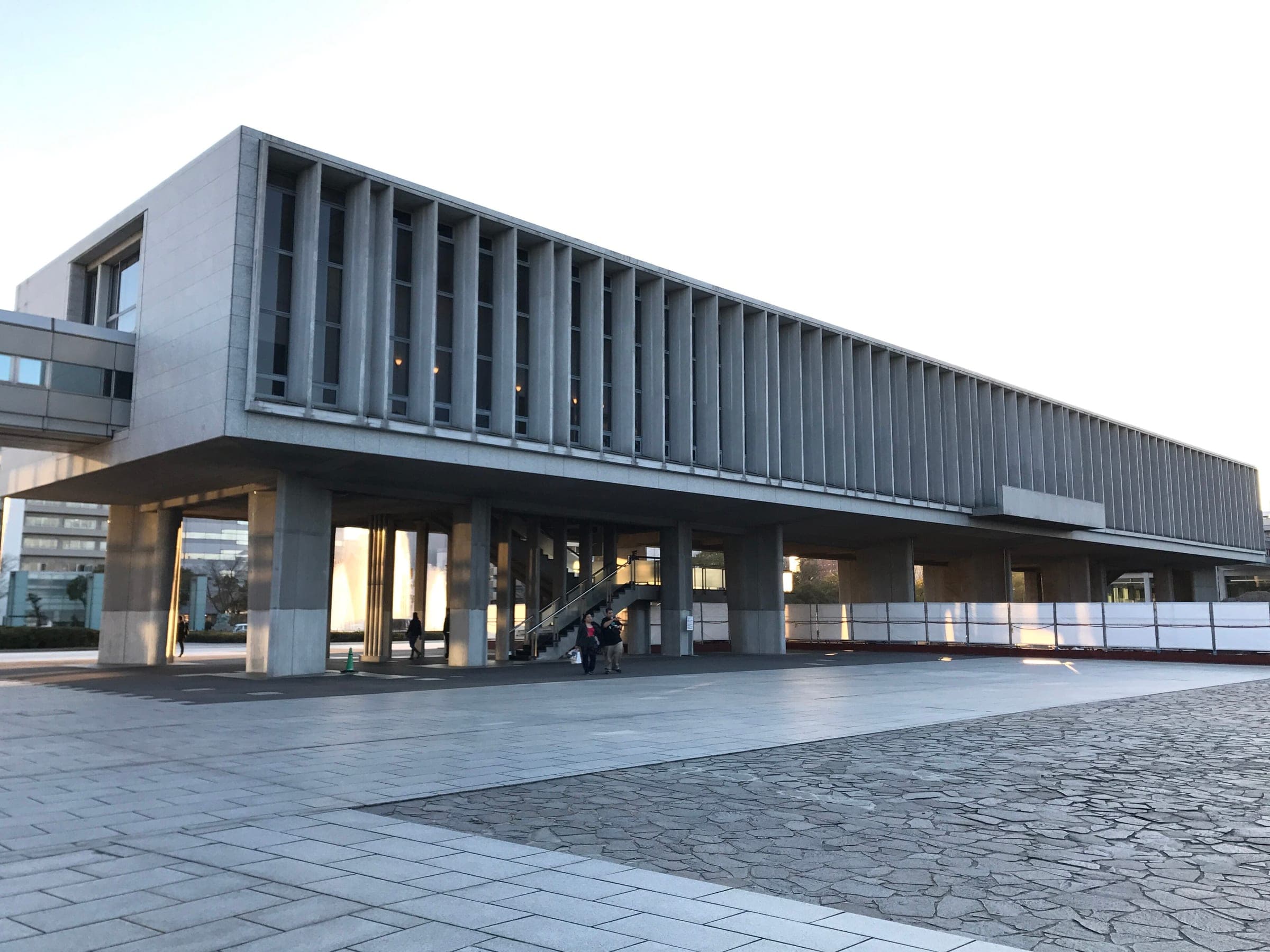
- The Hiroshima Peace Memorial Museum stands at the south end of Peace Memorial Park, on the far side of the Motoyasu River from the Dome.
Quick answers about Atomic Bomb Domeよくある質問
What was the Atomic Bomb Dome before 1945?
The Atomic Bomb Dome was the Hiroshima Prefectural Industrial Promotion Hall, designed by the Czech architect Jan Letzel and completed in 1915. It stood 160 metres from the hypocentre of the atomic bomb that exploded over Hiroshima at 8:15 am on 6 August 1945.
When did the Atomic Bomb Dome become a World Heritage site?
UNESCO inscribed the Atomic Bomb Dome on the World Heritage List in December 1996 as the Hiroshima Peace Memorial (Genbaku Dome), after Hiroshima City Council had resolved in 1966 to preserve it.
Can you visit Atomic Bomb Dome?
Partly open. The ruin is fenced, and visitors see it from the riverside paths around it.
What are the opening hours of Atomic Bomb Dome?
Atomic Bomb Dome is open the Dome stands in the open on the bank of the Motoyasu River.
How should you behave at Atomic Bomb Dome?
At Atomic Bomb Dome: Keep voices low and leave room for people praying or laying flowers. Ask before you photograph anyone at the memorials.
Within 12 km